Featured Art Workshop
Autism Awareness Art Workshop
Nassau Suffolk Autism Society of America (NSASA) x One River School of Art + Design
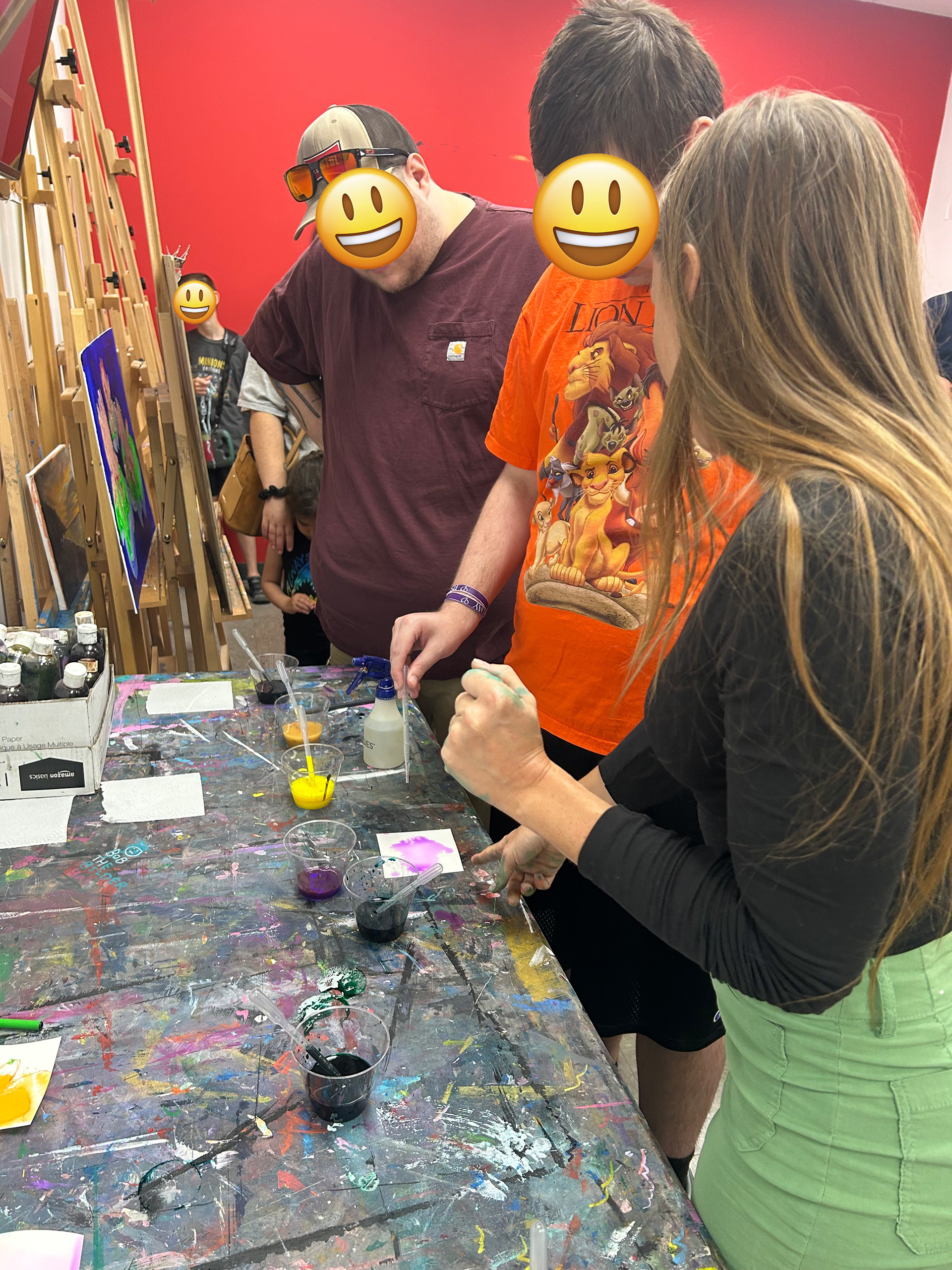
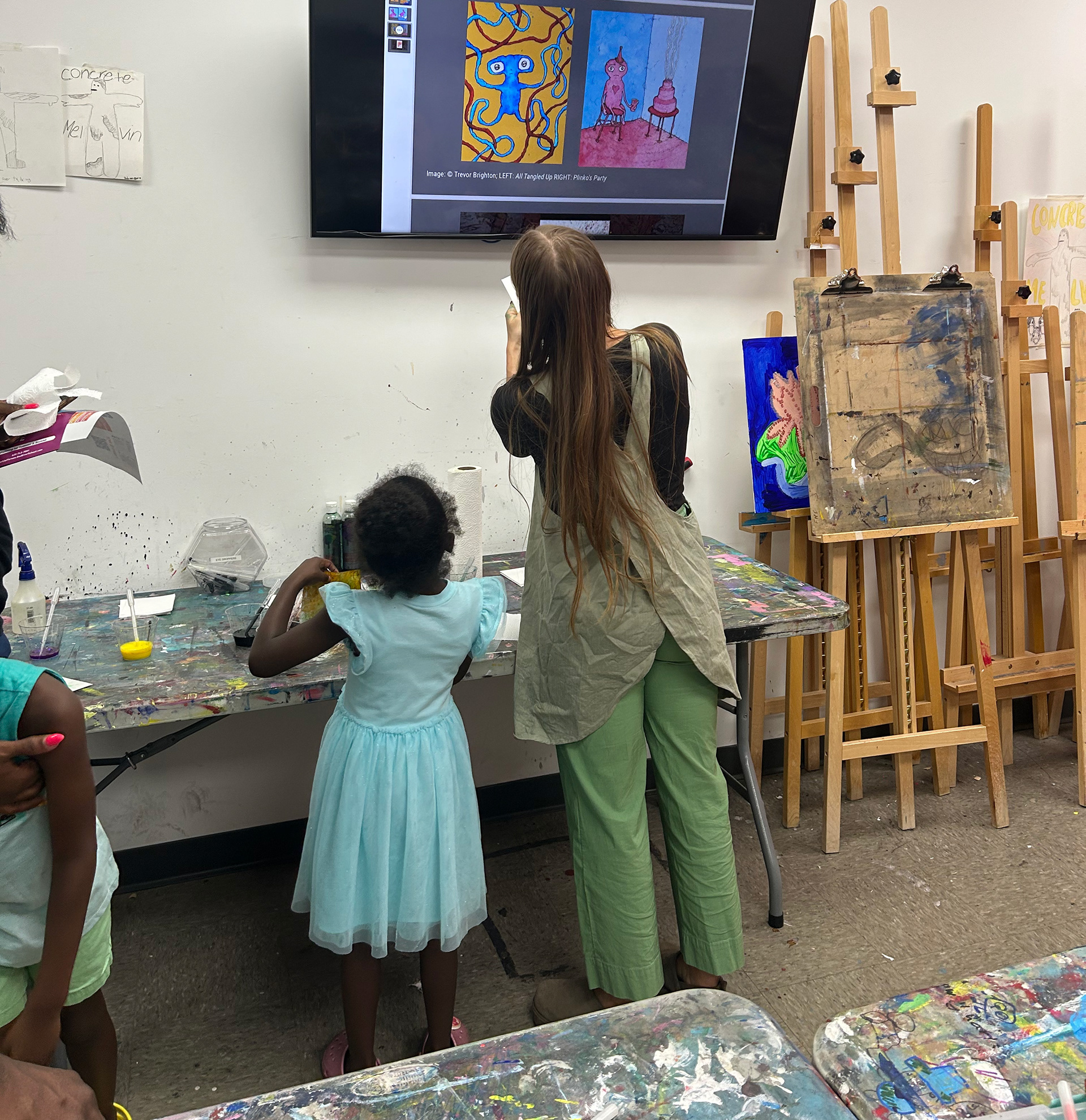
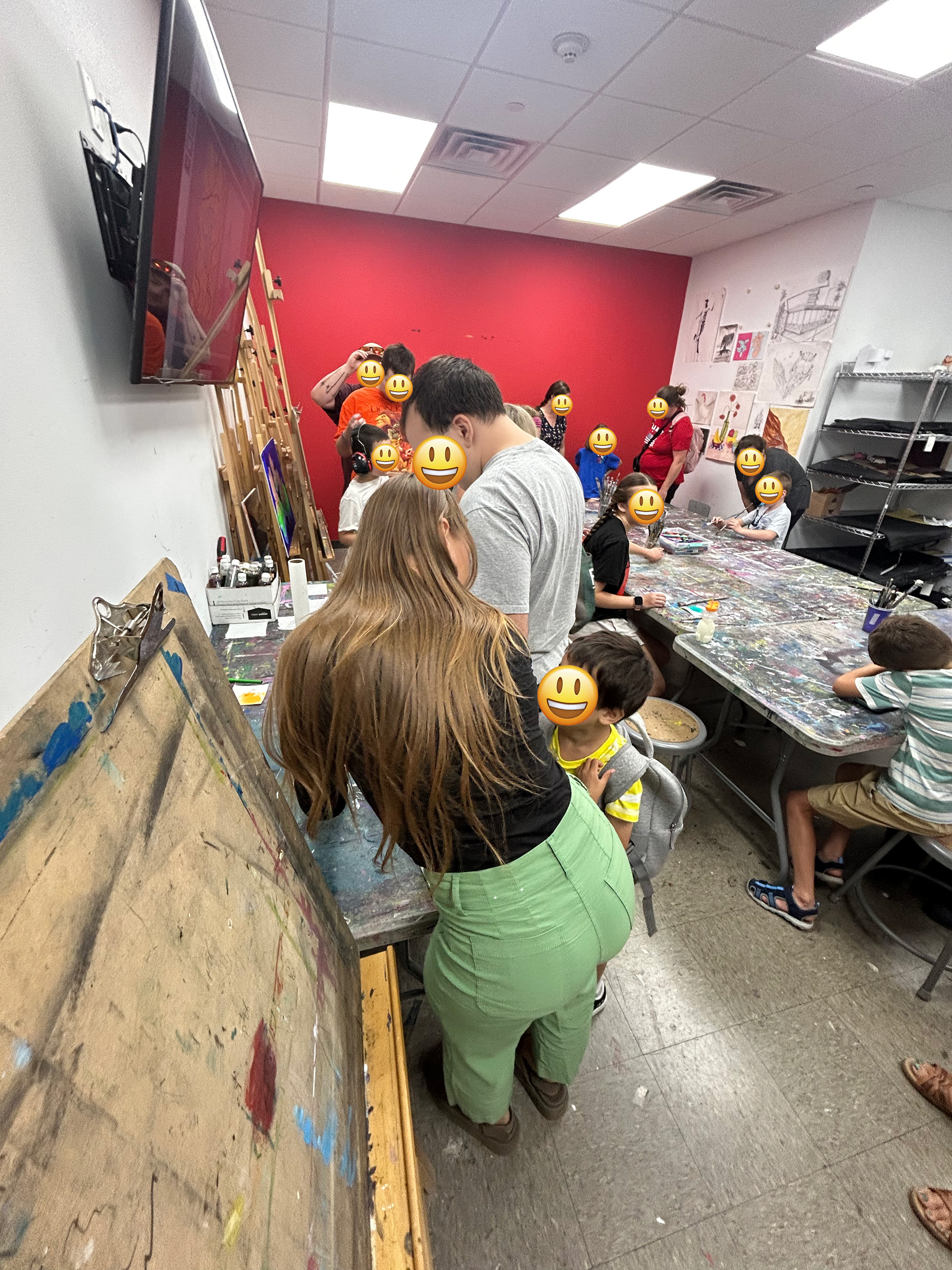
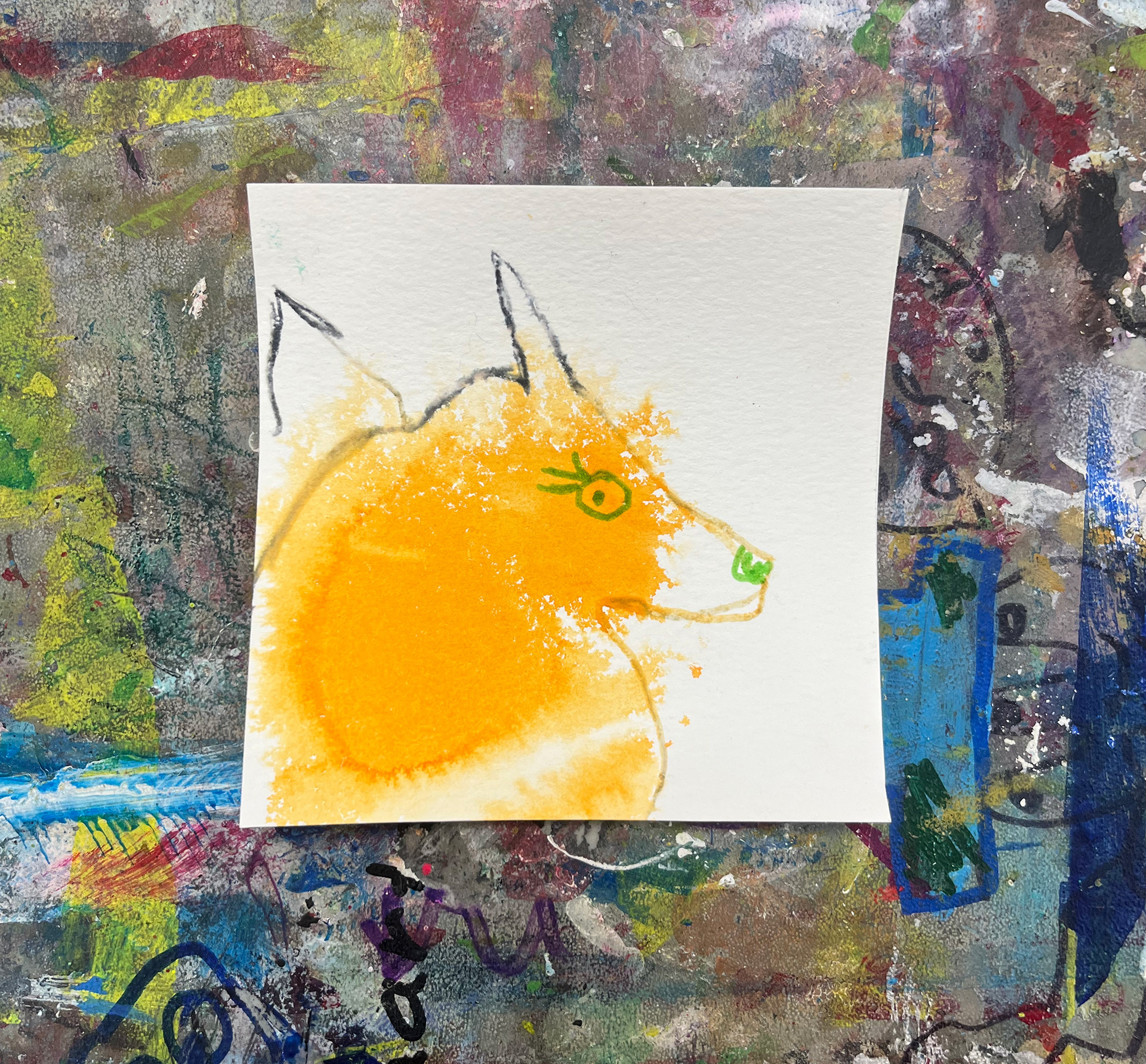
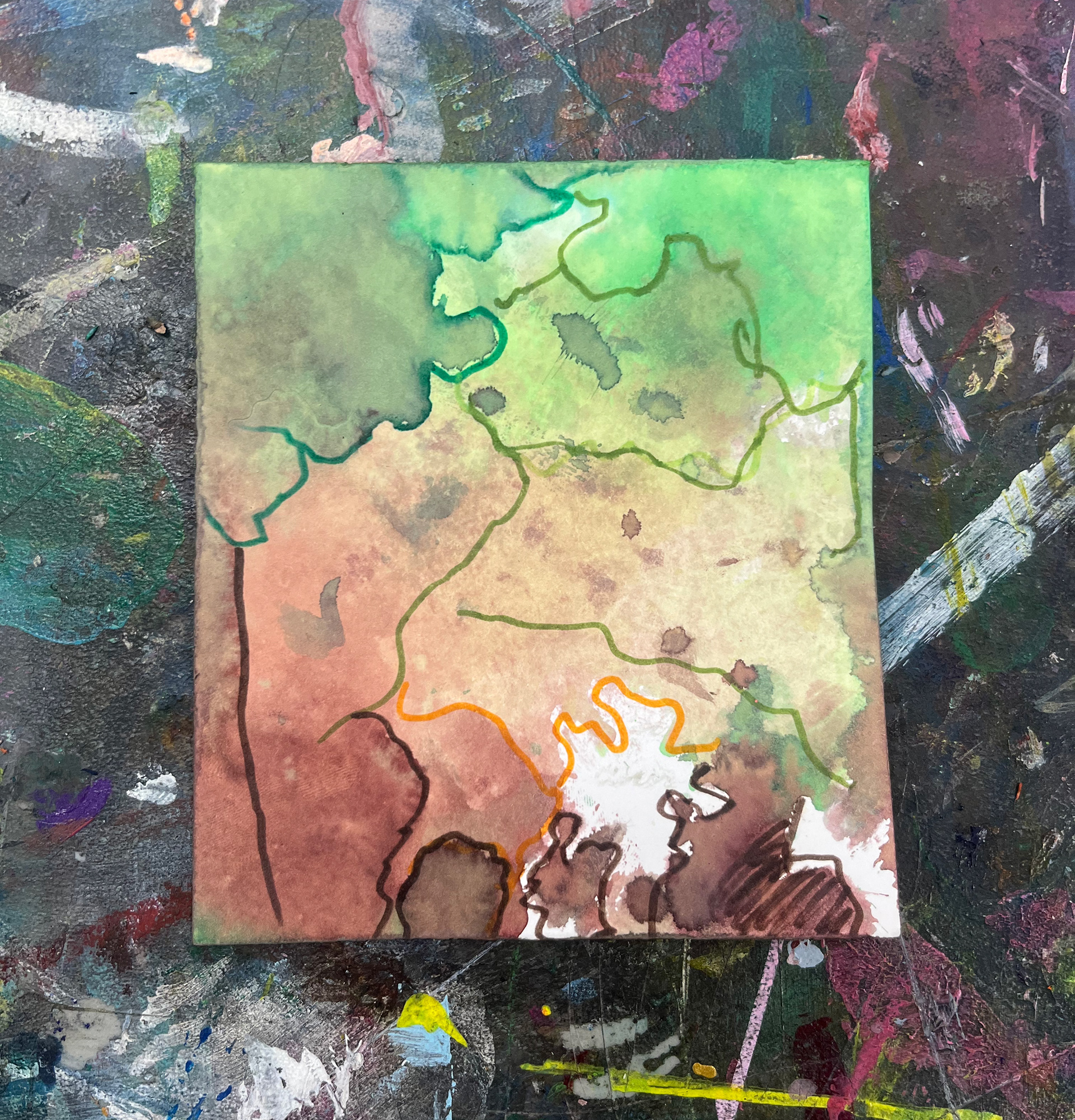
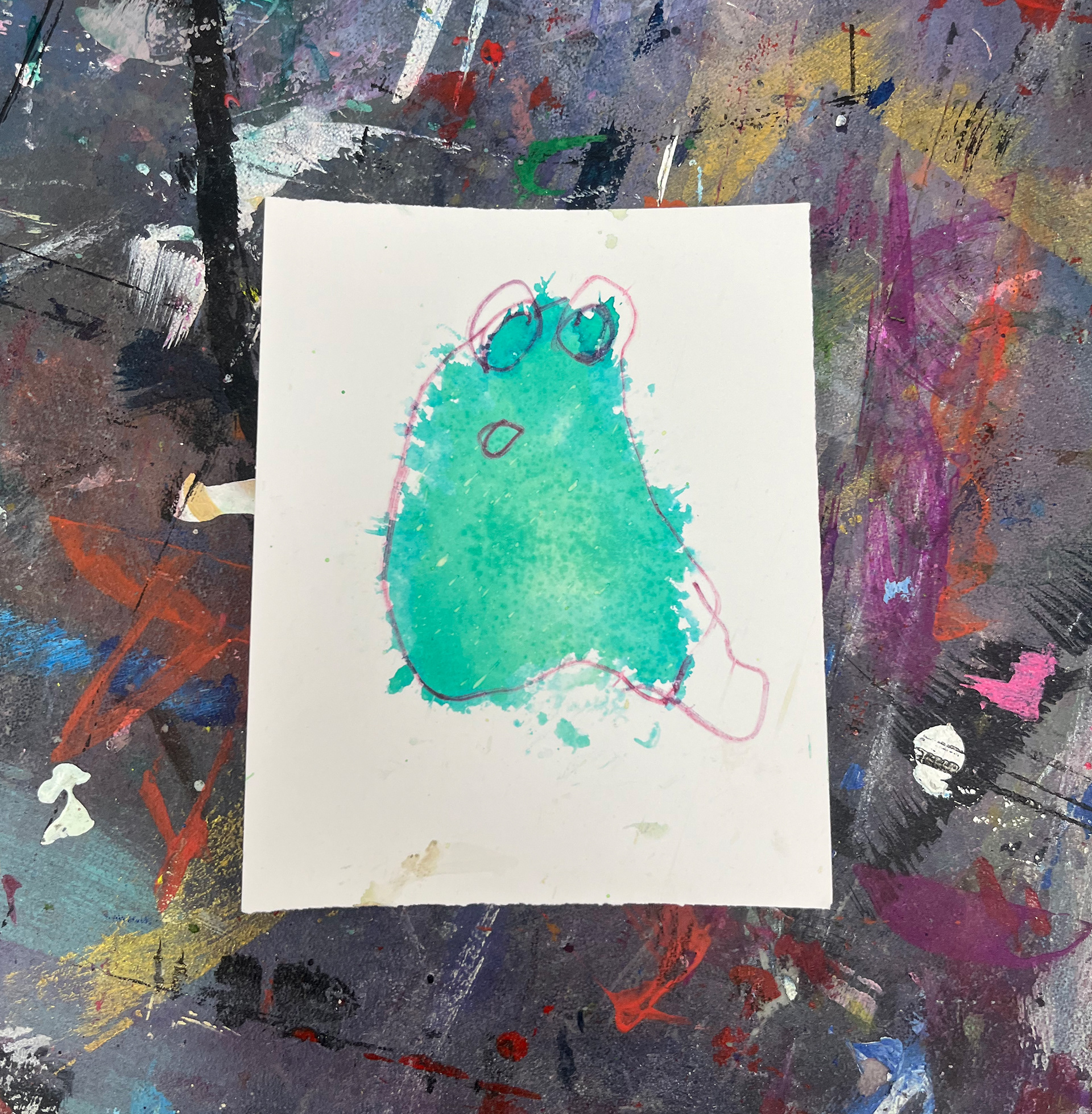
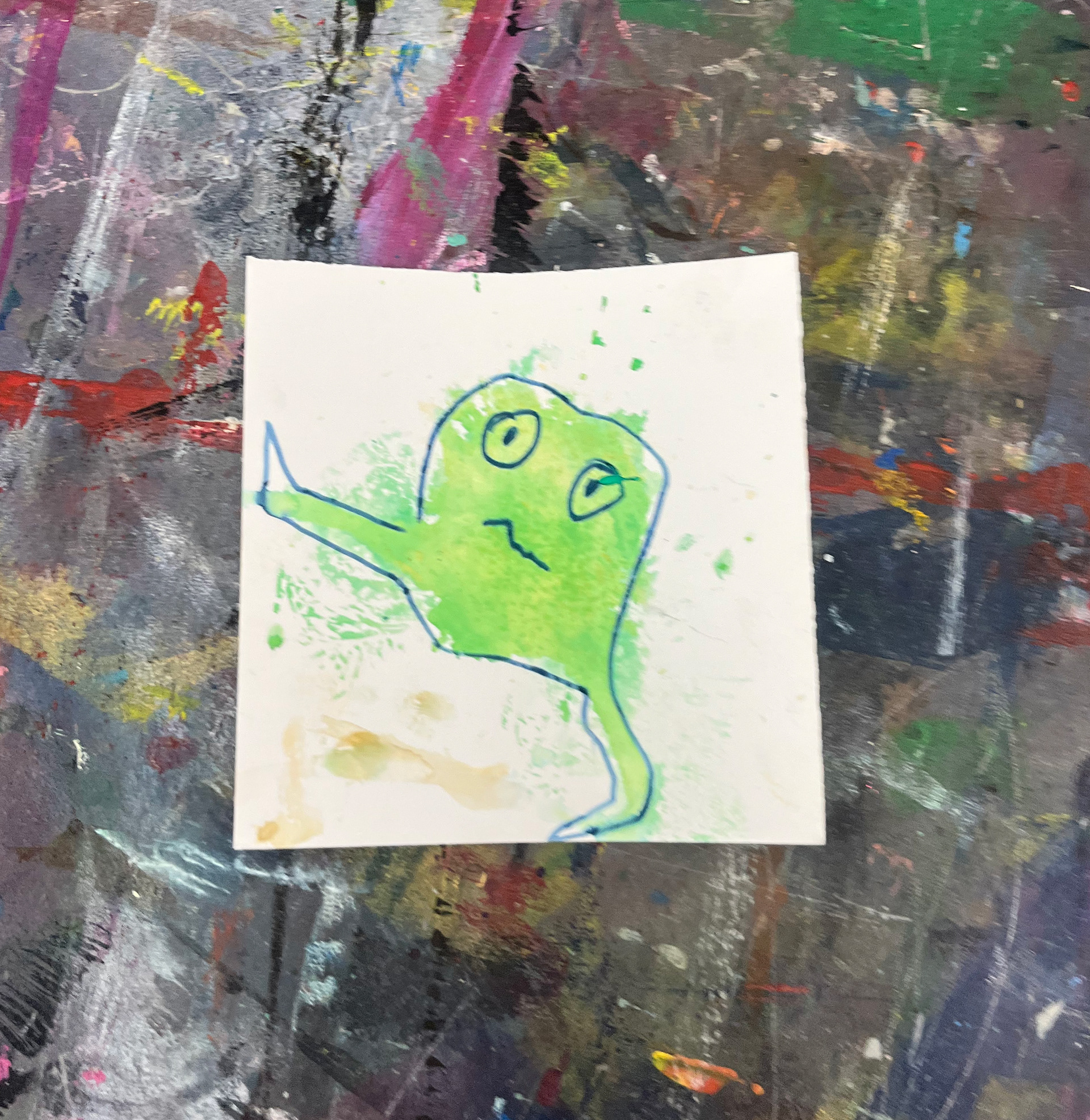
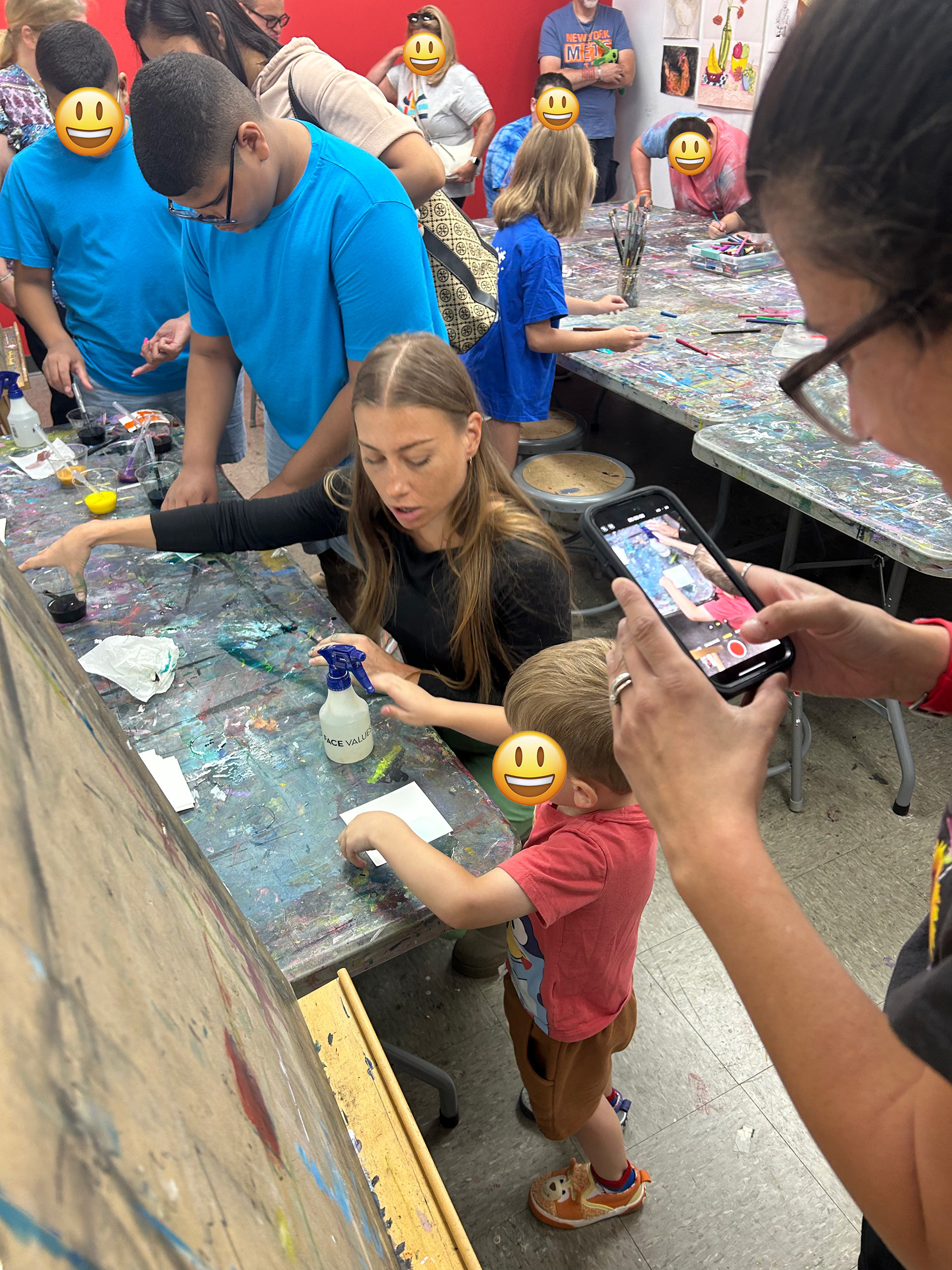
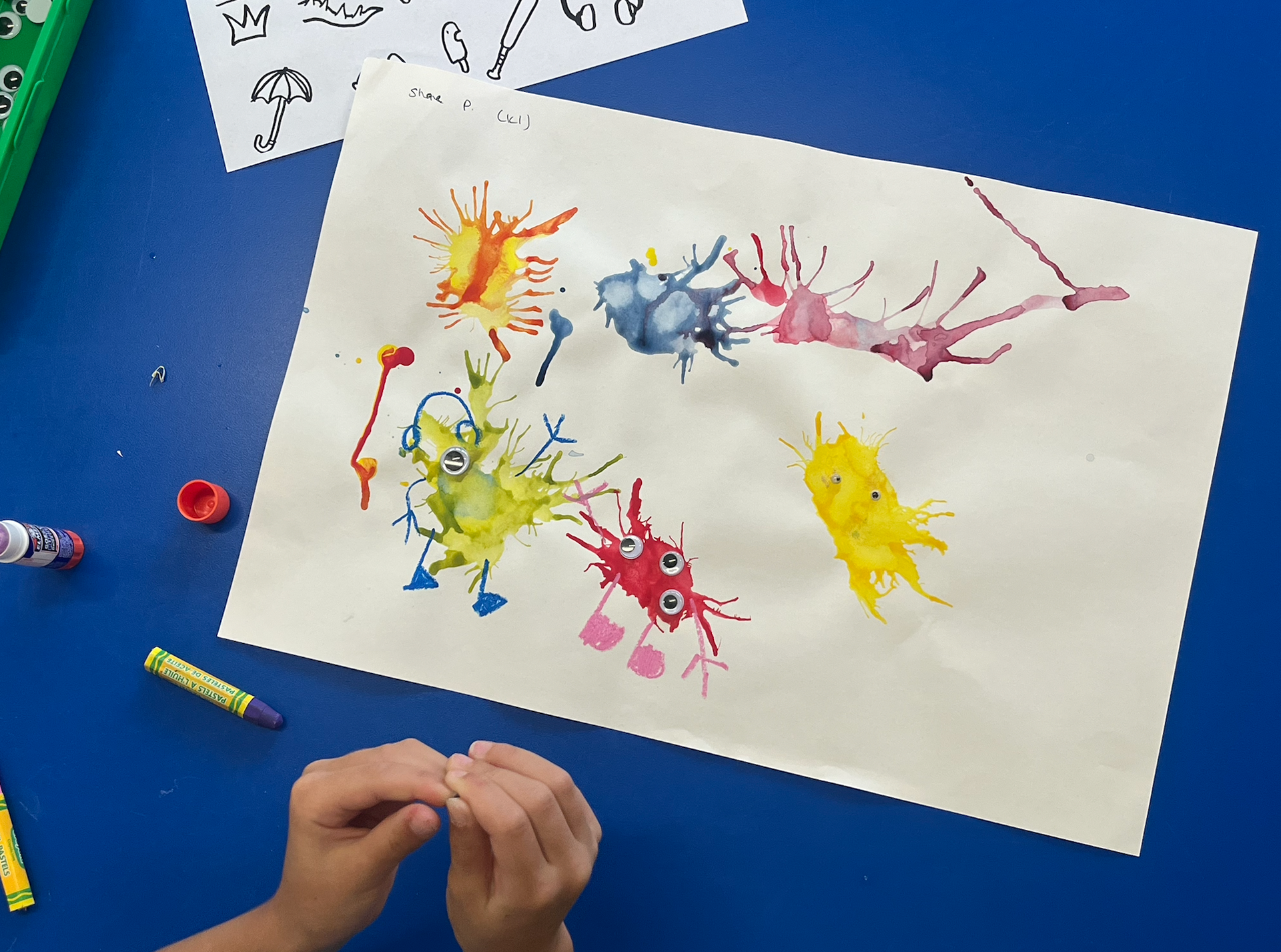
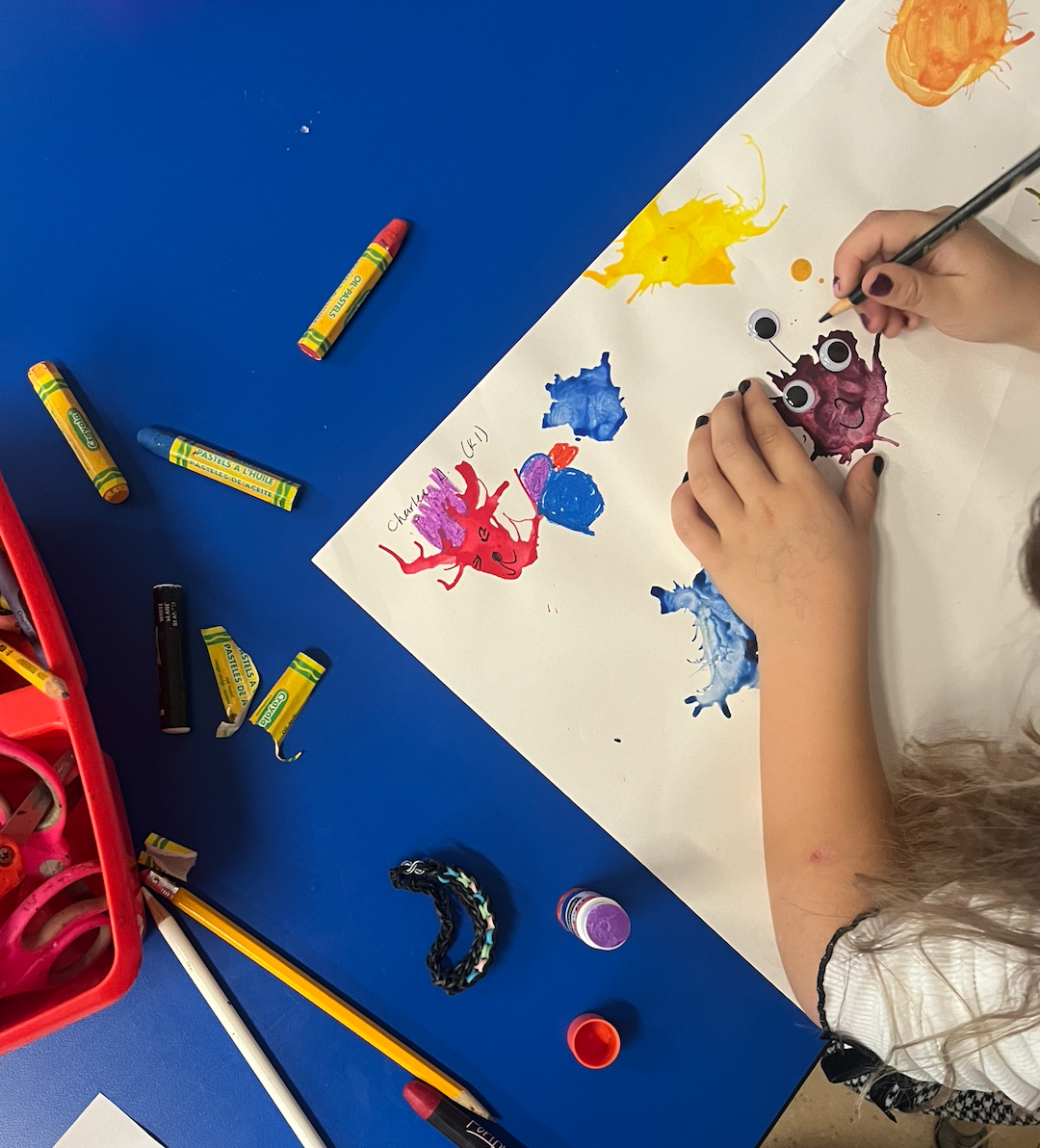
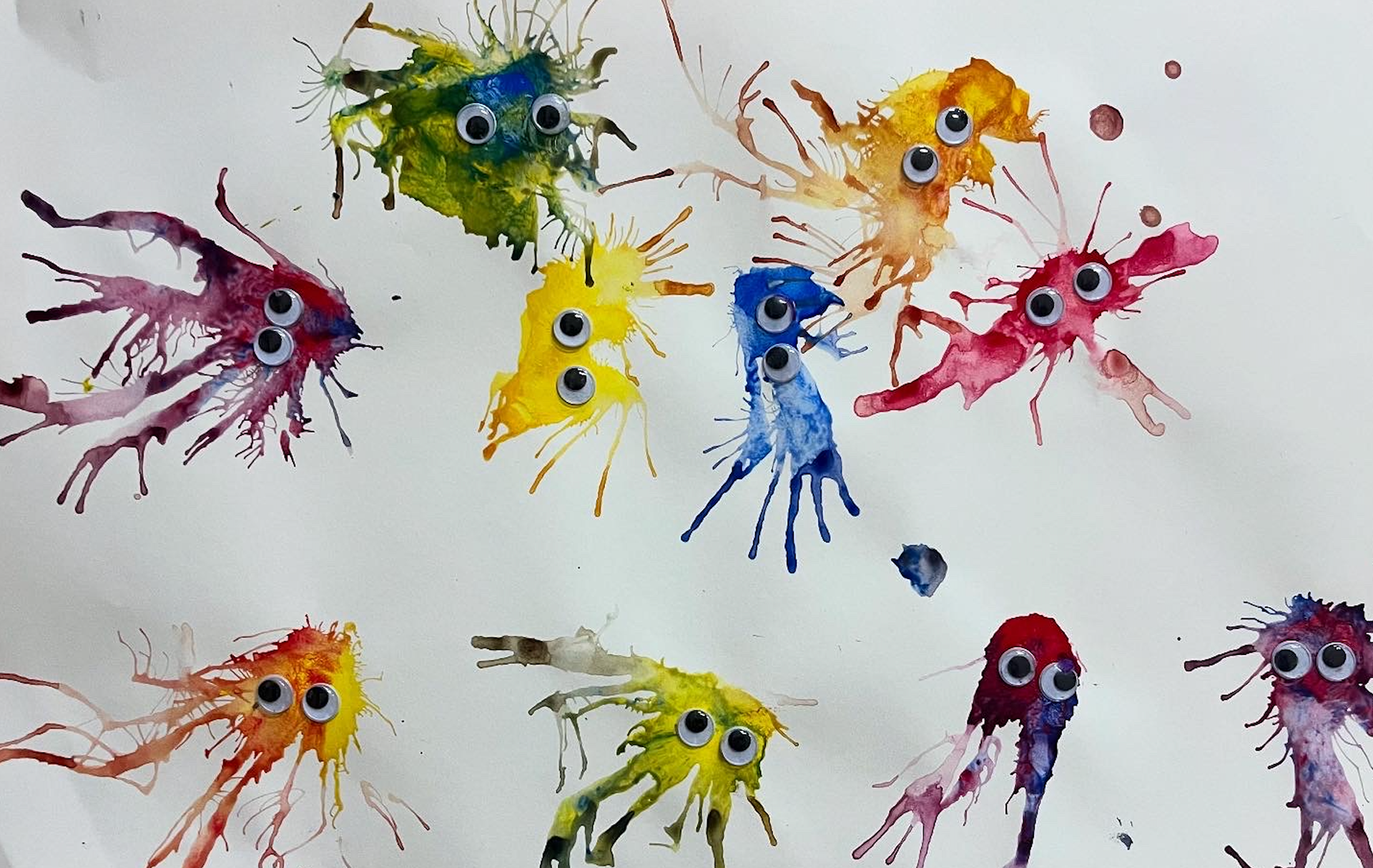
I had the opportunity to lead an Autism Awareness Art Workshop in collaboration with the Nassau Suffolk Autism Society of America (NSASA) through One River School of Art + Design. During the workshop, participants explored watercolor ink-blotting, using their imaginations to transform colorful silhouettes into playful creatures and characters. The workshop focused on creative freedom and self-expression, encouraging each young artist to see something different in their work and share their unique perspective. It was such a joy to watch their confidence grow as their ideas came to life through color and shape.
Elementary Art Lessons
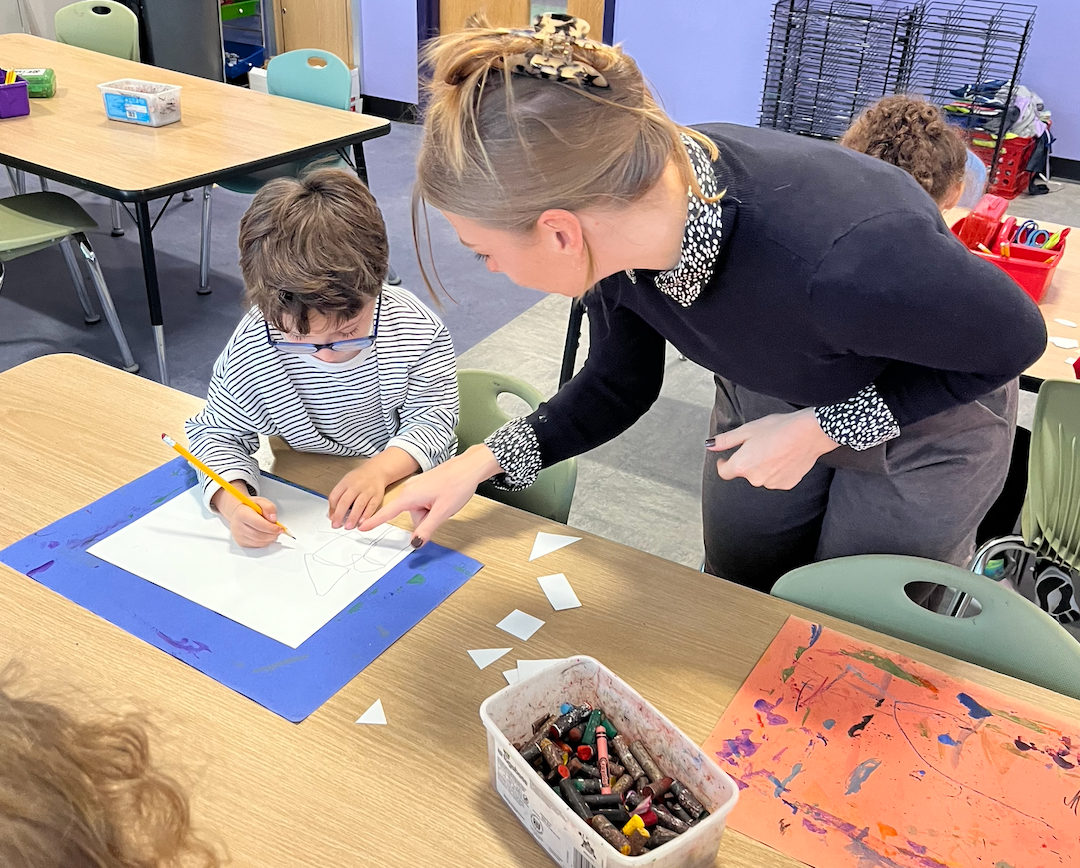
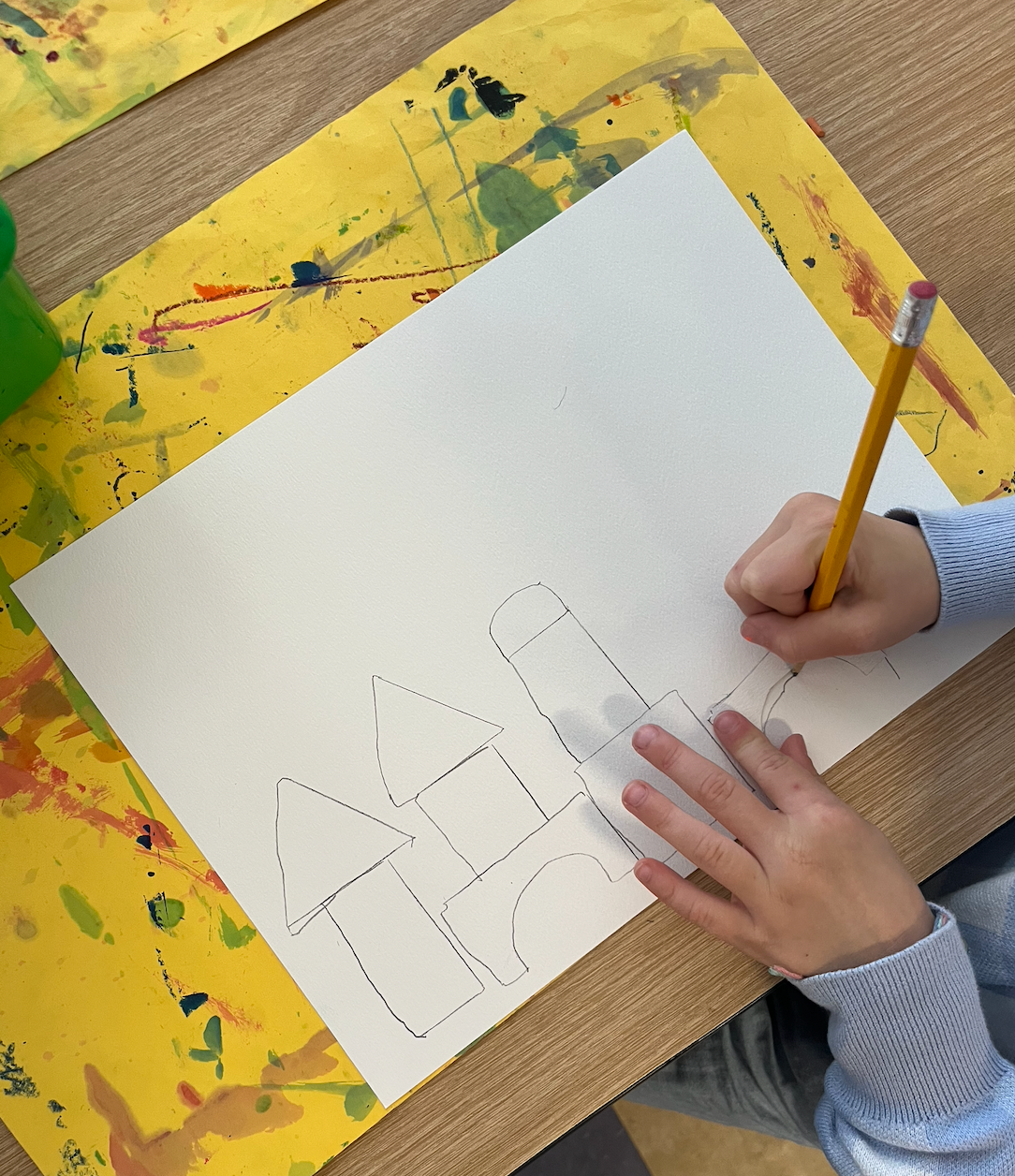
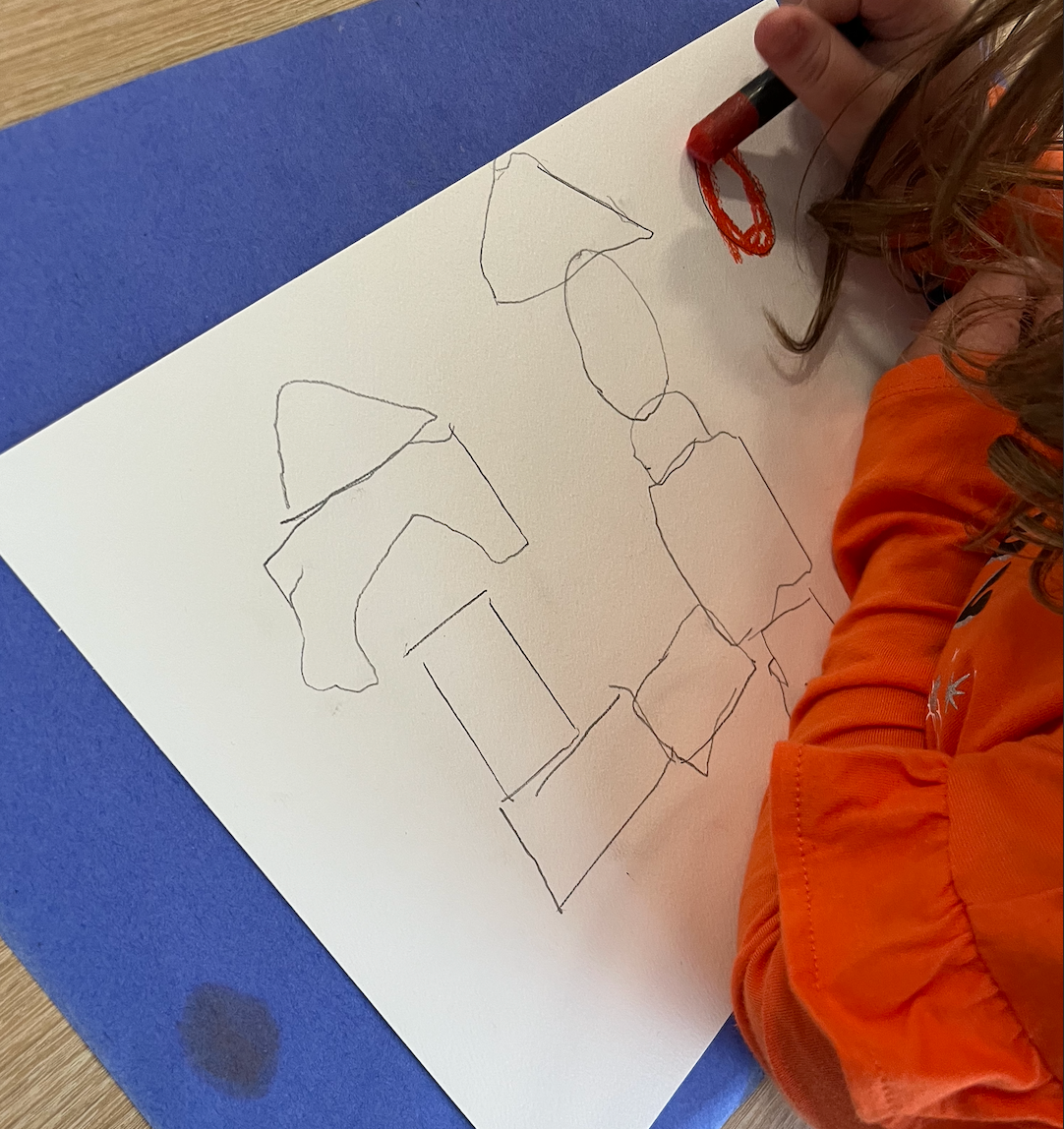
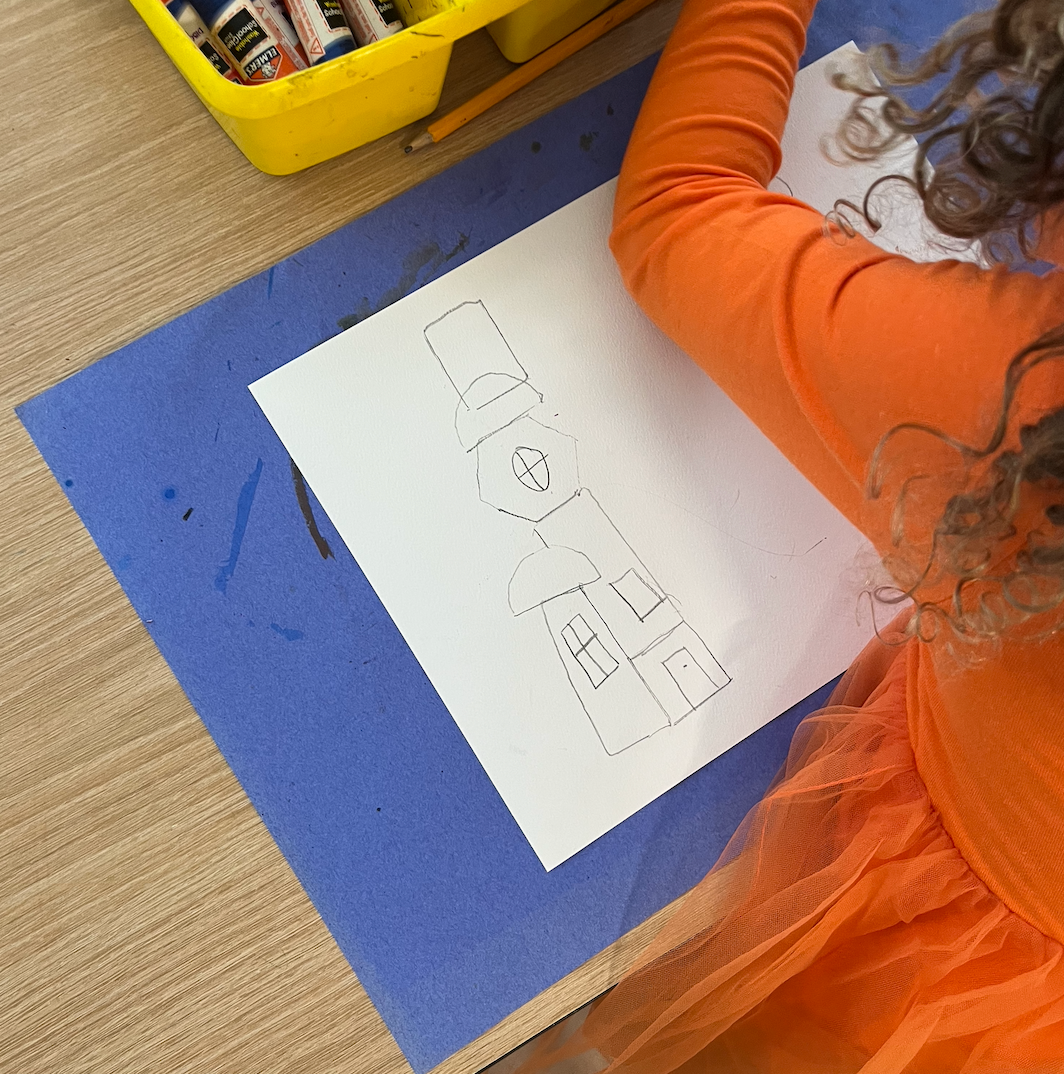
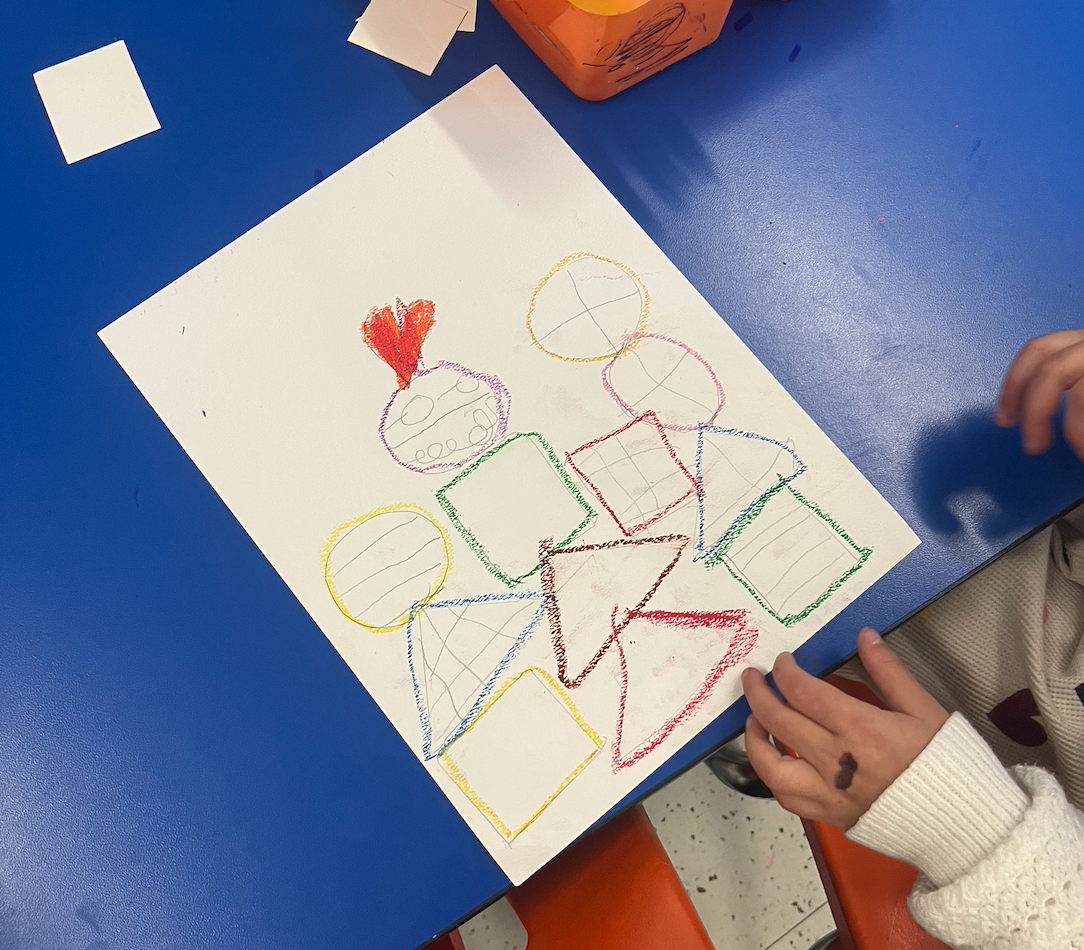
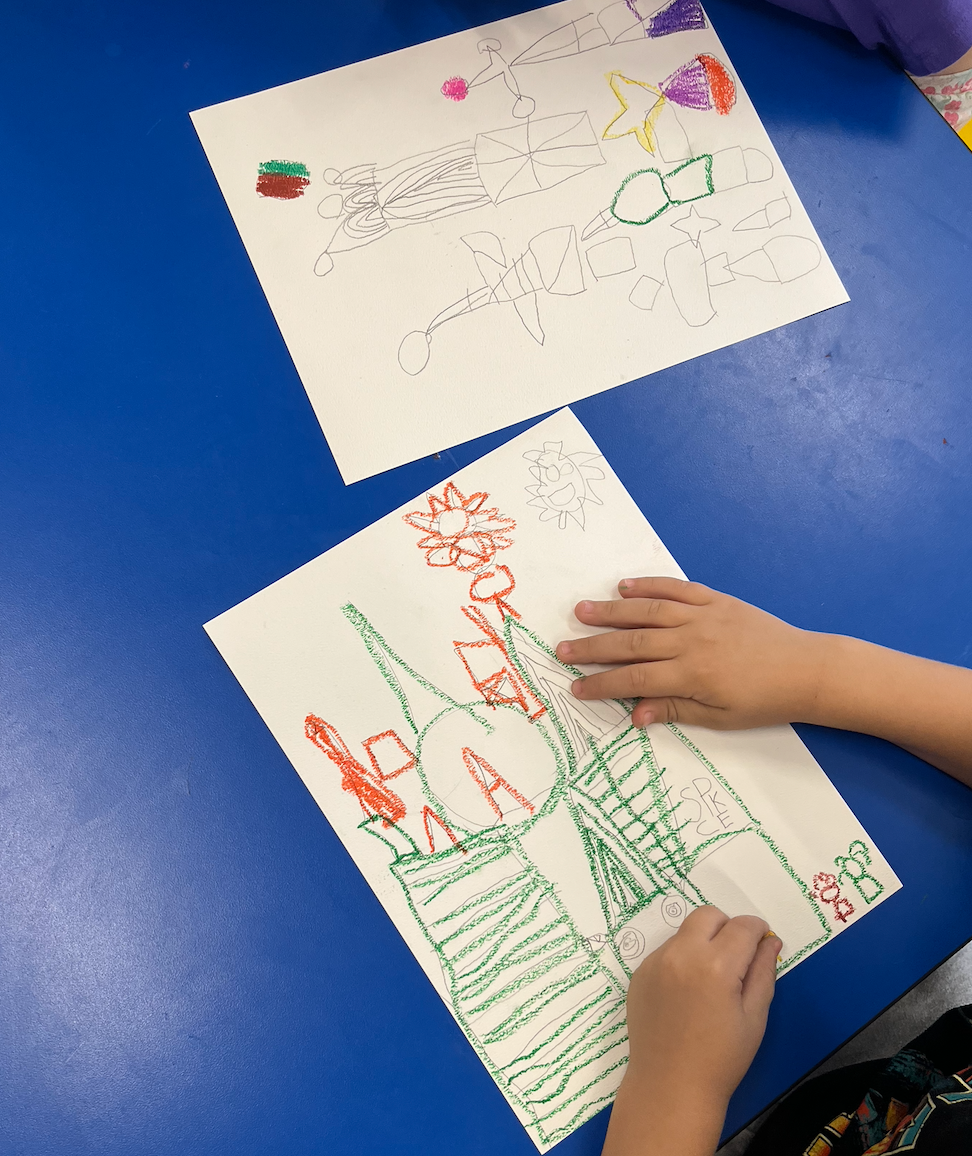
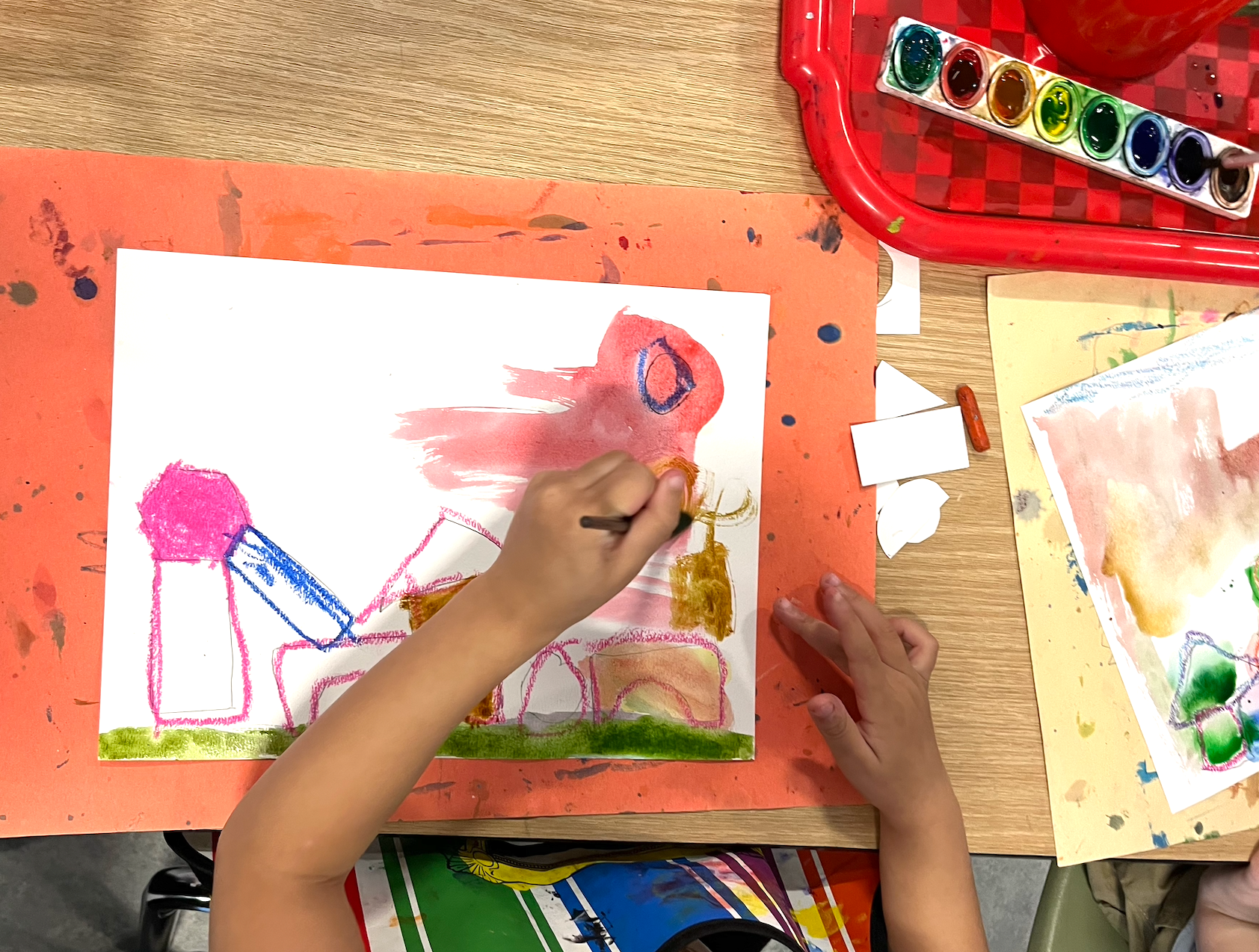
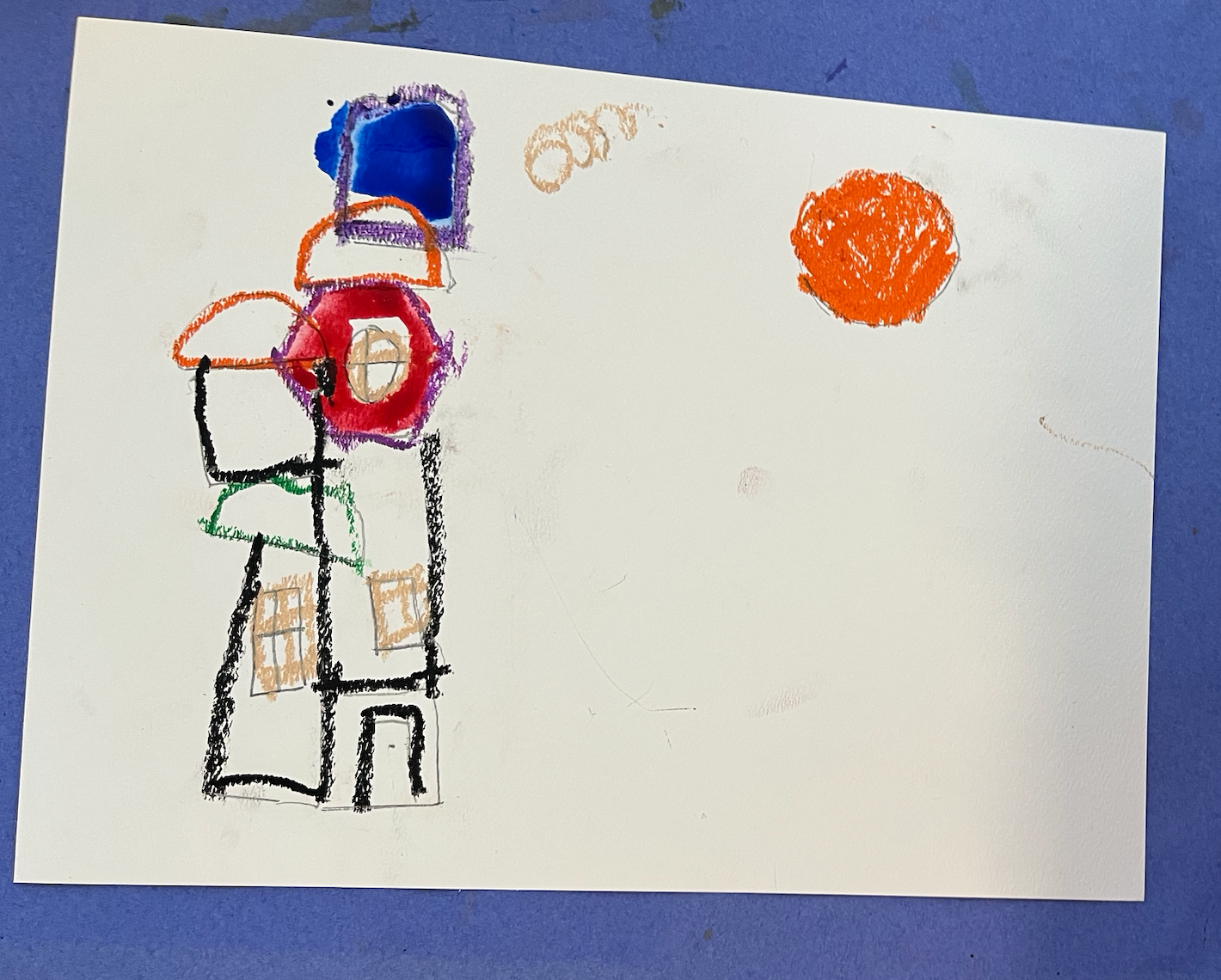
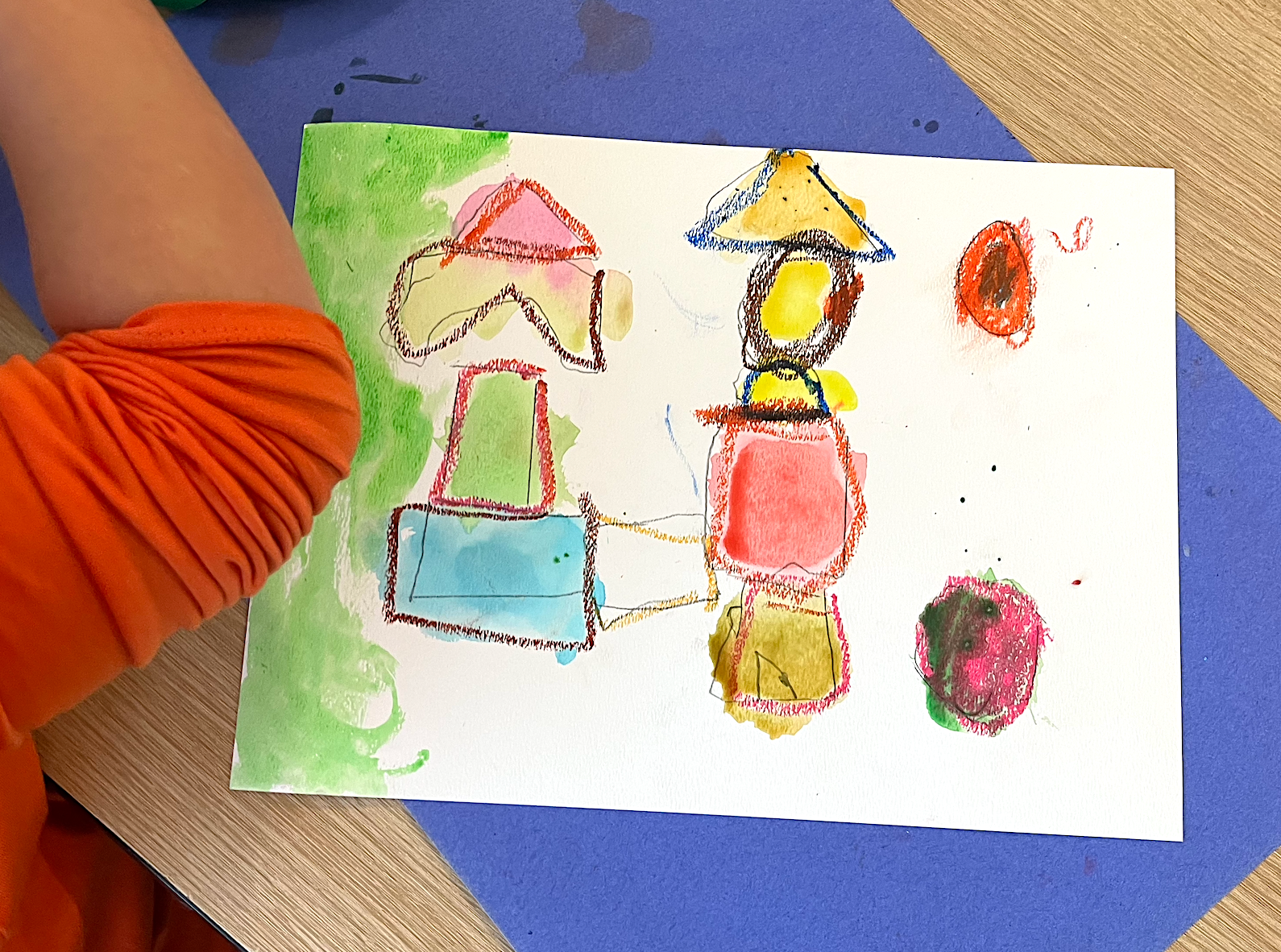
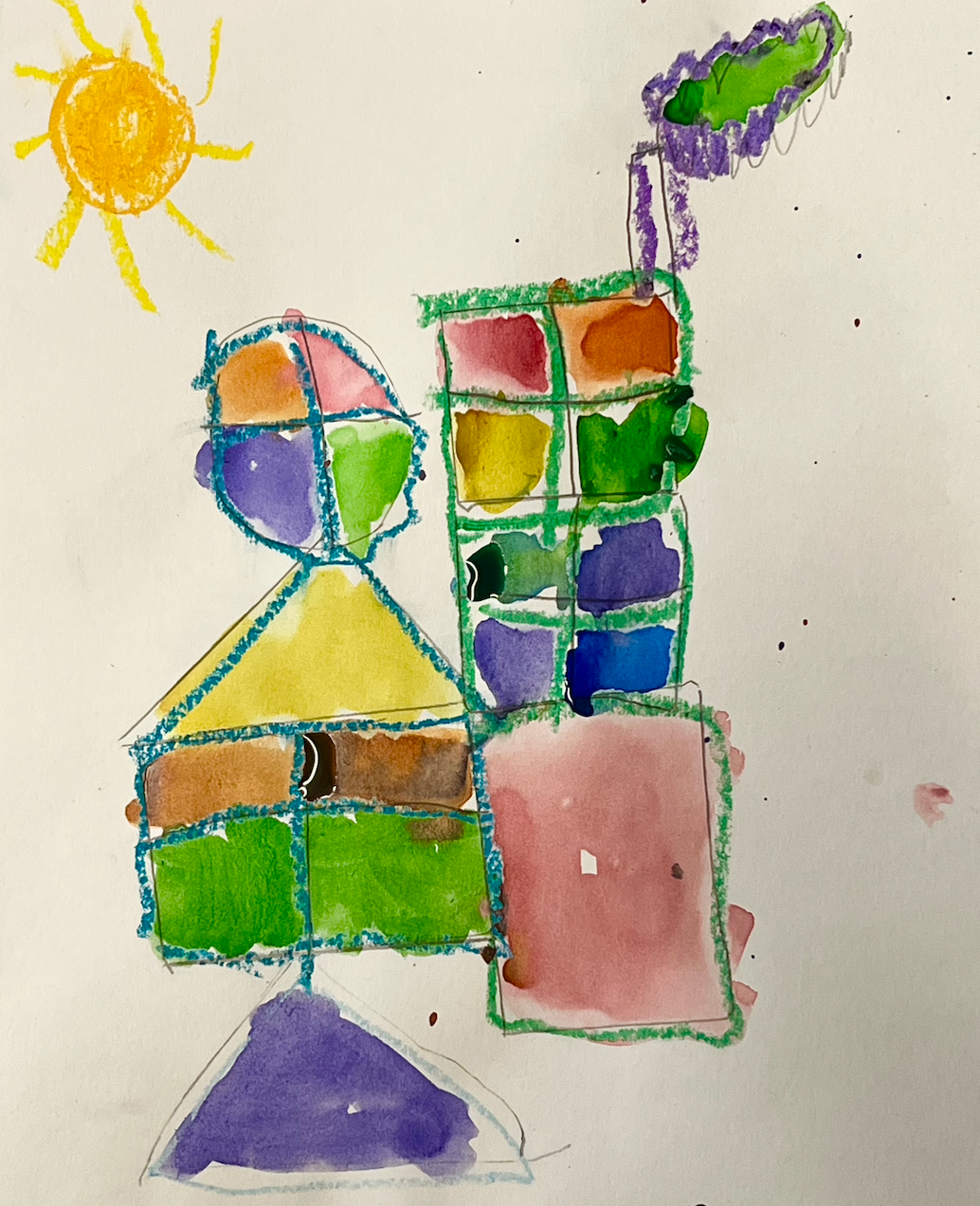
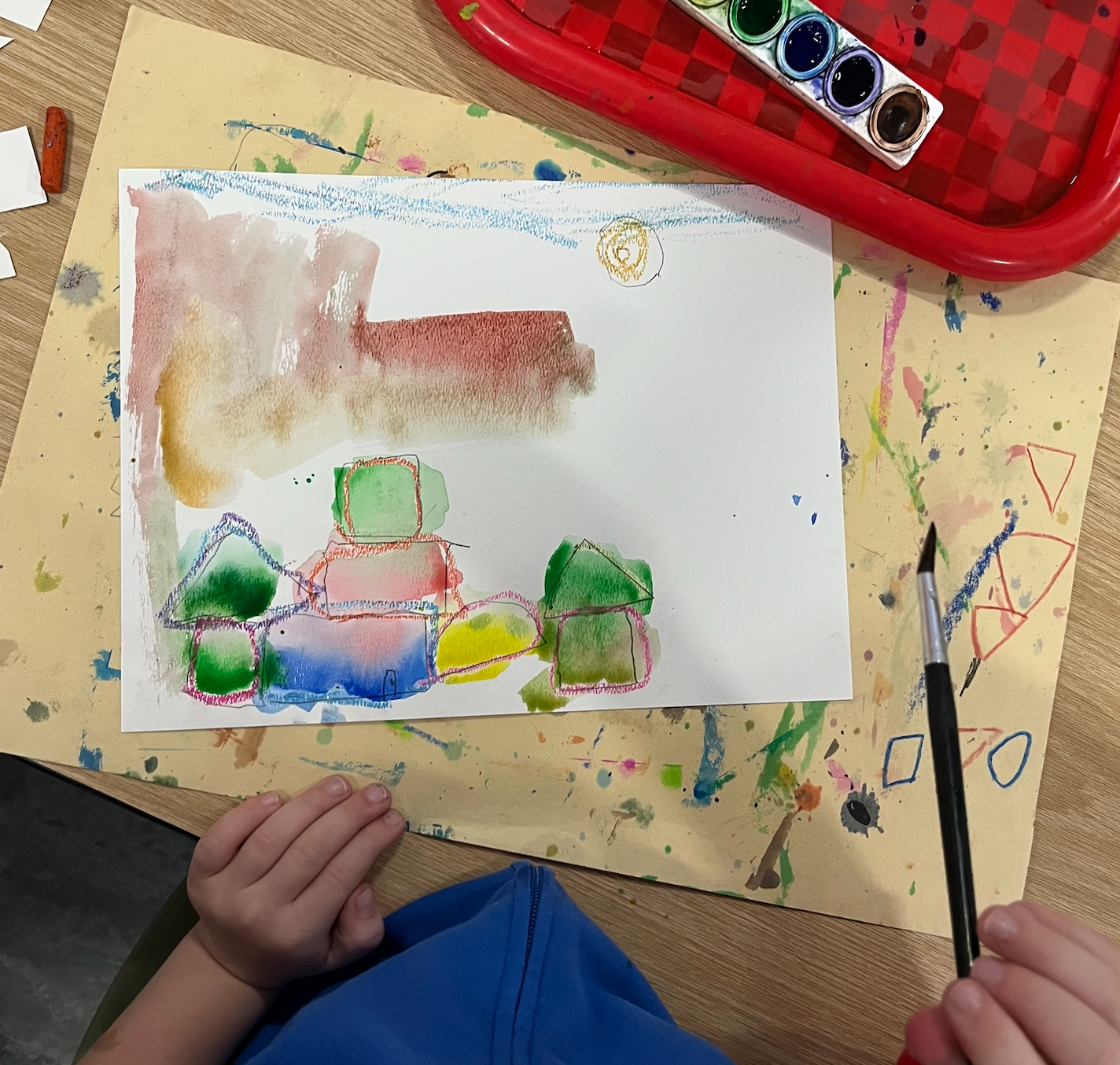
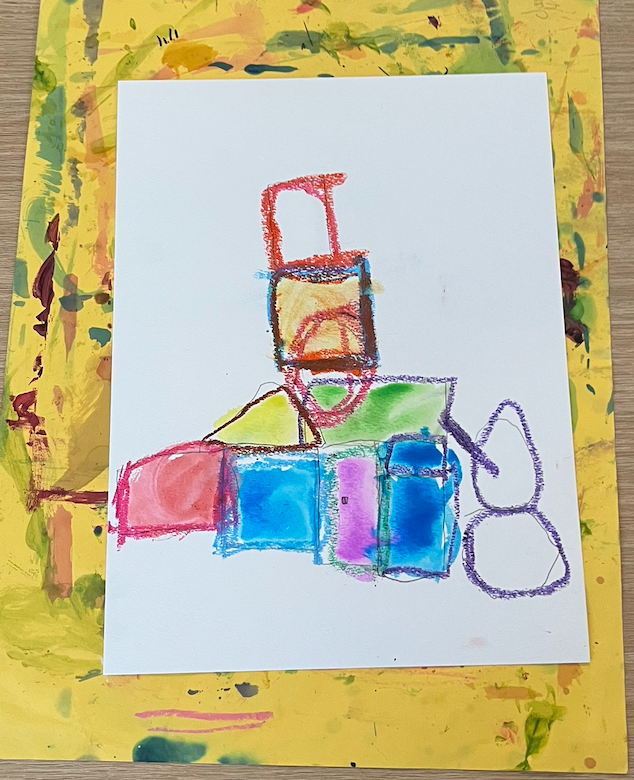
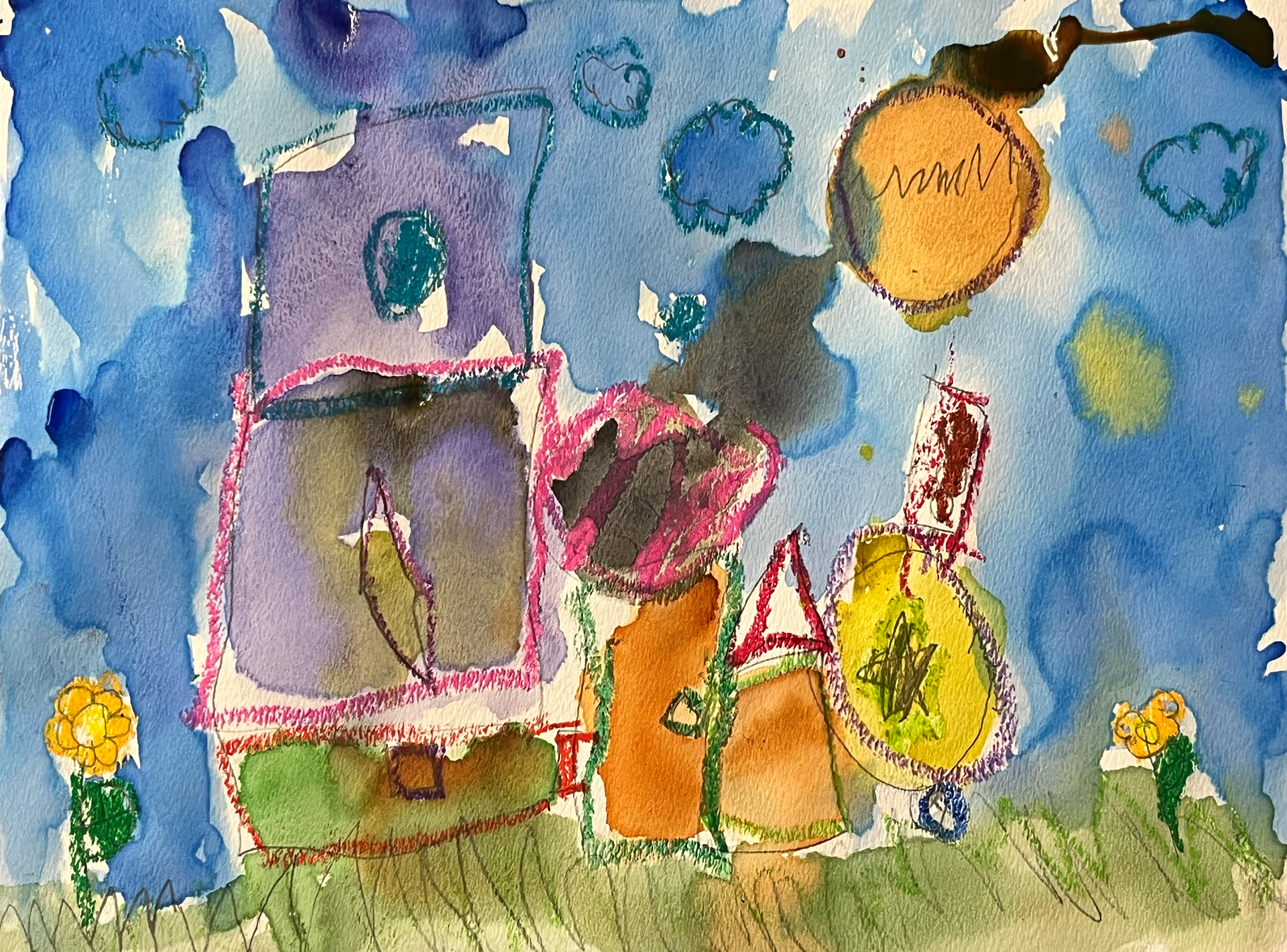
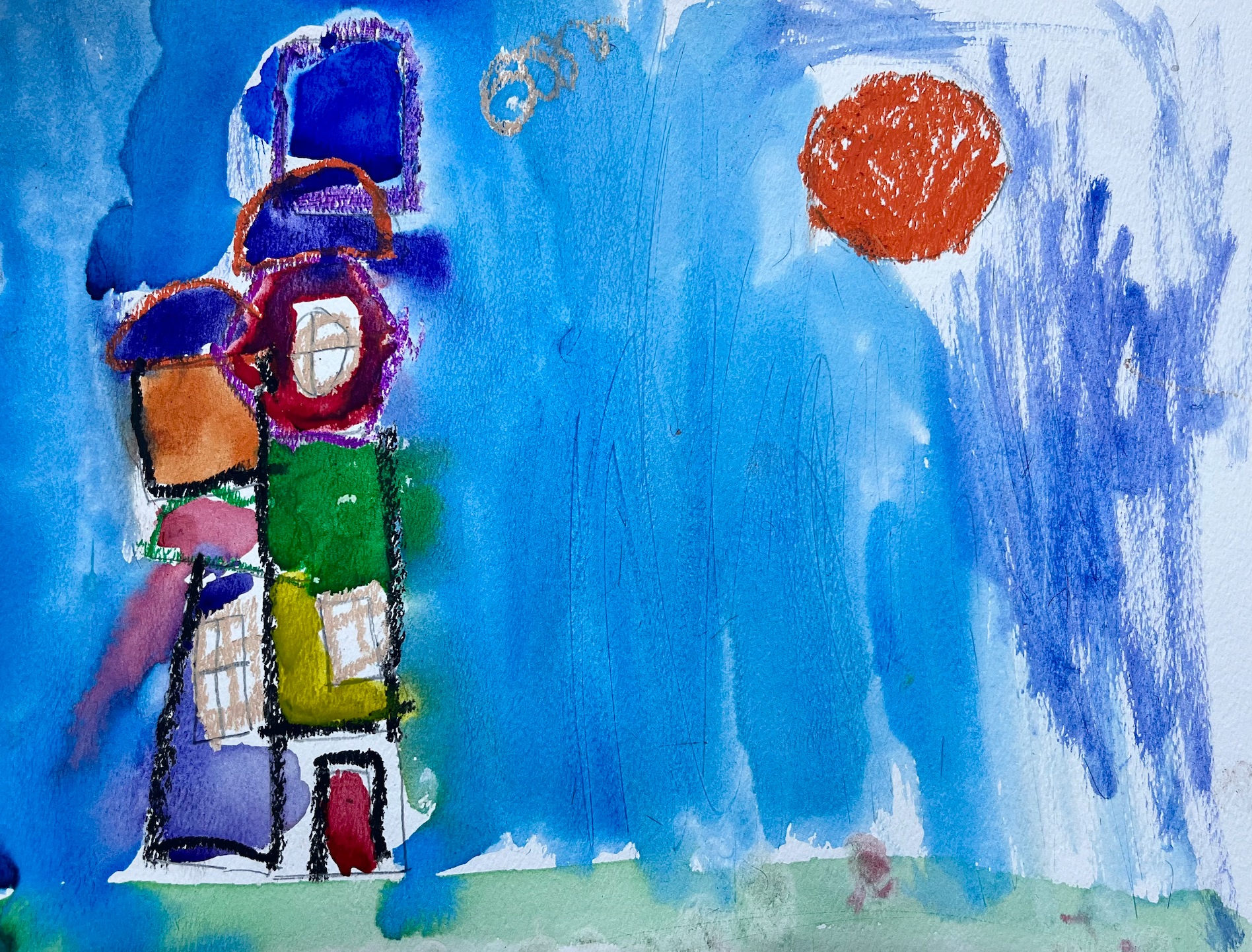
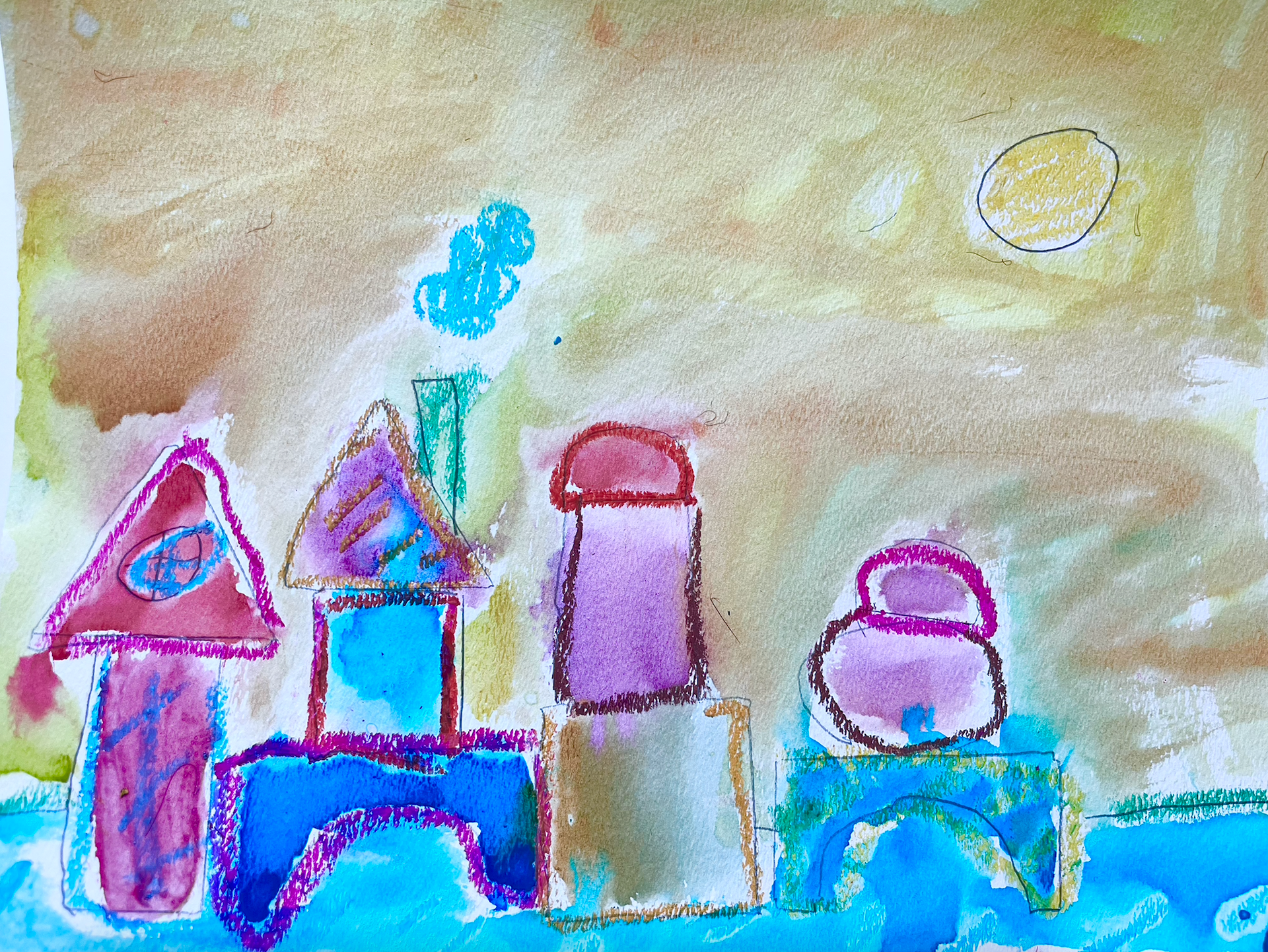
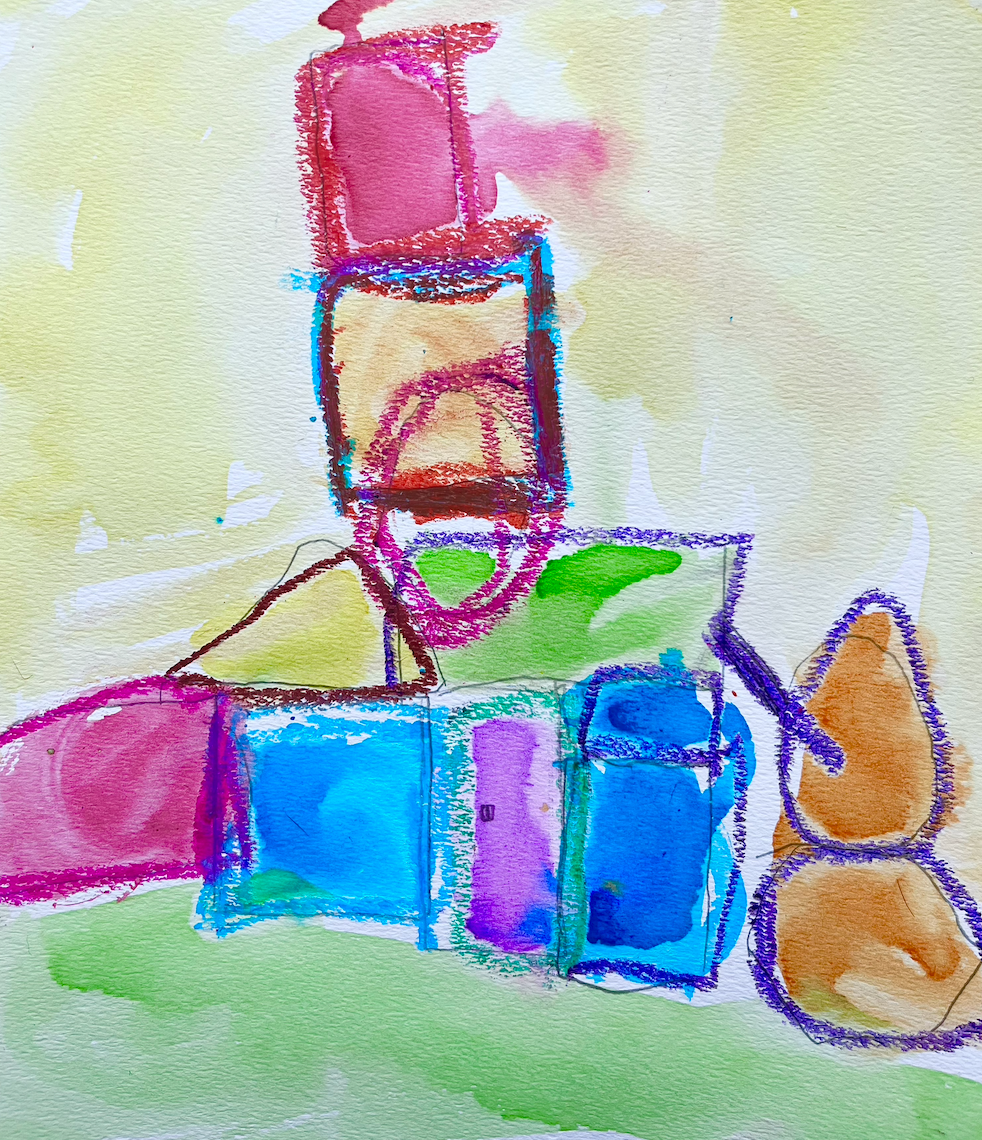
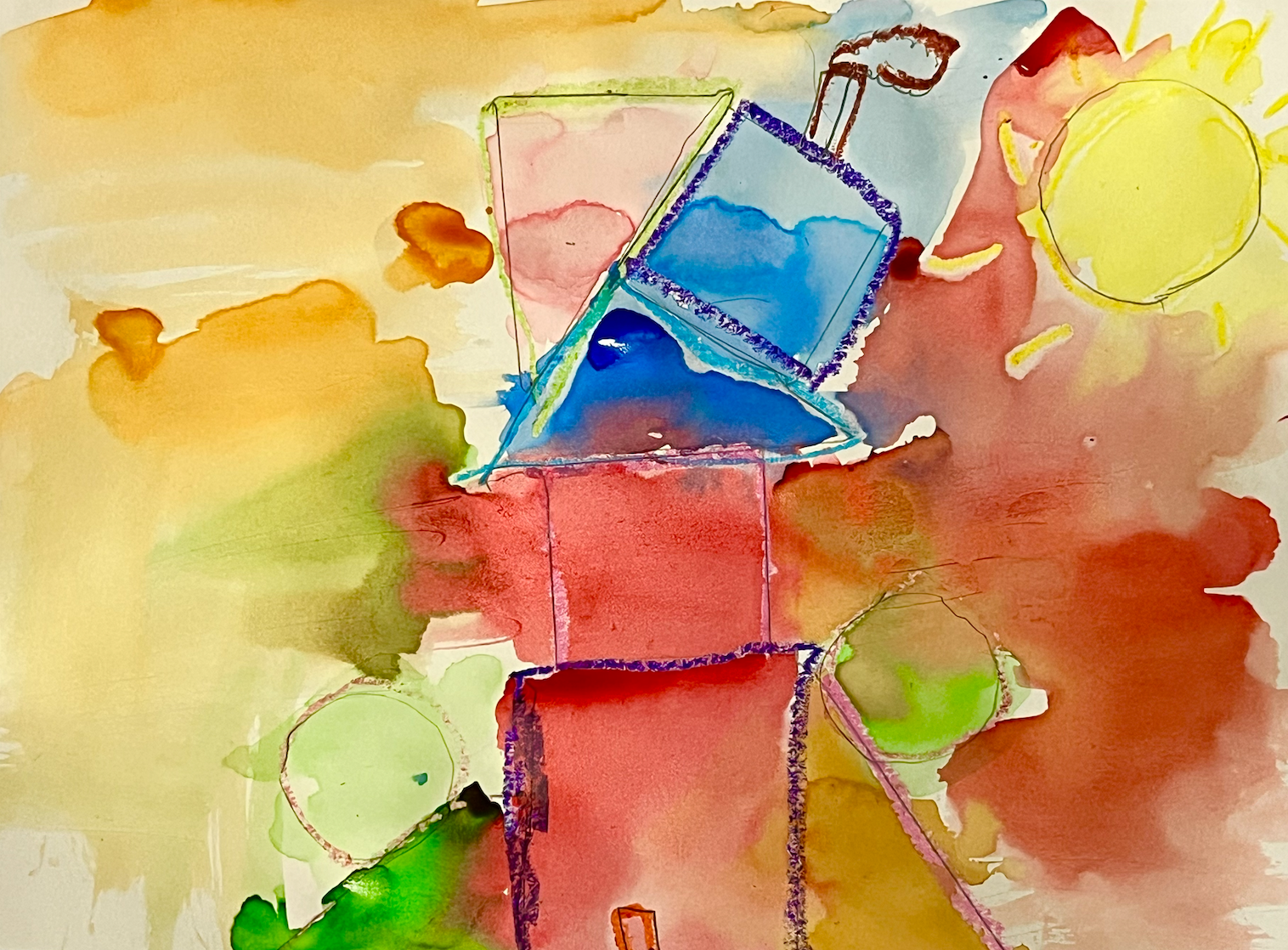
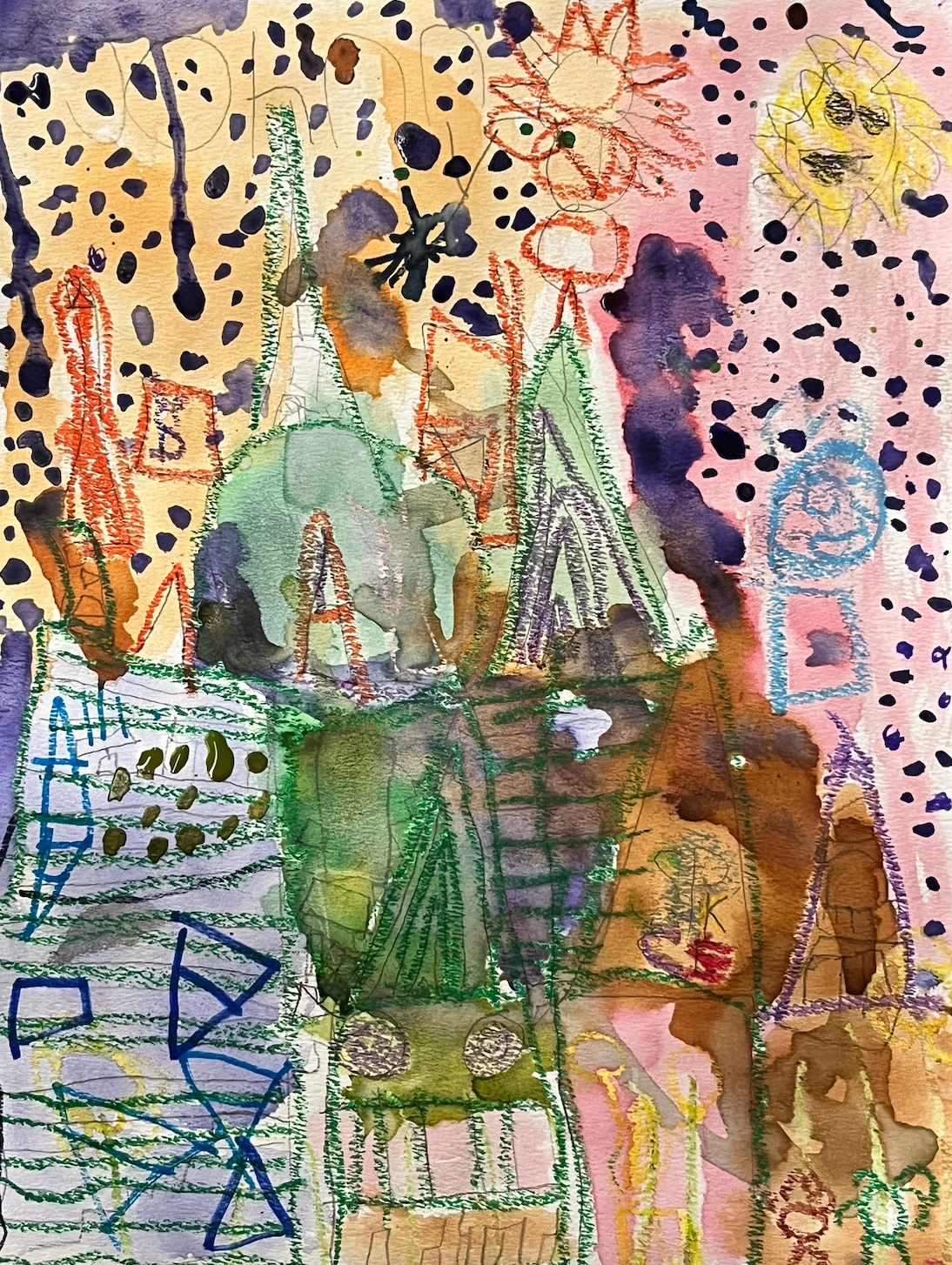
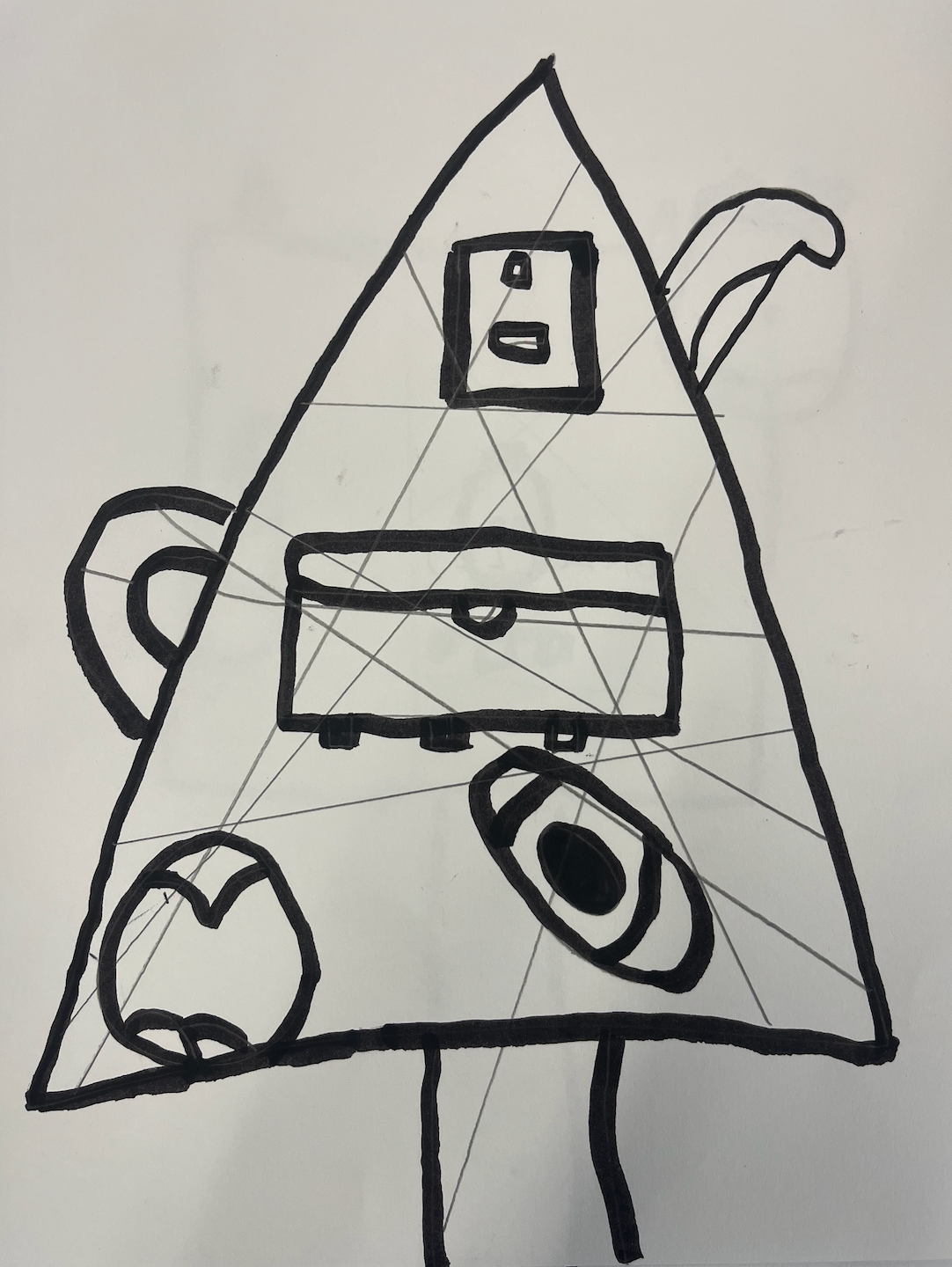
Imaginary Castle - Kindergarten Art Lesson
In this two-day lesson, students explored the art element of shape by creating their own abstract castles inspired by Paul Klee’s Castle and Sun. Through guided discussion, demonstration, and hands-on exploration, students used oil pastels and watercolor resist techniques to design colorful, geometric compositions. The lesson emphasized imaginative play, experimentation with media, and the relationship between line, shape, and color. Students demonstrated understanding by creating unique castle artworks that reflected both technical skill and personal creativity, while building foundational vocabulary in abstract art and composition.
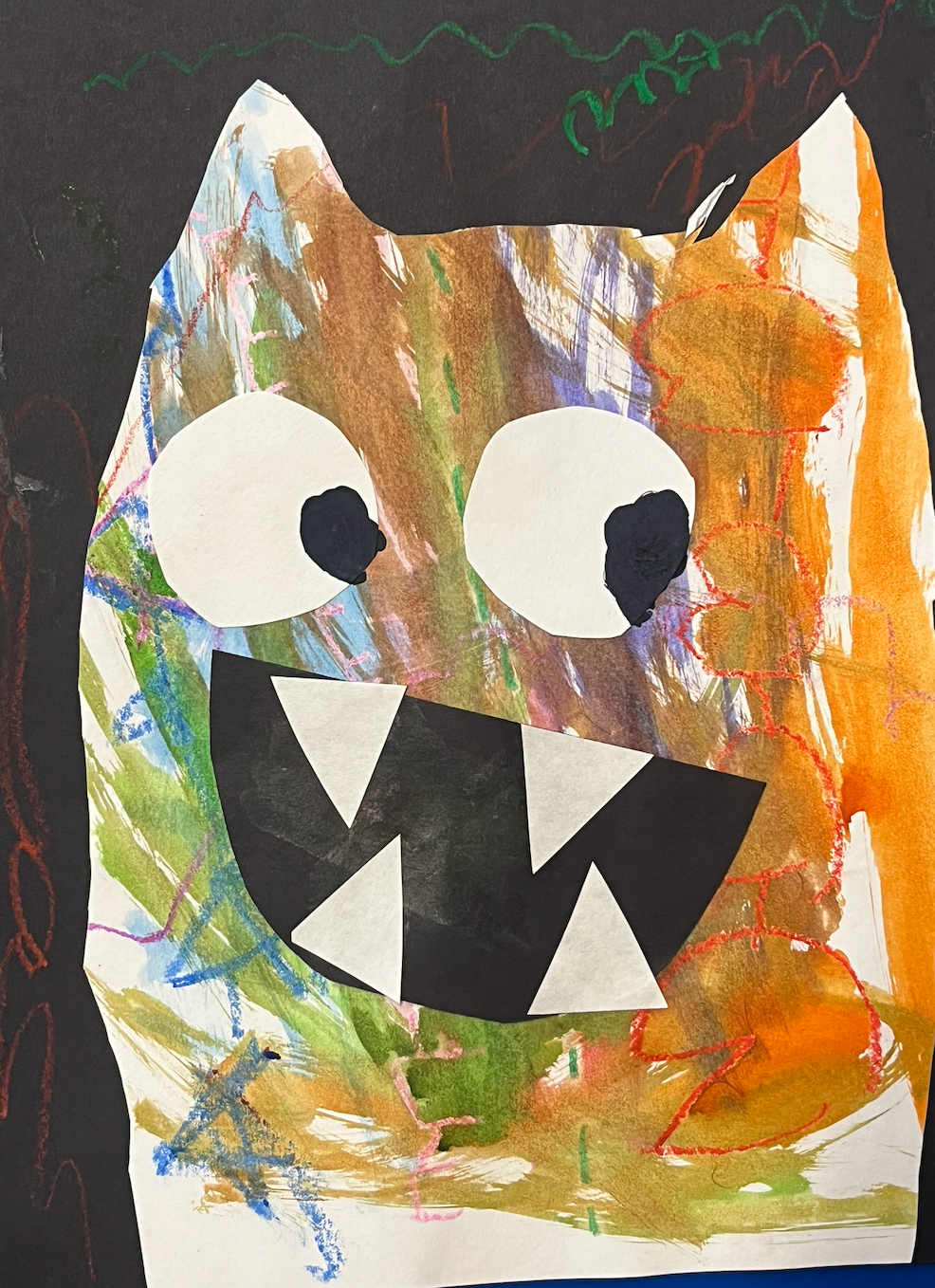
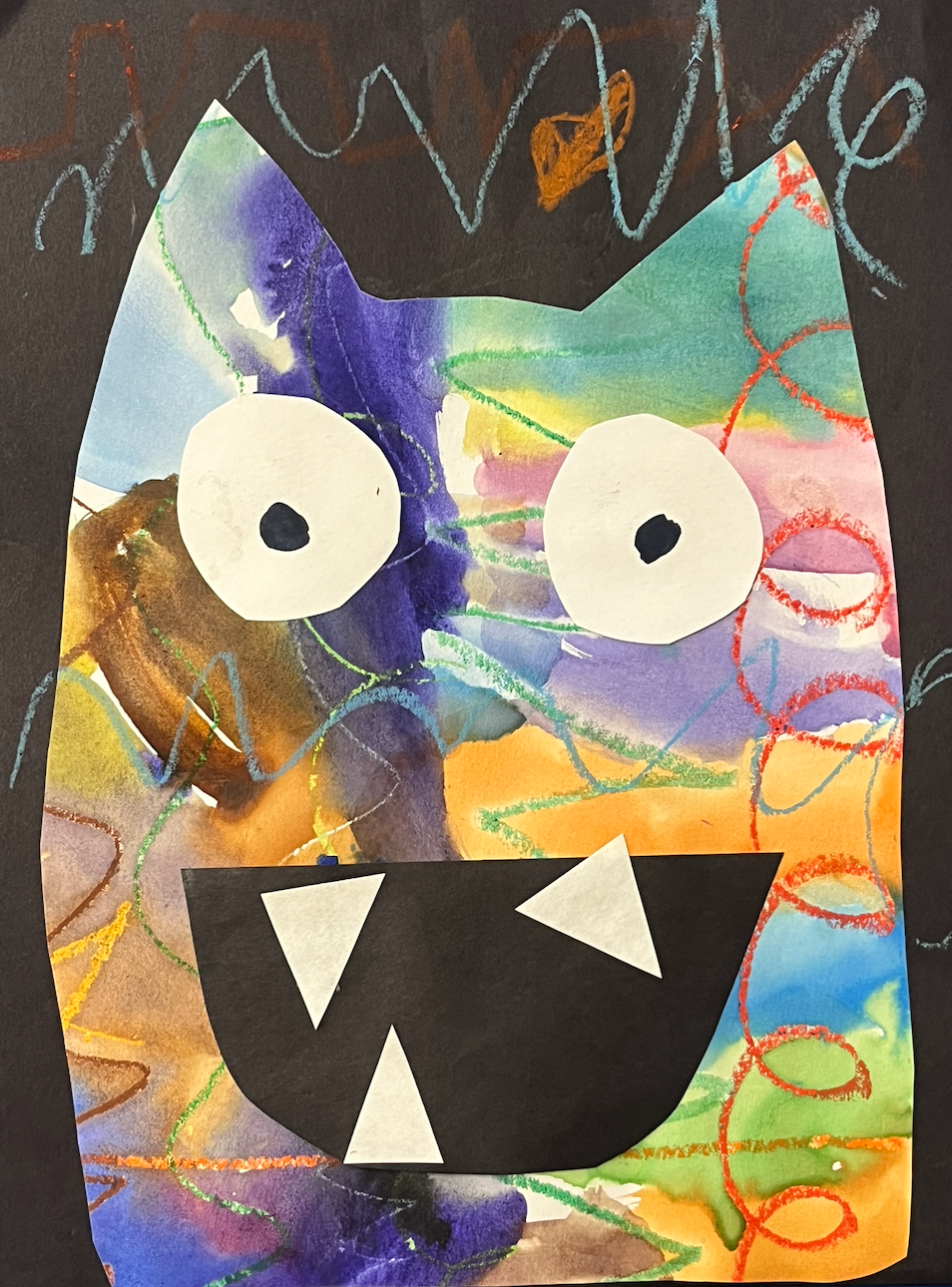
Line Monsters - Kindergarten Art Lesson
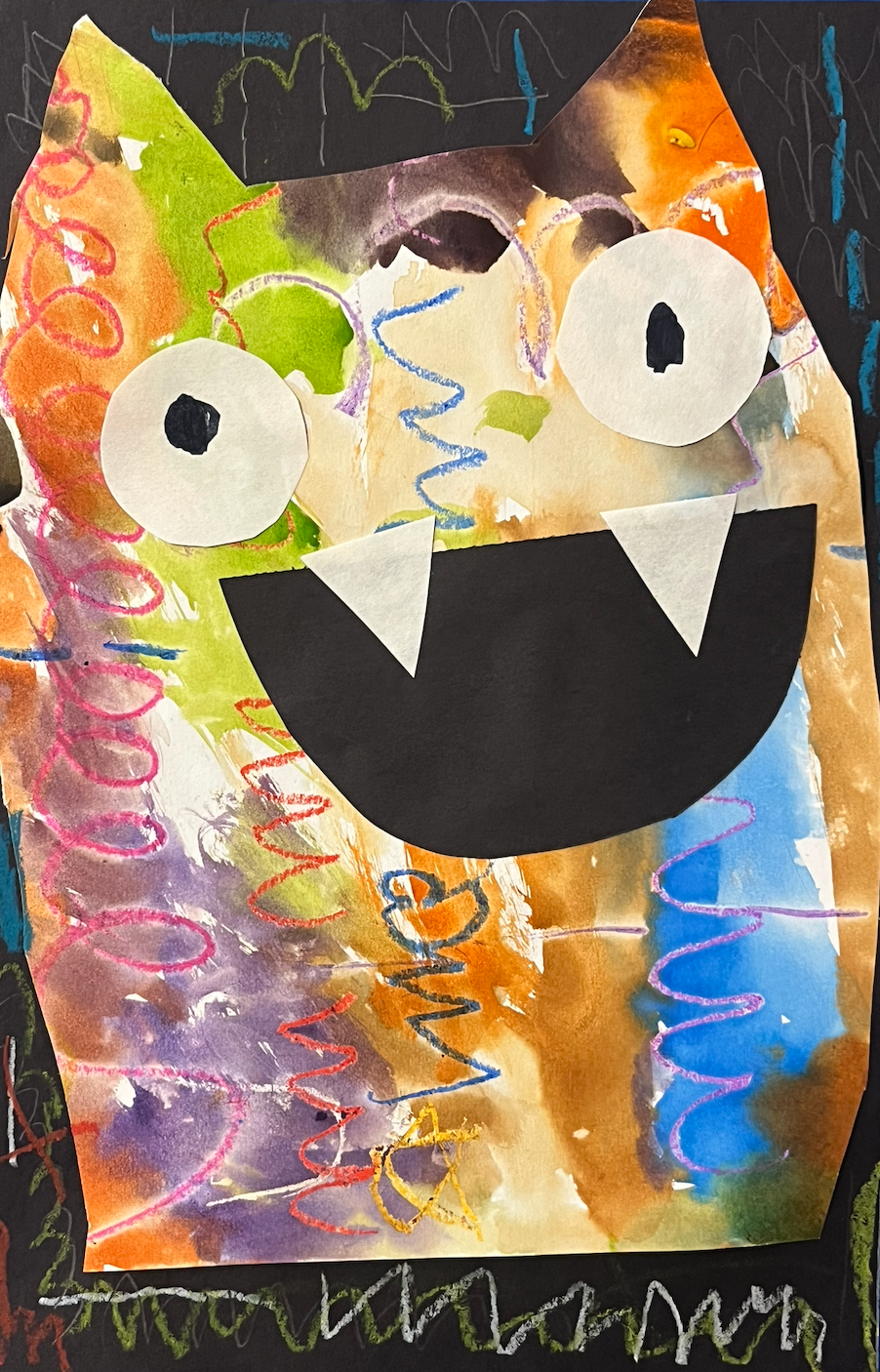
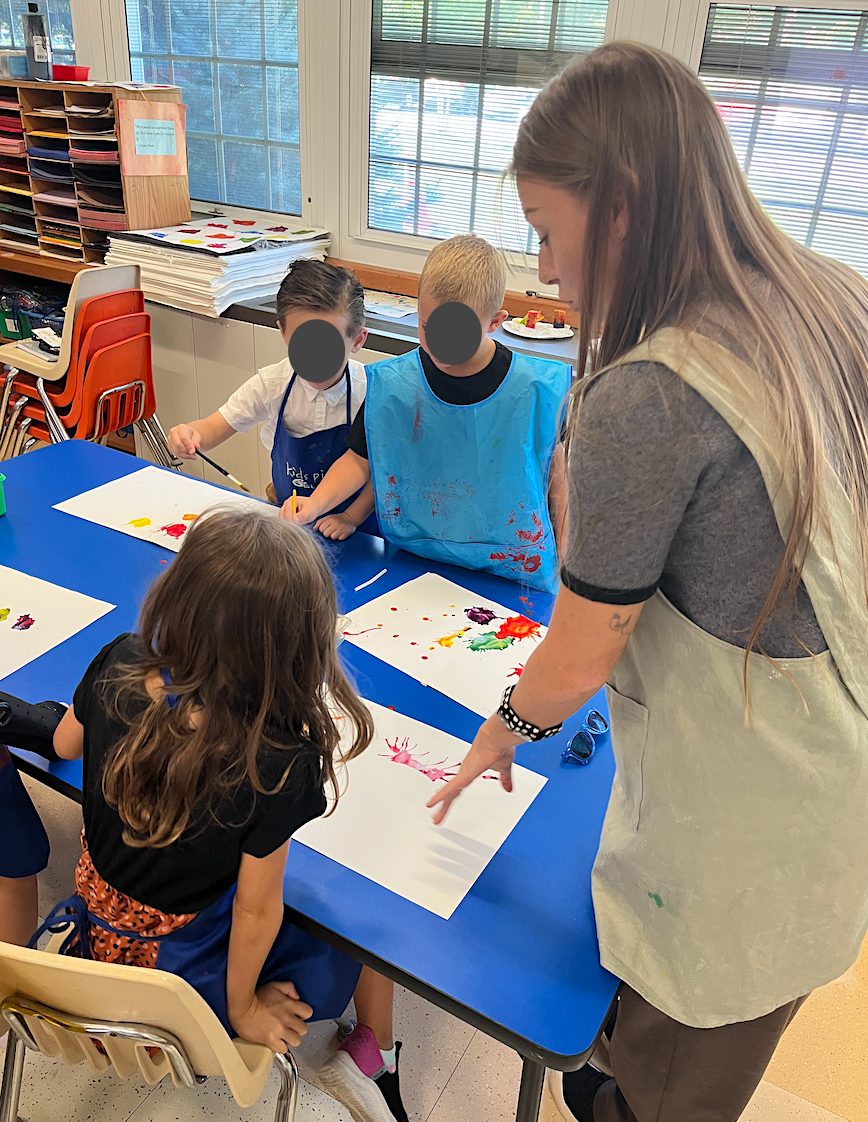
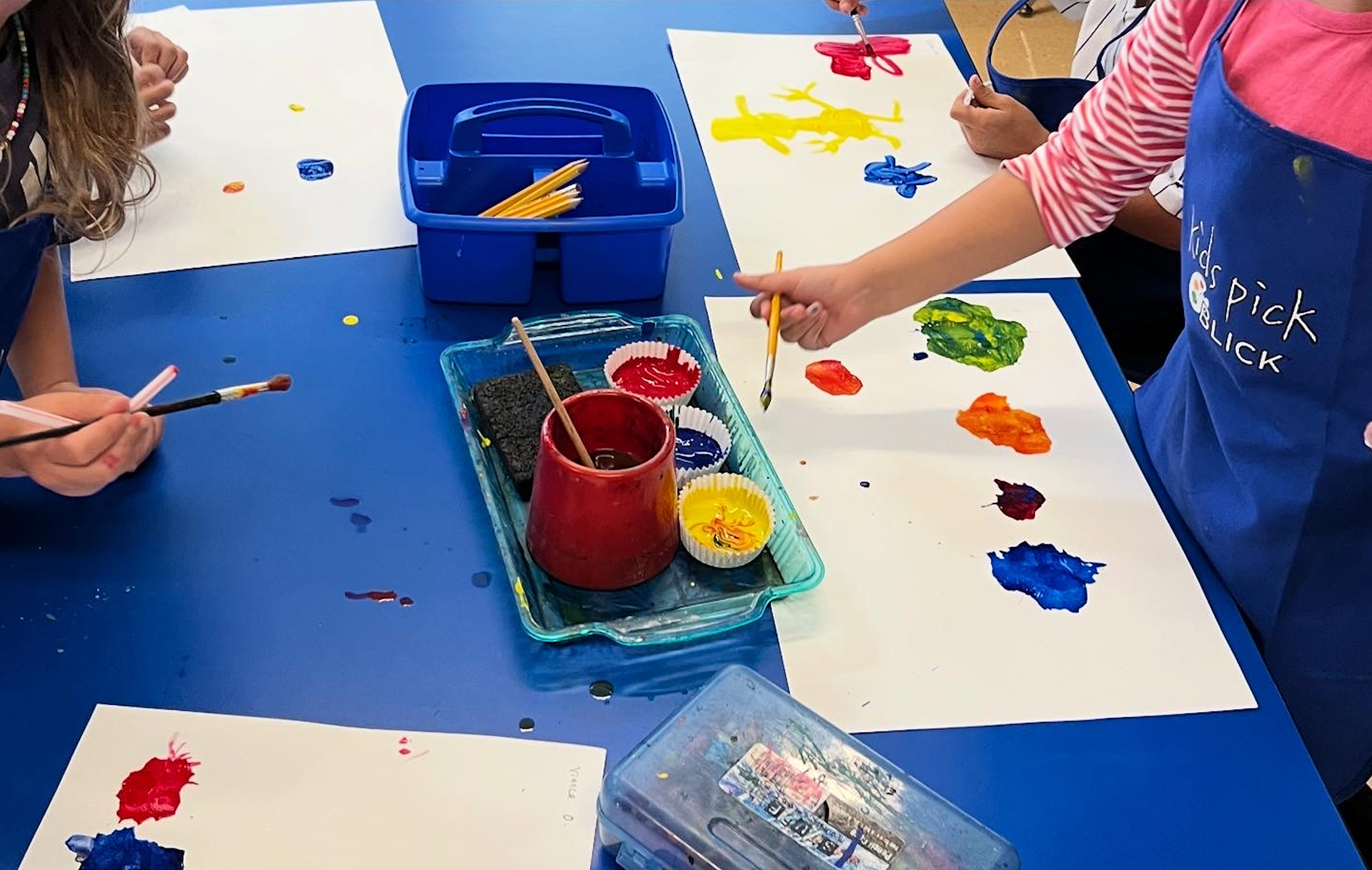
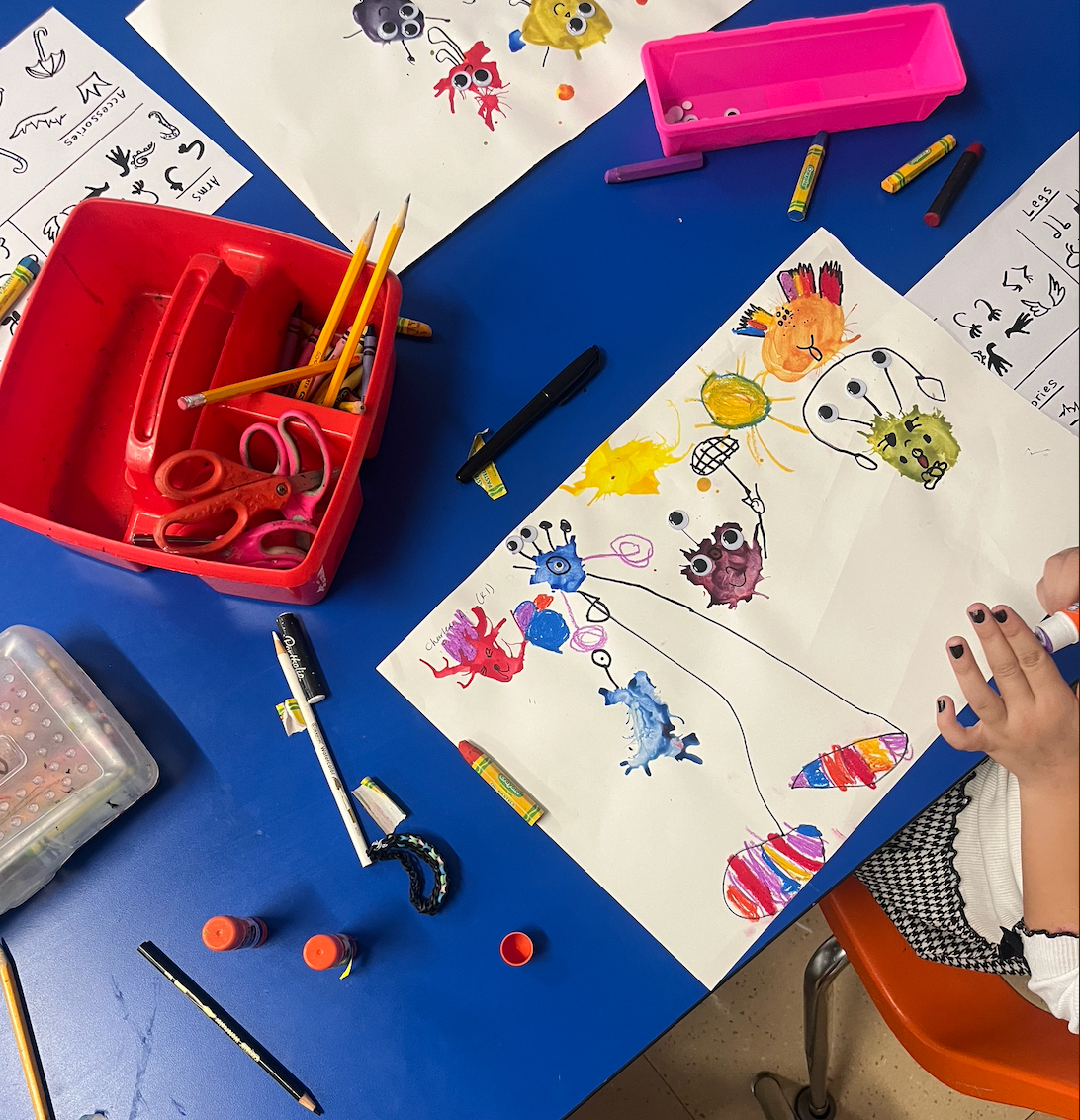
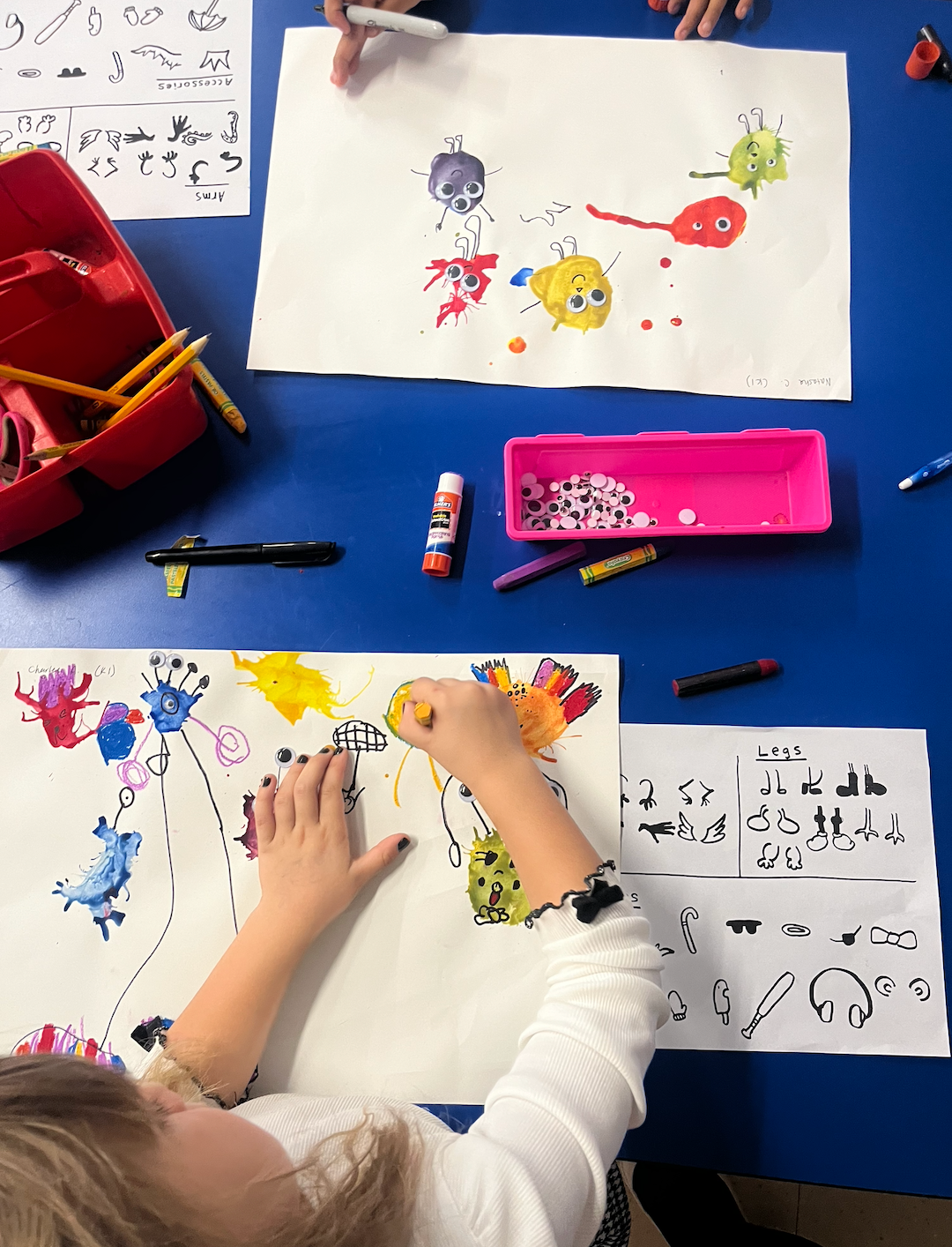
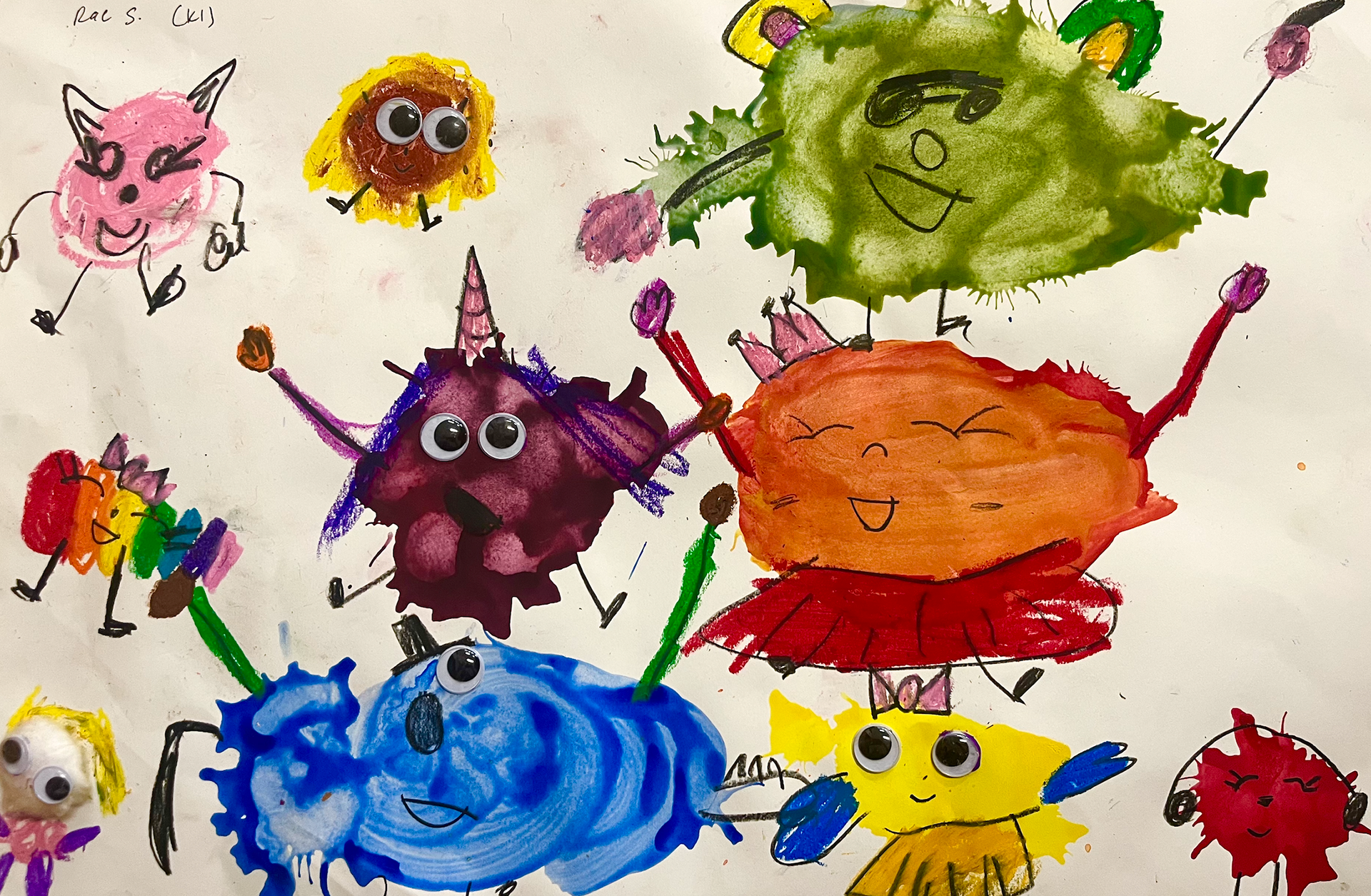
Teaching Color through Splatter - 1st Grade STEAM Lesson
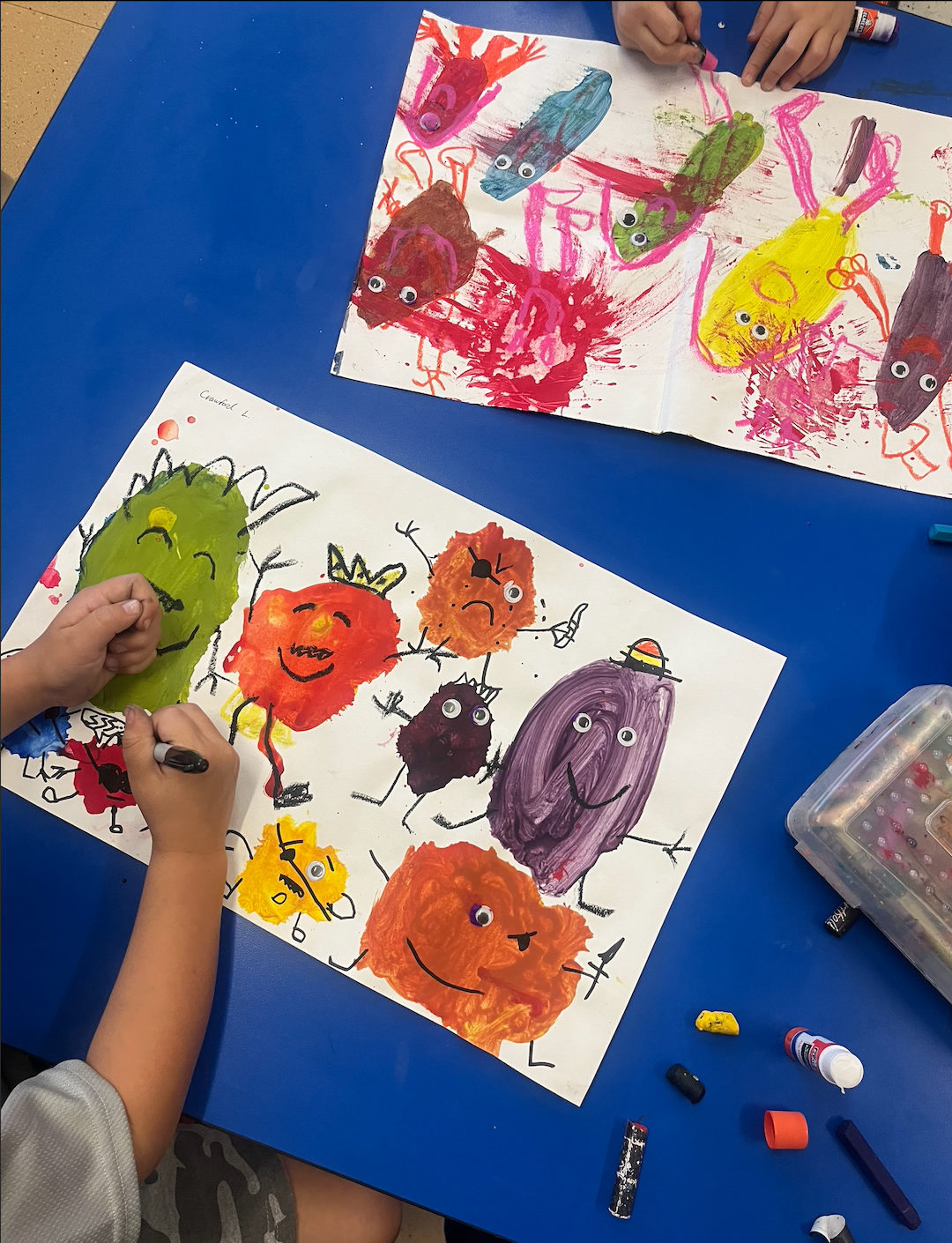
In this vibrant, STEAM-integrated lesson inspired by Splatter by Diane Alber, students explored color as an element of art through hands-on experimentation and discovery. Using primary colors, they mixed paints to create secondary colors connecting art and science by observing how pigments combine and liquids behave. Students then applied their understanding through expressive splatter painting, transforming their creations into imaginative “splatter characters” with unique personalities and stories. The lesson encouraged color theory exploration, scientific observation, and creative self-expression, reinforcing key vocabulary and process-based learning in a joyful, sensory experience.
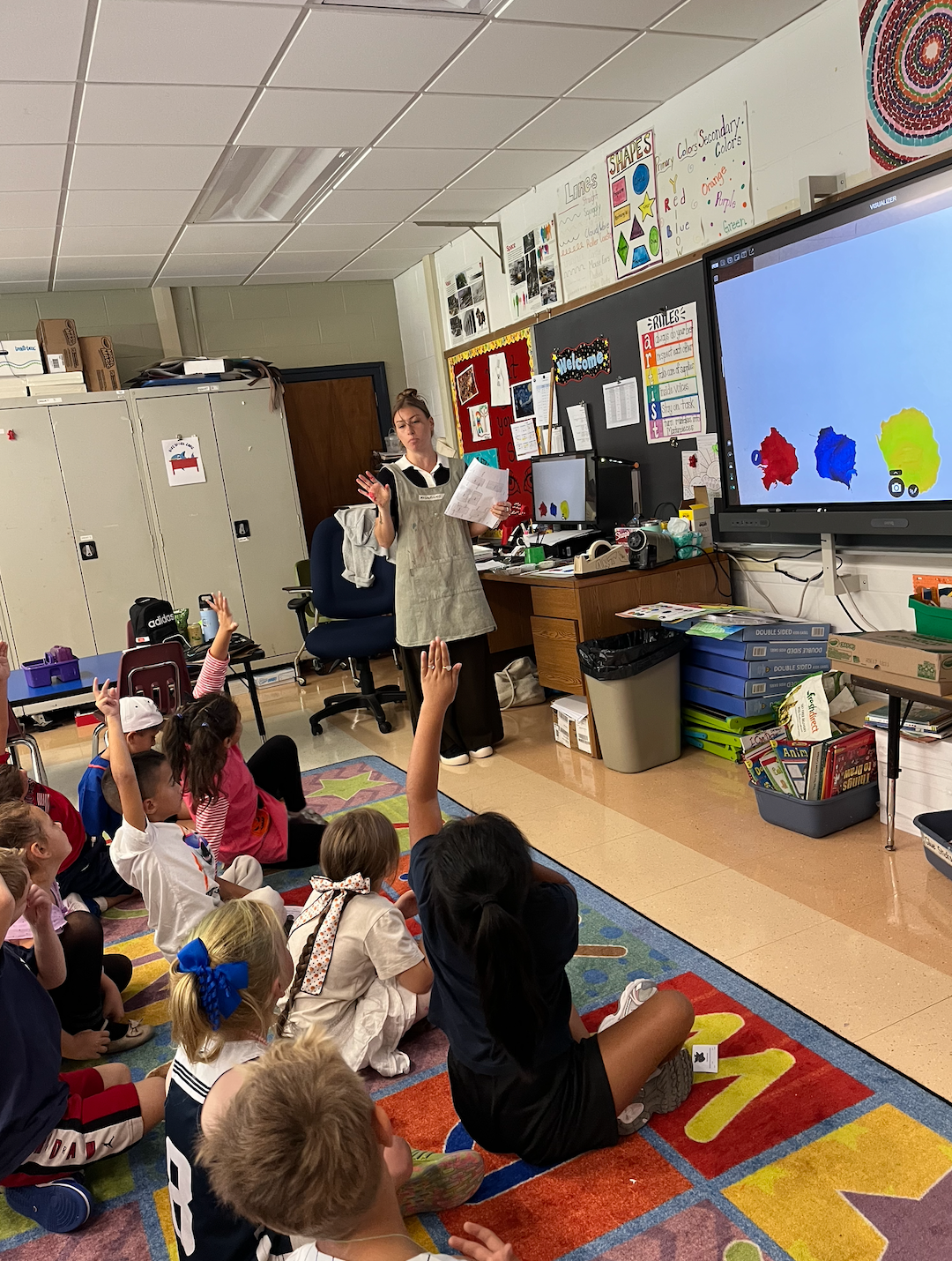
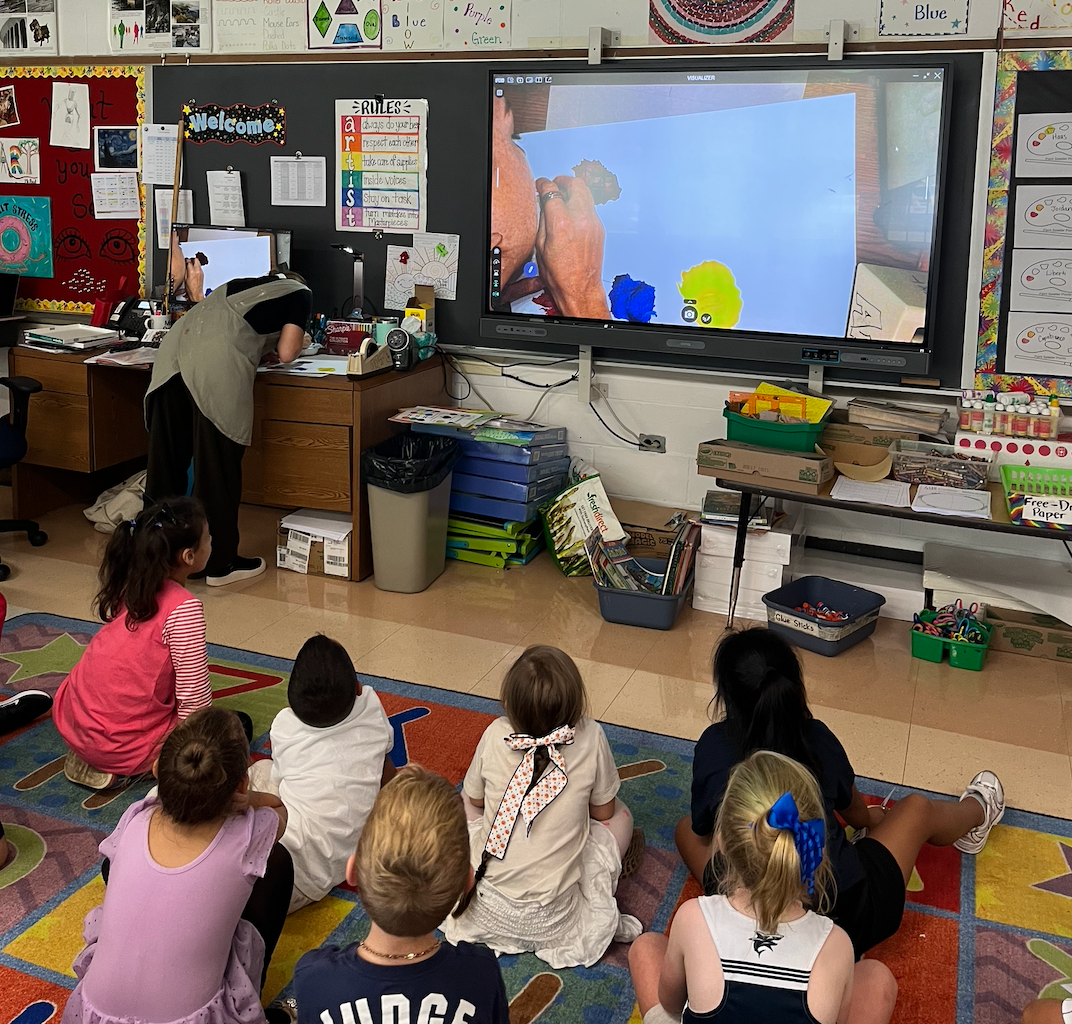
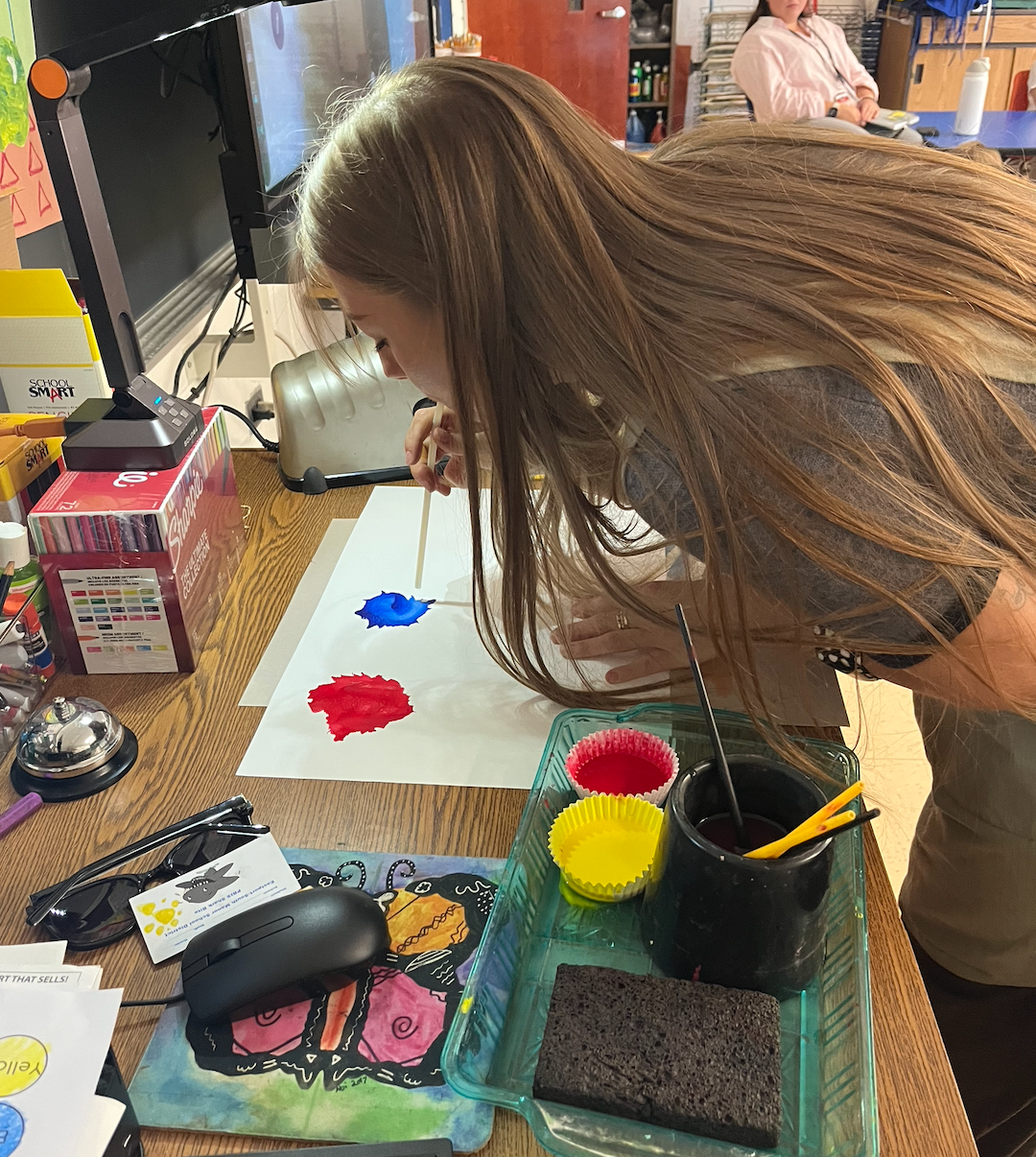
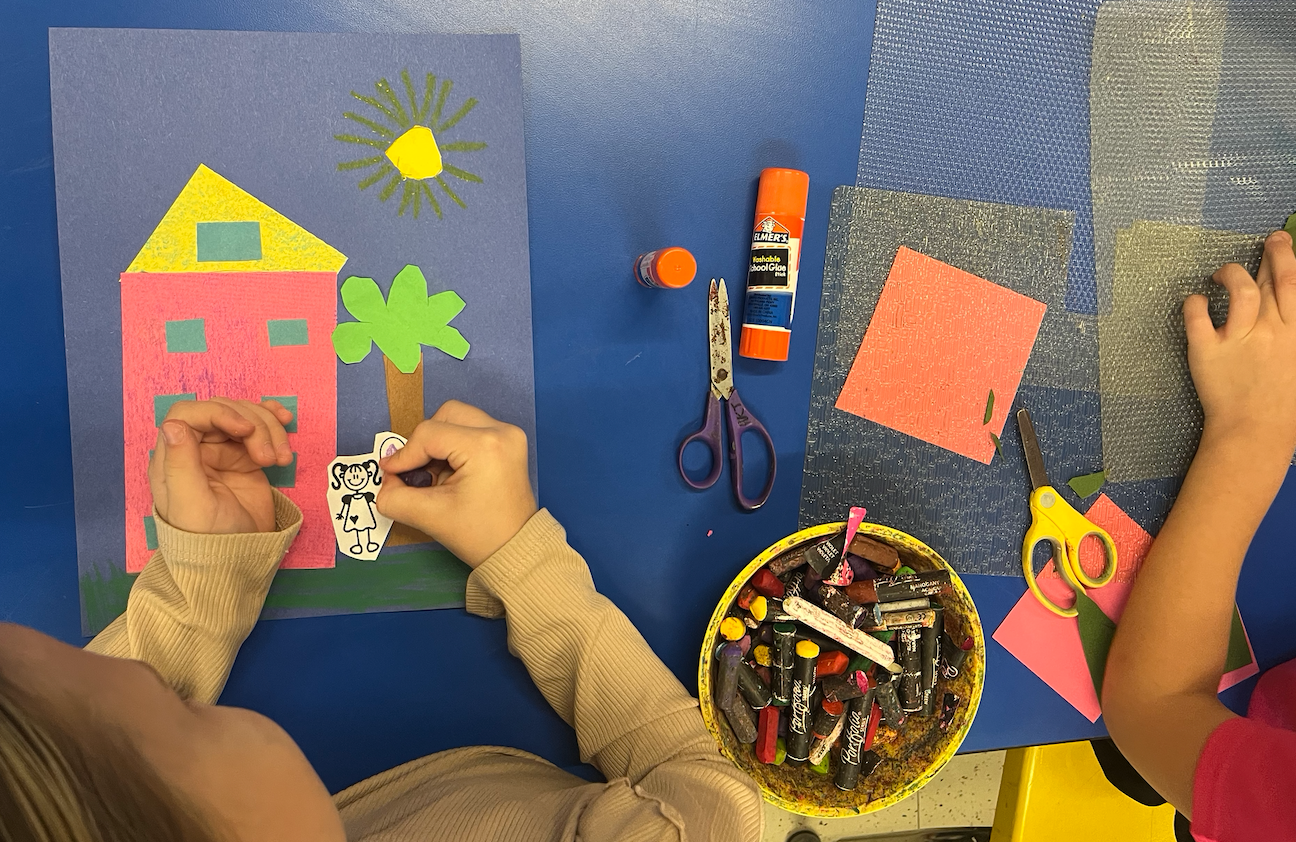
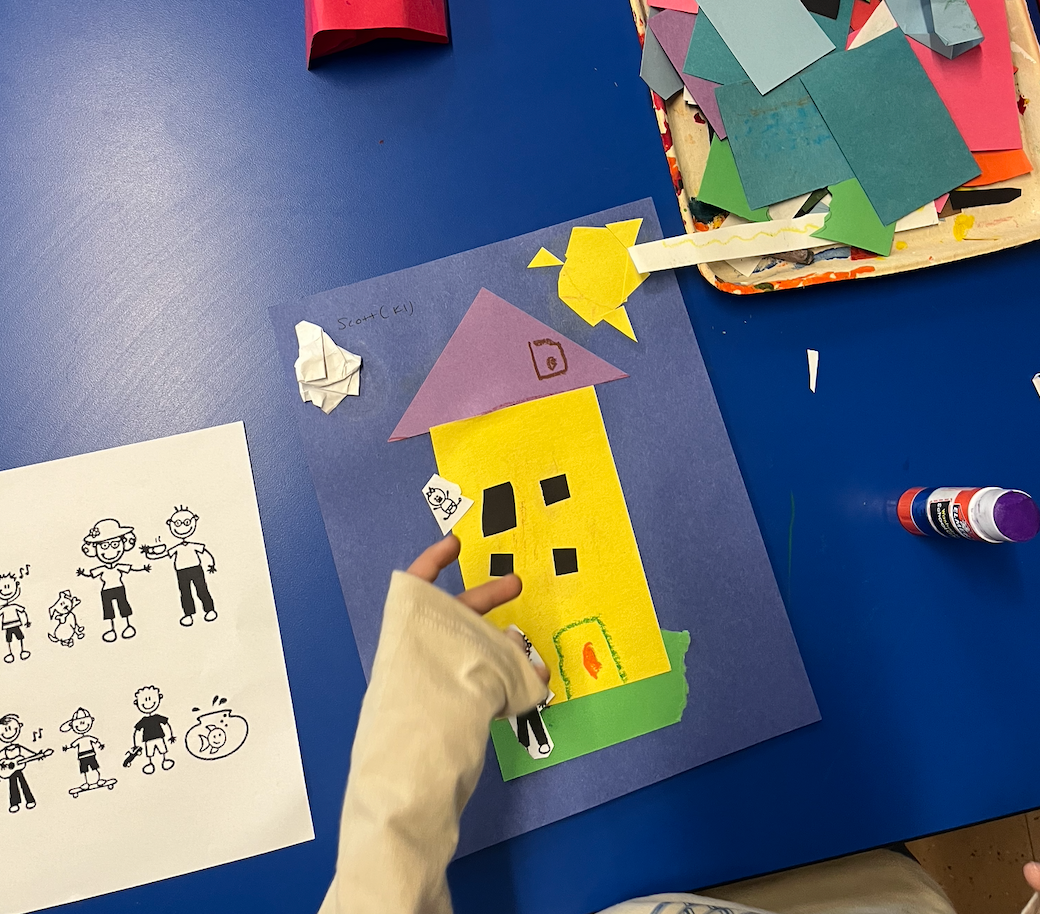
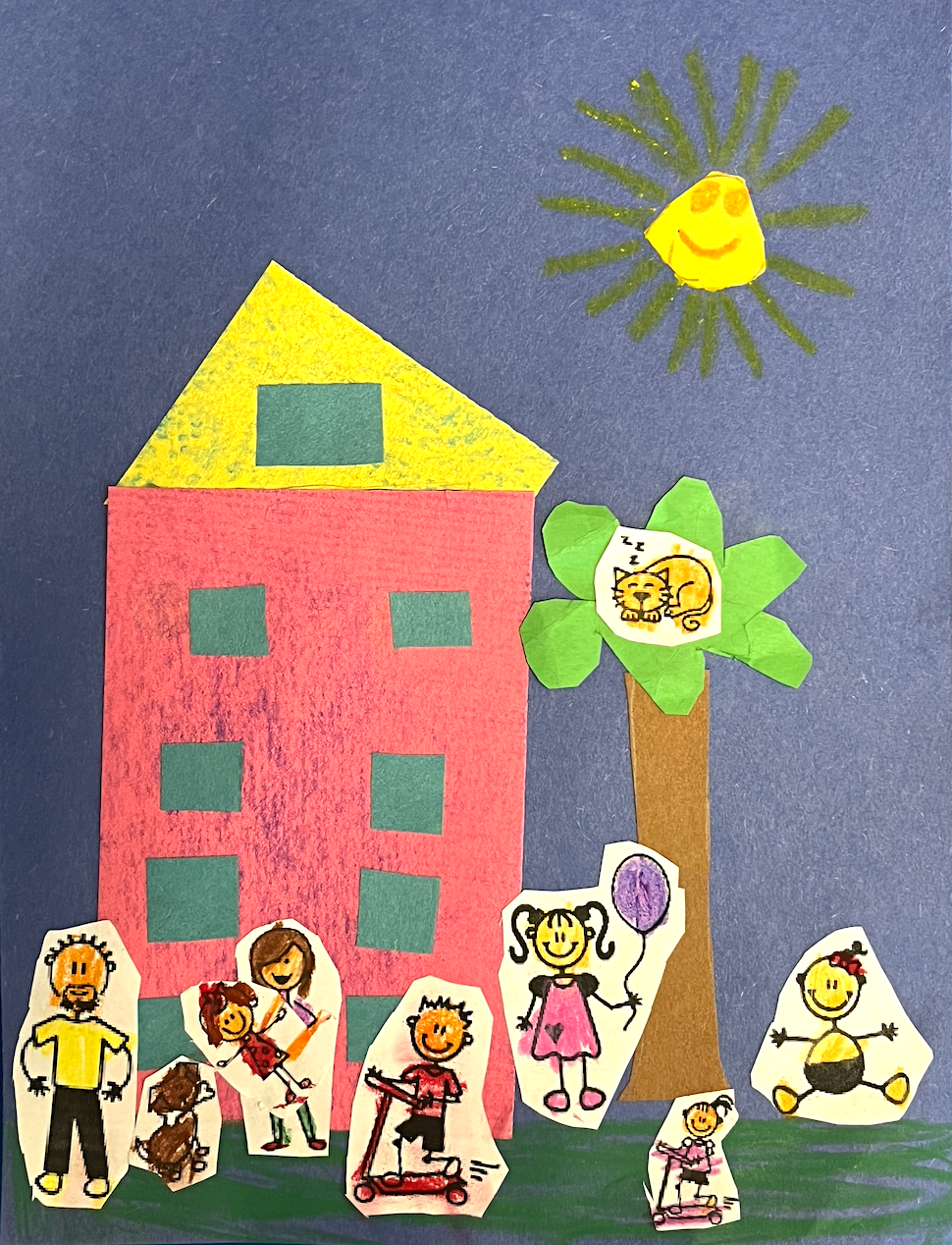
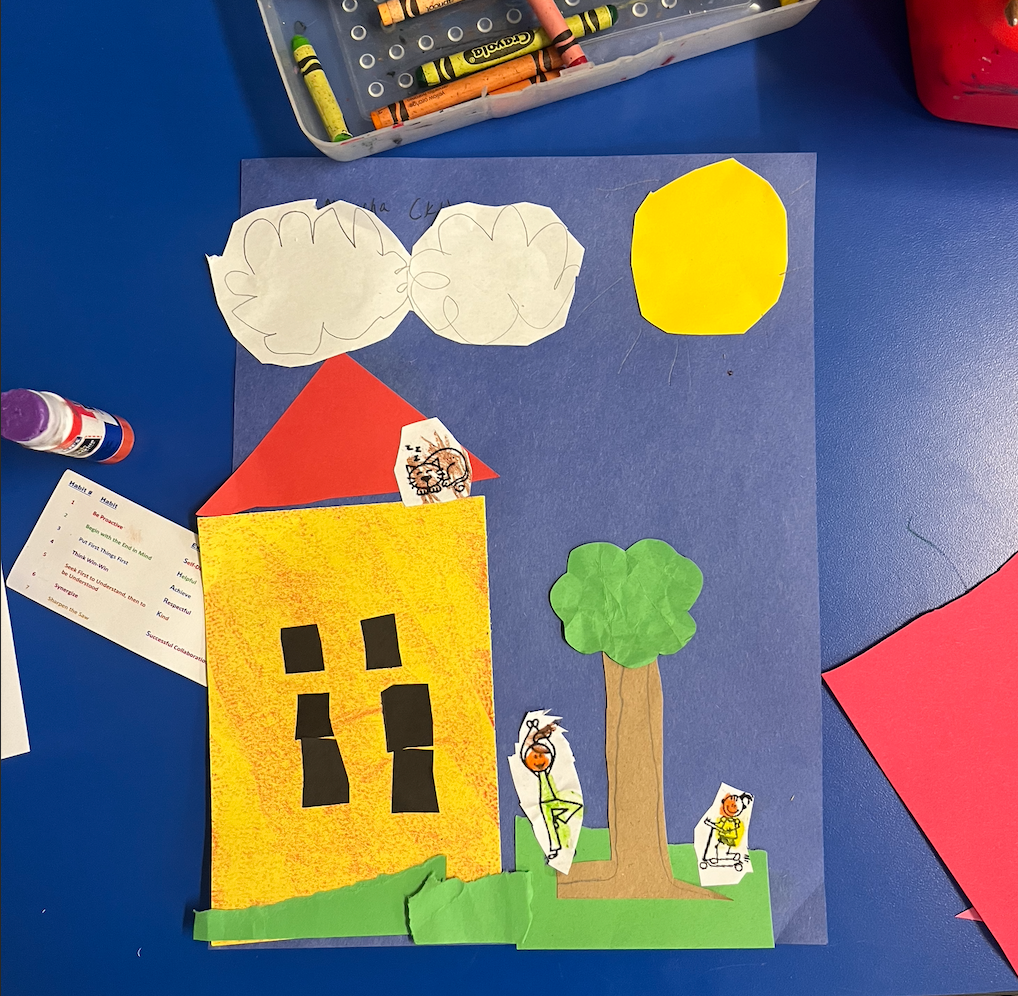
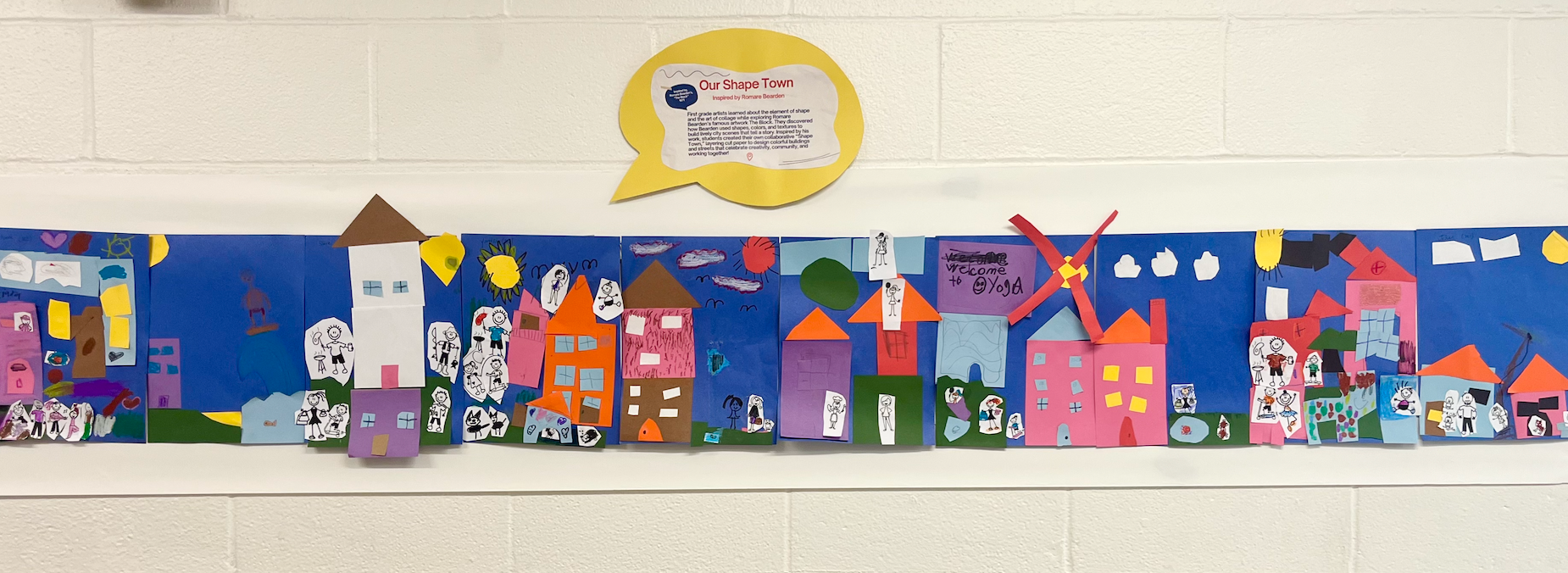
Collaborative Shape Town - 1st Grade Collage Lesson
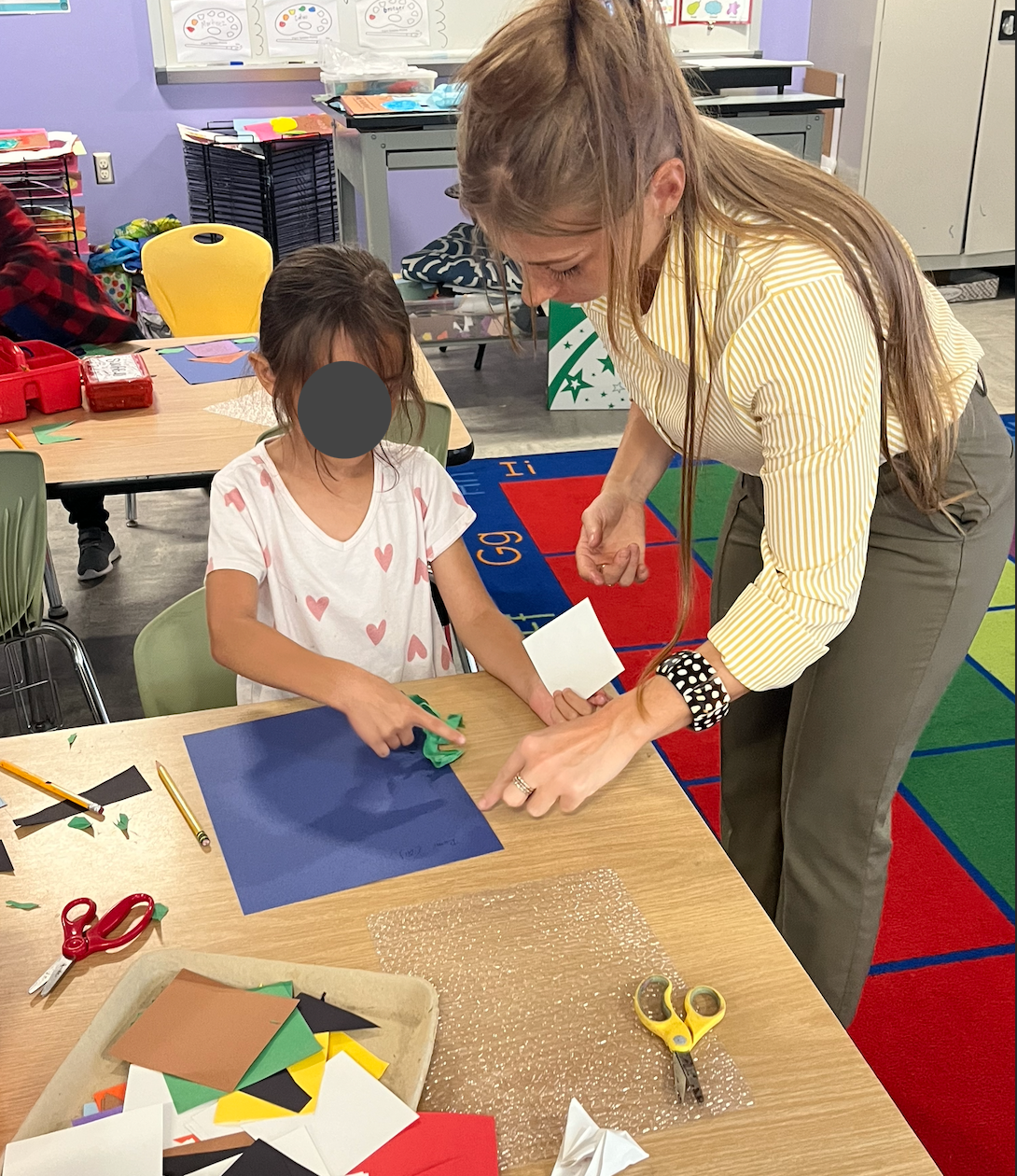
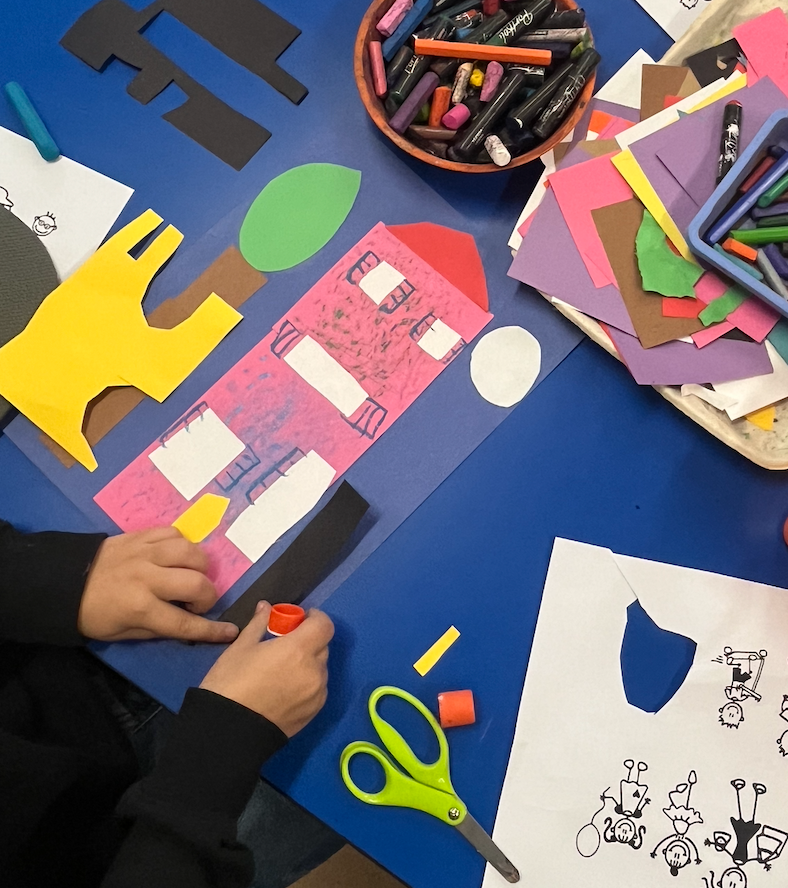
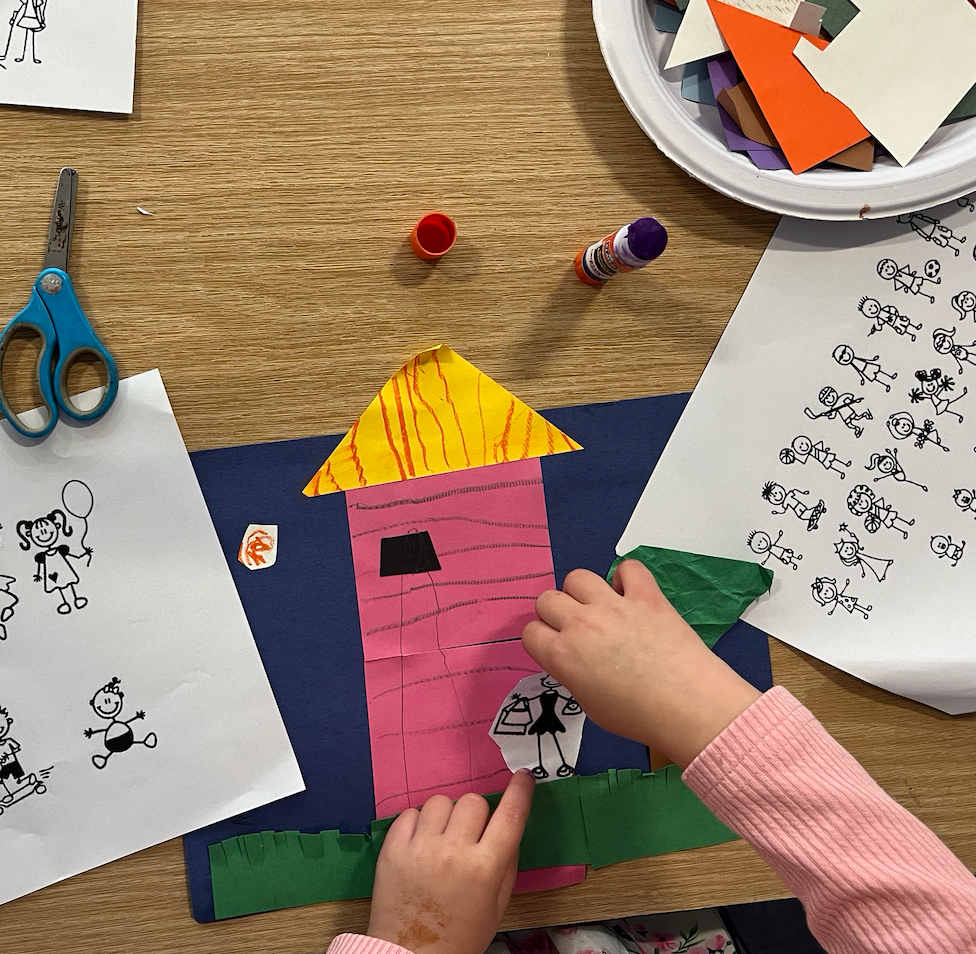
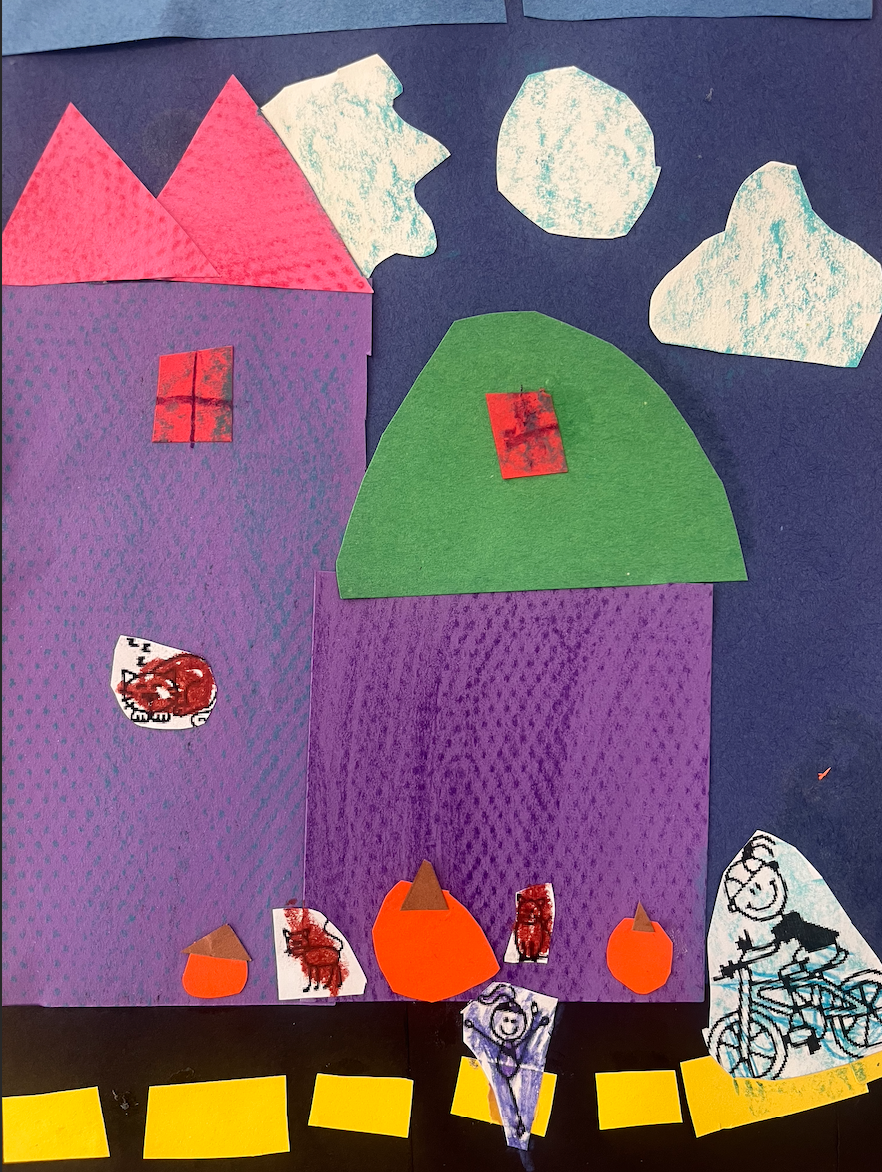
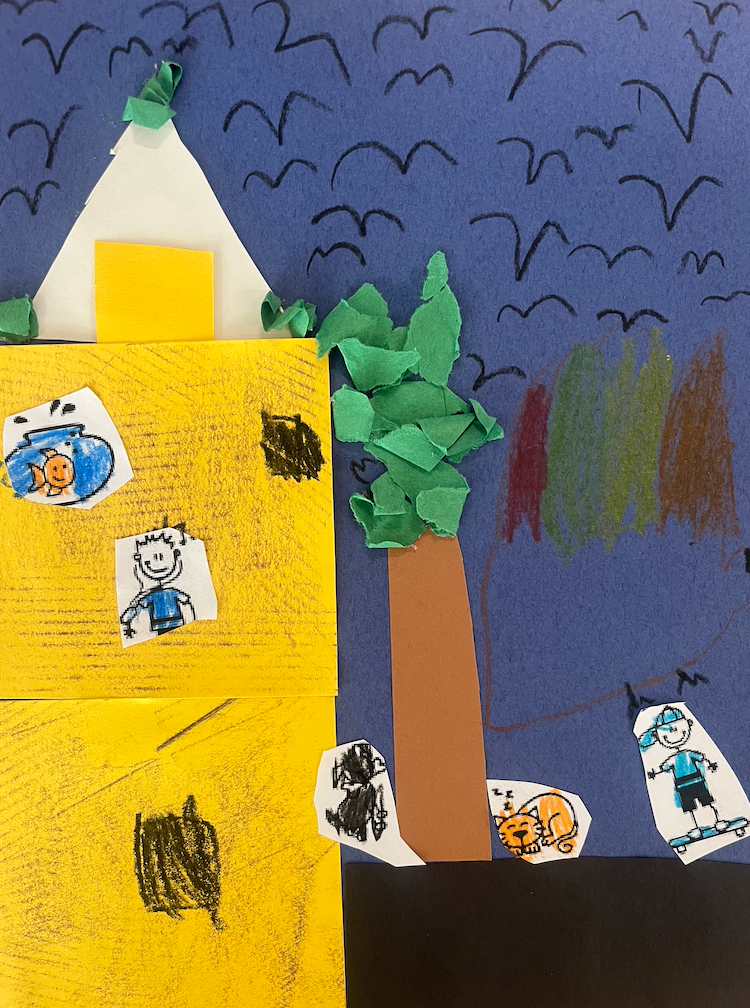
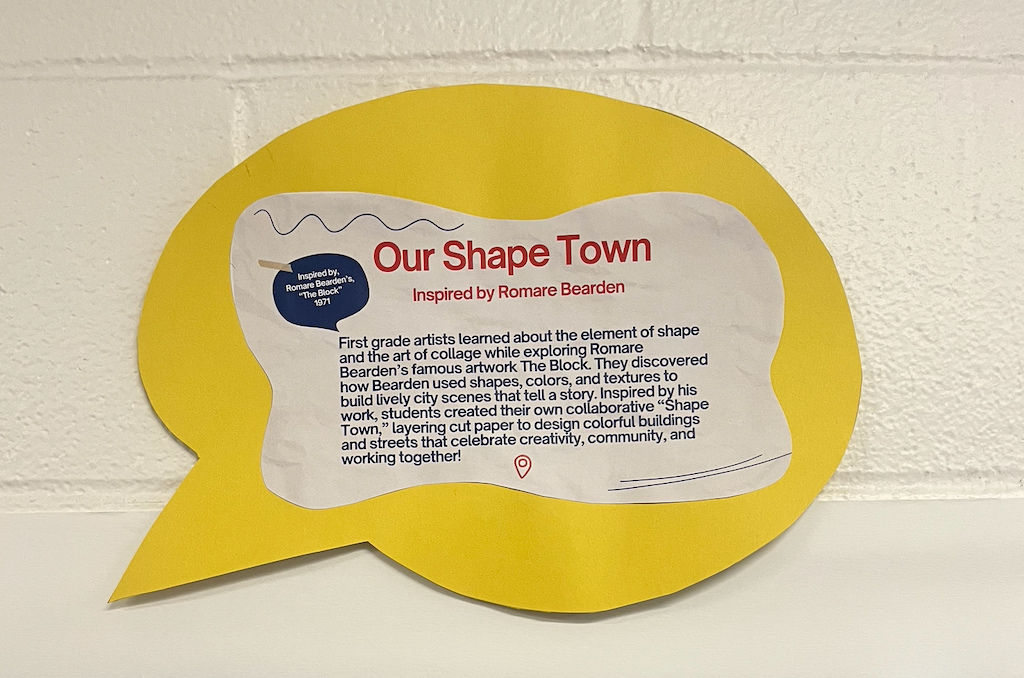
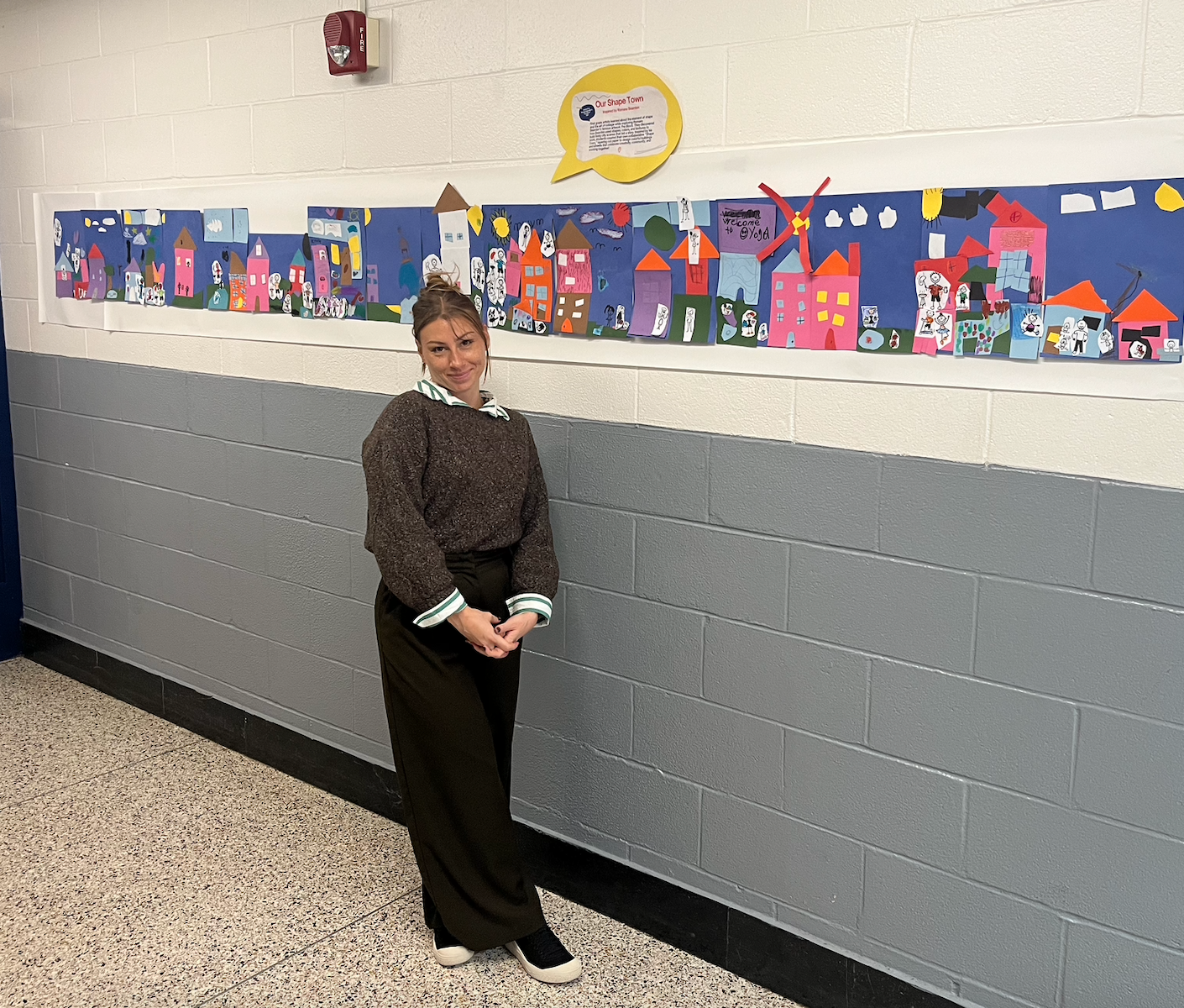
In this collaborative collage lesson inspired by The Block by Romare Bearden, students explored the art element of shape to represent buildings, people, and community life. After examining Bearden’s work, students discussed how artists tell stories through their environments, then designed their own colorful town scenes using cut paper and collage techniques. They practiced cutting, layering, and gluing to form geometric and organic shapes, discovering how simple forms can build complex ideas. The project finished with a collaborative “Shape Town” mural, combining each student’s unique neighborhood into one shared community artwork. Through this joyful exploration, students learned how art connects people and places, celebrating both individuality and collaboration.
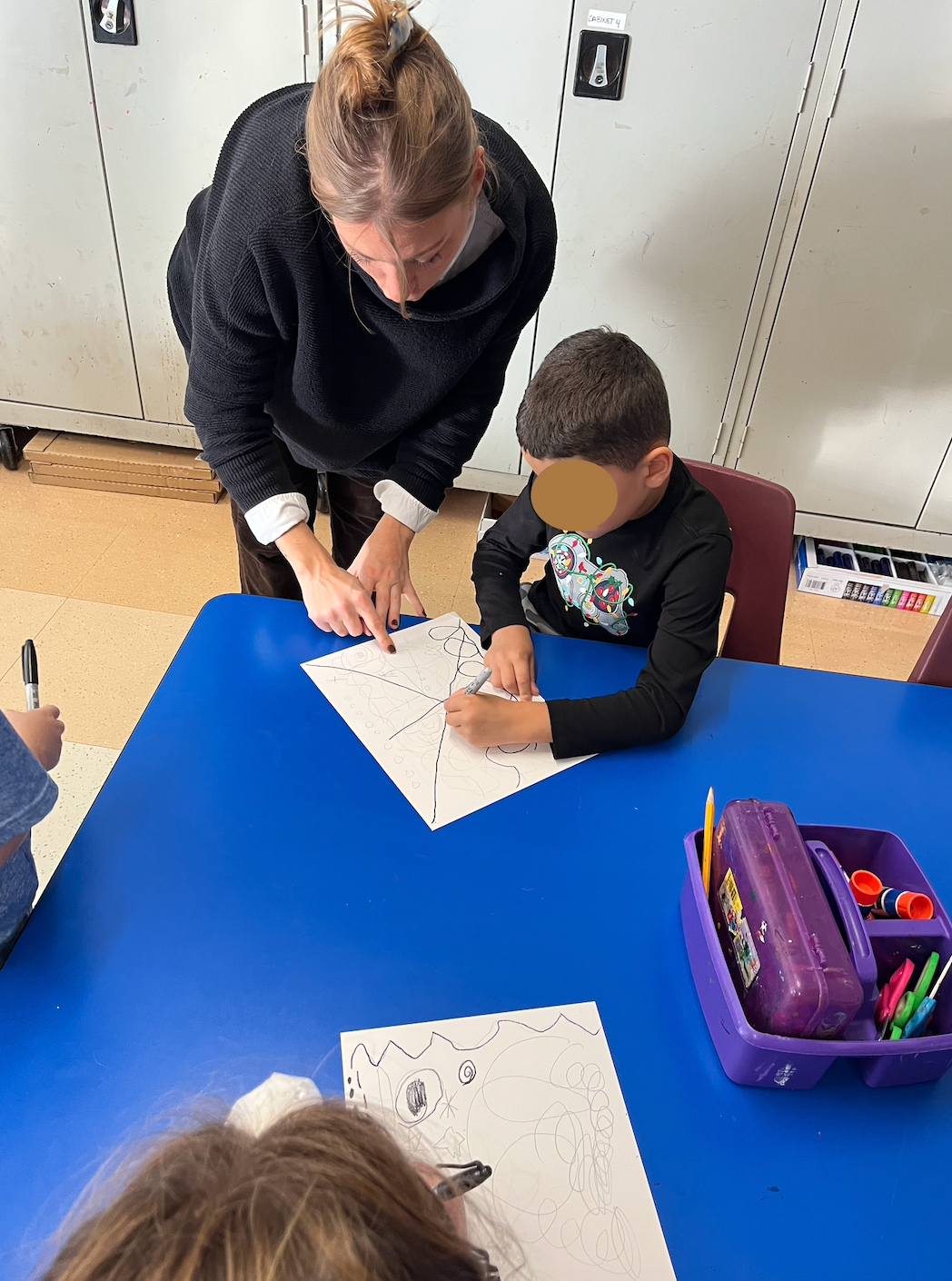
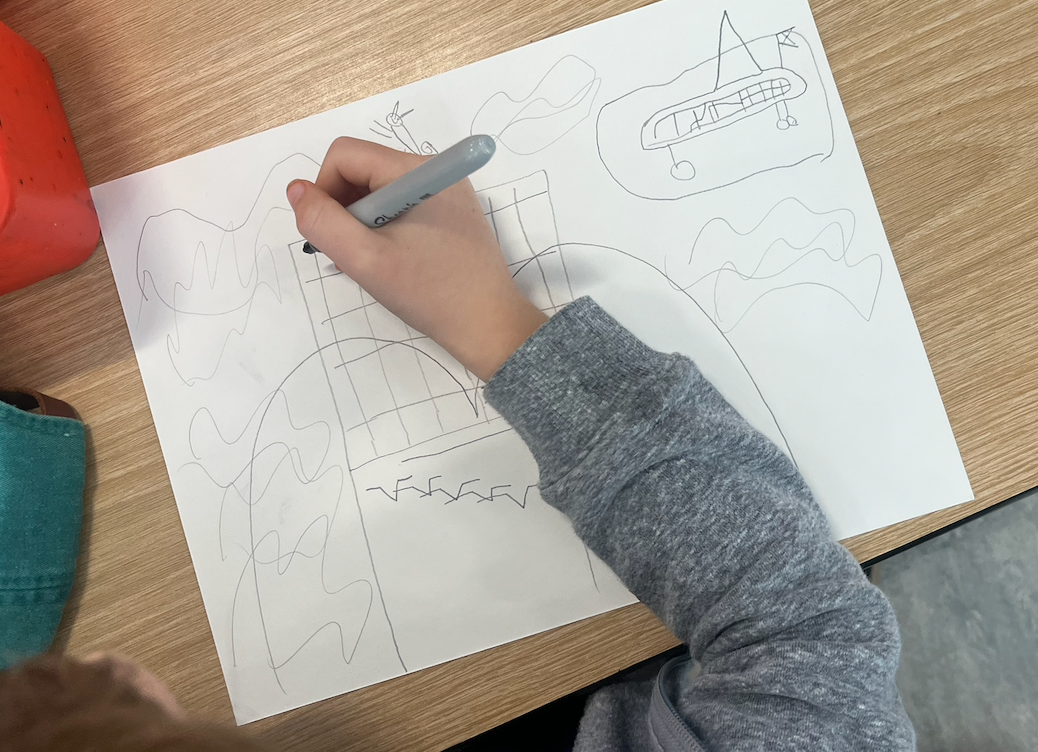
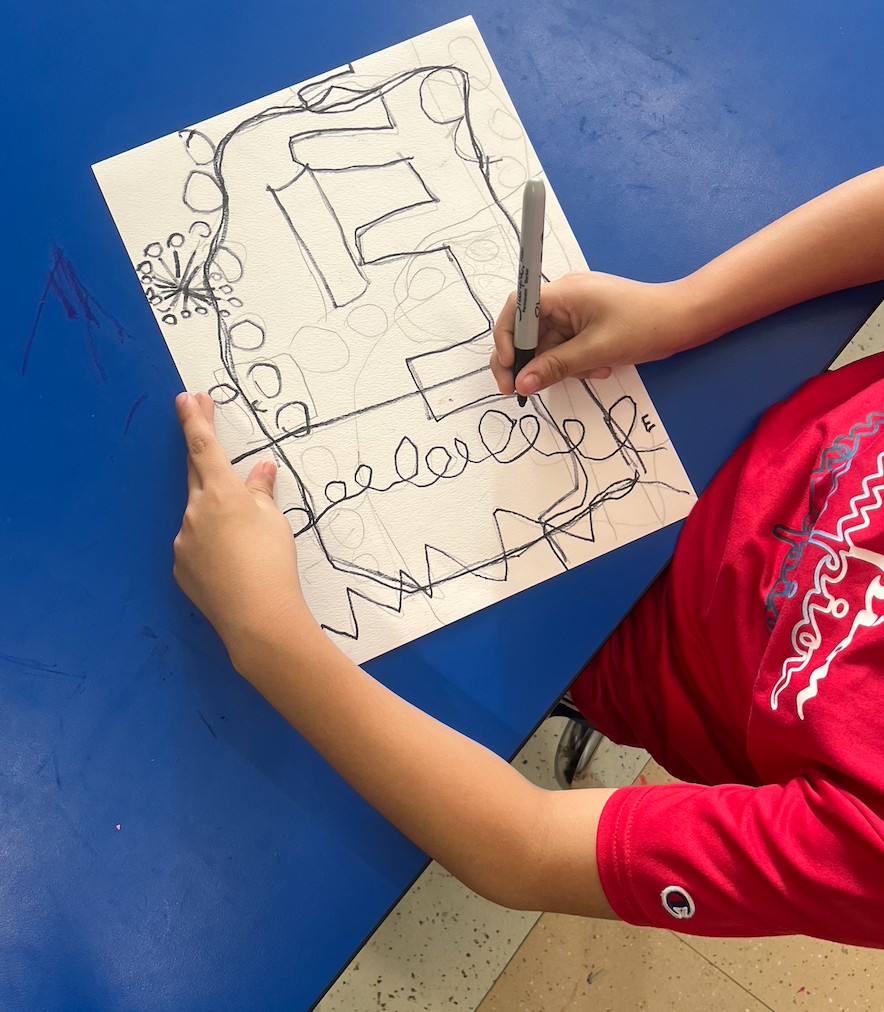
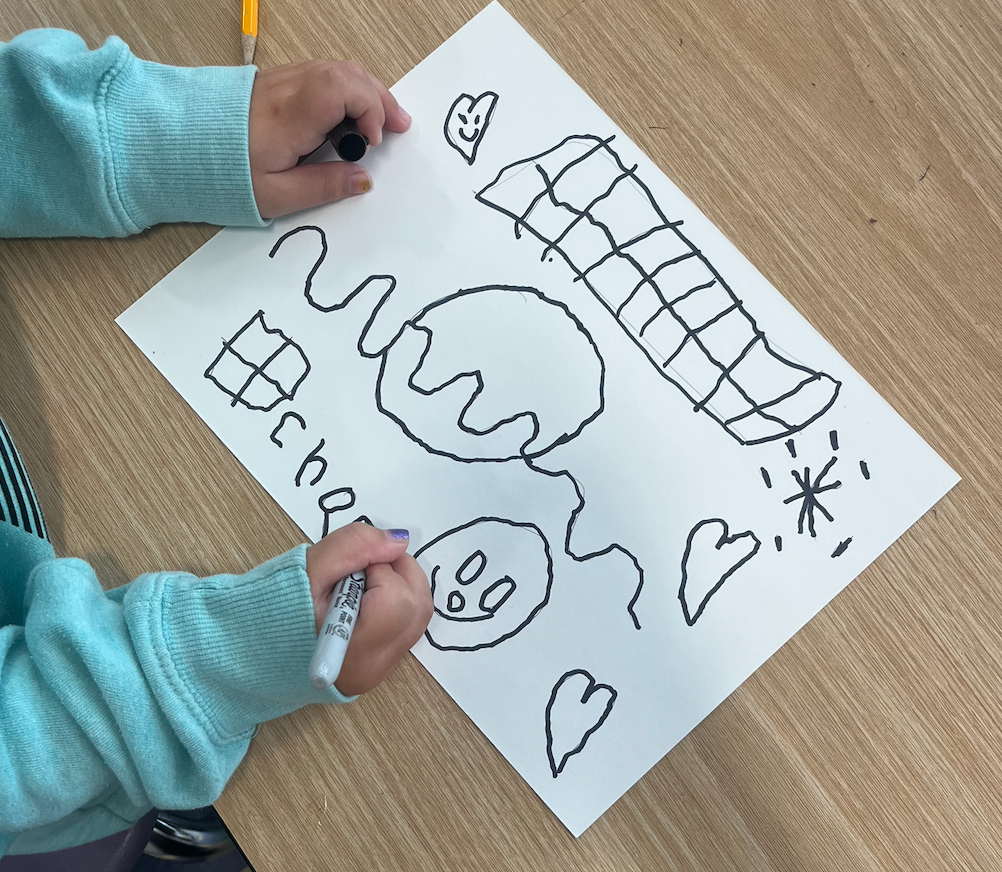
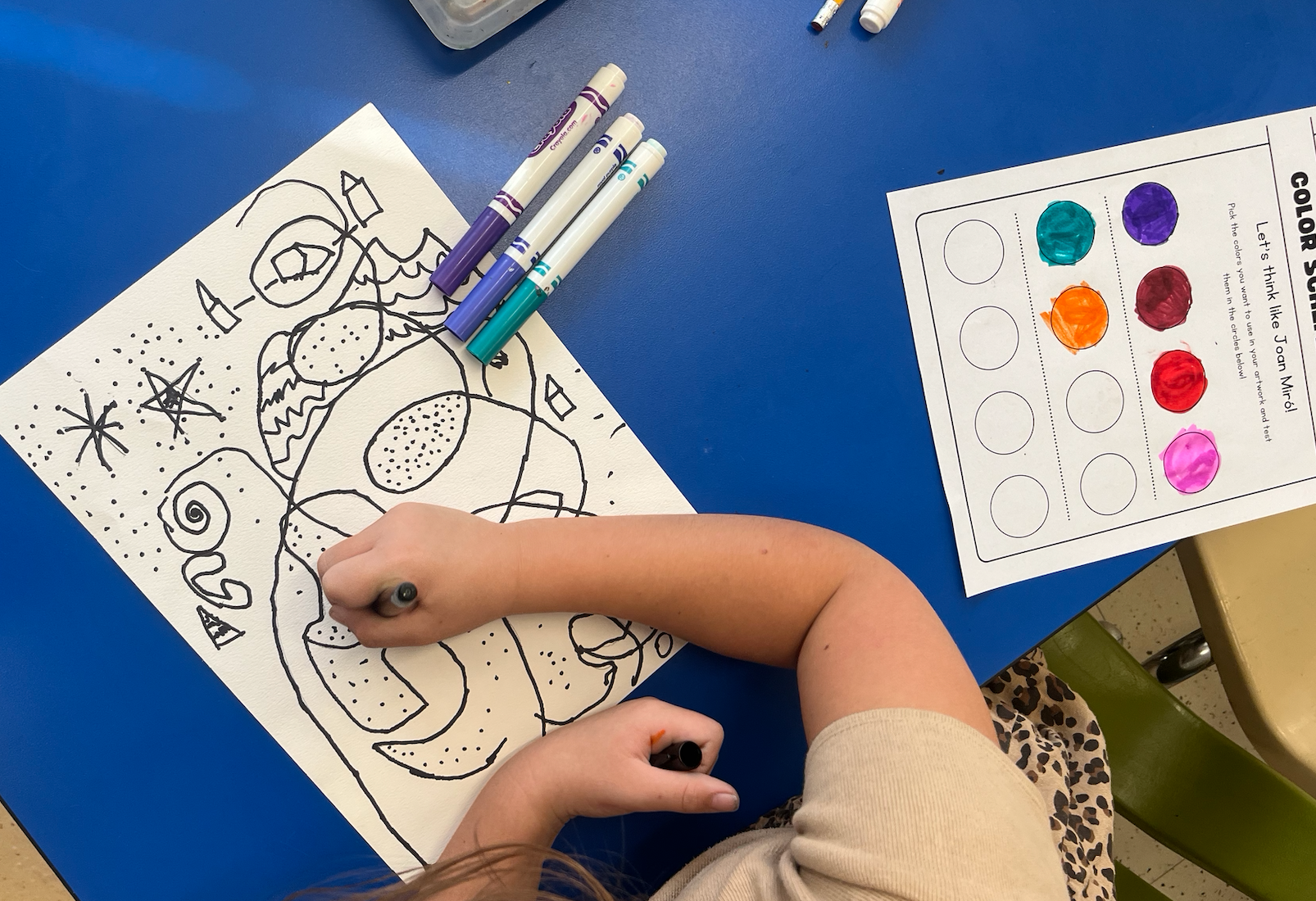
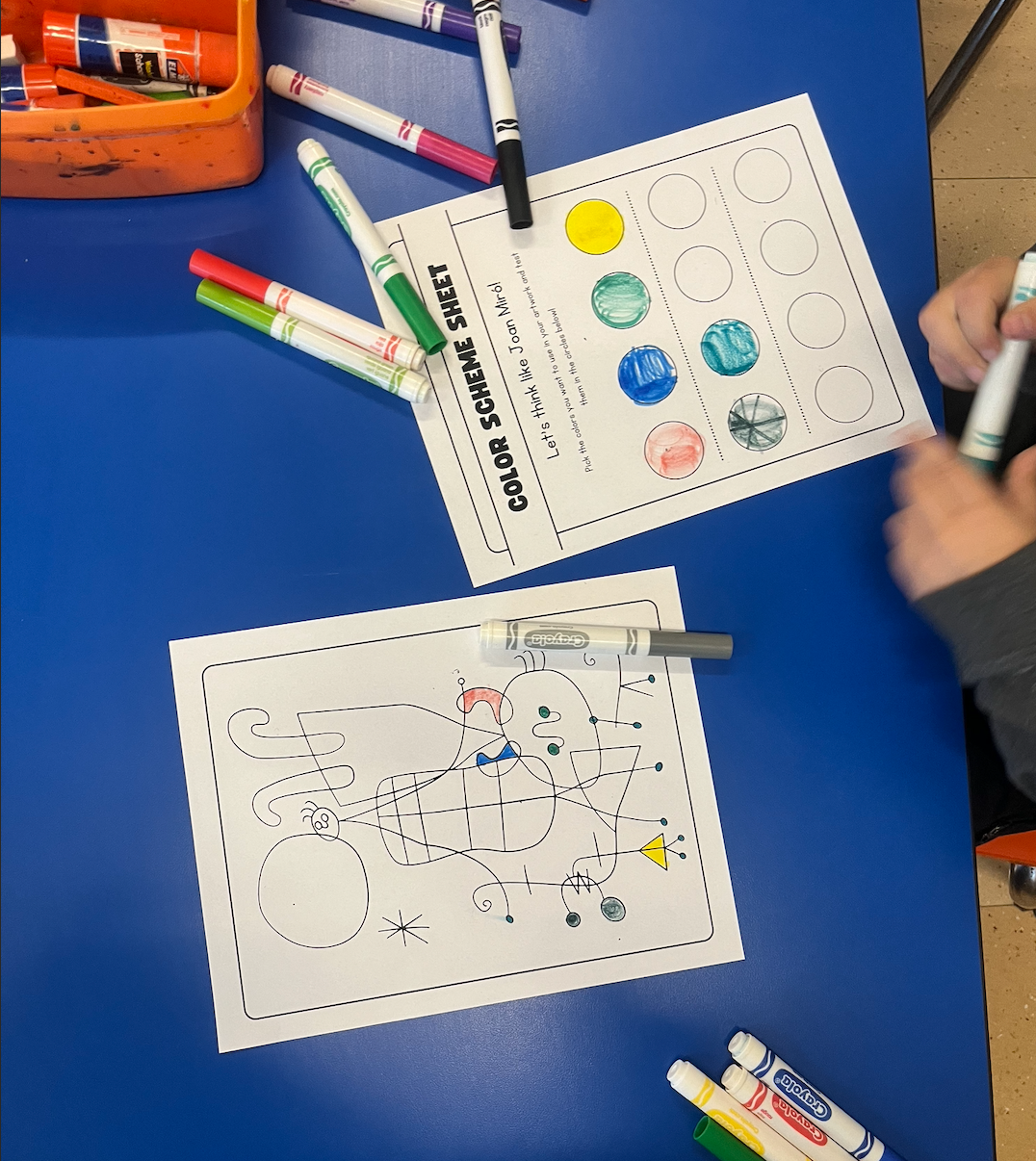
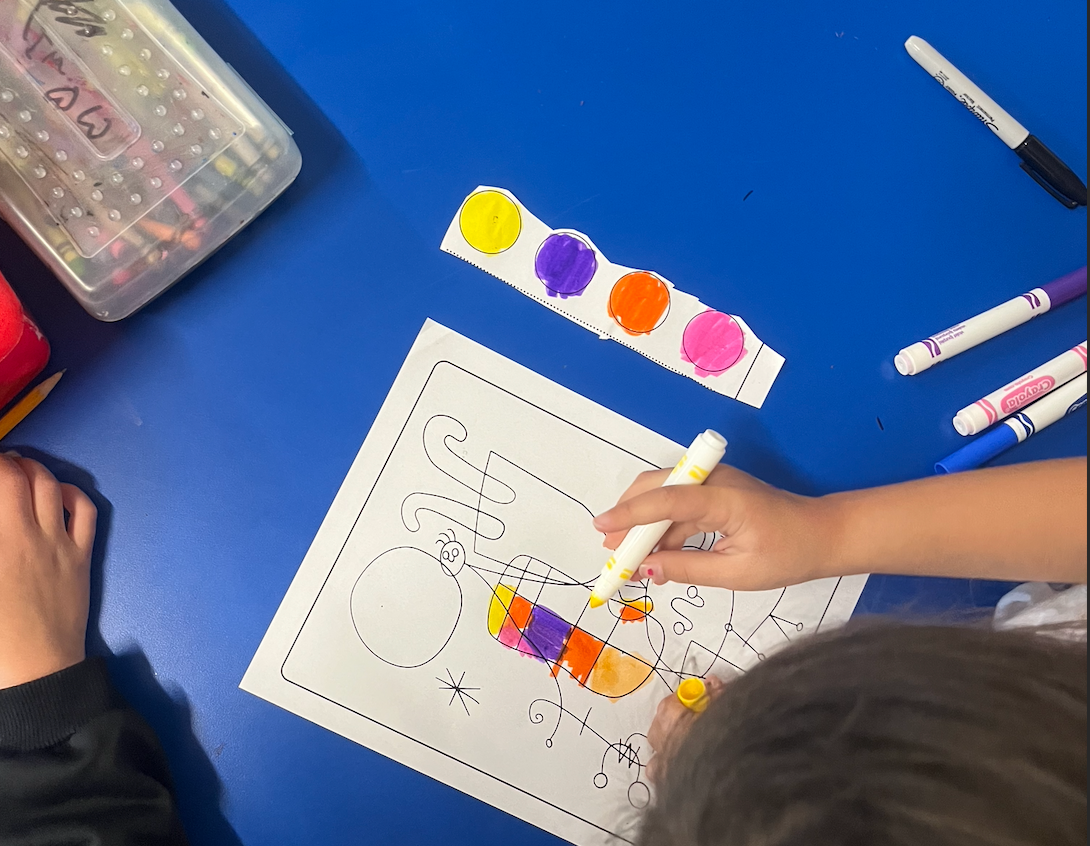
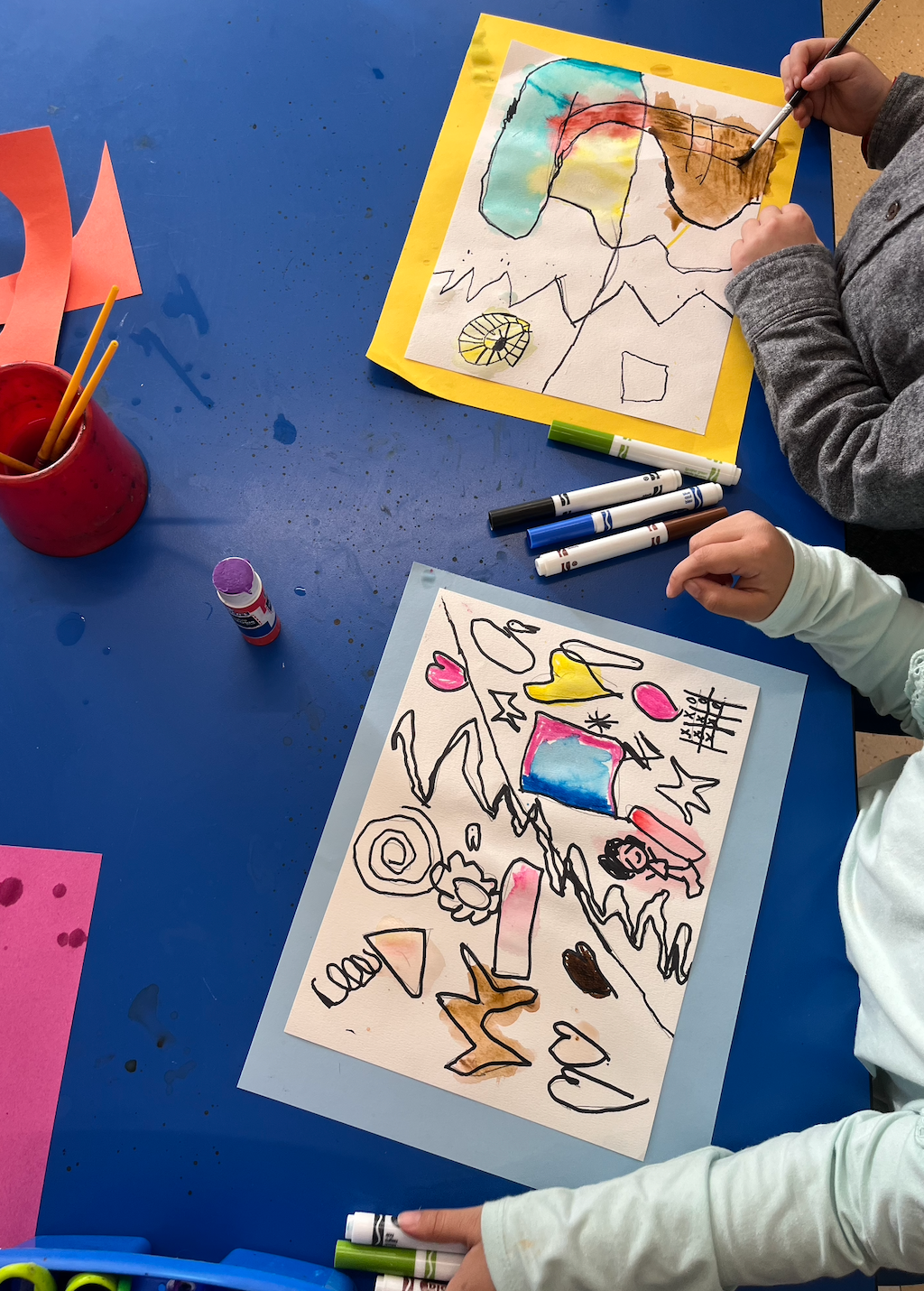
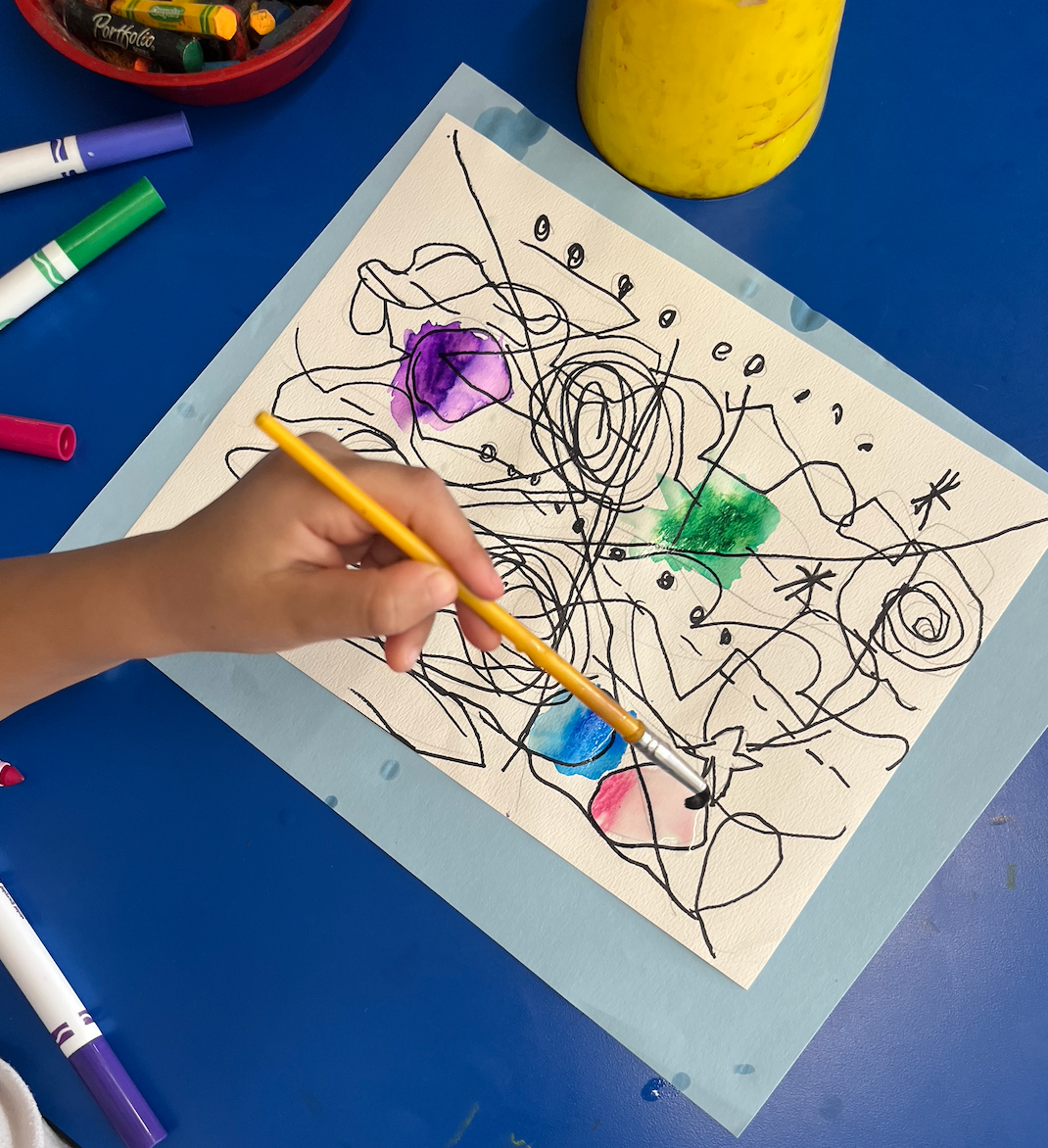
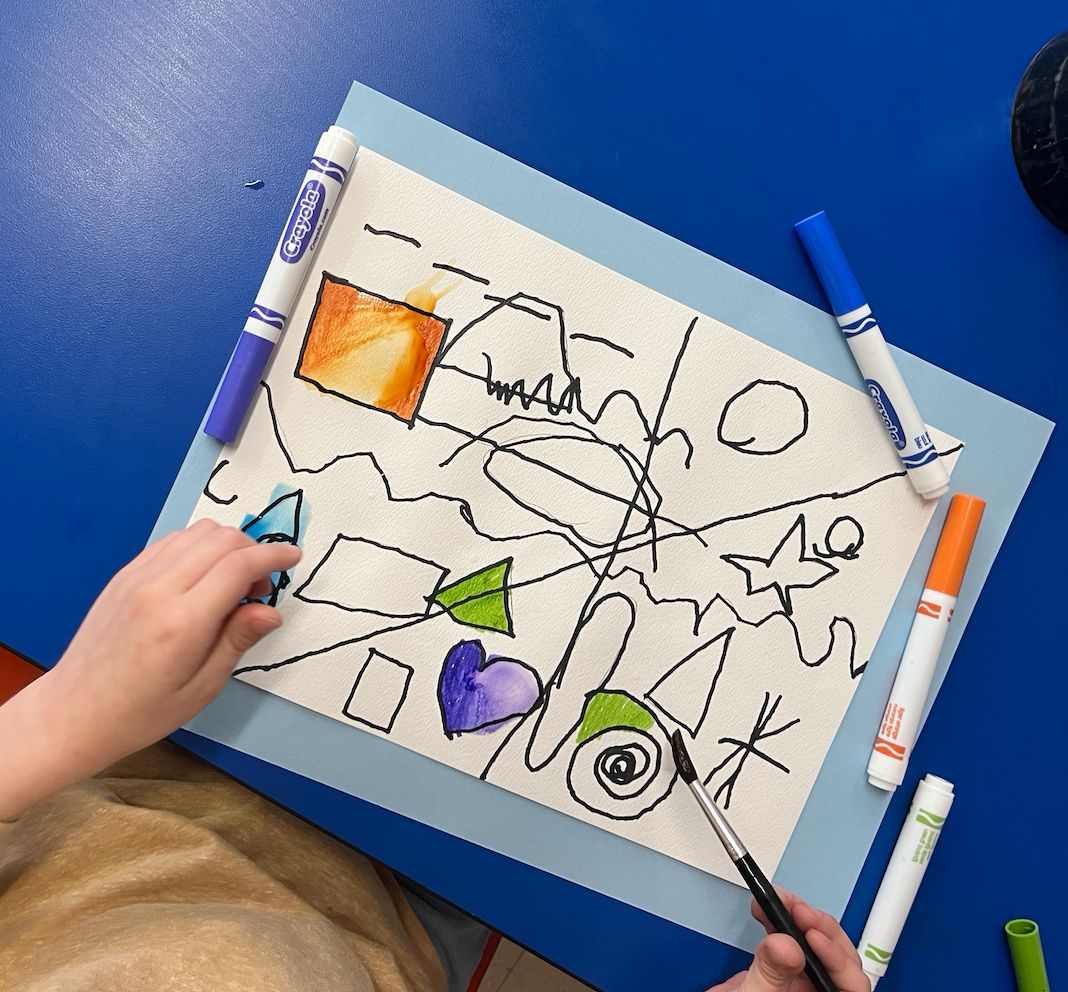
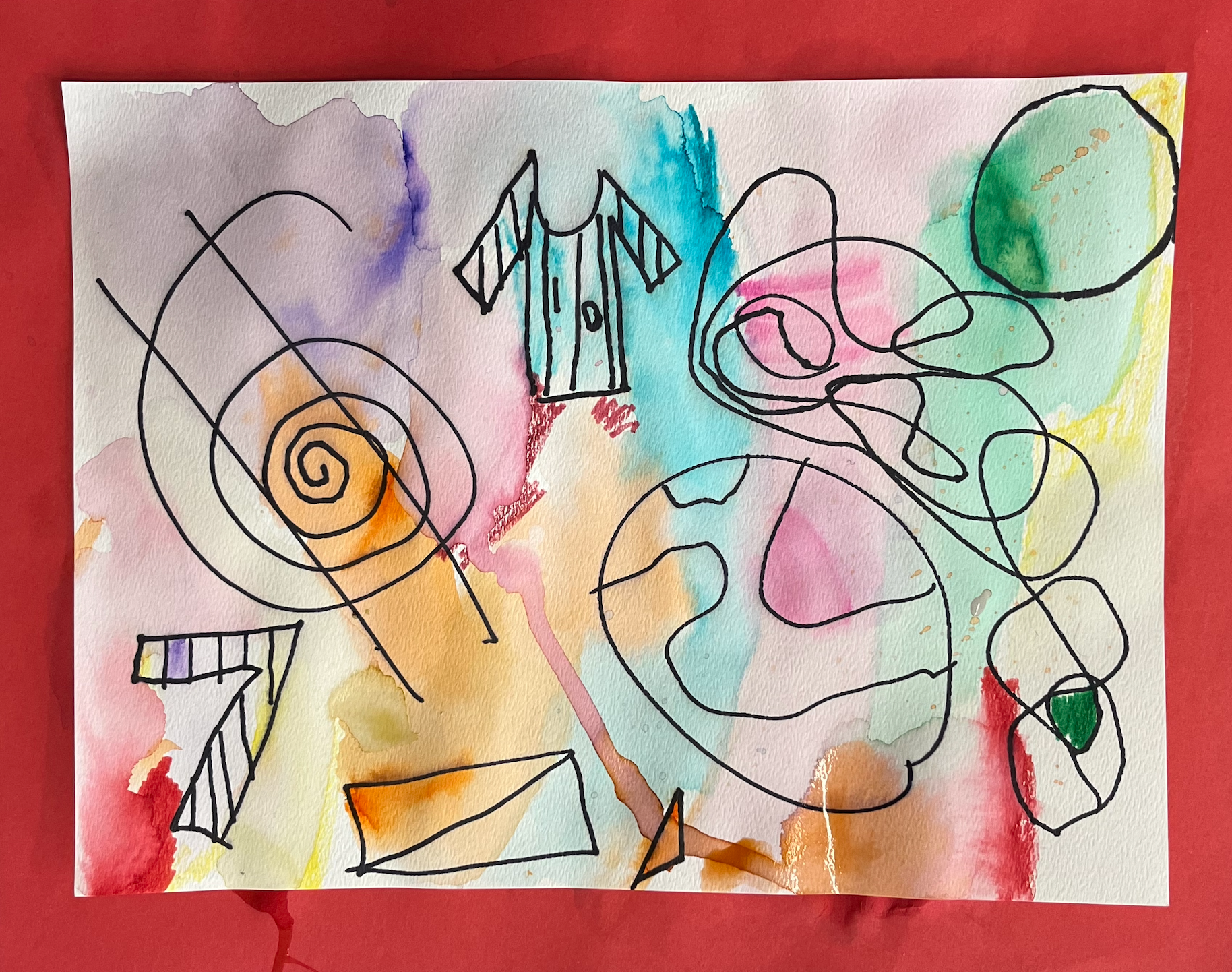
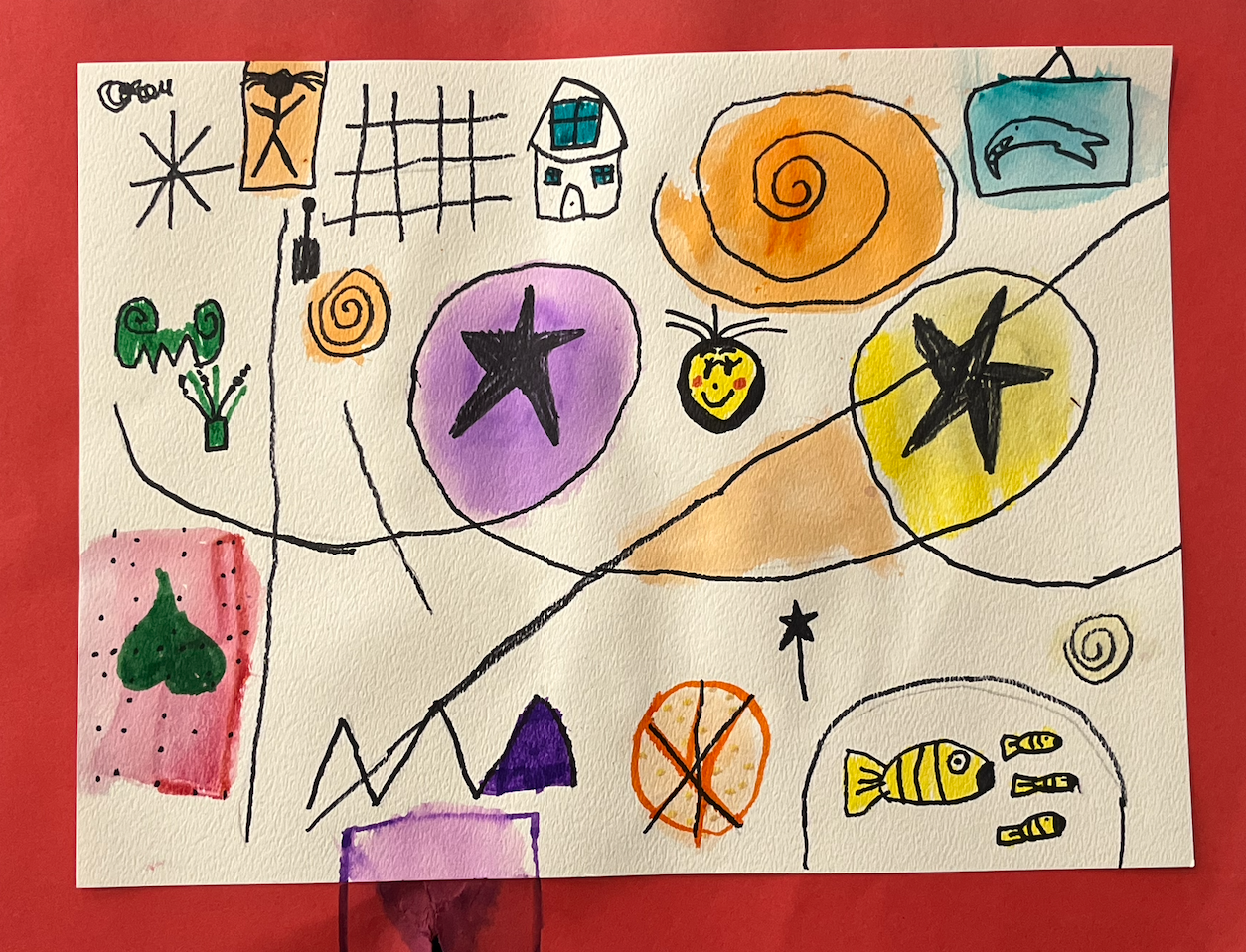
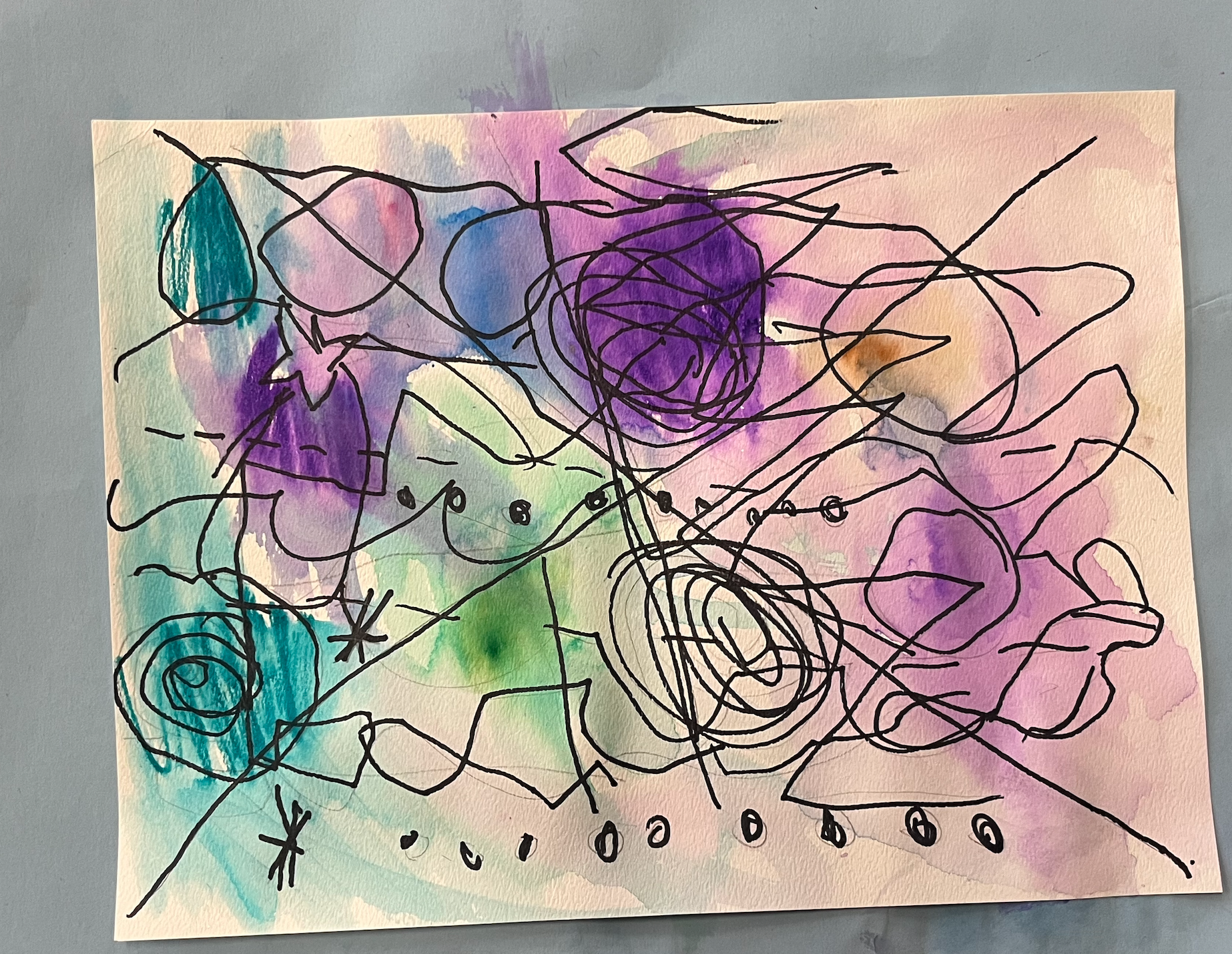
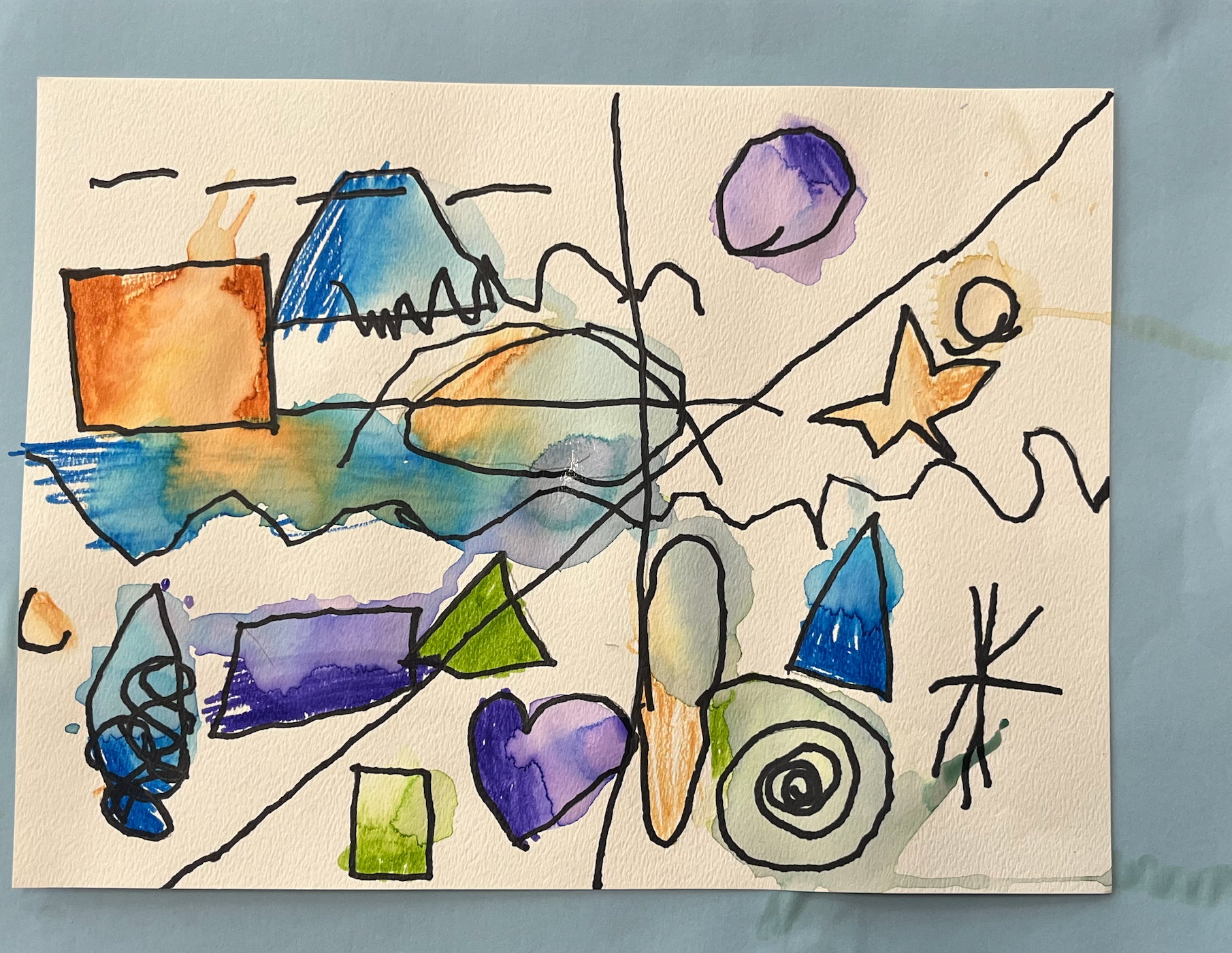
Joan Miró-Inspired Surrealism Art - 1st Grade Painting Lesson
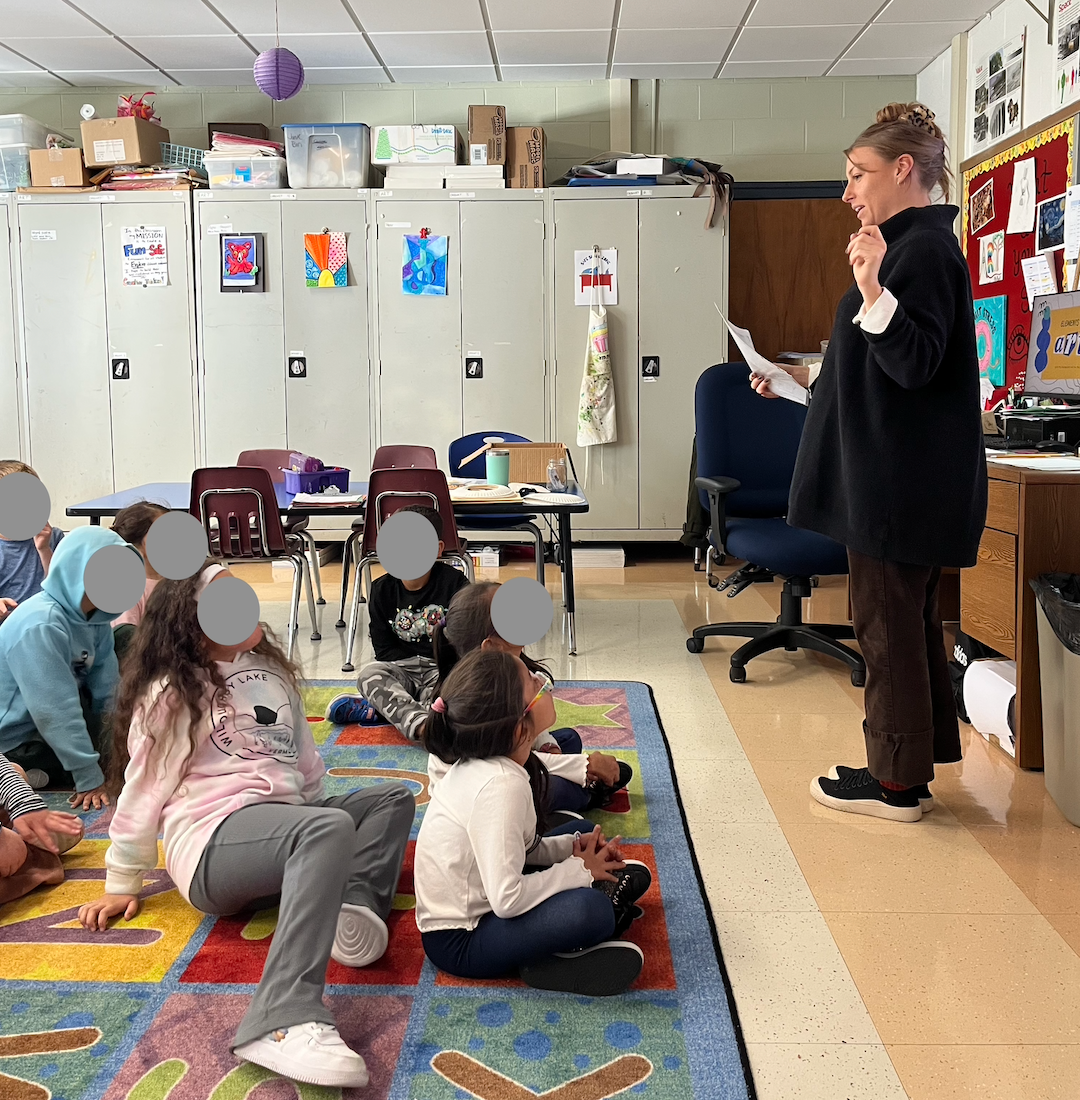
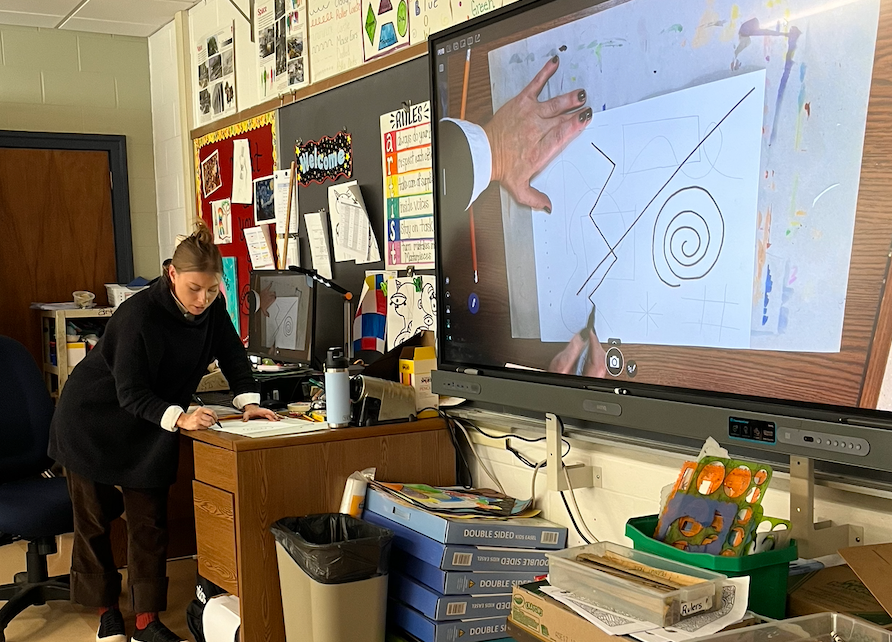
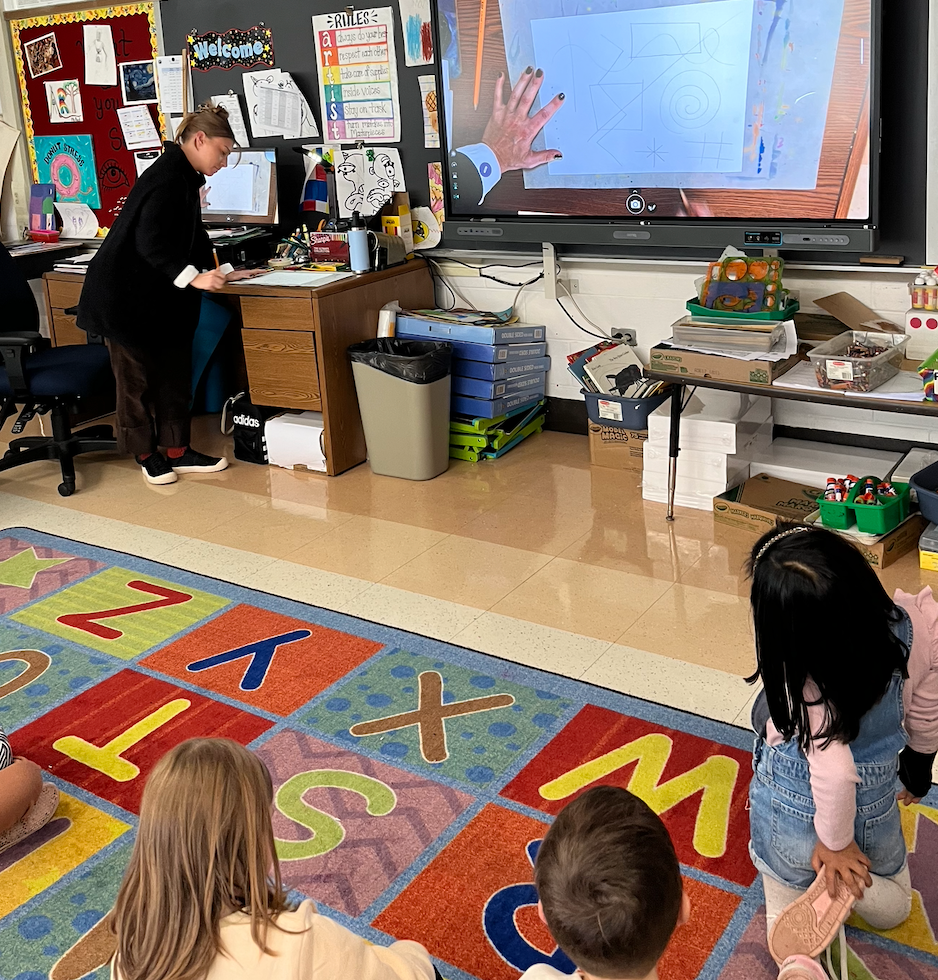
In this imaginative exploration inspired by Joan Miró, first-grade students discovered how line, shape, and color can work together to create surreal, dreamlike compositions. Students experimented with overlapping lines to form new shapes, then brought their designs to life using markers and water blending techniques to mimic watercolor movement. Through guided demonstrations and playful reflection, students learned that abstract art can express emotion, imagination, and curiosity. Each piece was thoughtfully framed on colored construction paper to enhance presentation and composition. The lesson encouraged students to take creative risks and see how simple artistic elements can transform into expressive, surreal worlds of their own design.
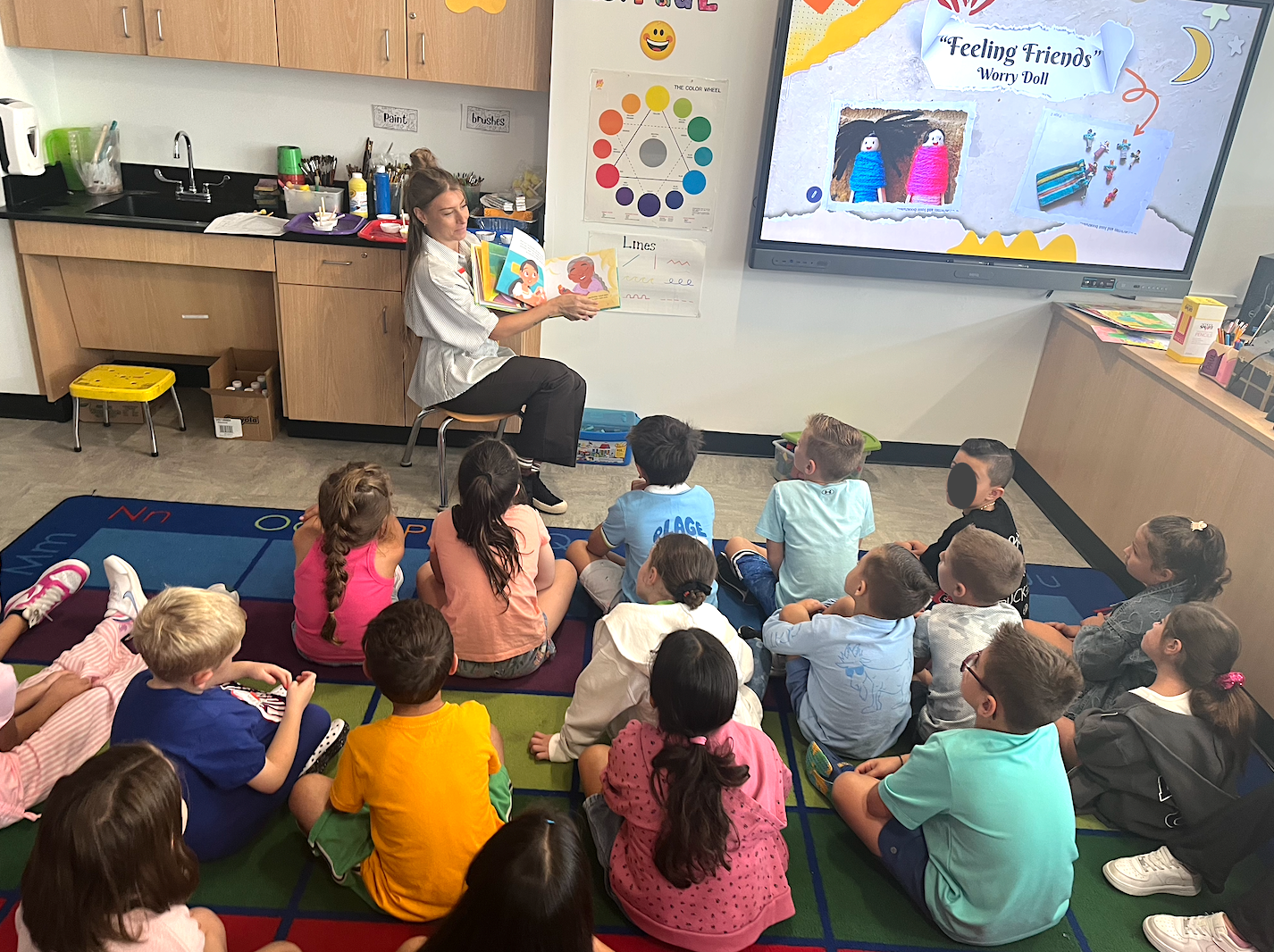
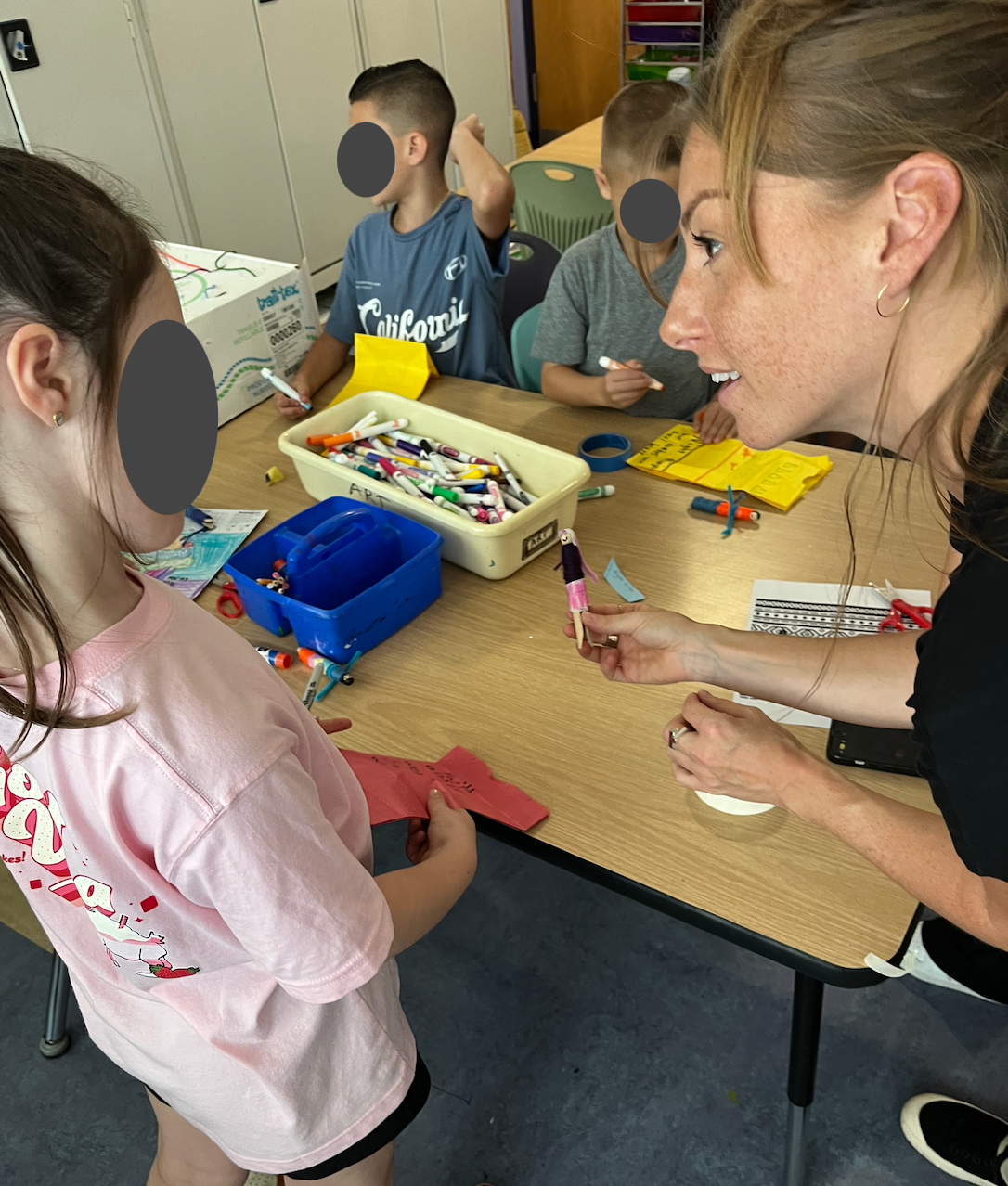
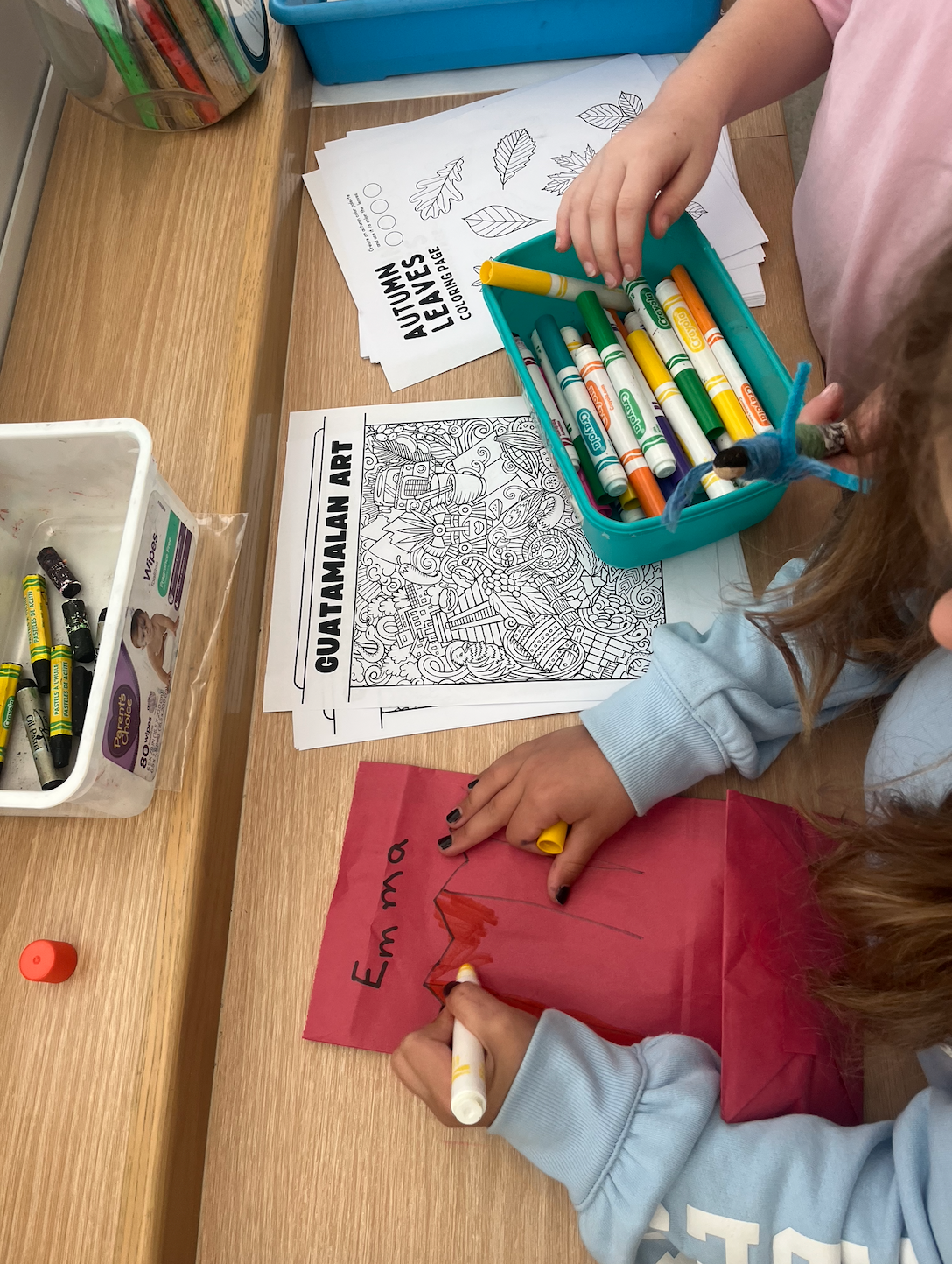
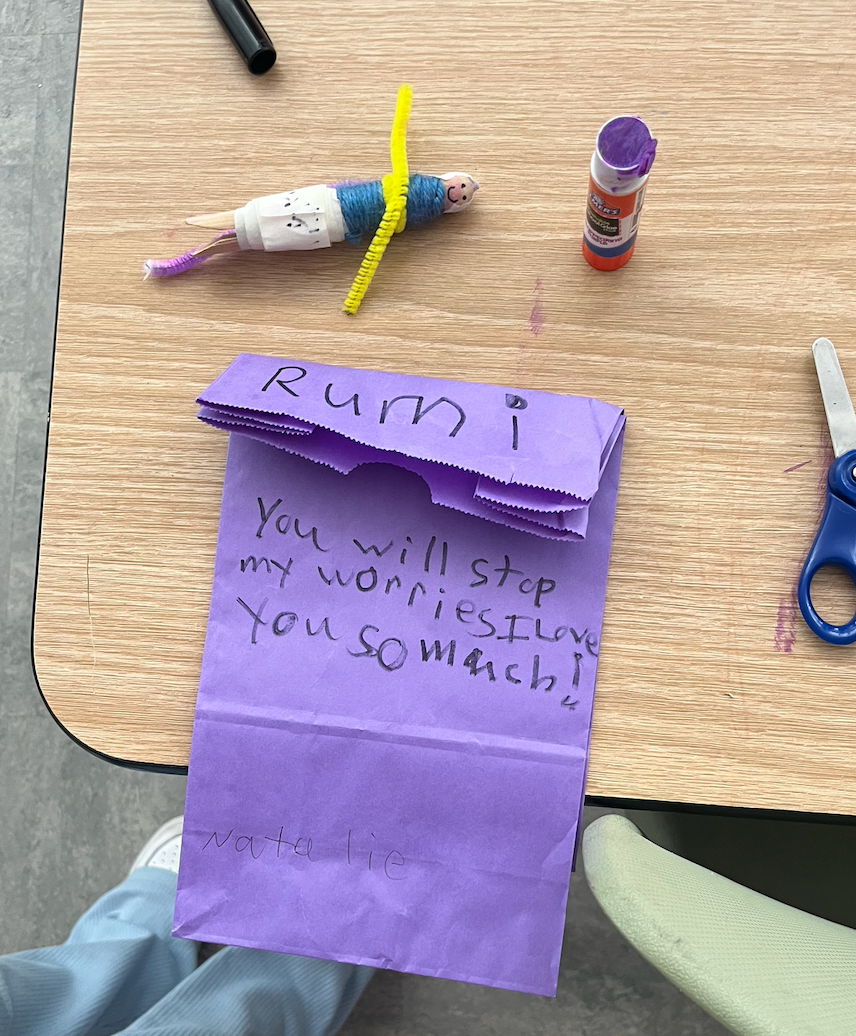
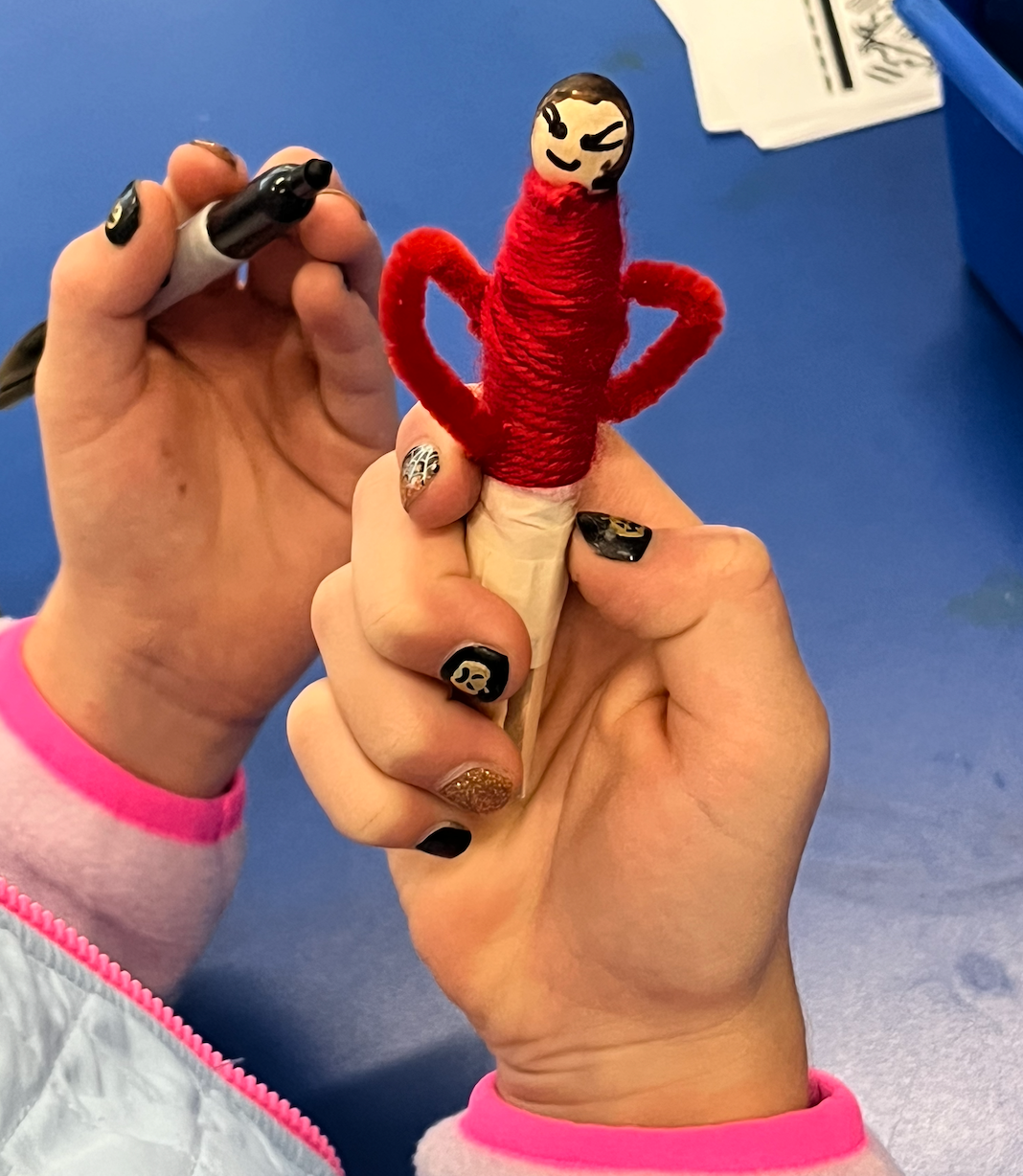
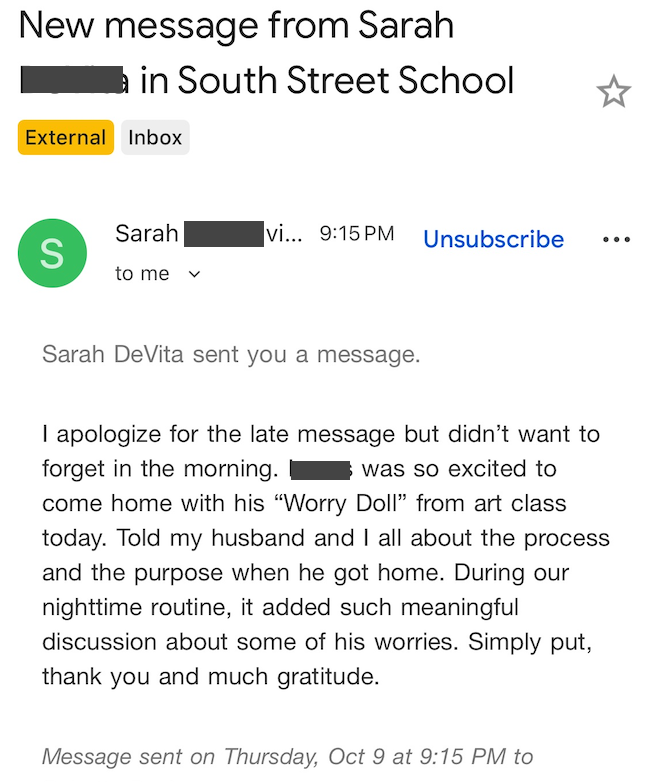
Feeling Friends - 2nd Grade Fiber Art & Social emotional learning Lesson
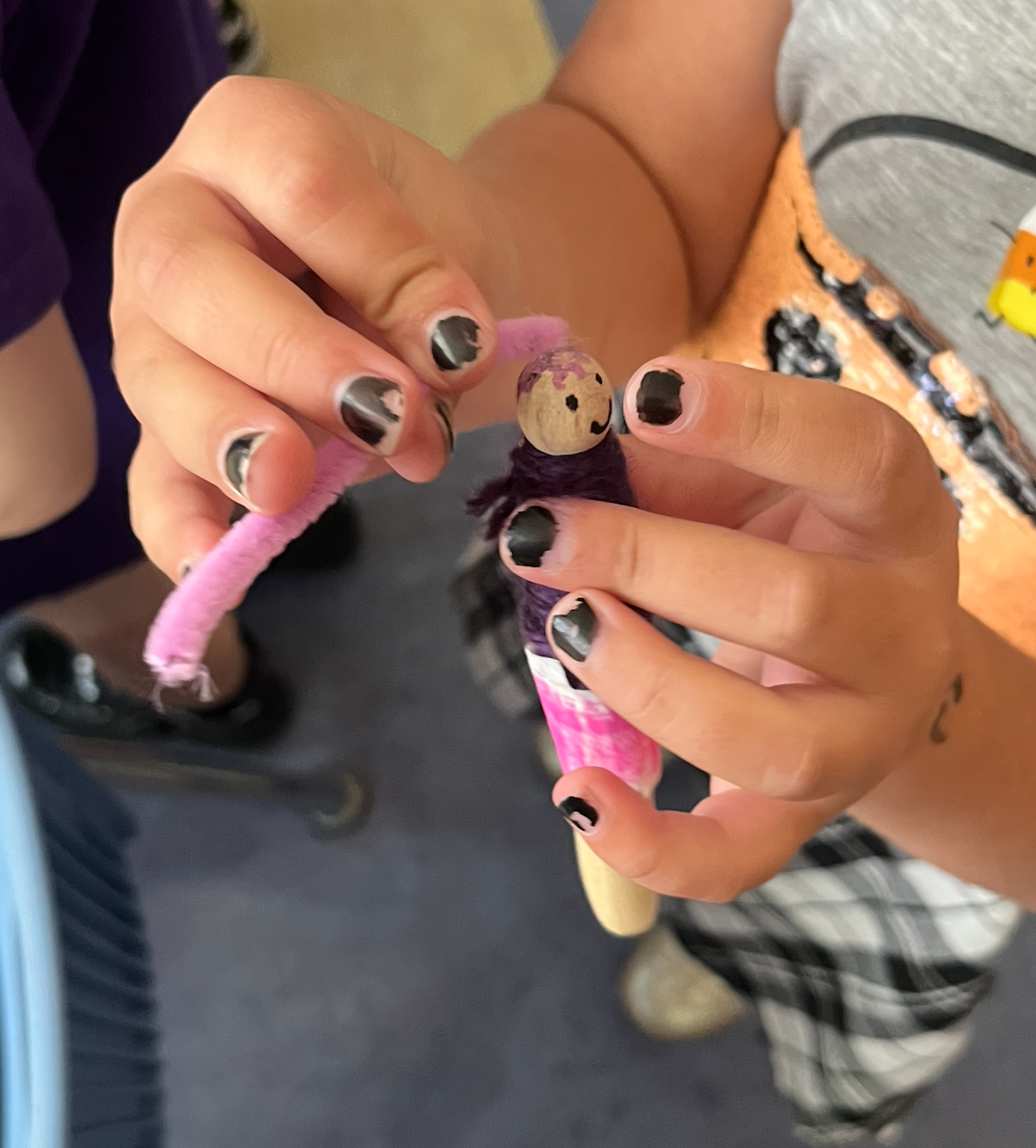
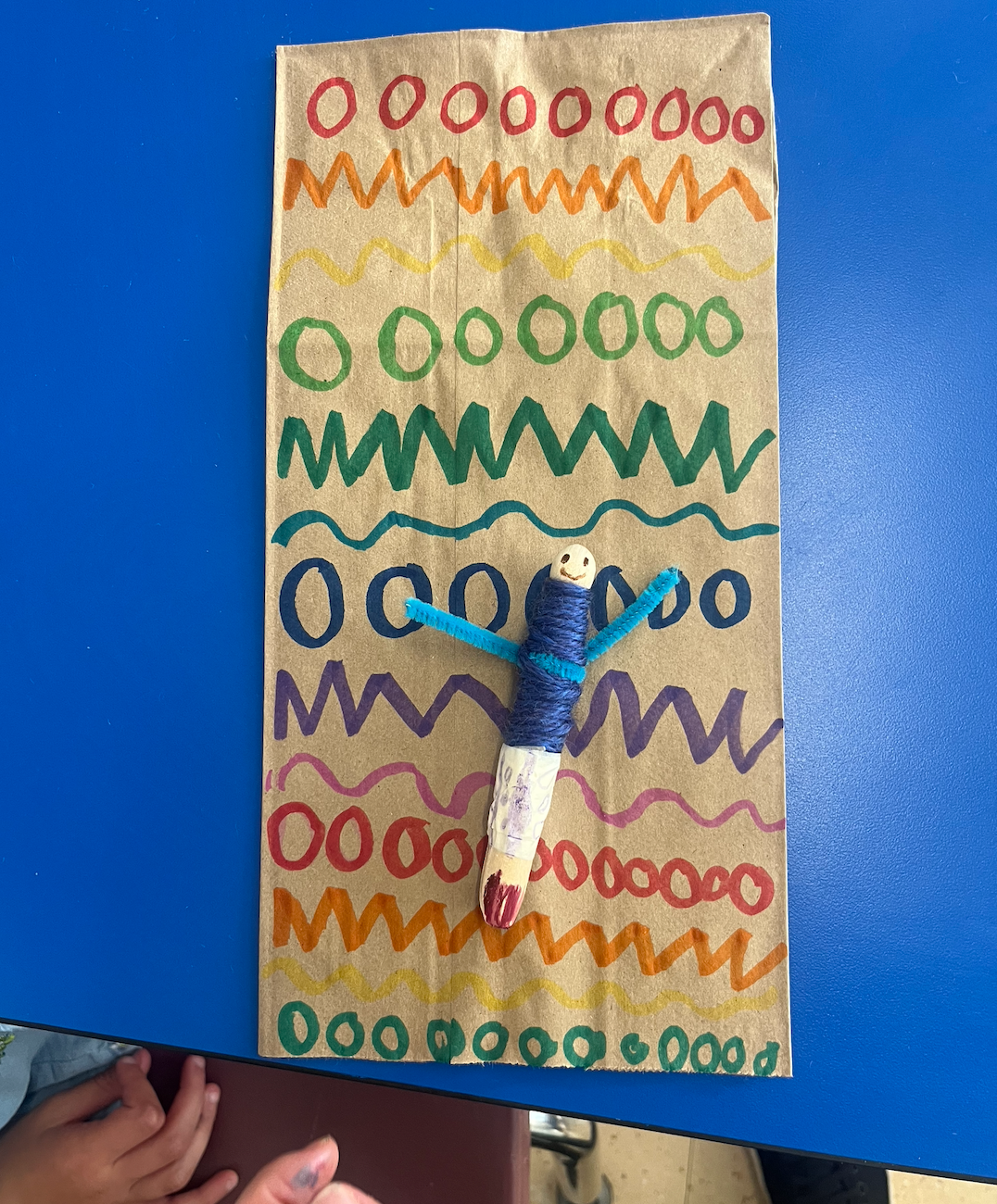
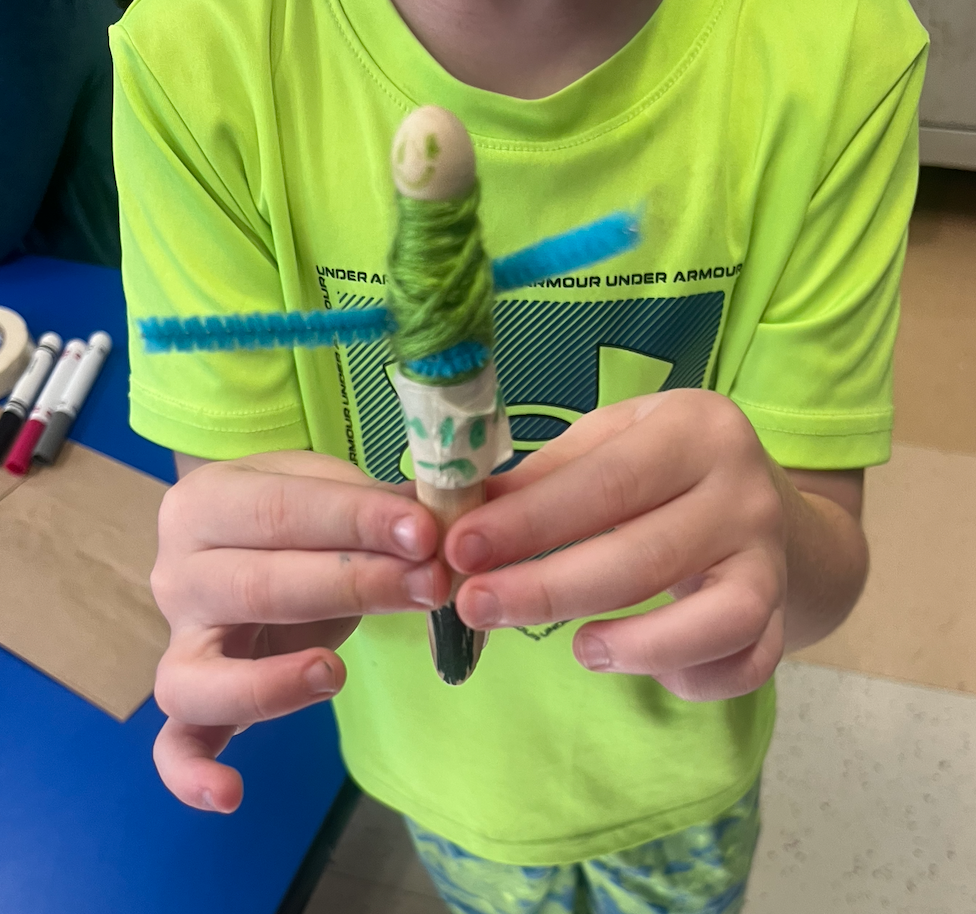
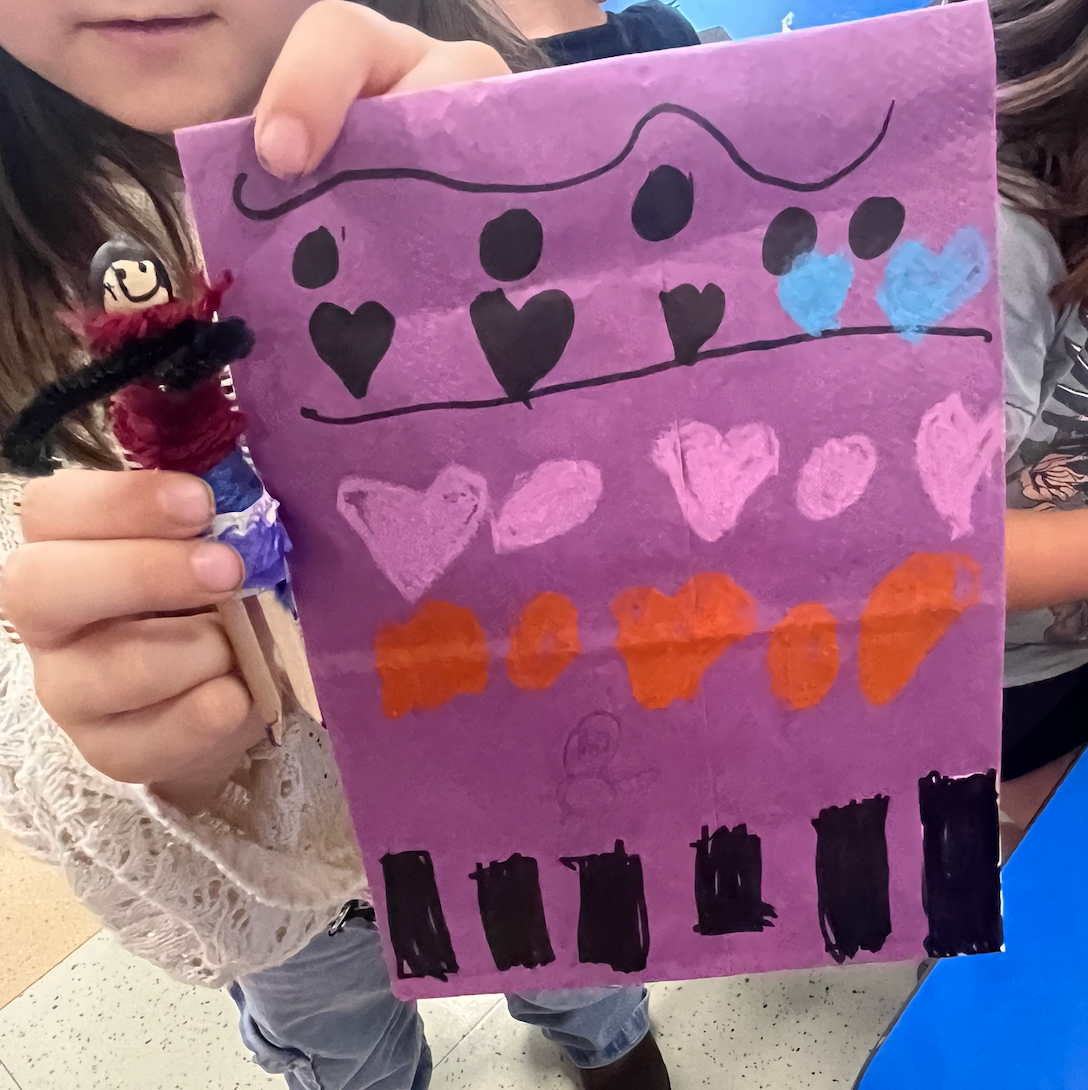
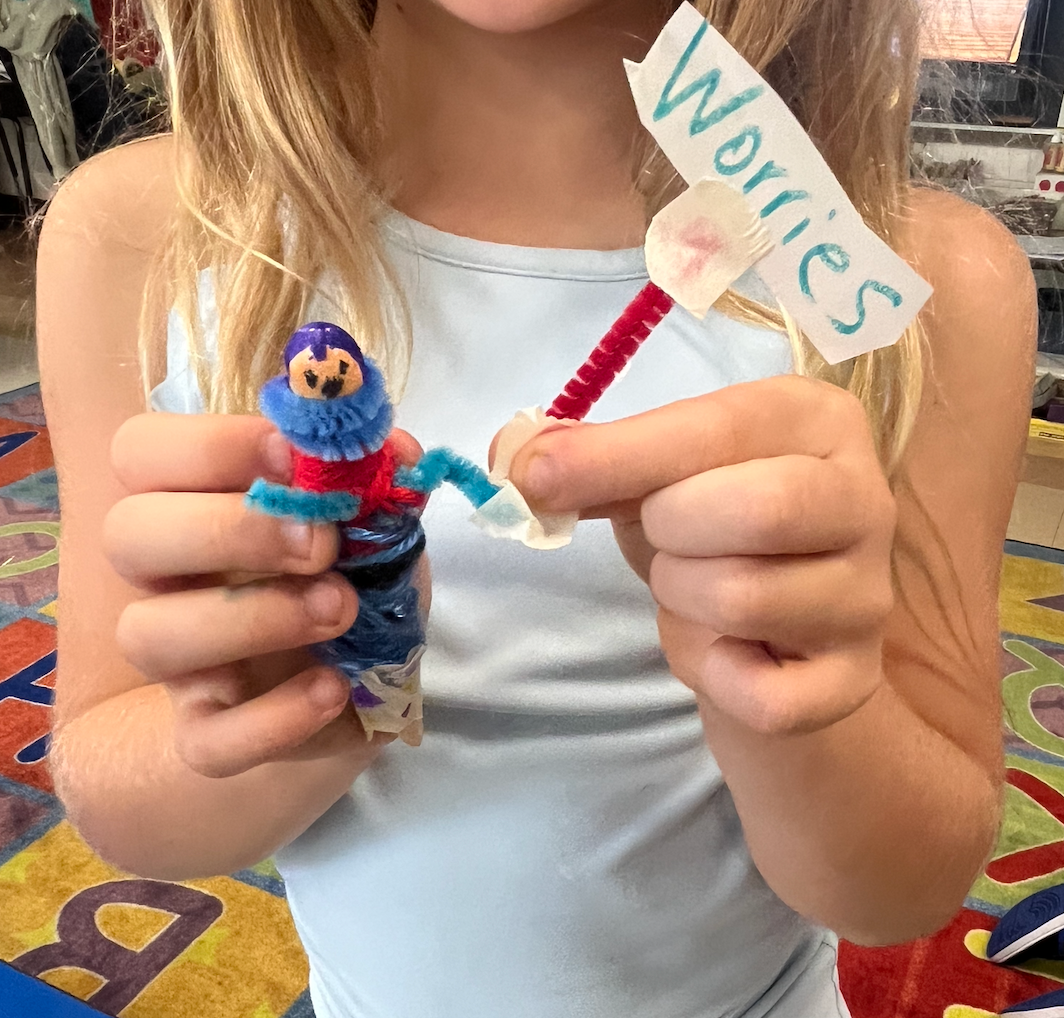
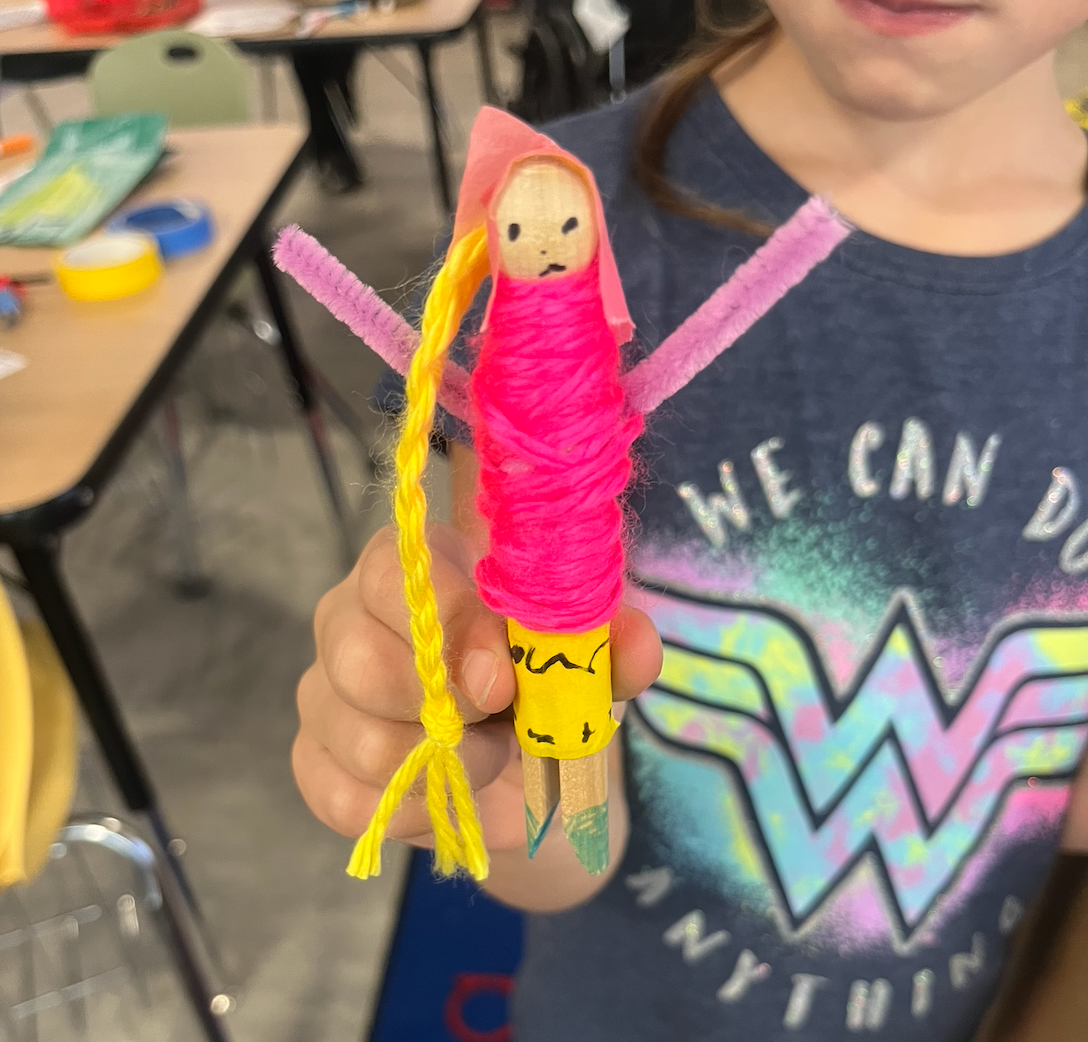
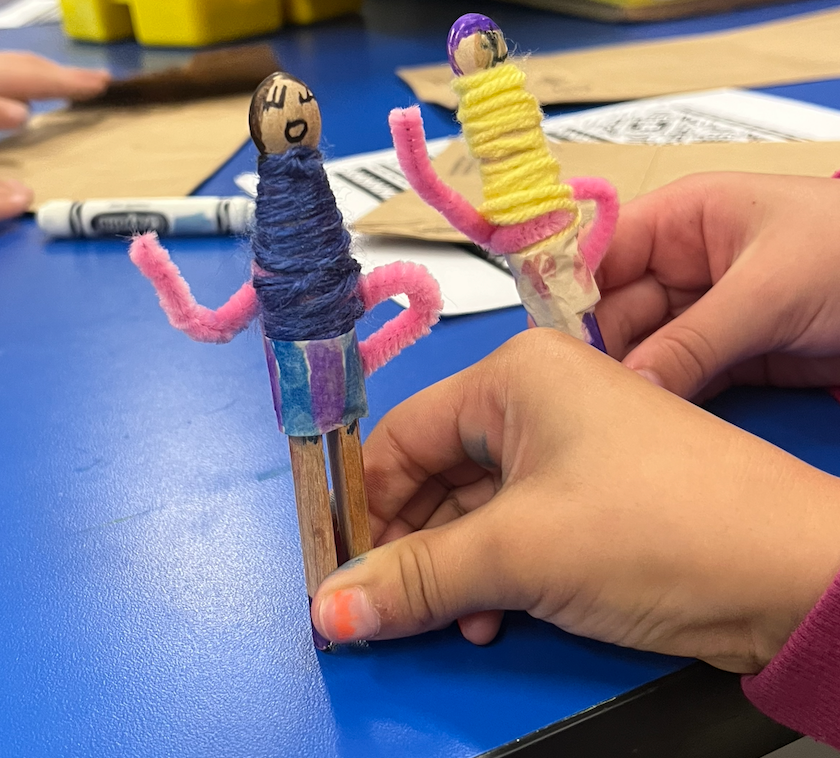
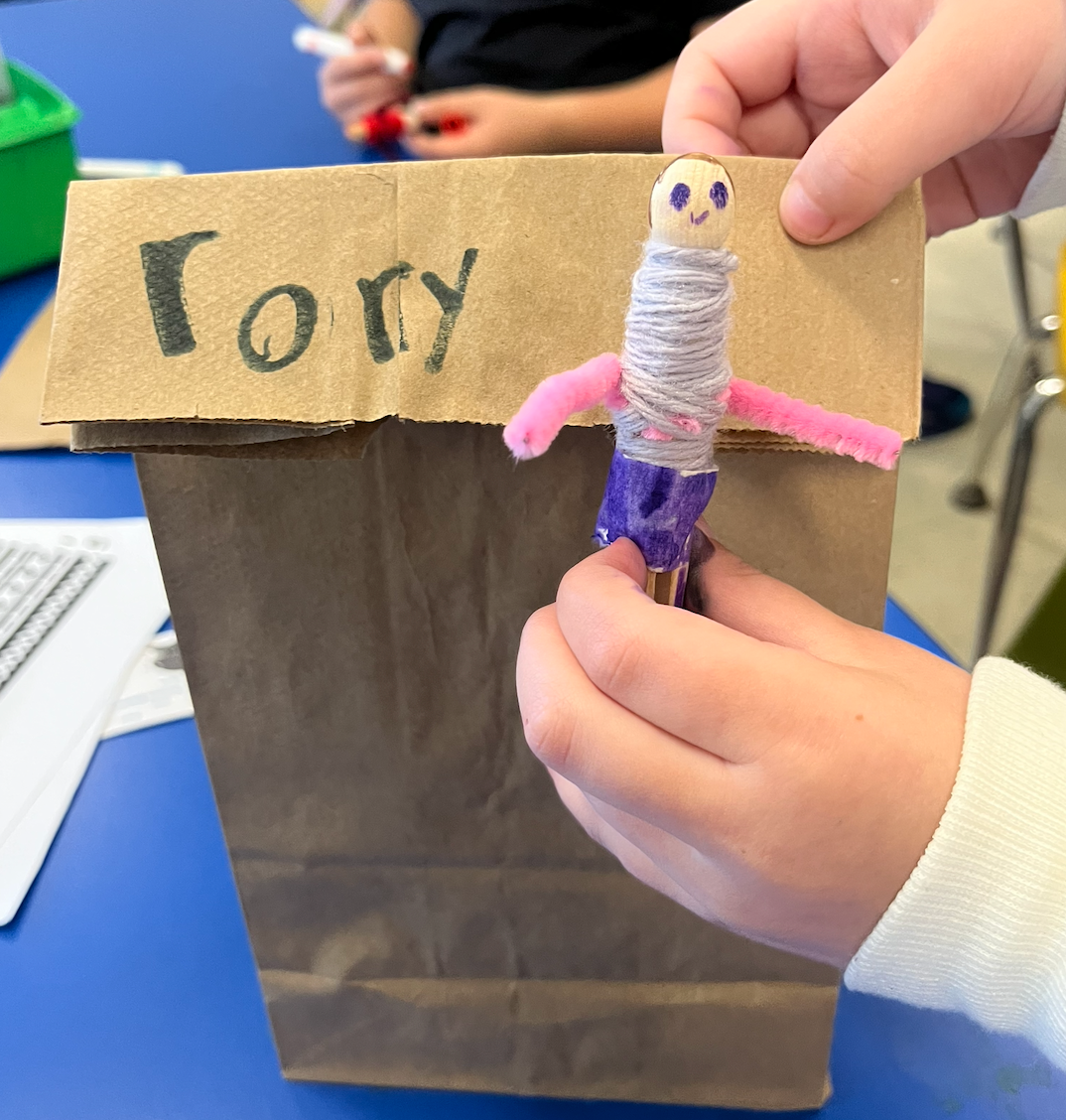
In this culturally inspired and emotionally expressive lesson, second-grade students learned about the Guatemalan tradition of worry dolls and created their own “Feeling Friends” to explore how art can support well-being. After reading The Legend of the Worry Doll and discussing emotions and comfort, students designed personalized fiber art dolls using clothespins, yarn, and mixed media. Through guided demonstration and hands-on exploration, students practiced fine motor and wrapping techniques while making creative choices that reflected their feelings and personalities. Each student’s “Feeling Friend” represented both a connection to a cultural art form and a personal tool for emotional expression. This lesson integrated social-emotional learning, cultural appreciation, and fiber art techniques, encouraging reflection, empathy, and self-awareness through the creative process.
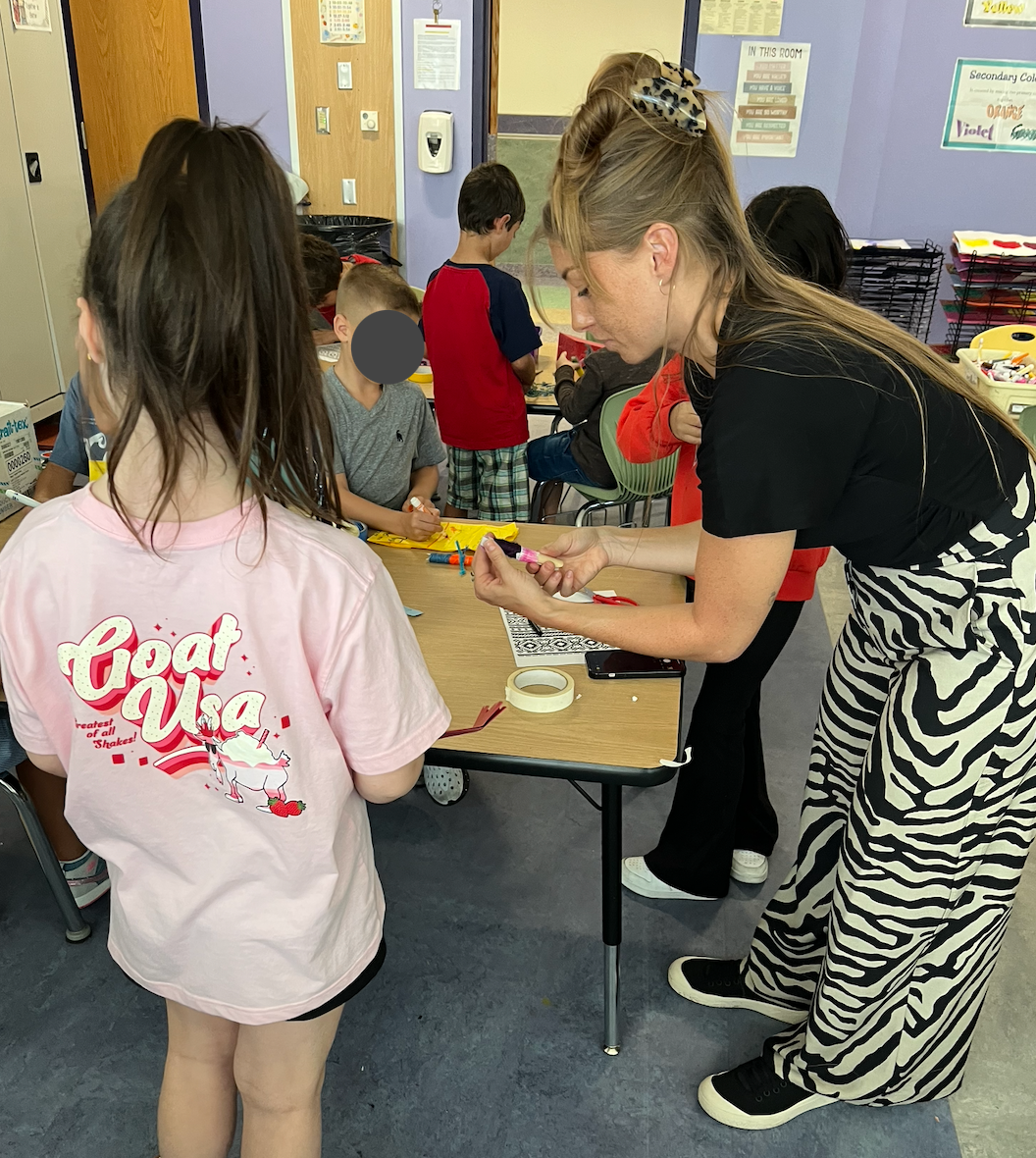
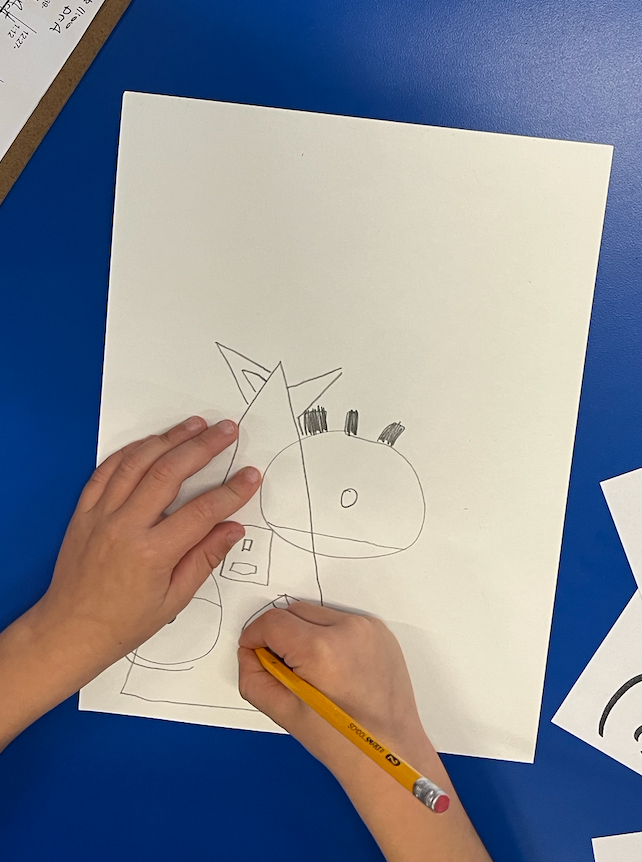
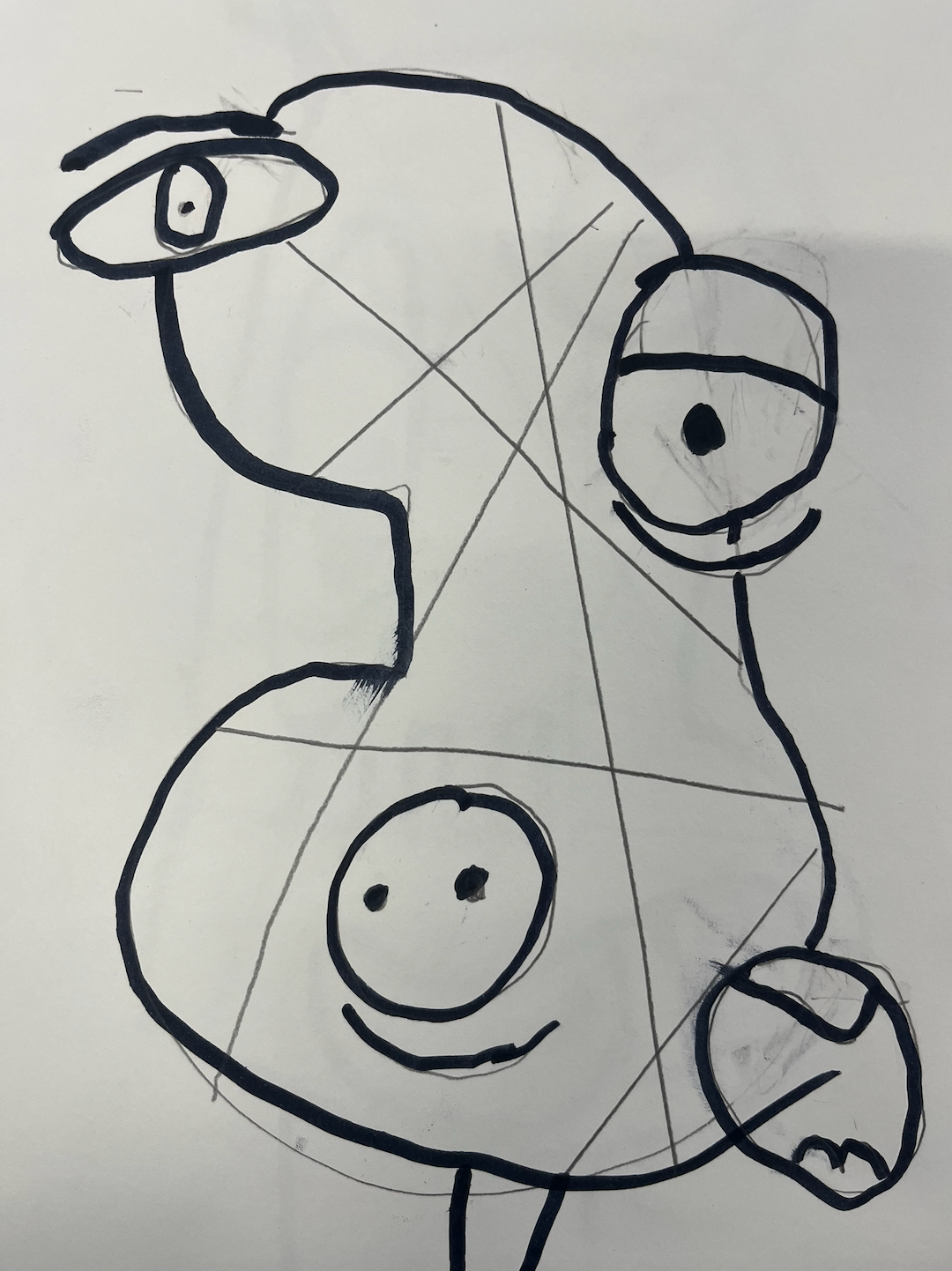
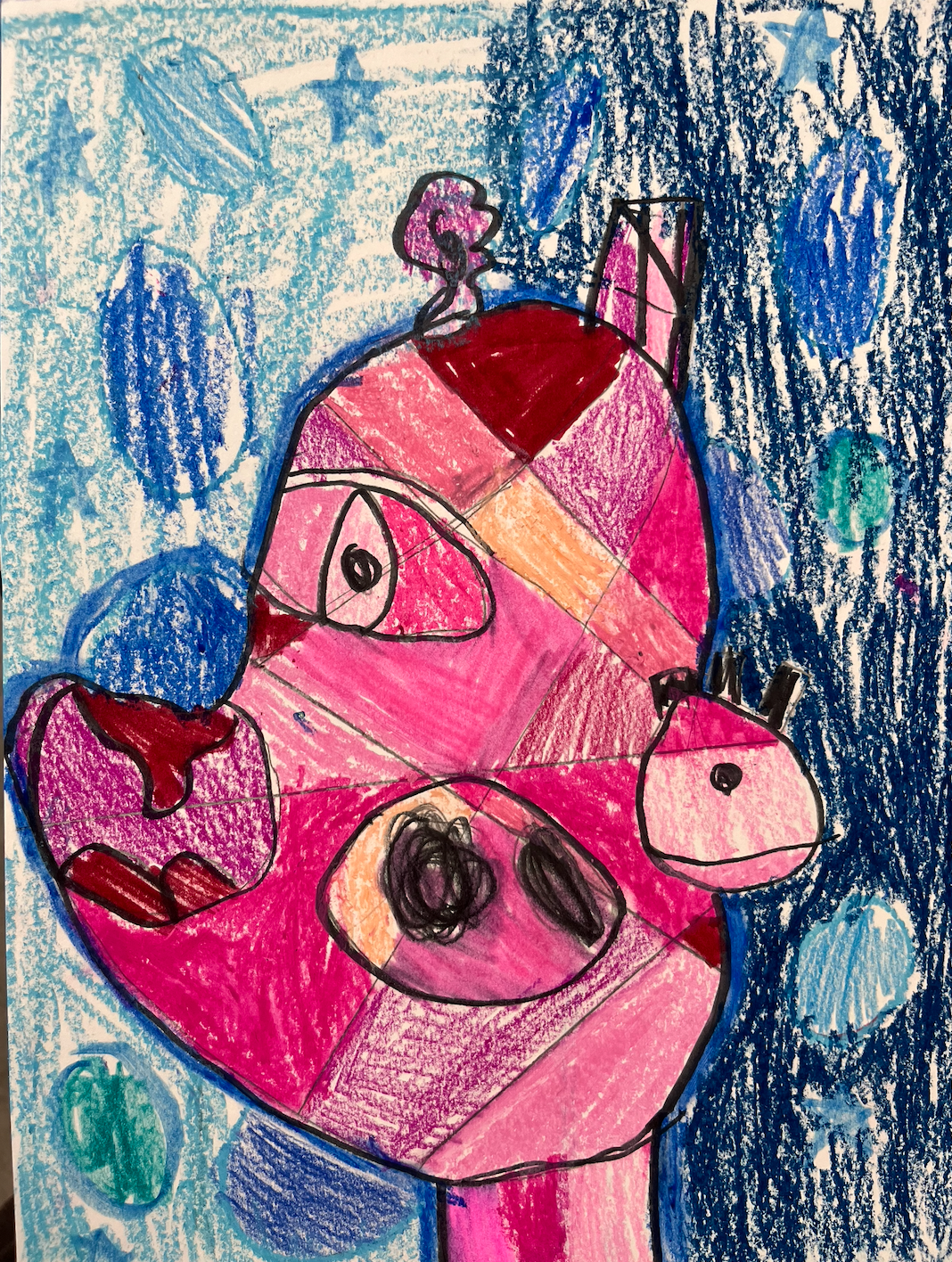
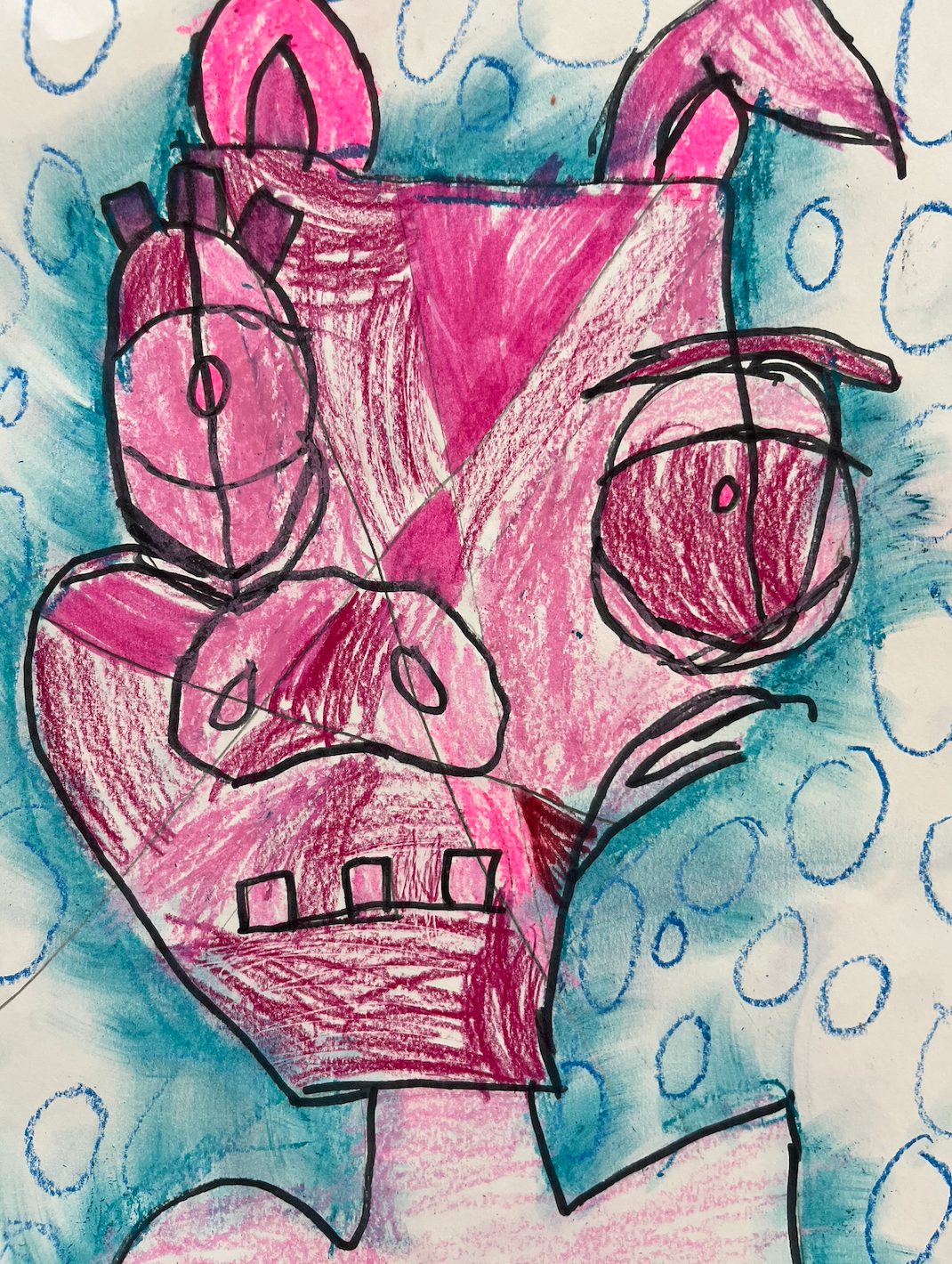
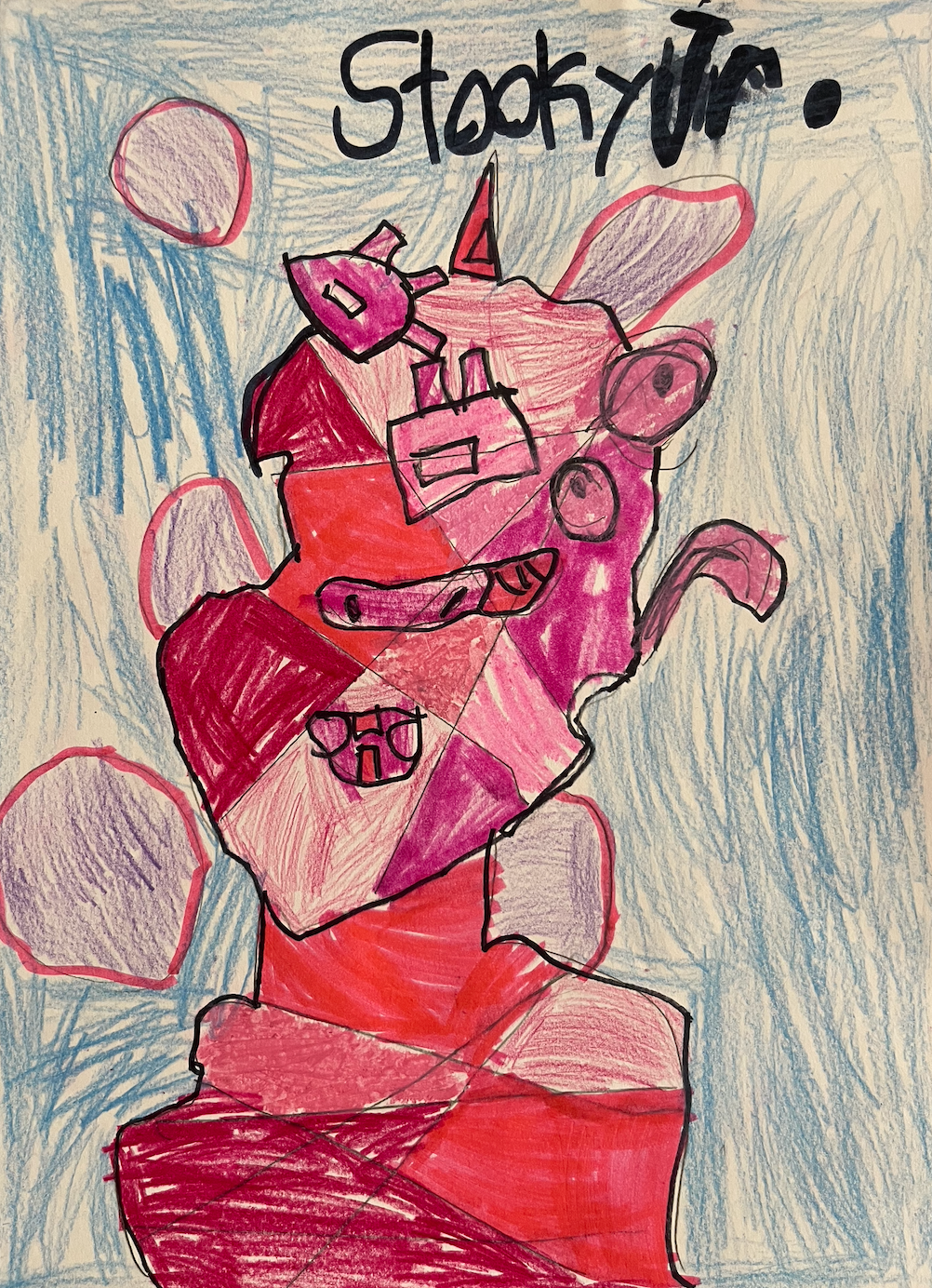
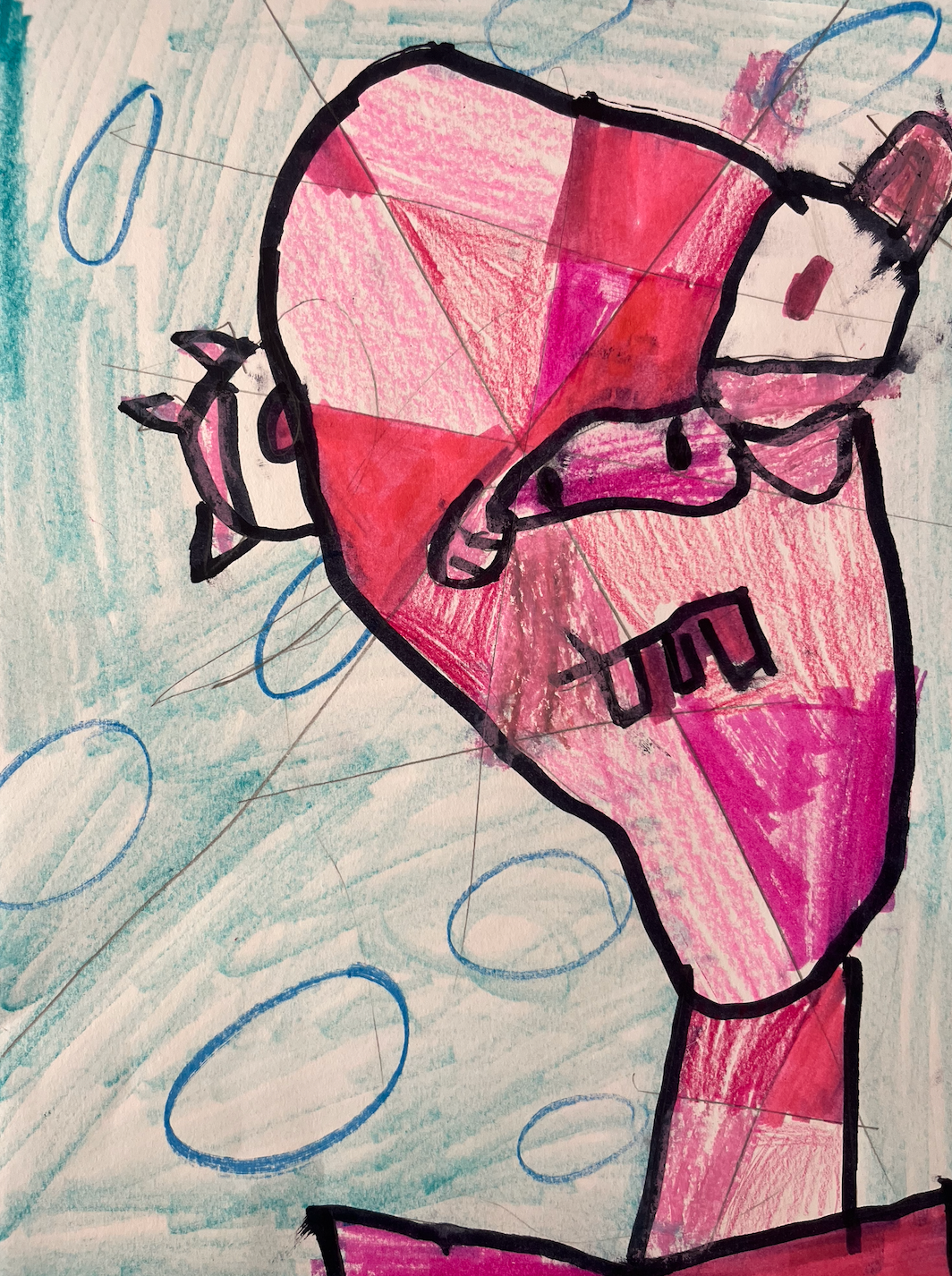
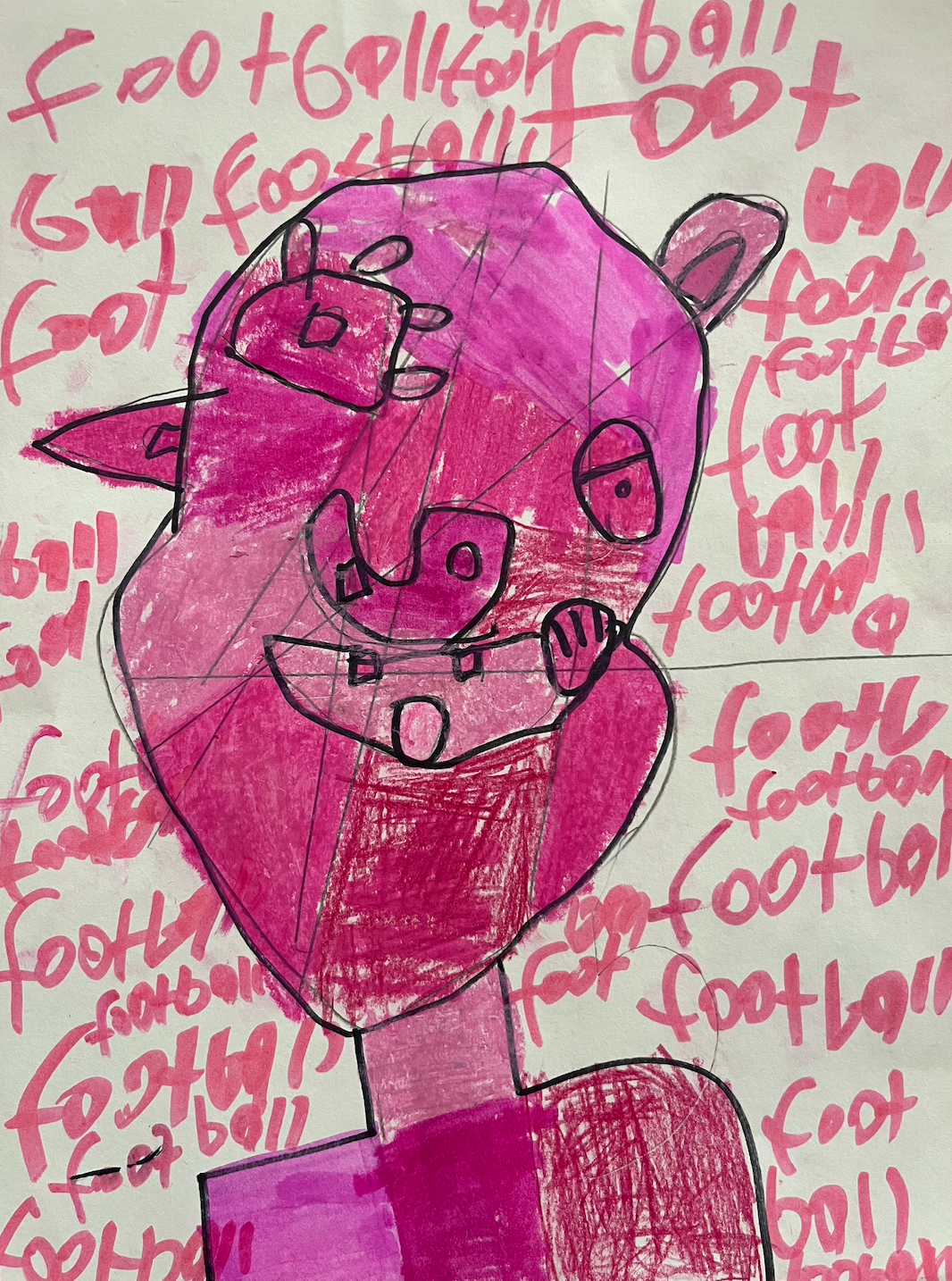
Pigasso Portraits - 2nd Grade cubism & Color Lesson
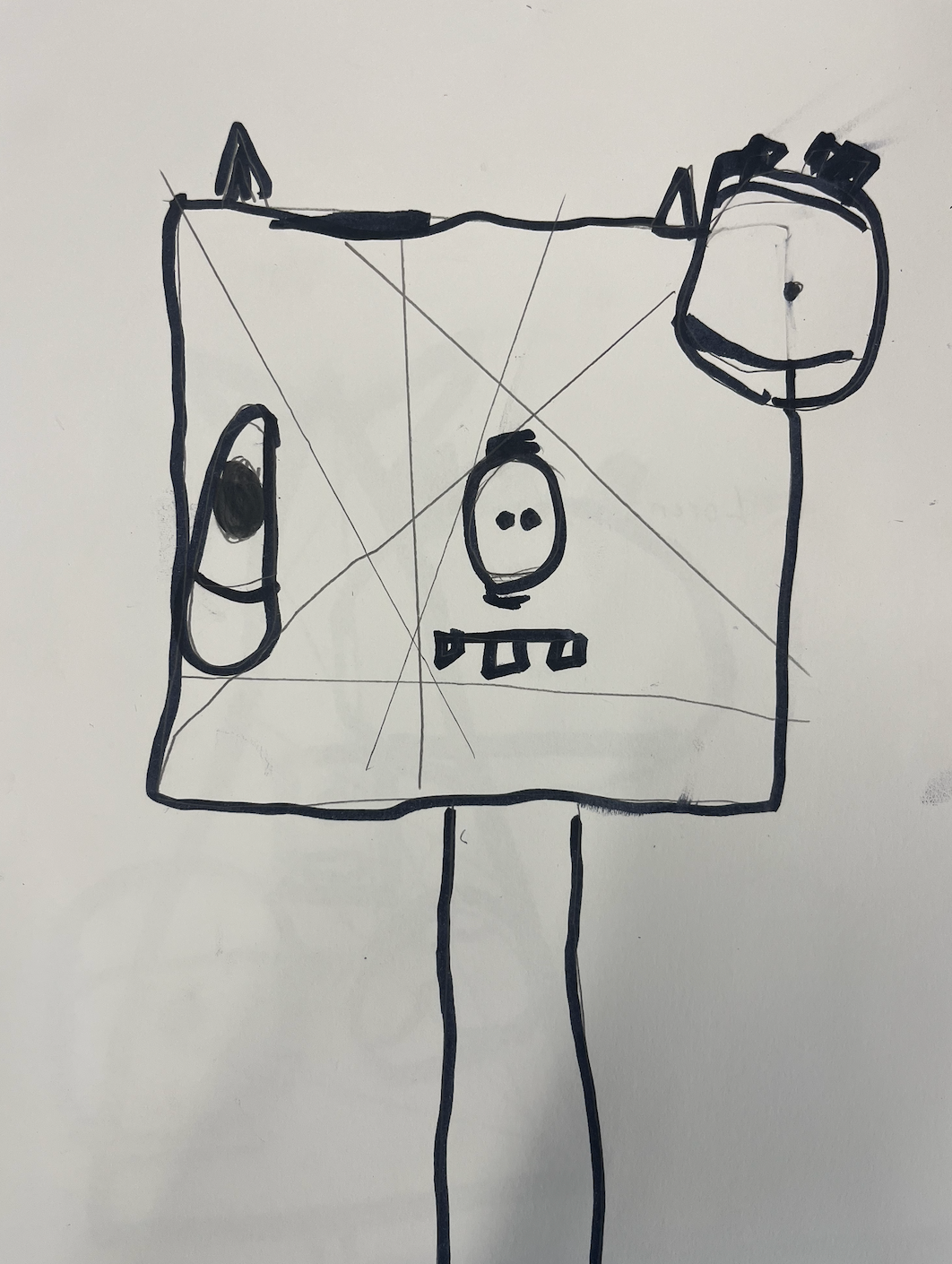
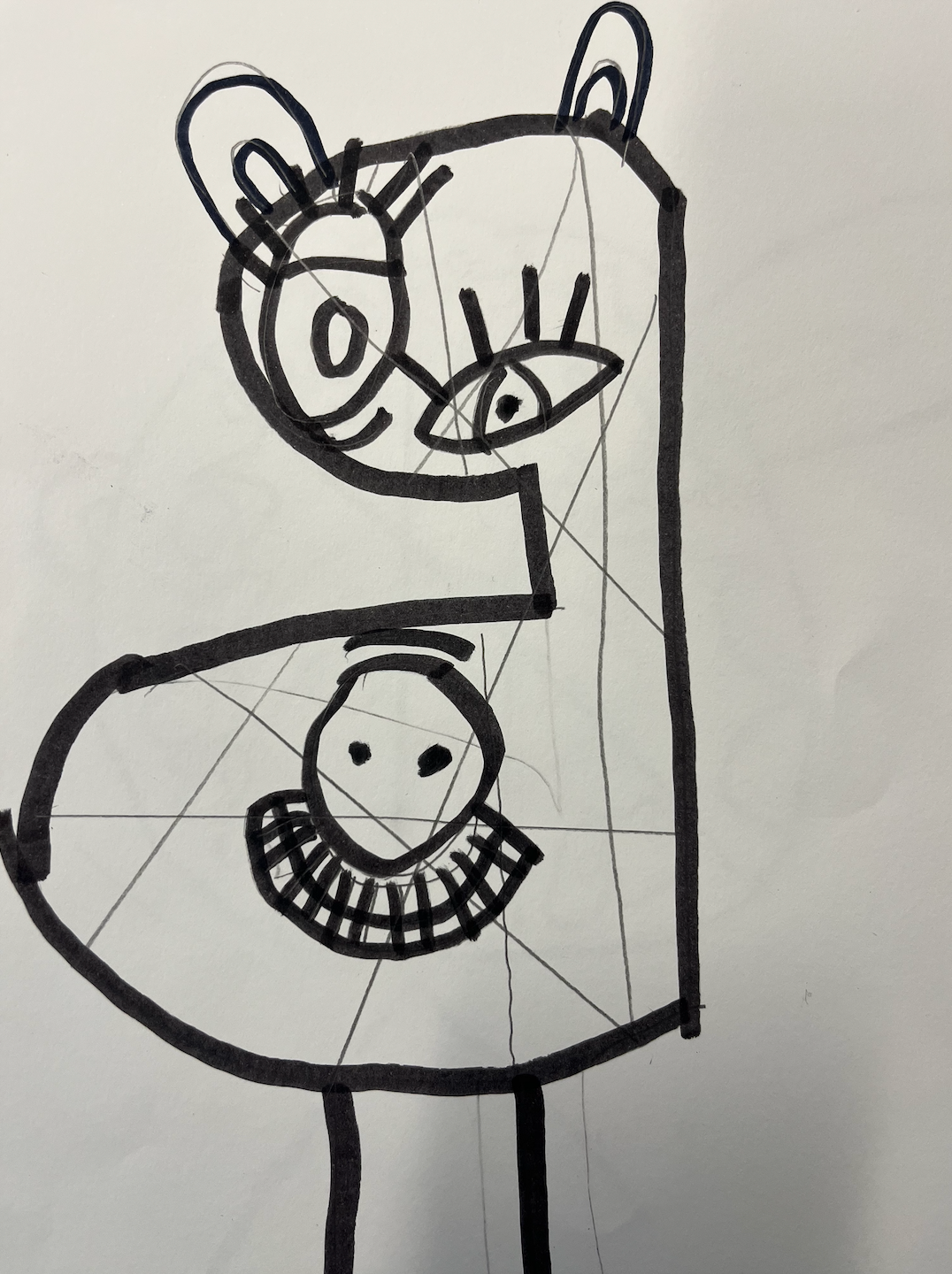
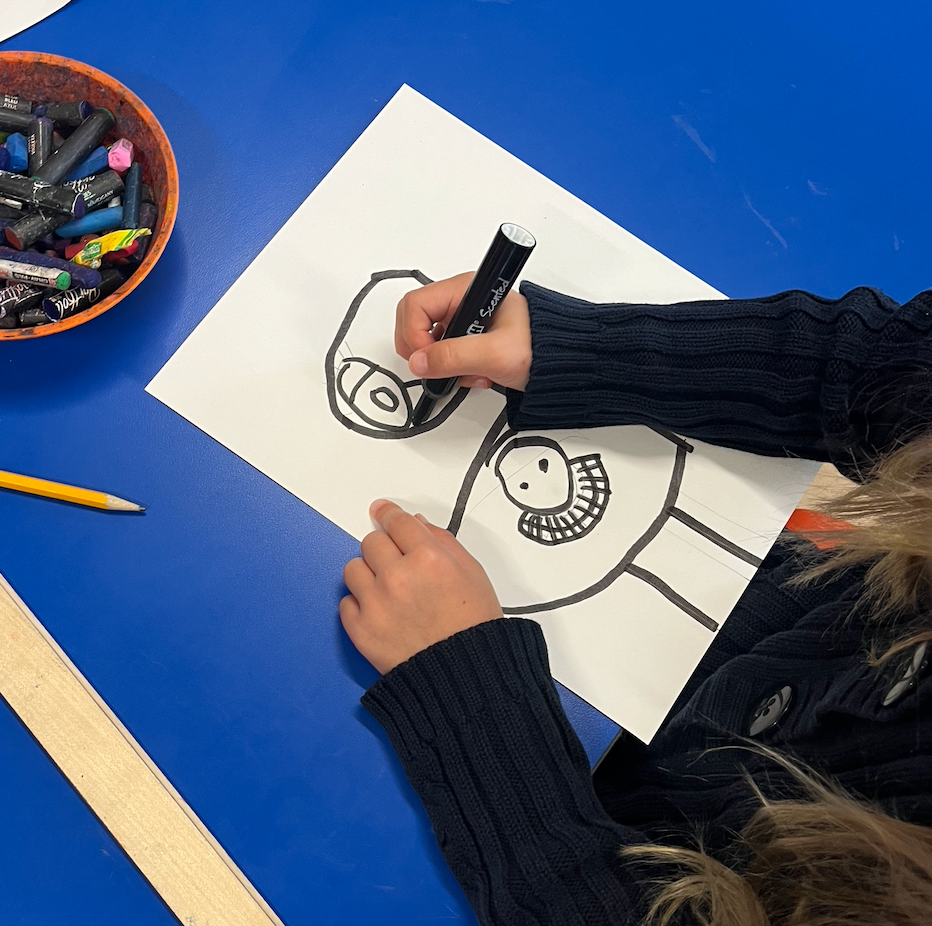
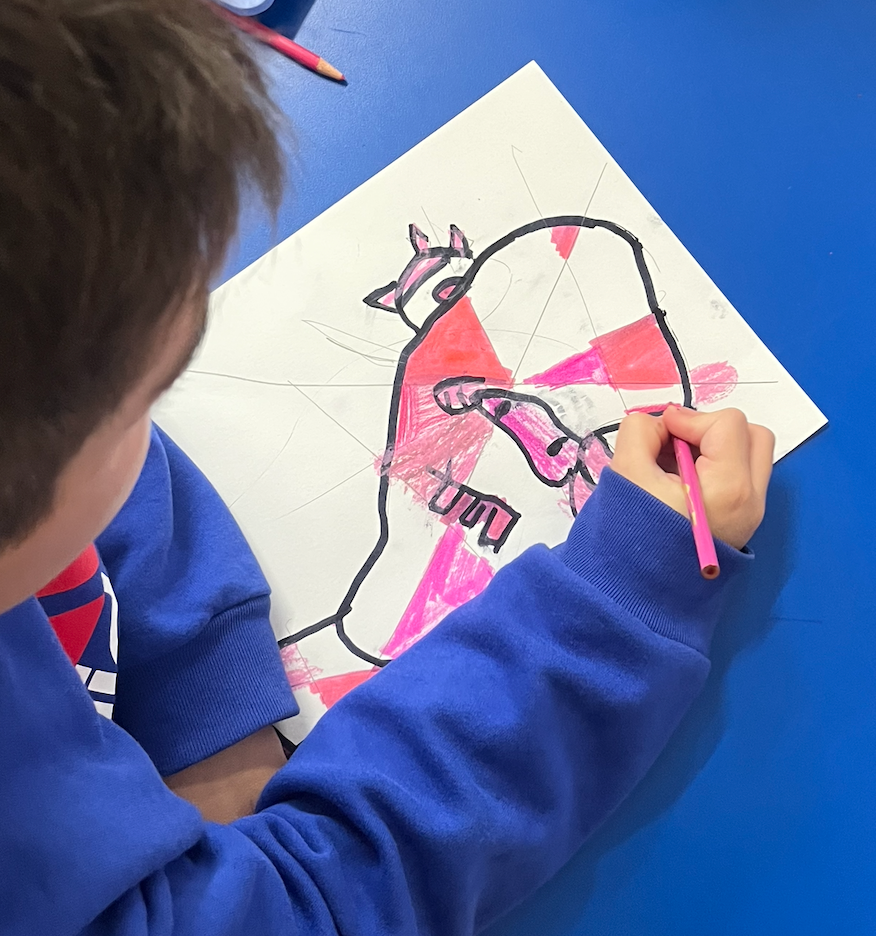
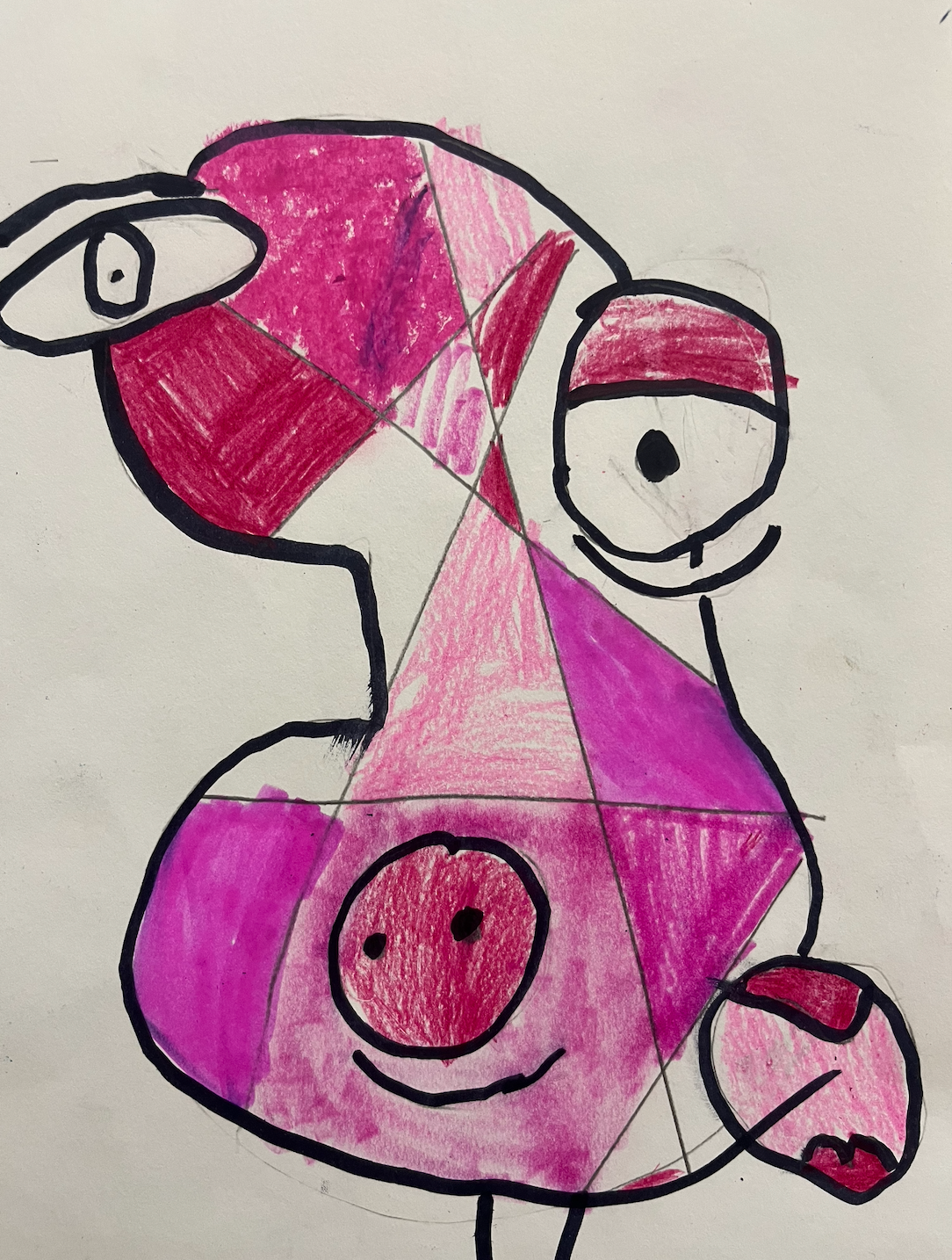
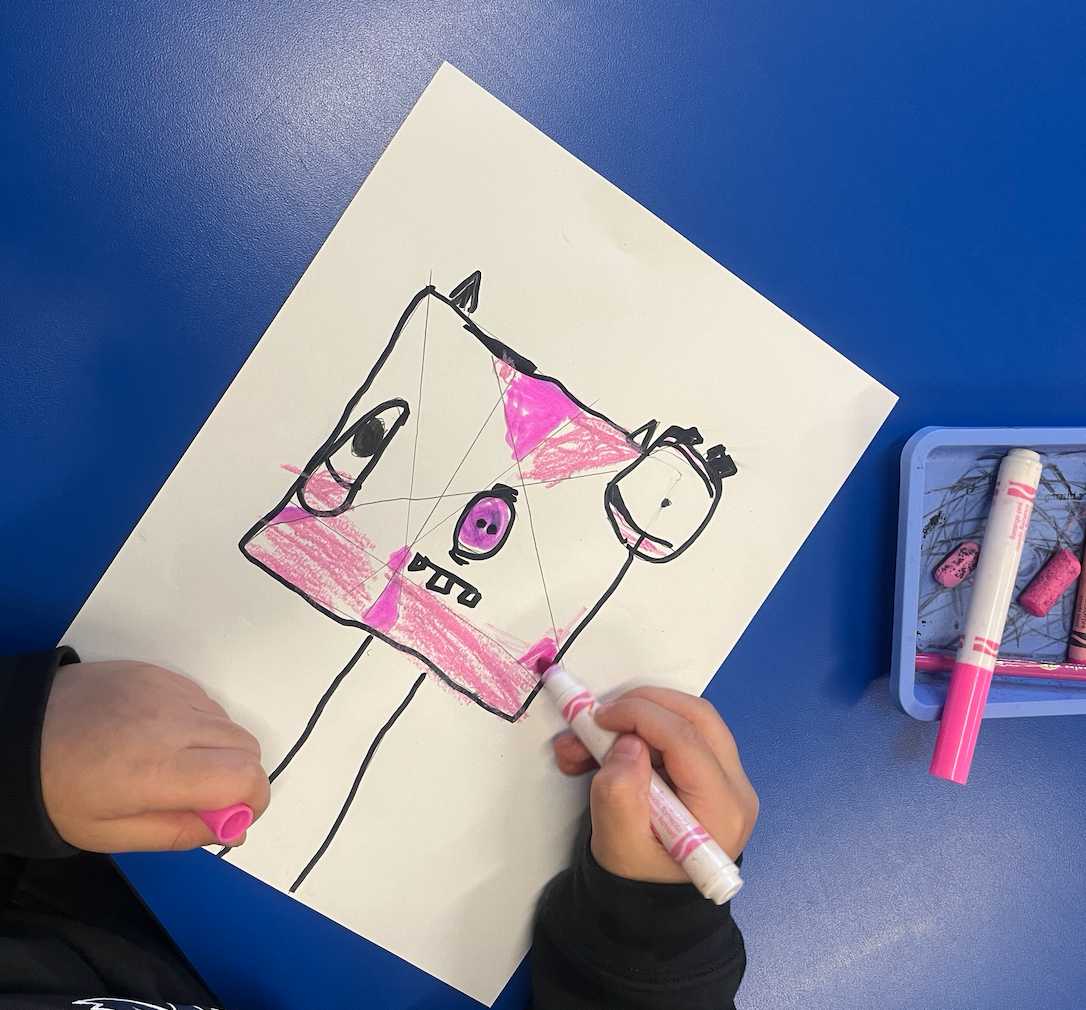
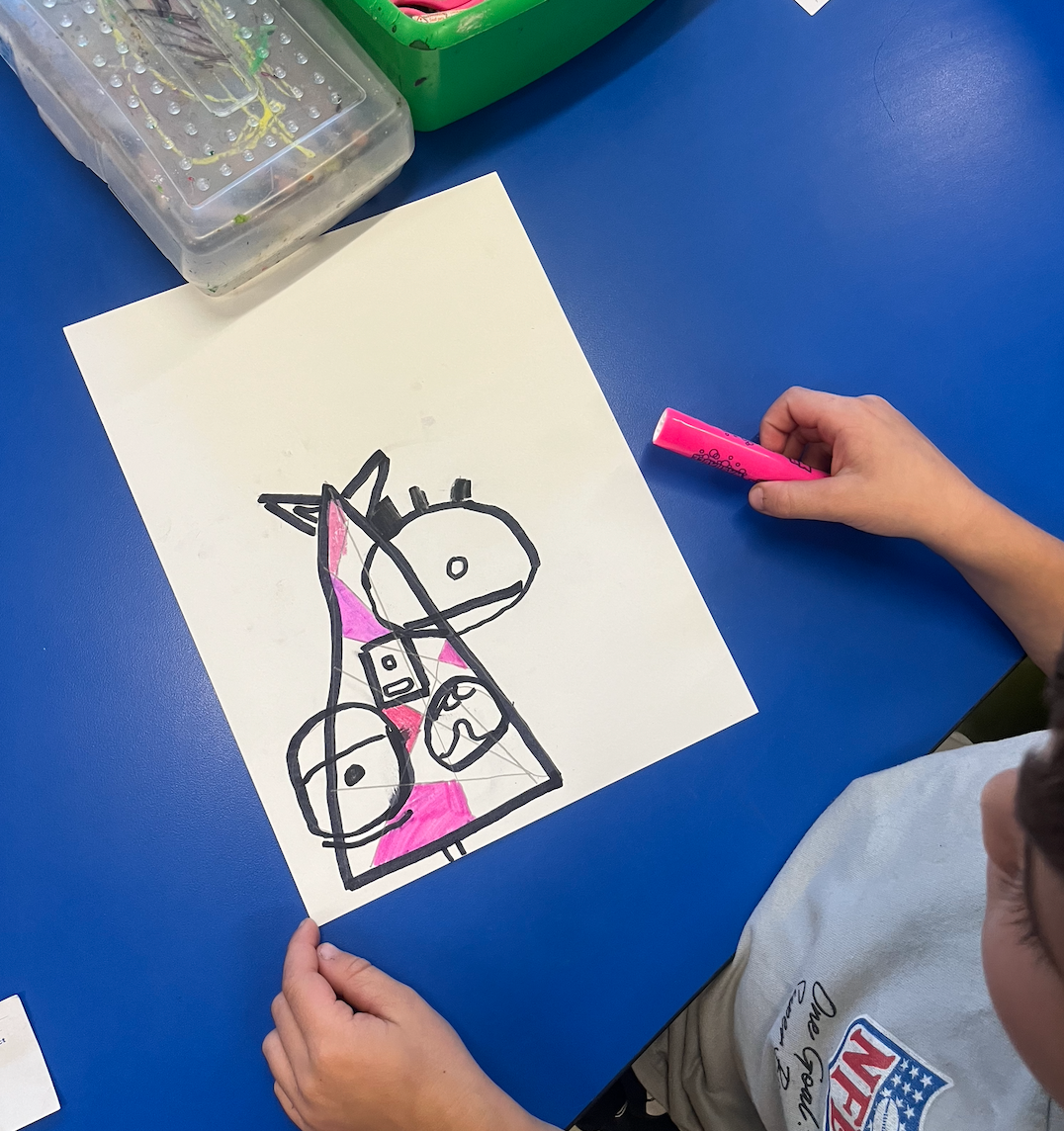
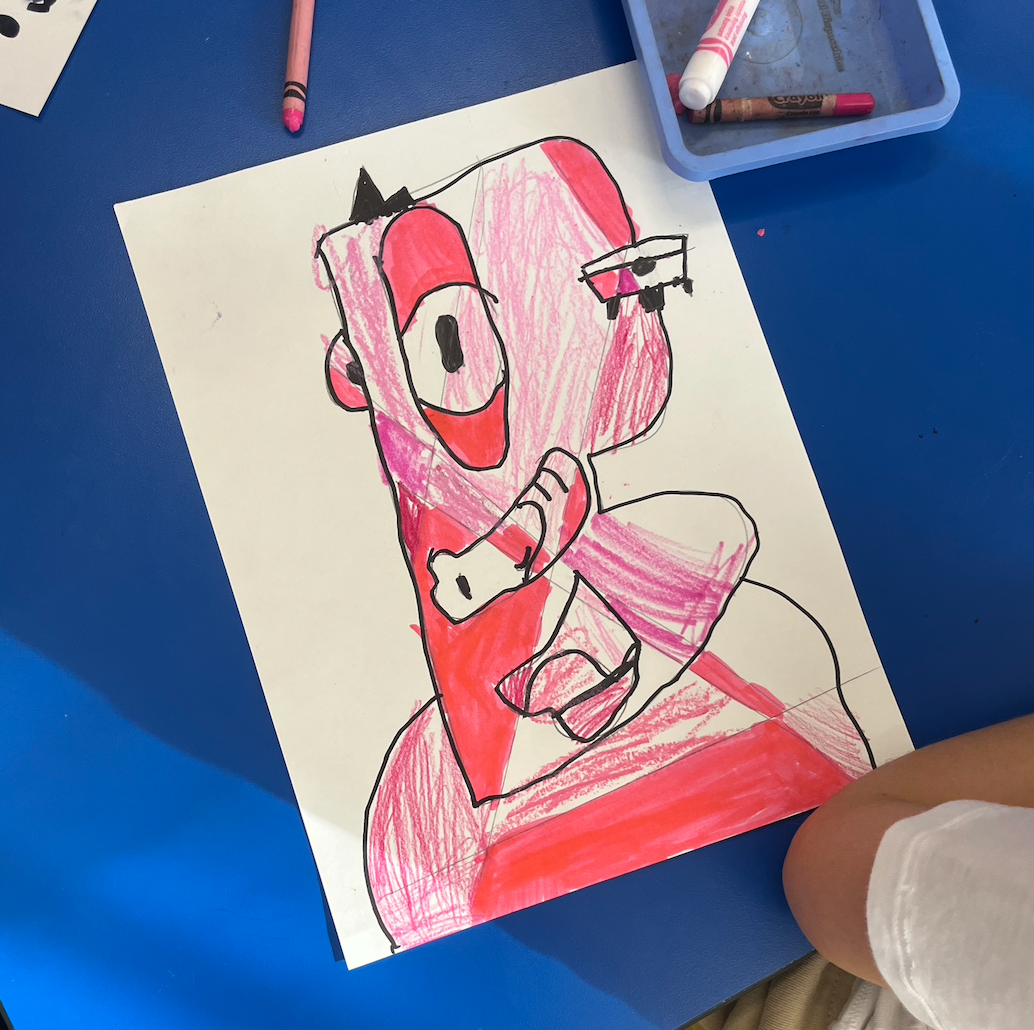
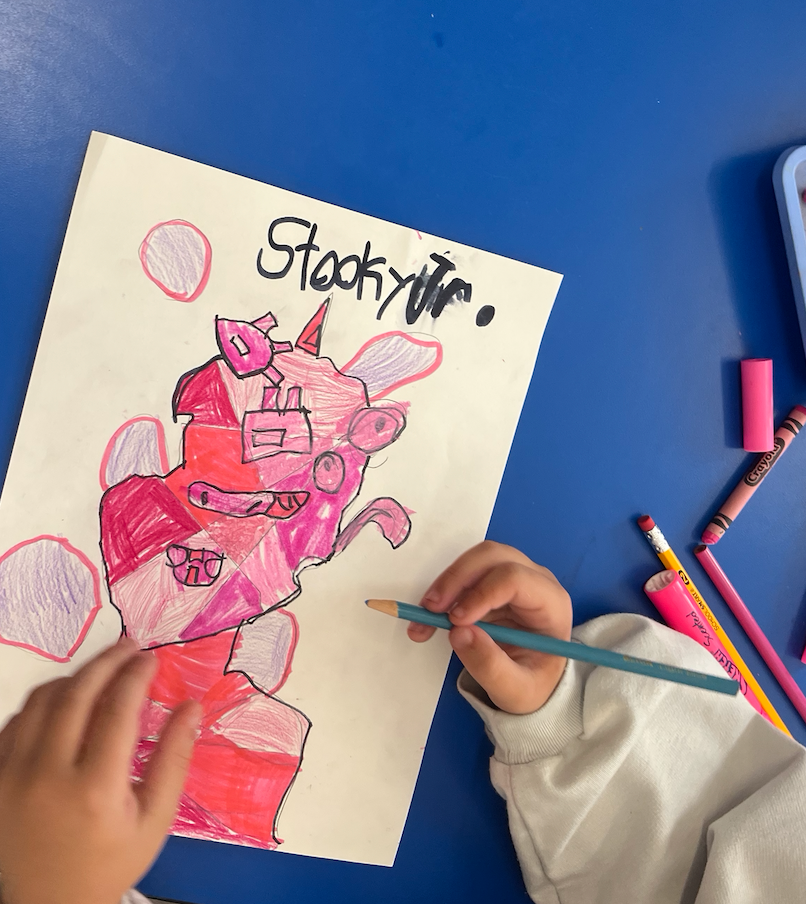
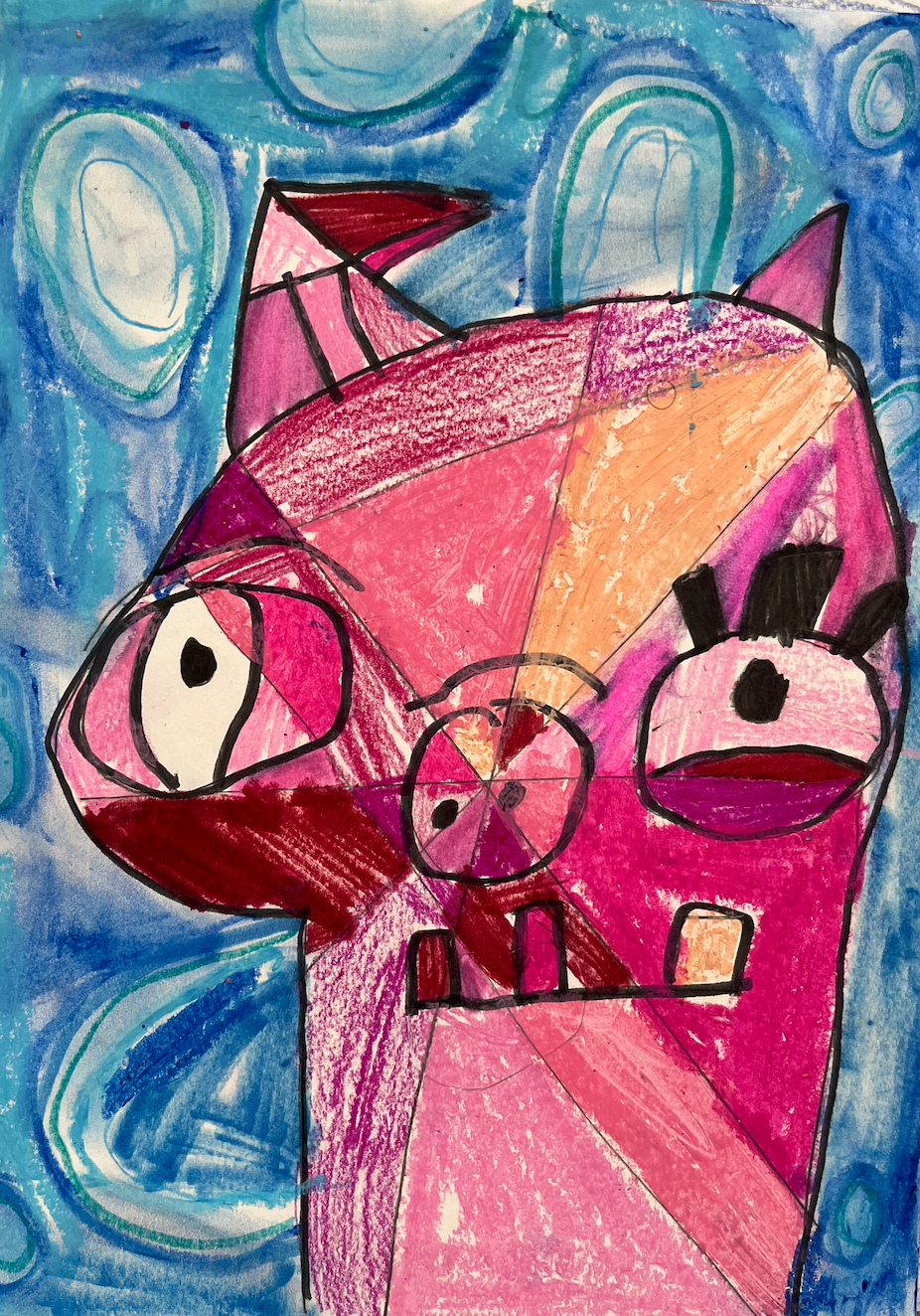
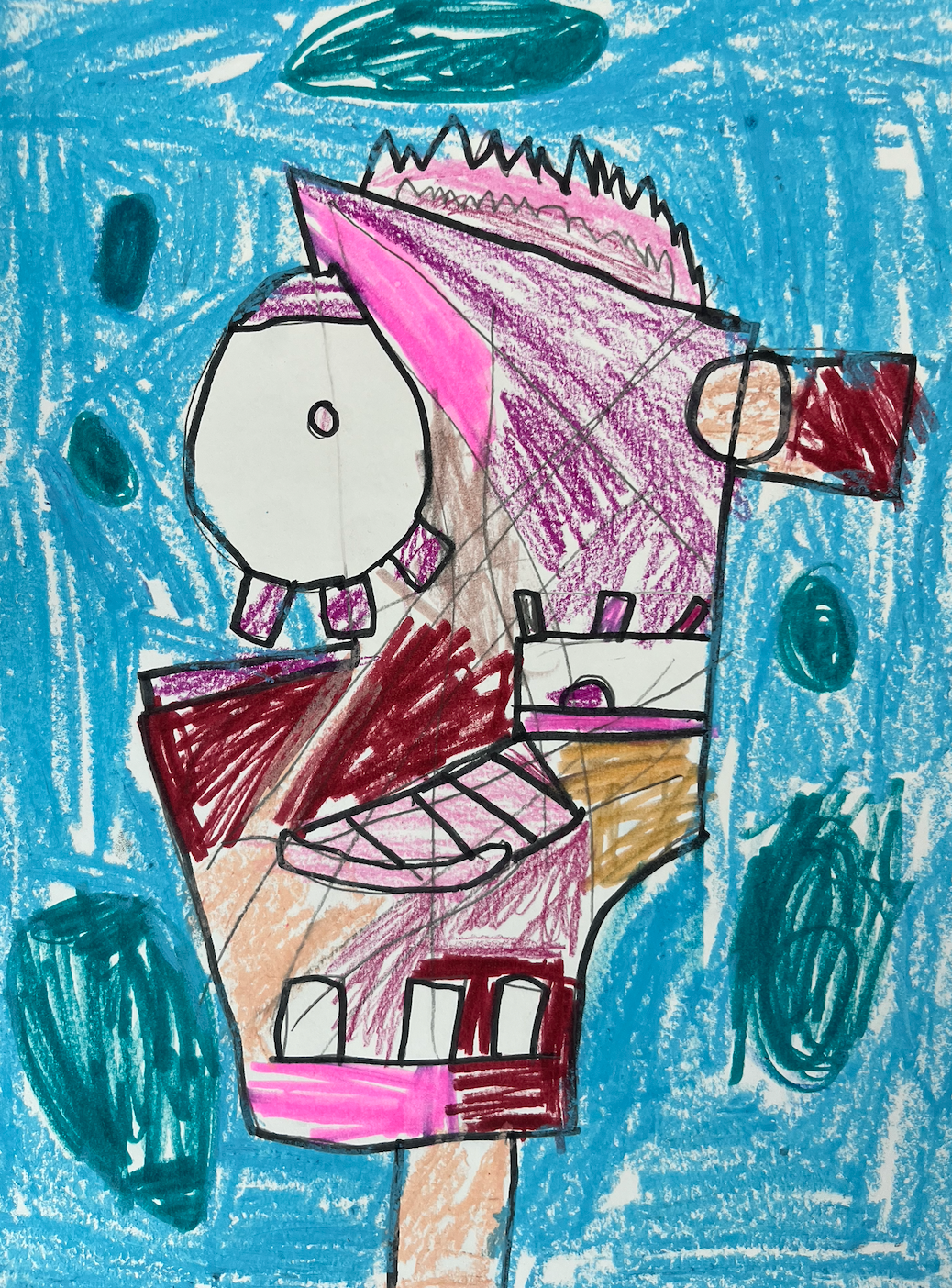
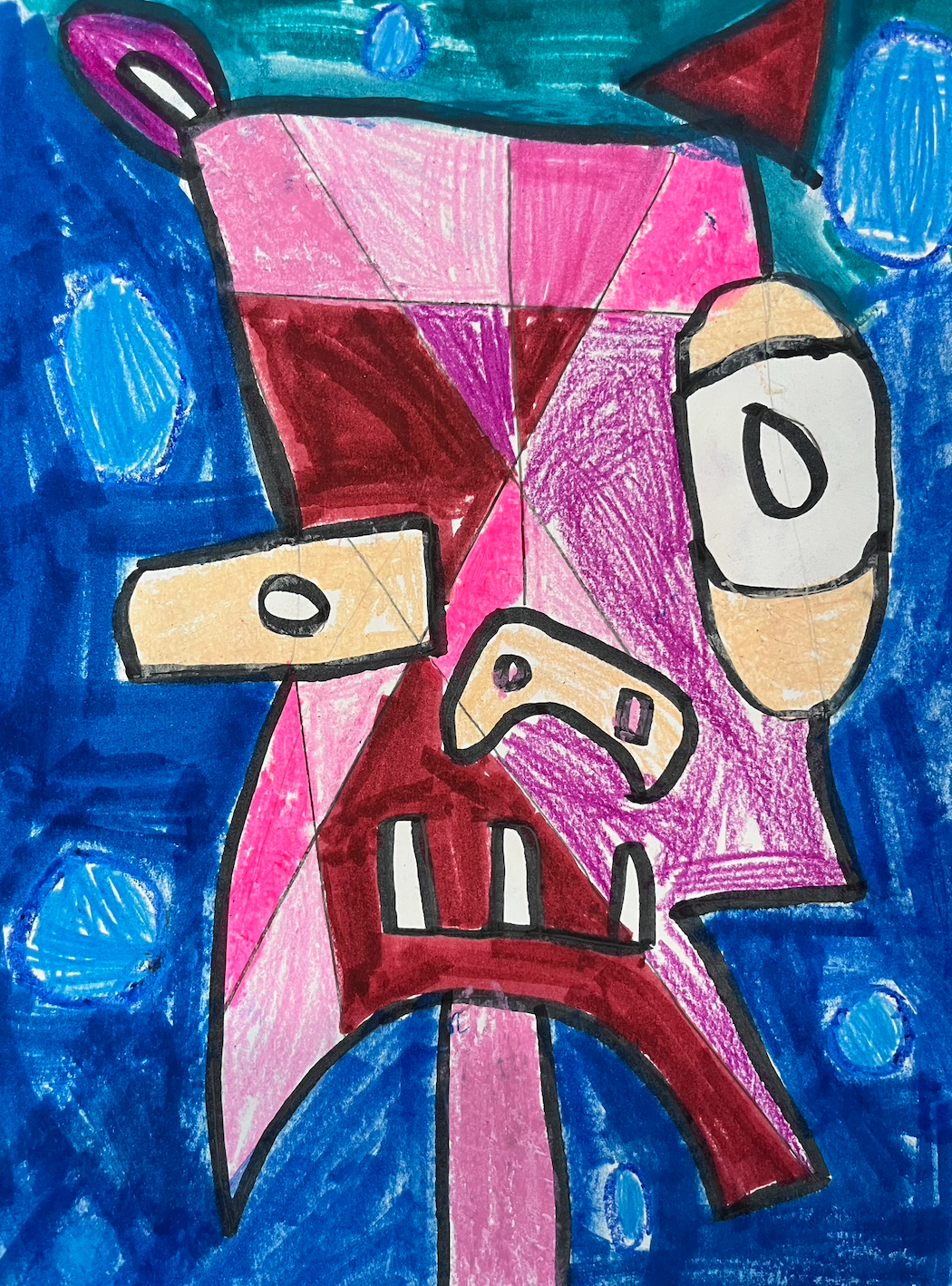
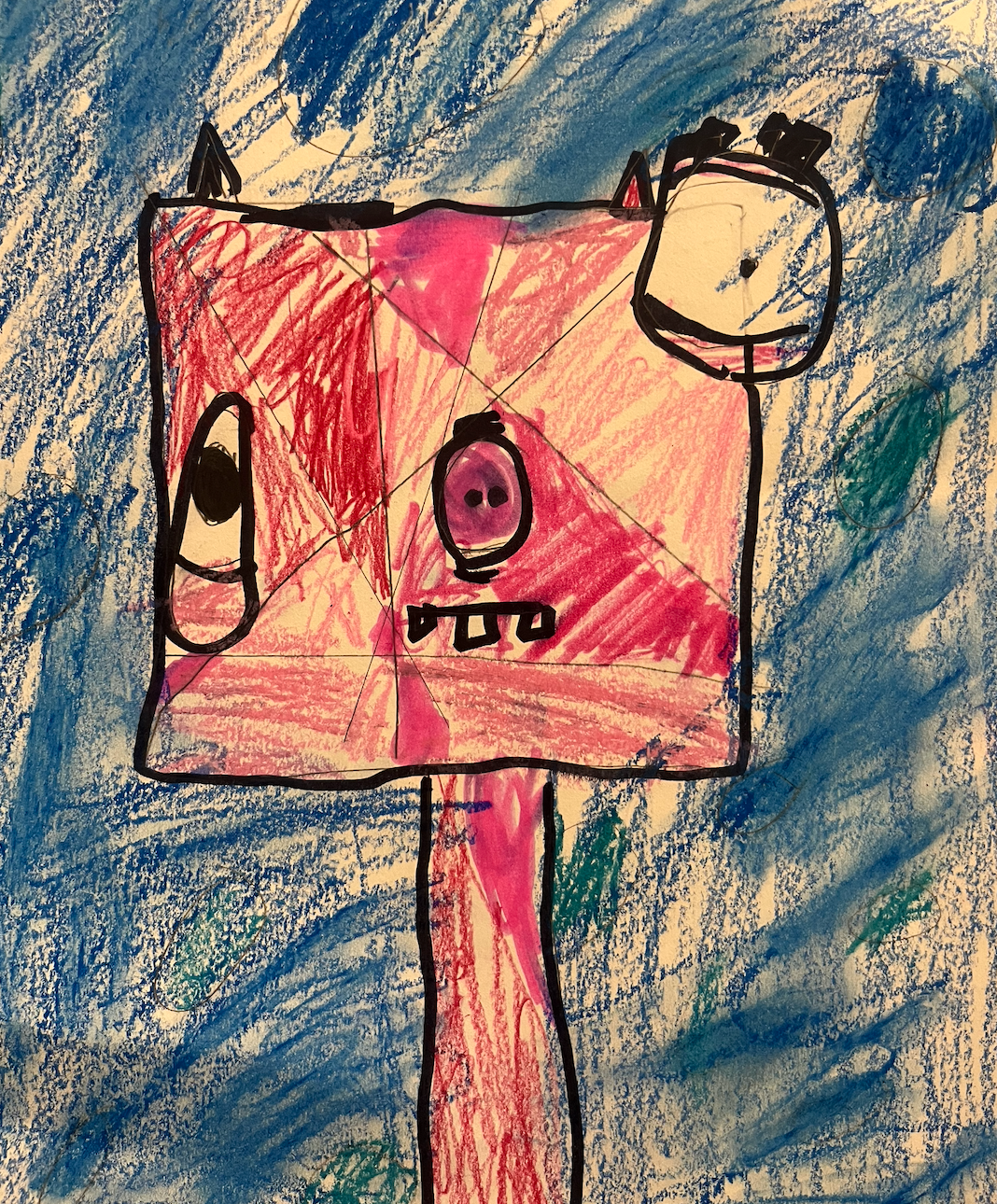
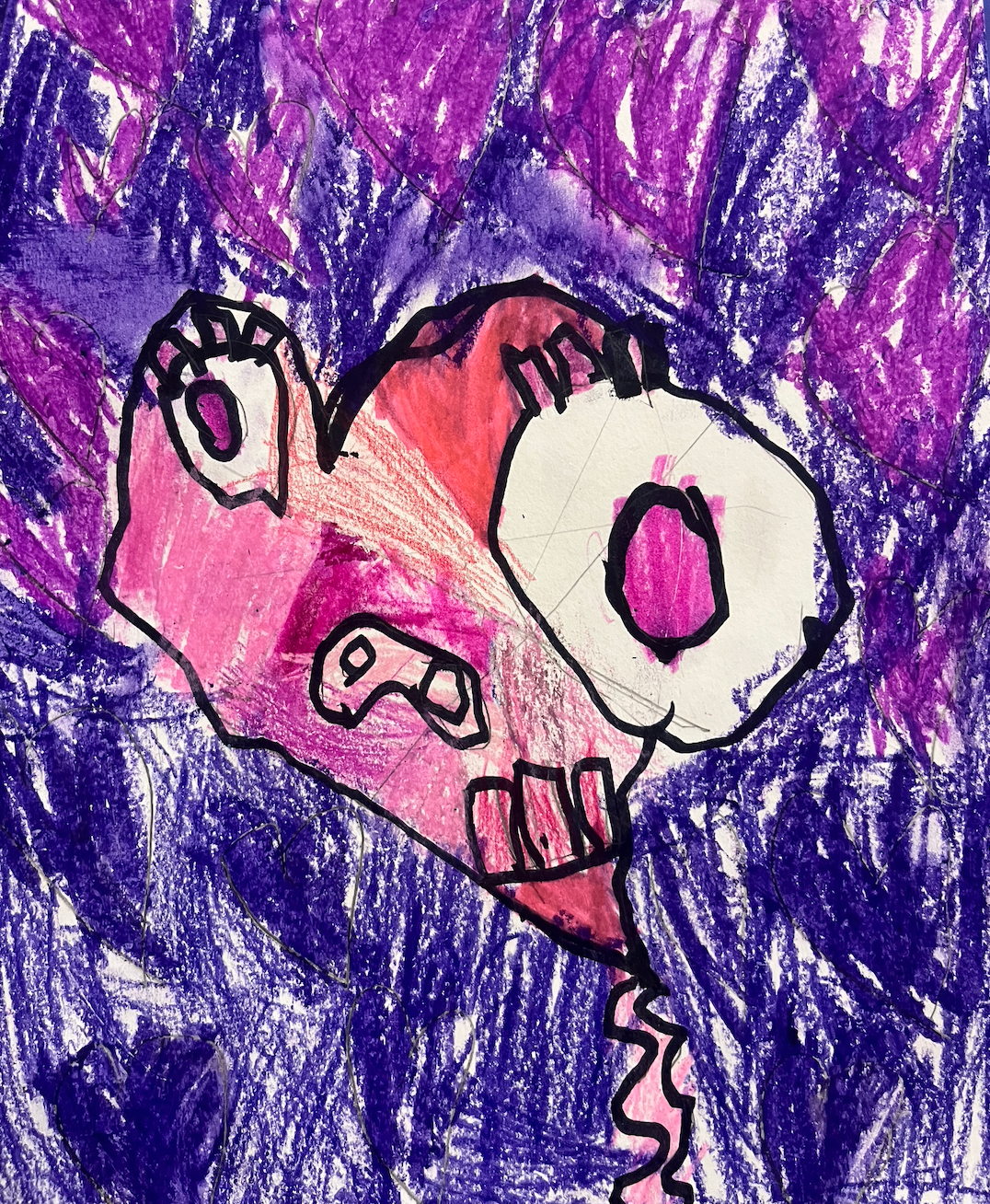
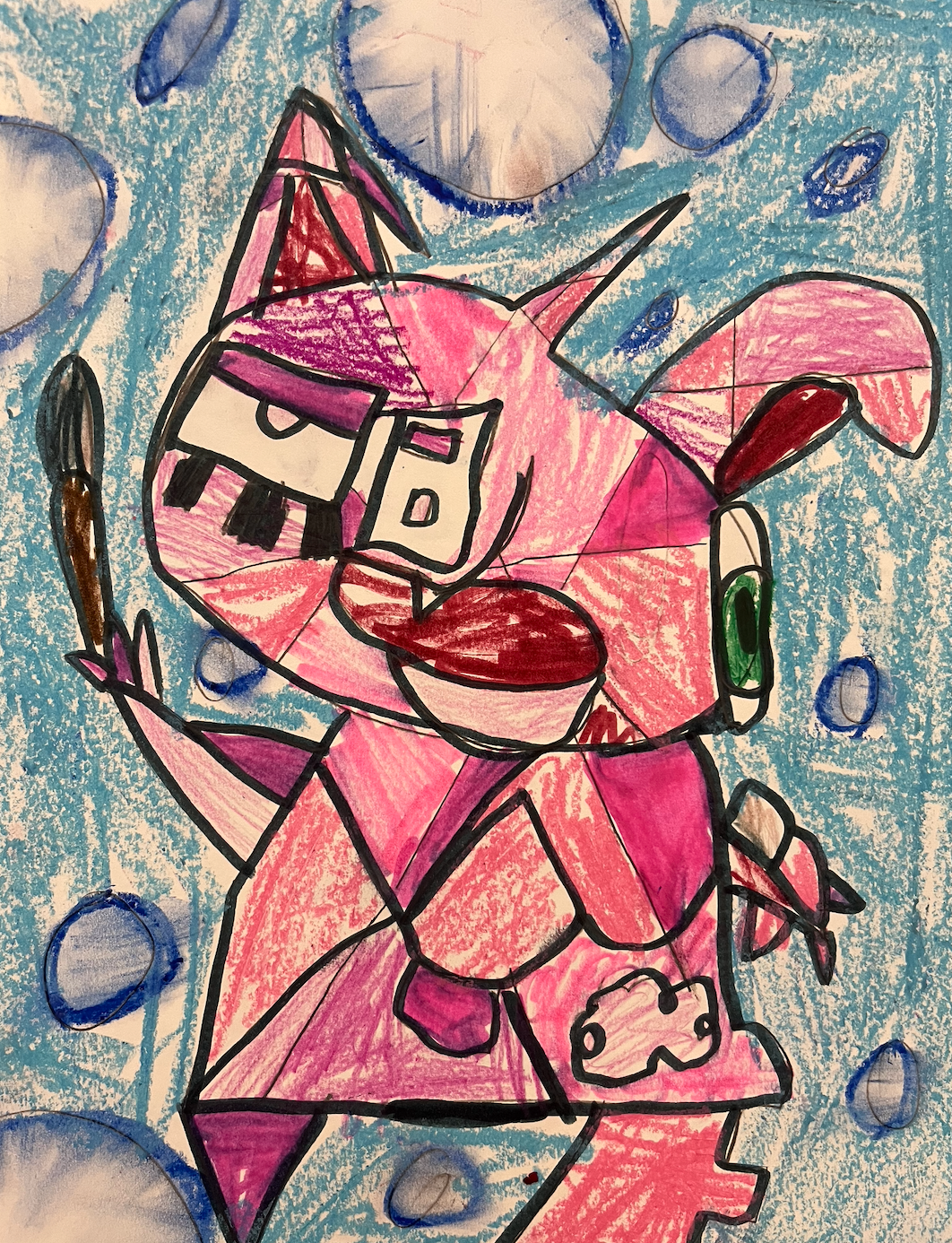
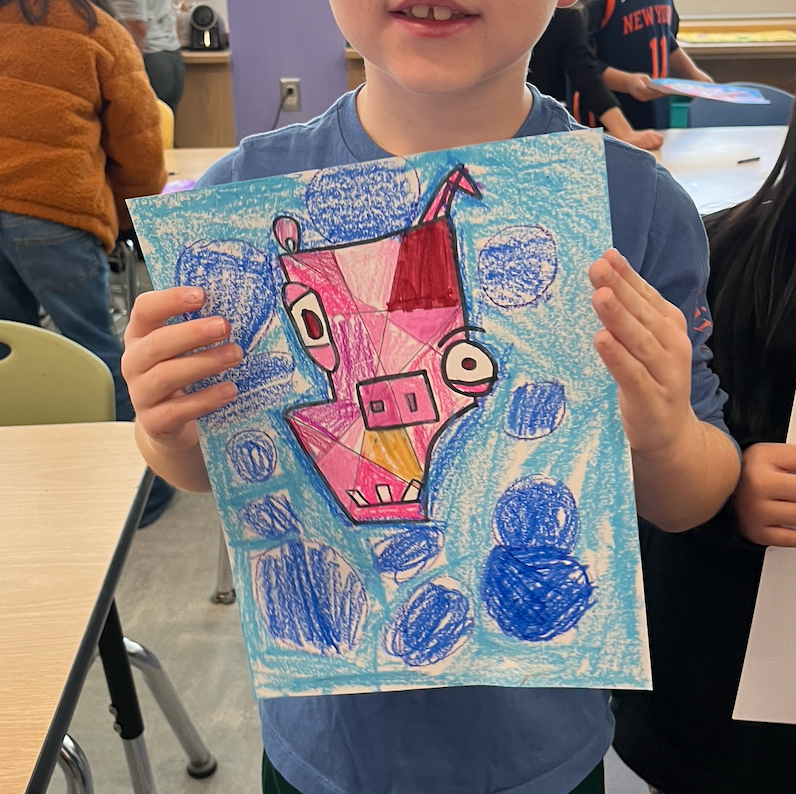
In this playful and expressive lesson inspired by When Pigasso Met Mootisse by Nina Laden, second-grade students explored Cubism and abstraction through imaginative pig portraits. After examining how Pablo Picasso used line, shape, and color to show multiple viewpoints at once, students created their own “Pigasso” portraits that combined realism with creativity. They experimented with bold line divisions to abstract facial features and used a monochromatic color scheme to explore mood and value within one color family. Through guided discussions, demonstrations, and reflection, students learned how color and form can express personality and emotion. Each portrait celebrated individuality and humor while reinforcing foundational art concepts of portraiture, cubism, and creative self-expression.
MIDDLE SCHOOL ART LESSONS
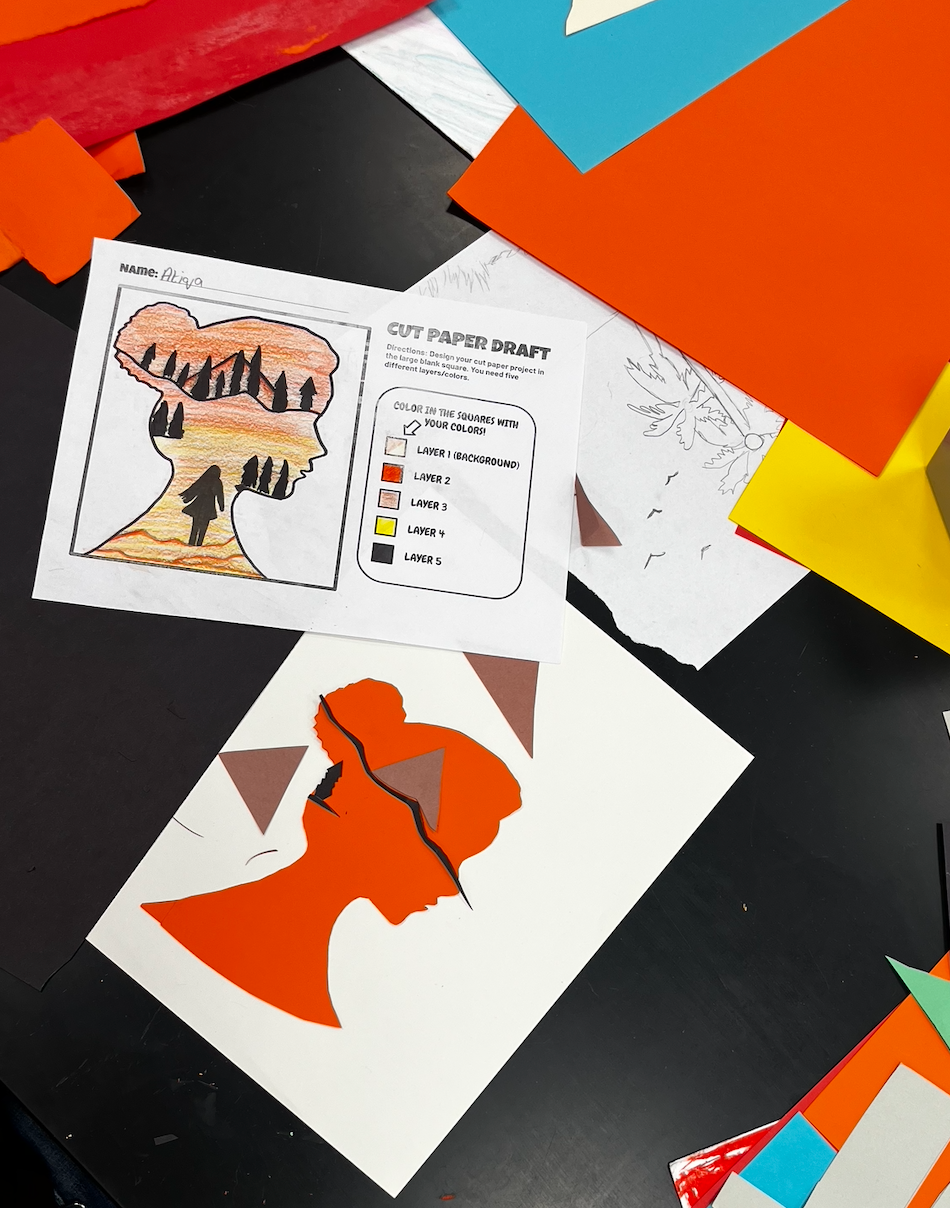
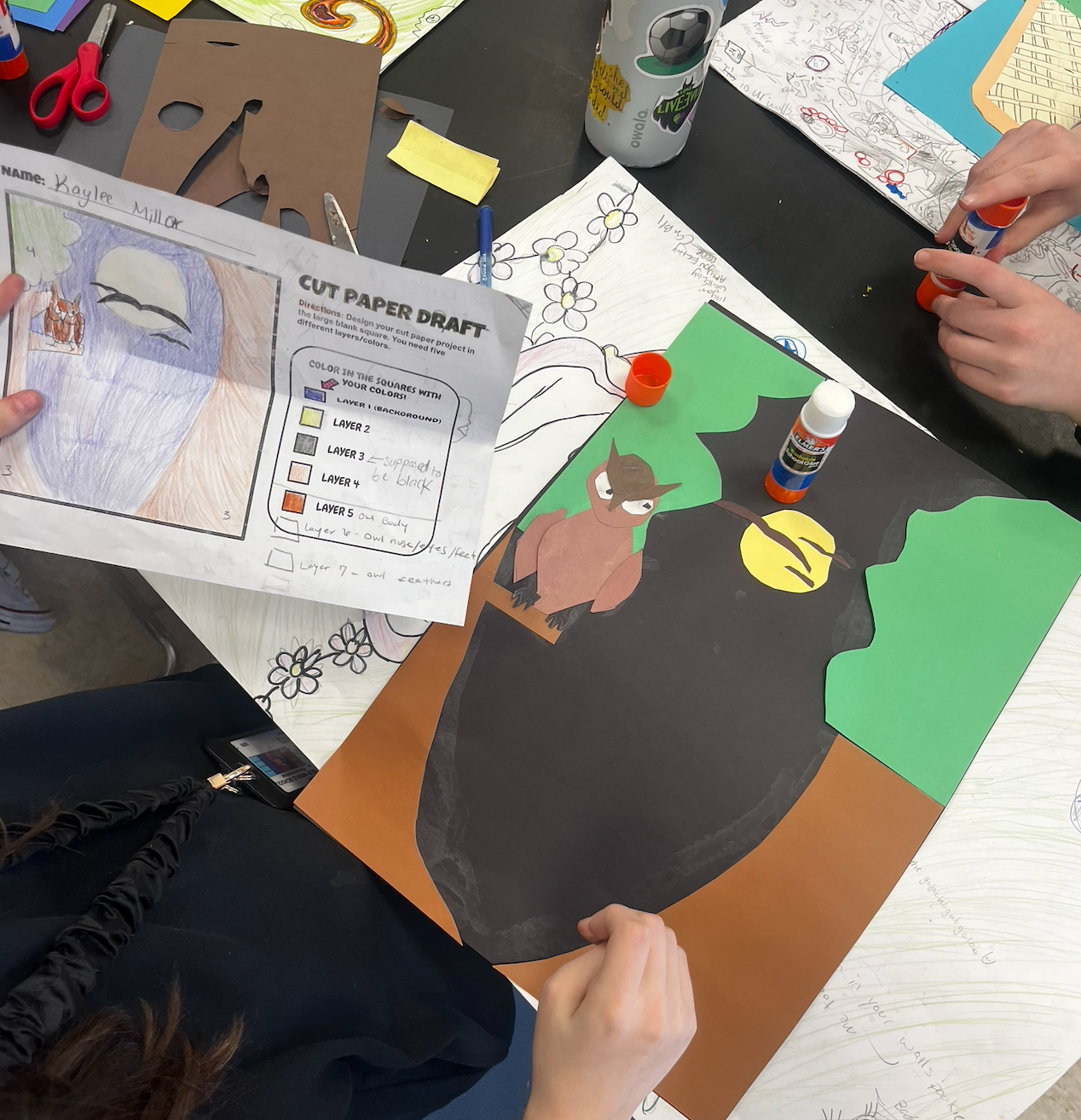
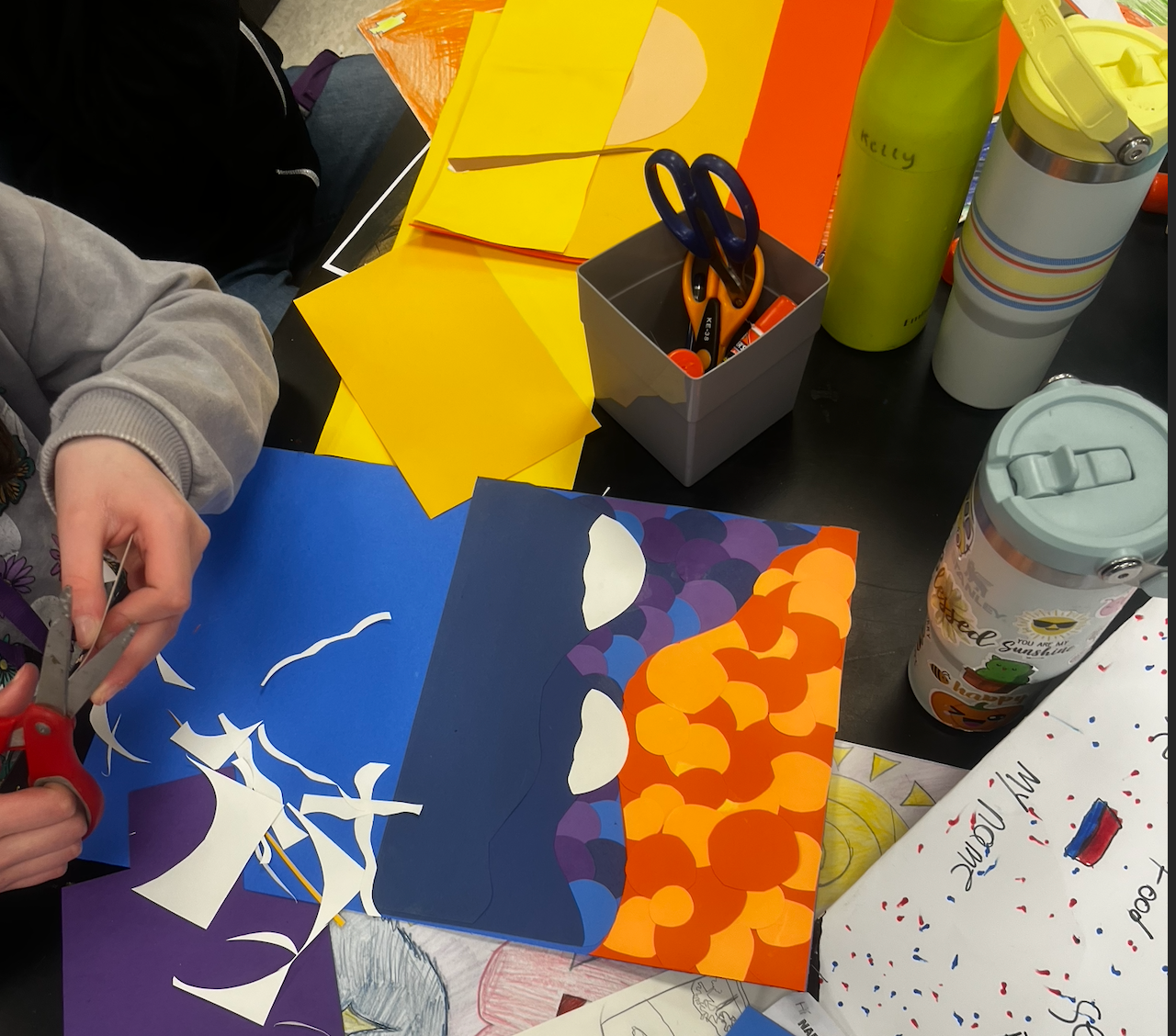
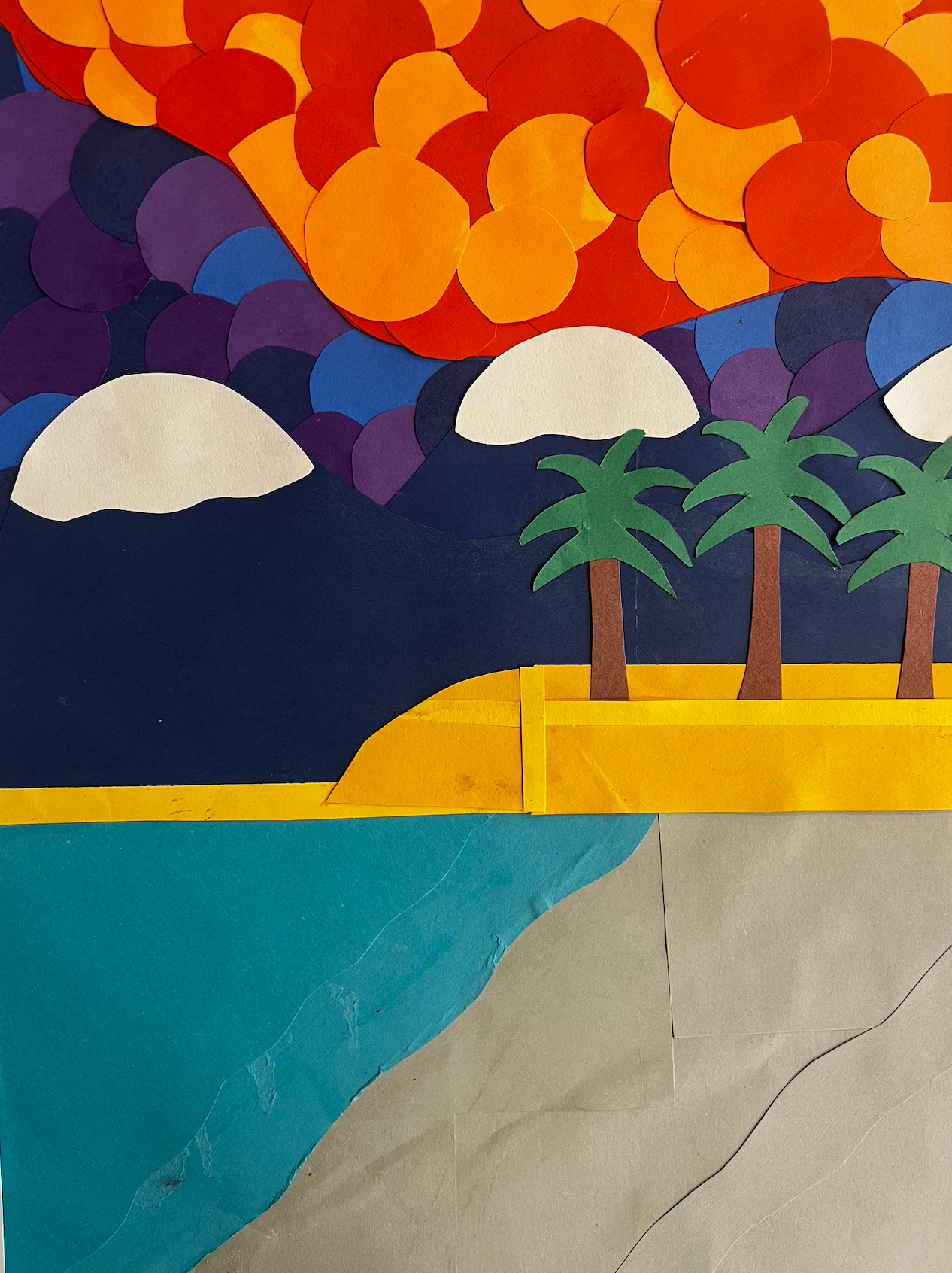
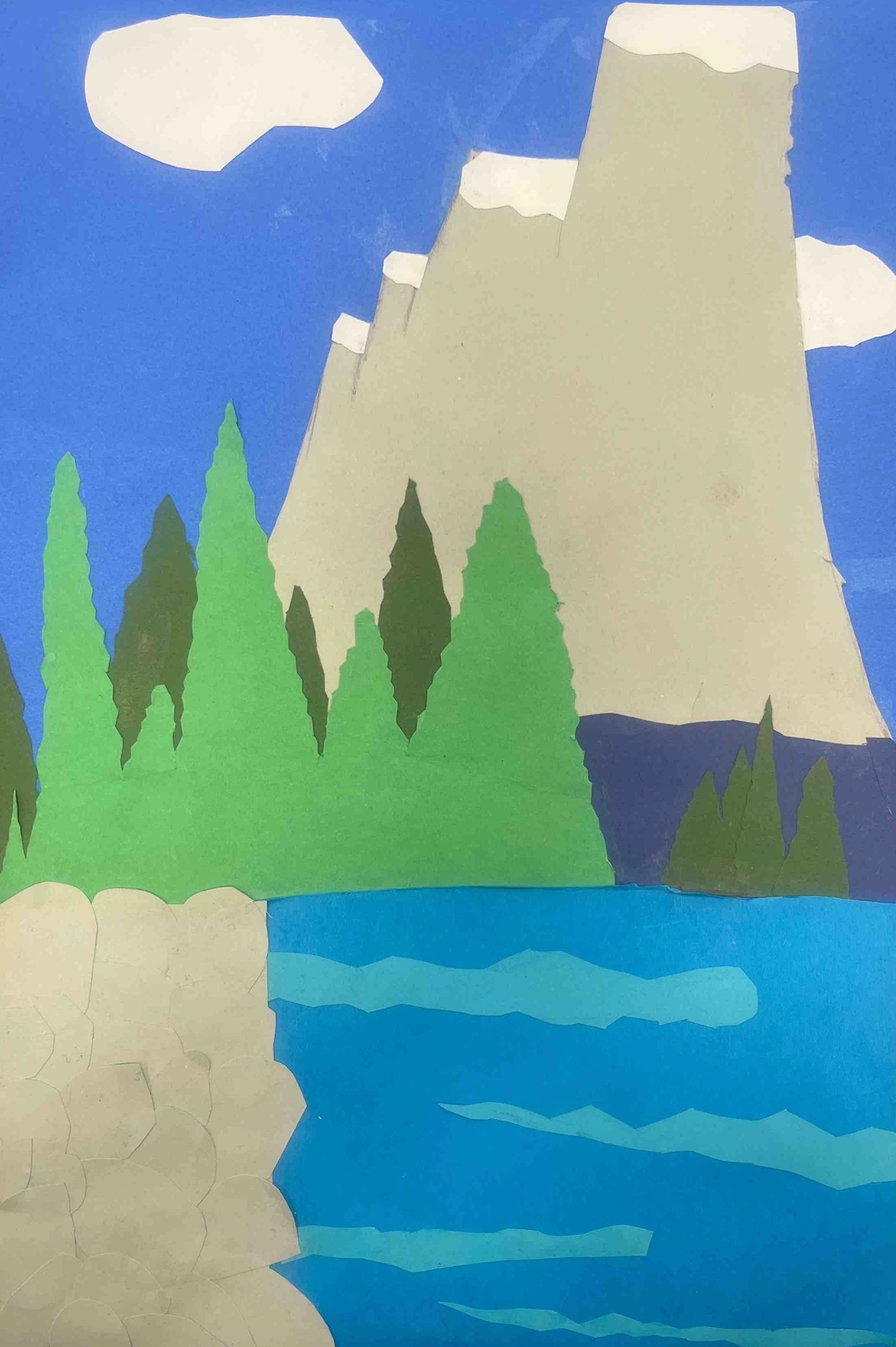
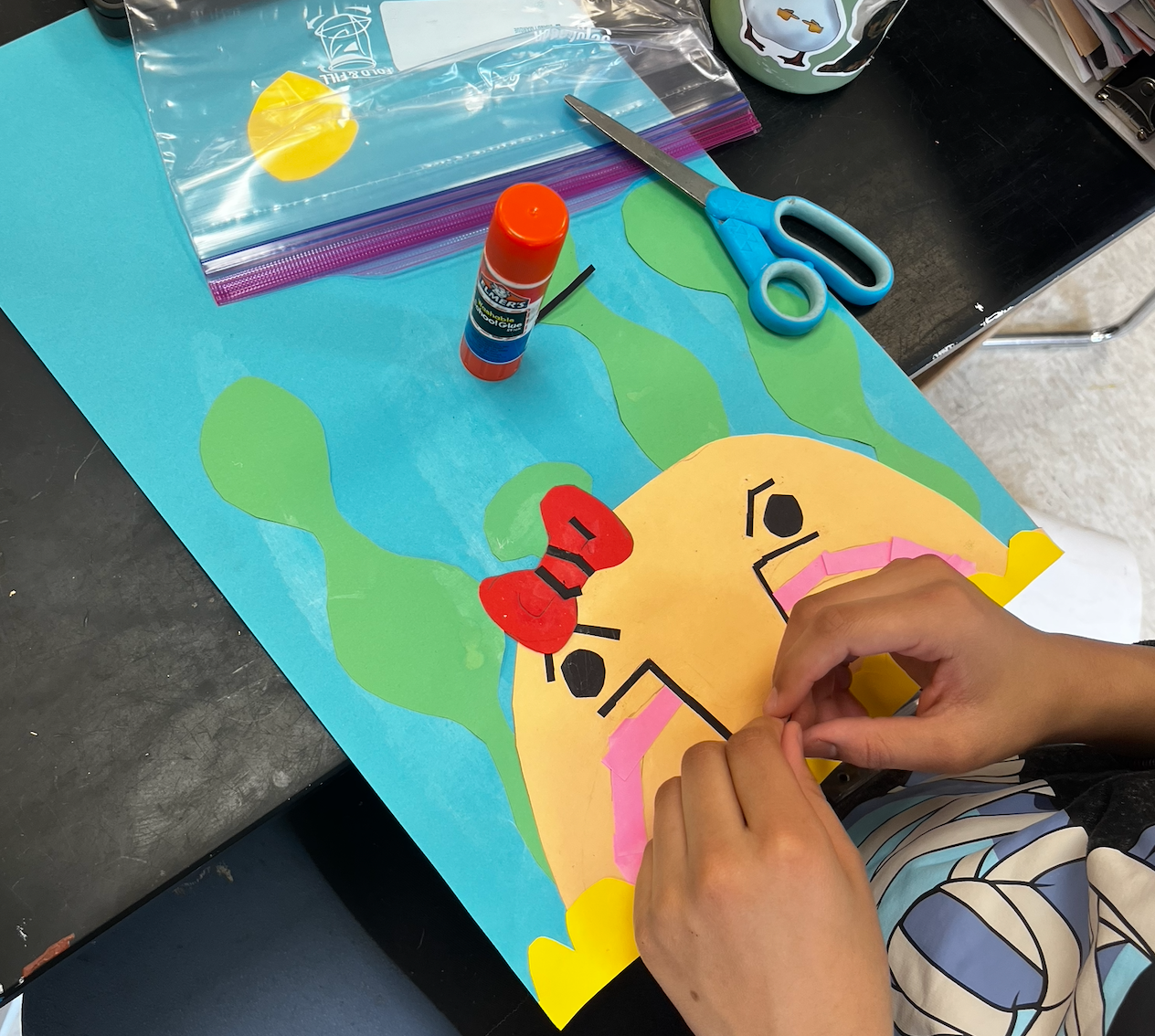
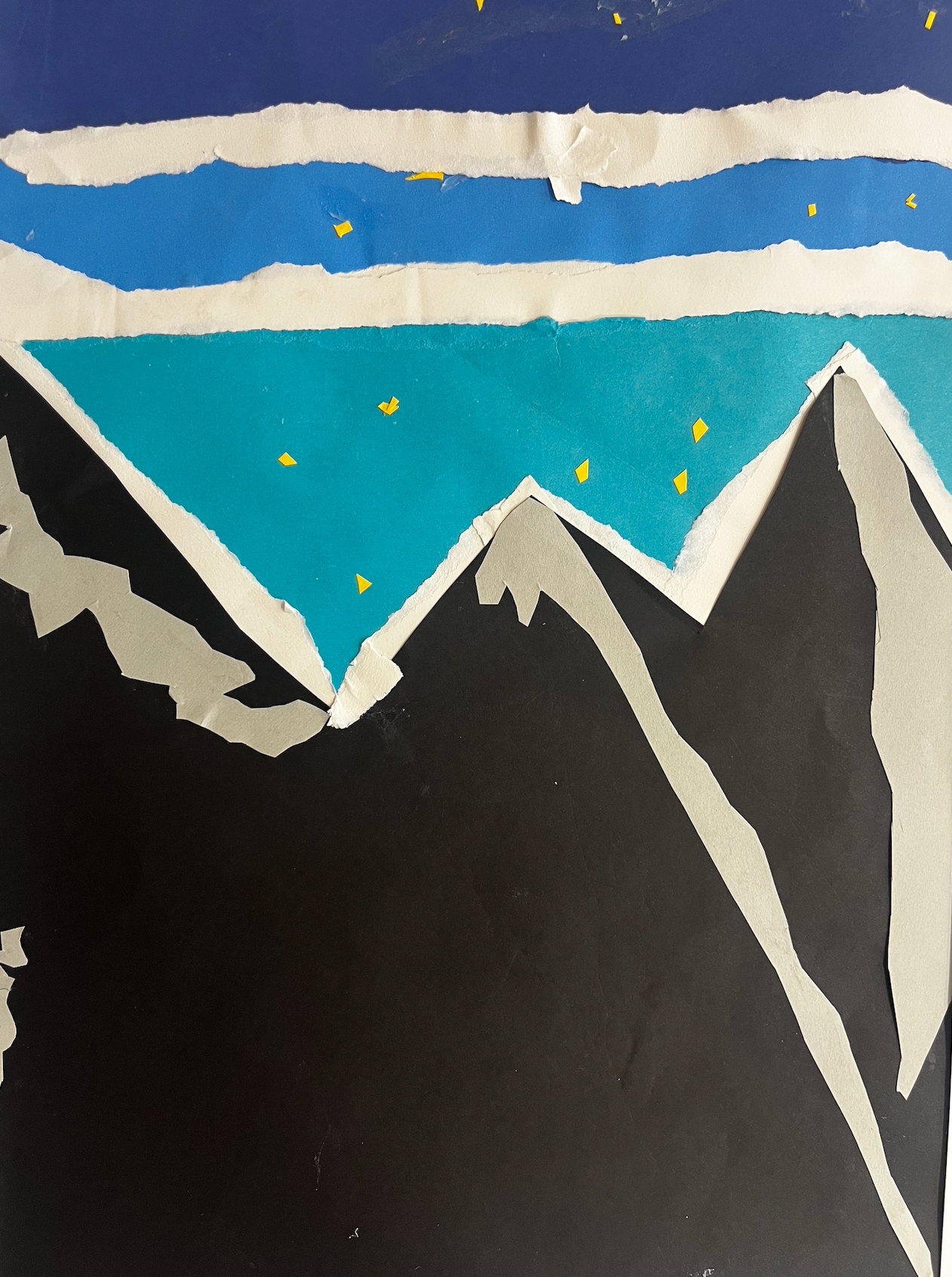
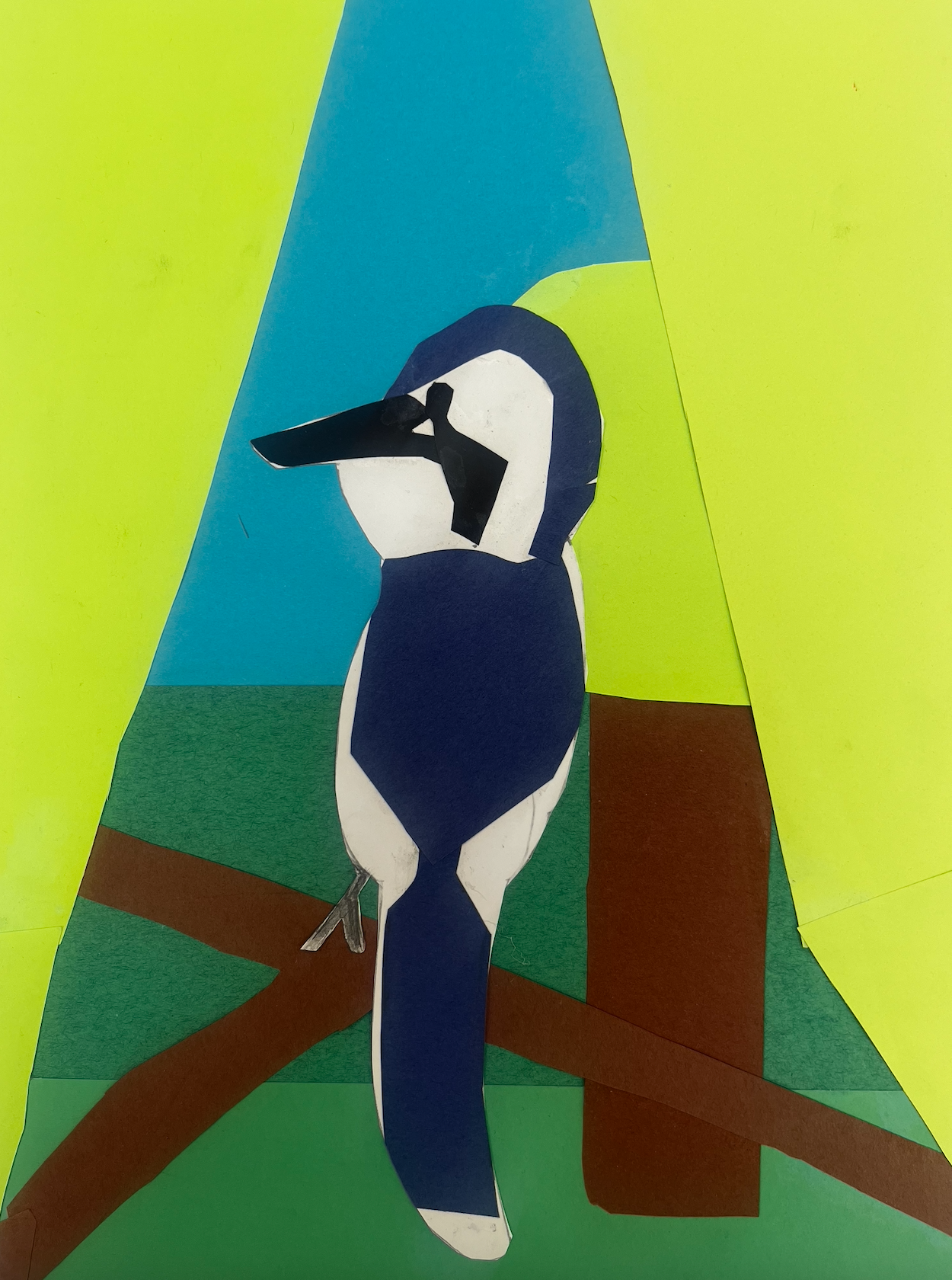
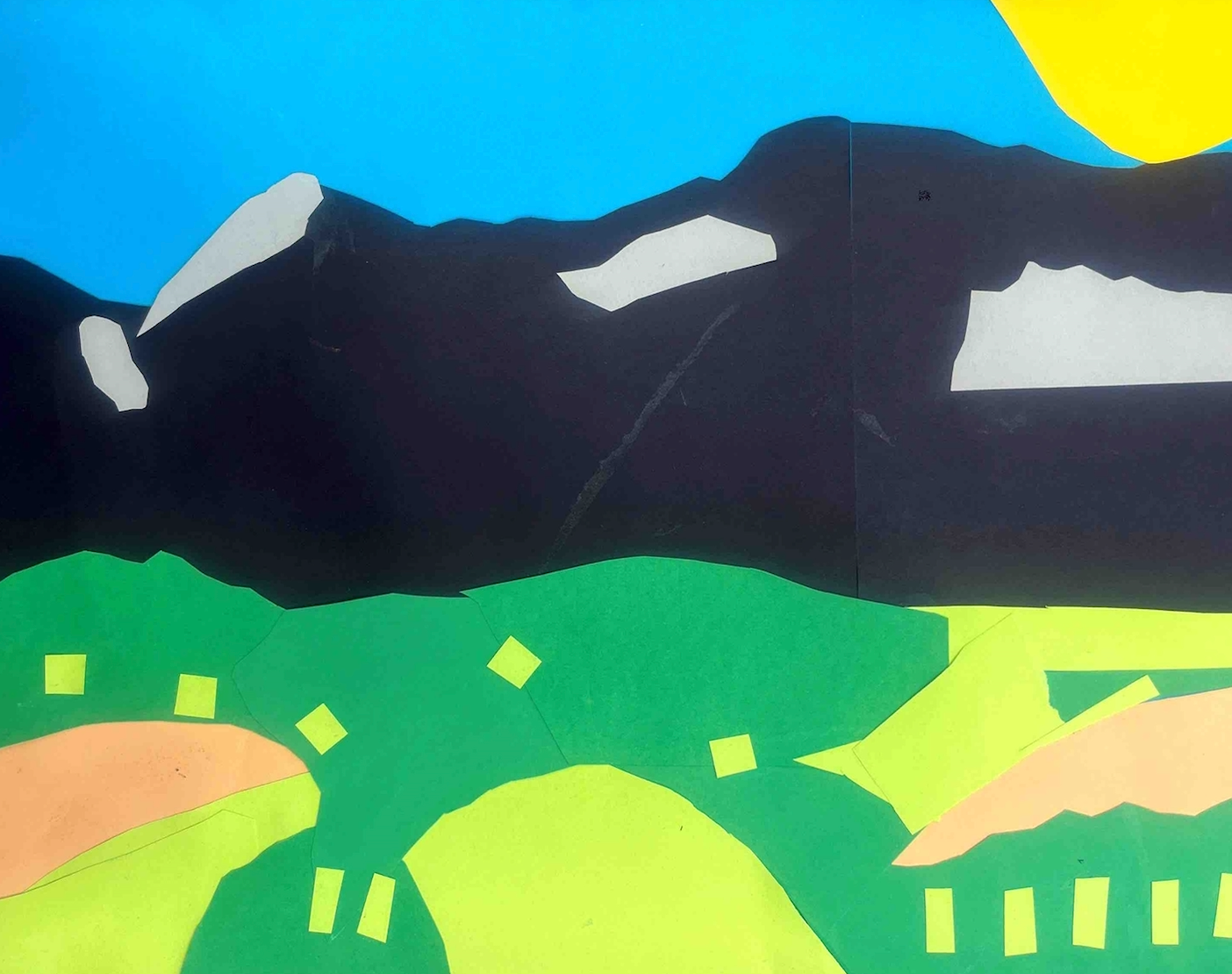
PAPER COLLAGE - 6th Grade ART
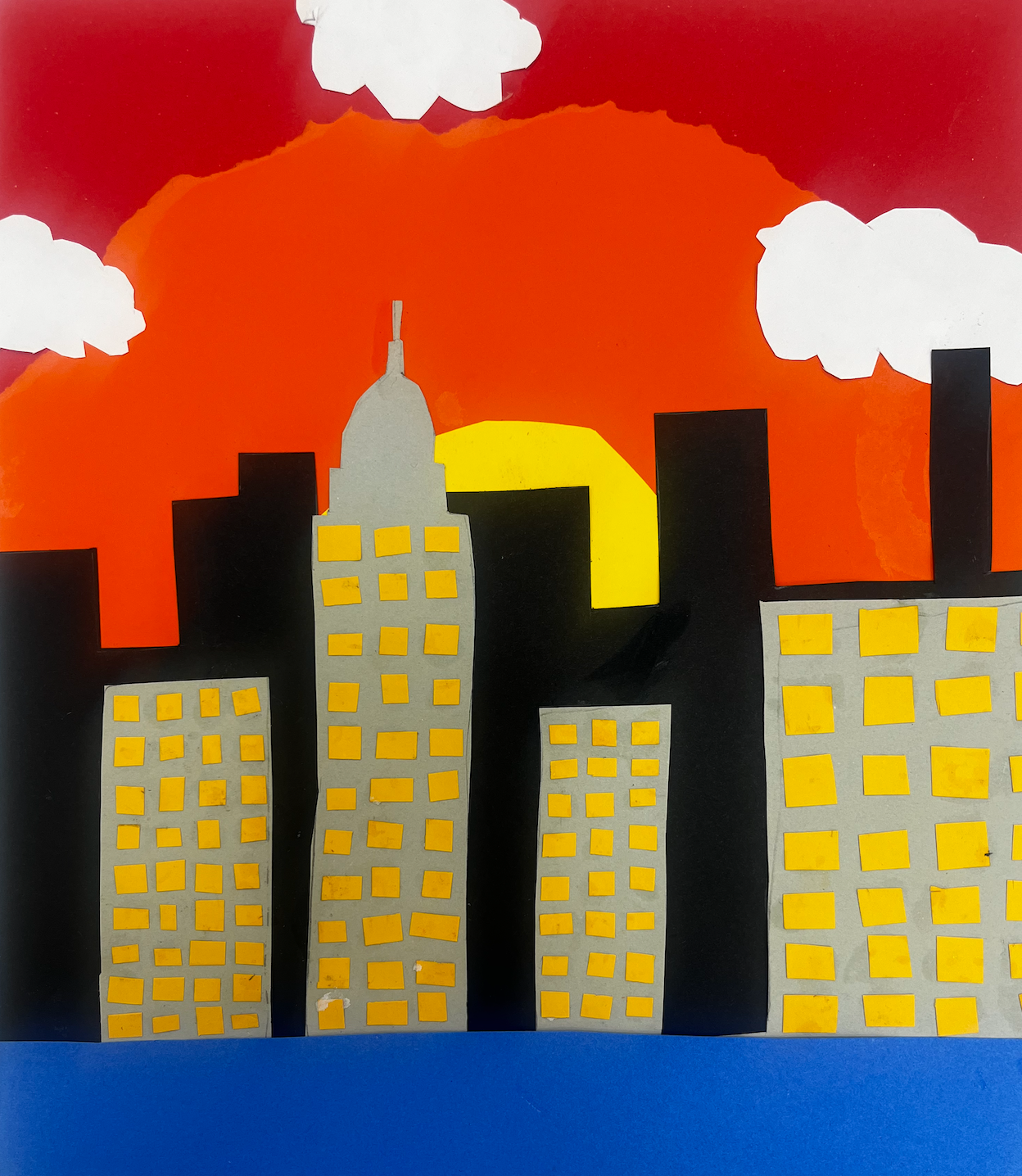
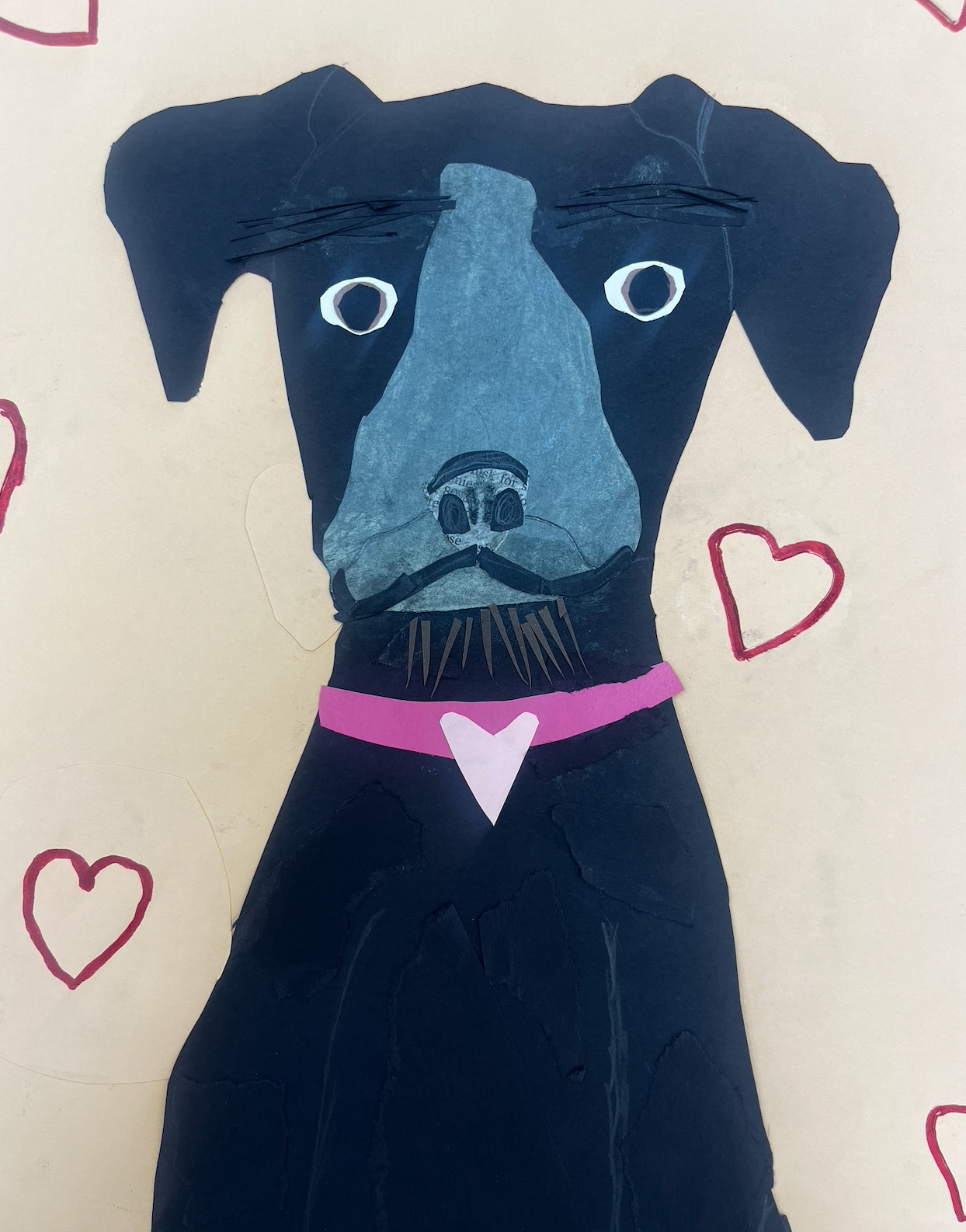
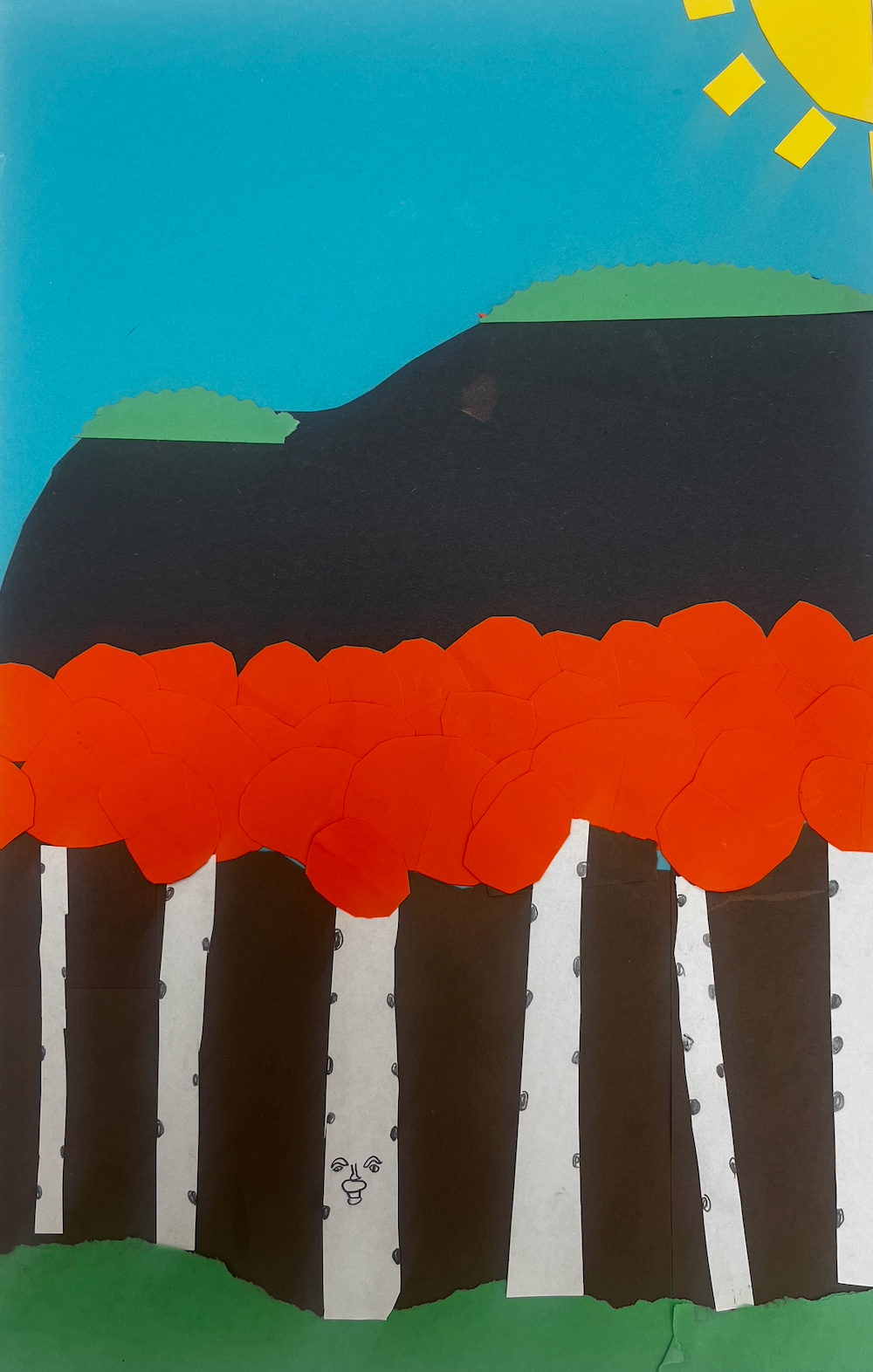
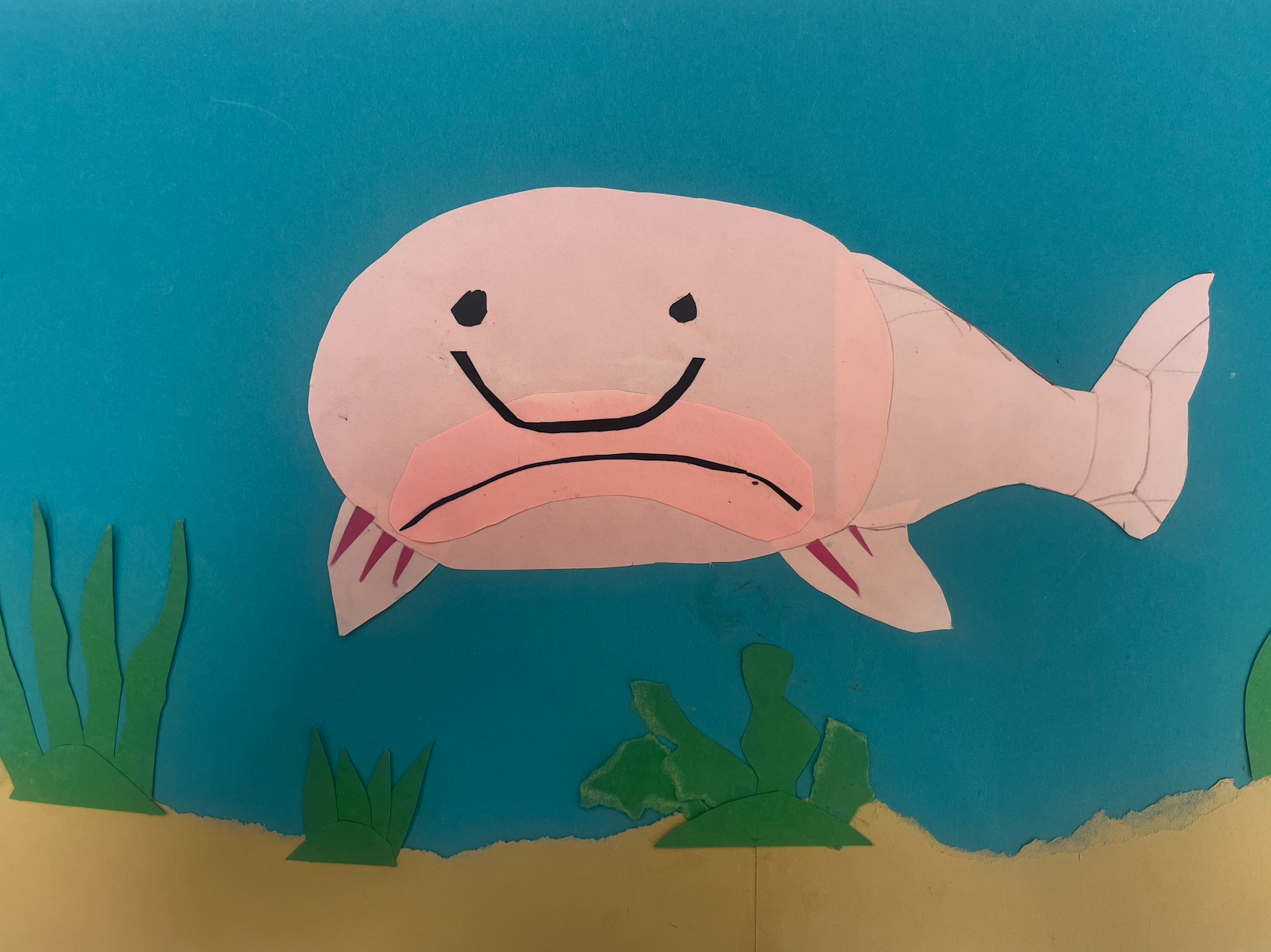
In this lesson, students create a paper collage while exploring the elements of art—space, shape, and texture. They begin by learning about foreground, middle ground, and background, and how artists use layering to create depth in an image. Before using materials, students plan their compositions by drawing their ideas and labeling each section with color, working from the background forward to better visualize how their collage will come together. They then cut, arrange, and layer paper to build their scene, experimenting with different shapes and textured materials to add interest. Through this process, students develop an understanding of spatial organization and how thoughtful layering can transform flat shapes into a more dynamic and visually engaging composition.
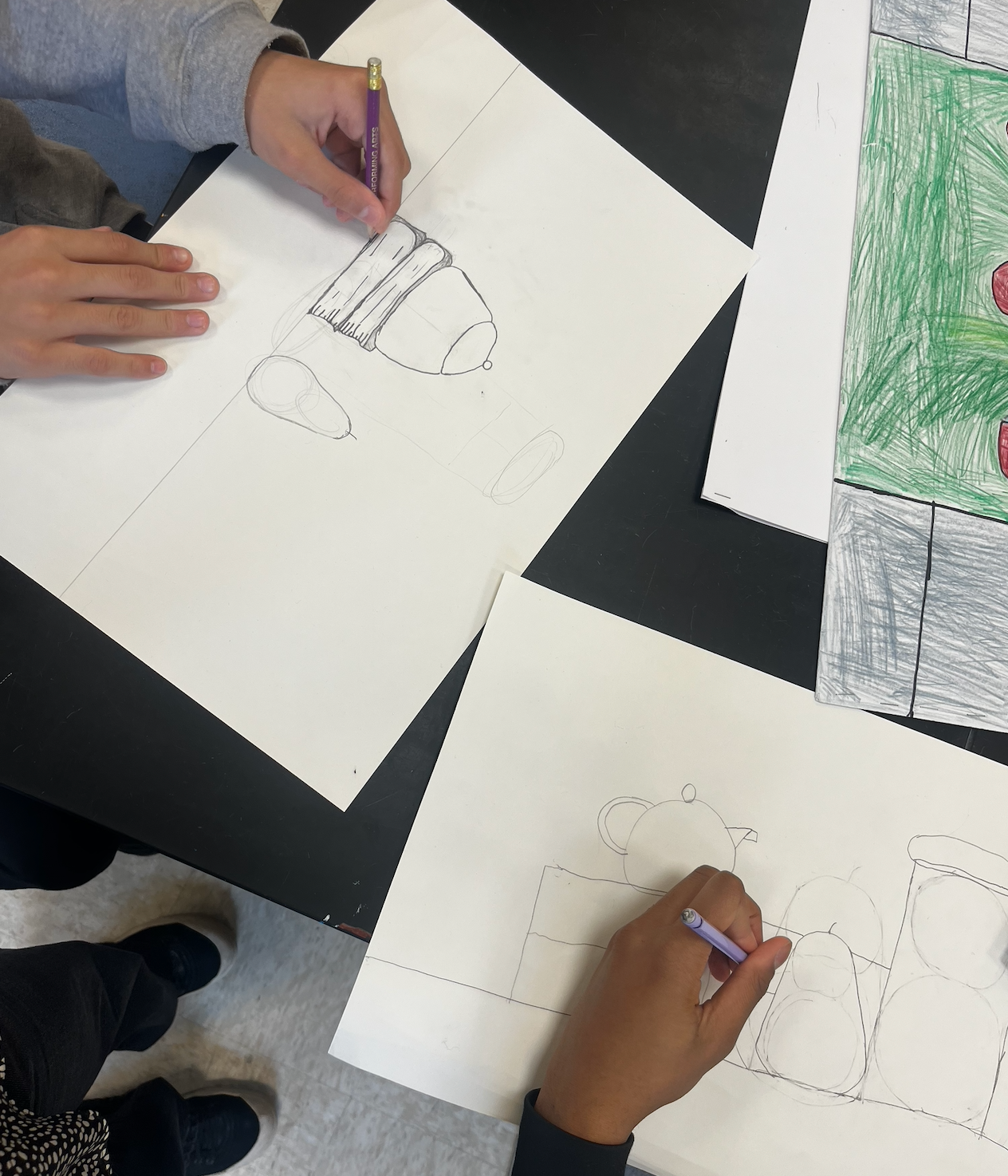
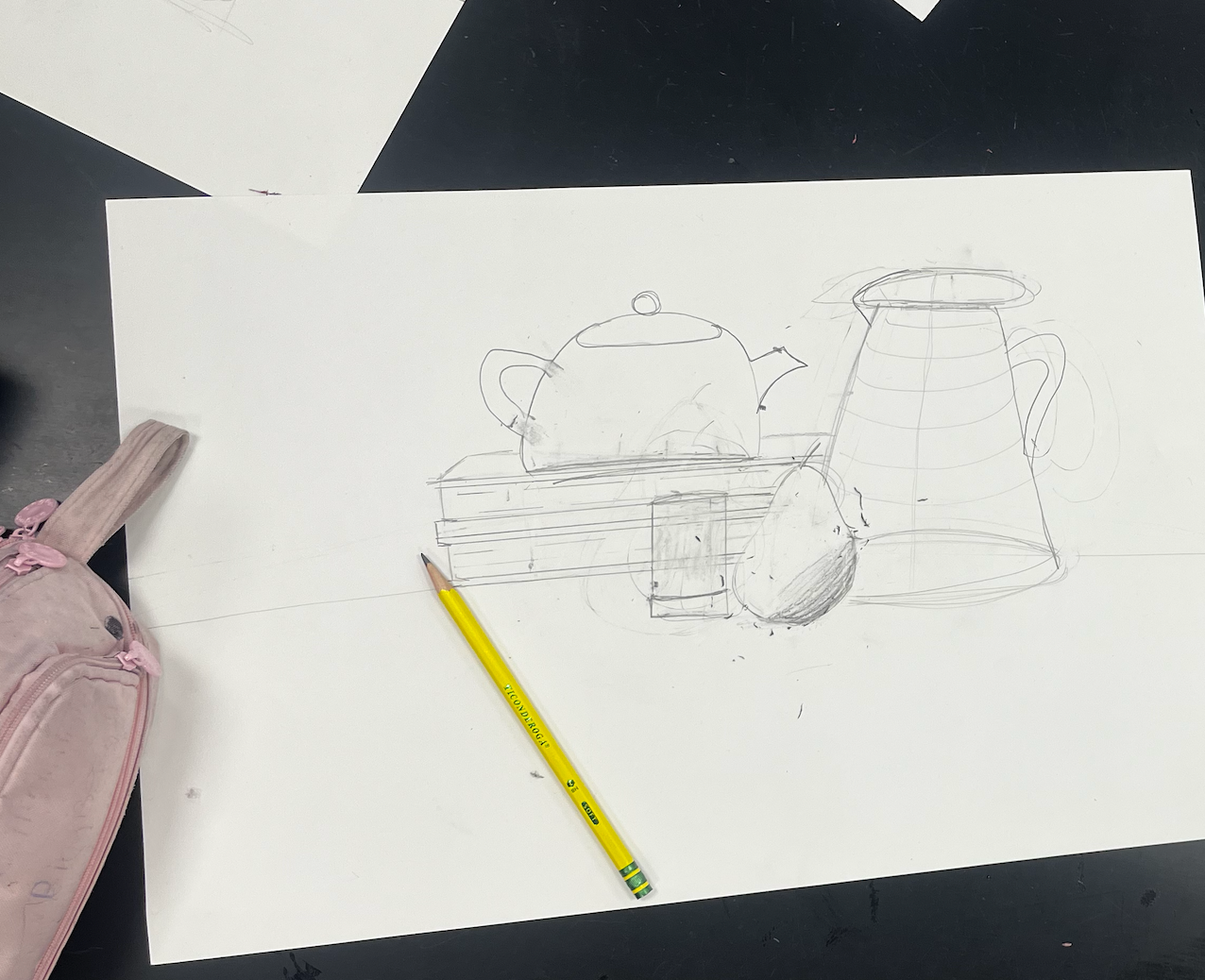
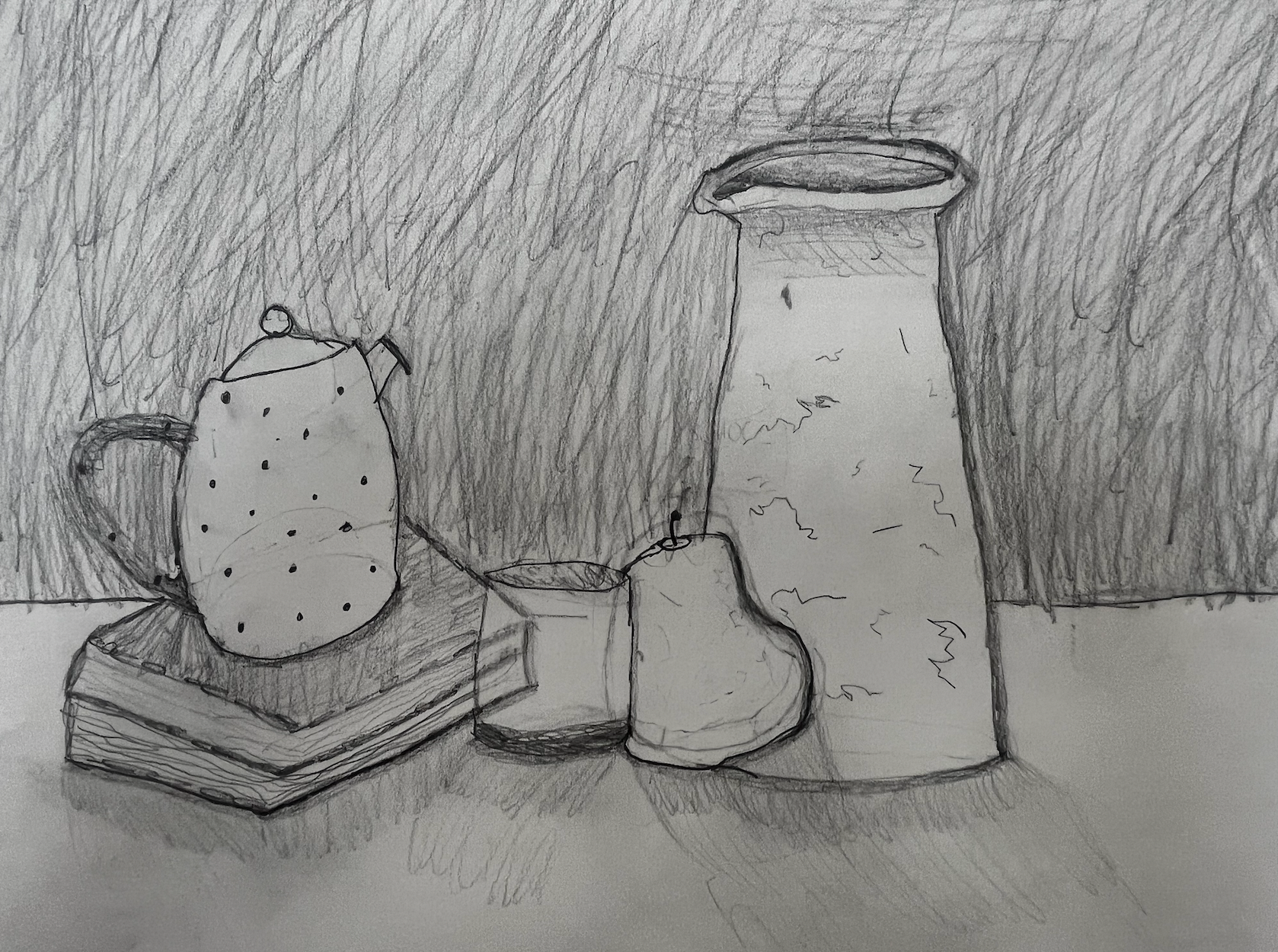
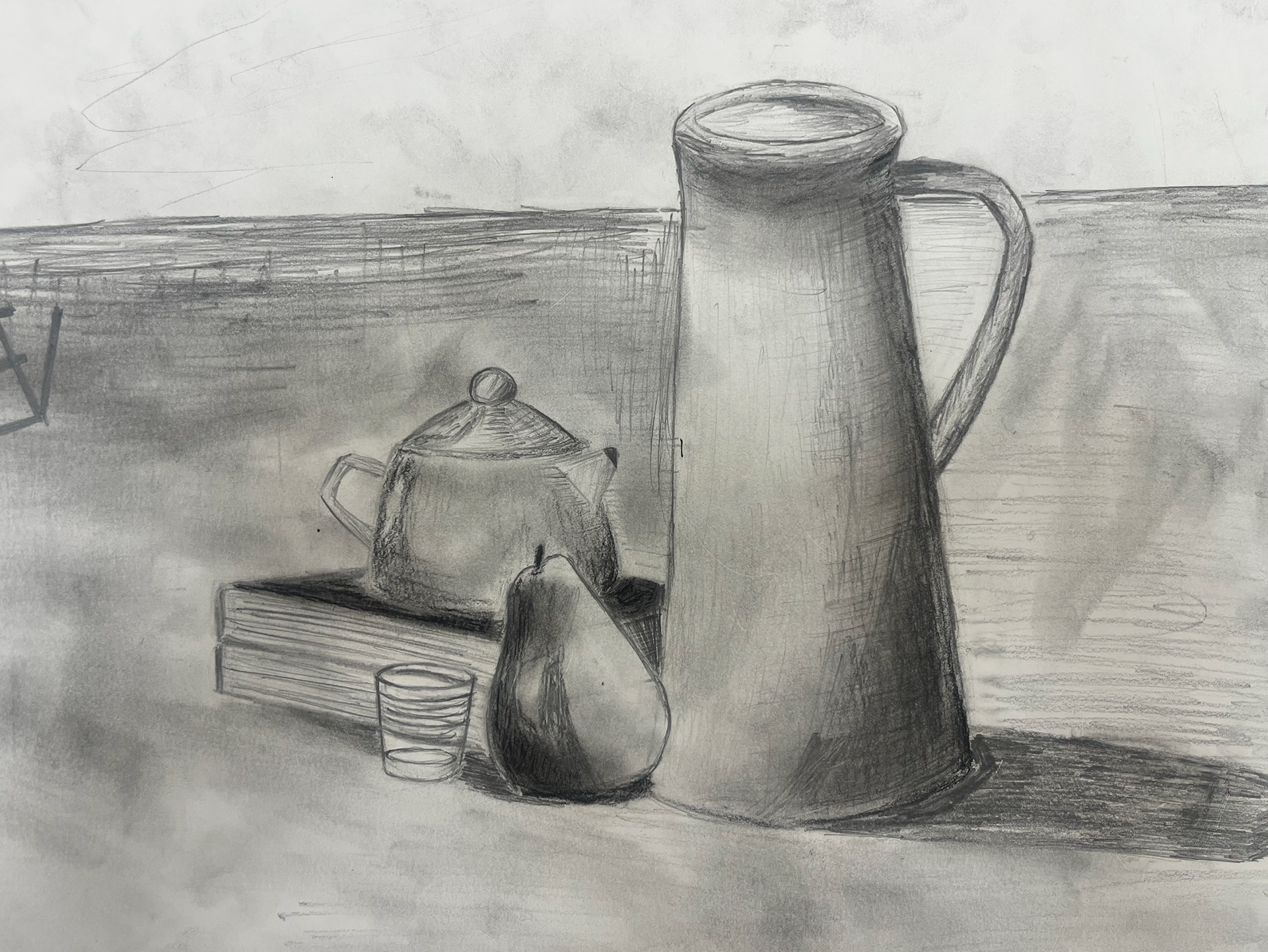
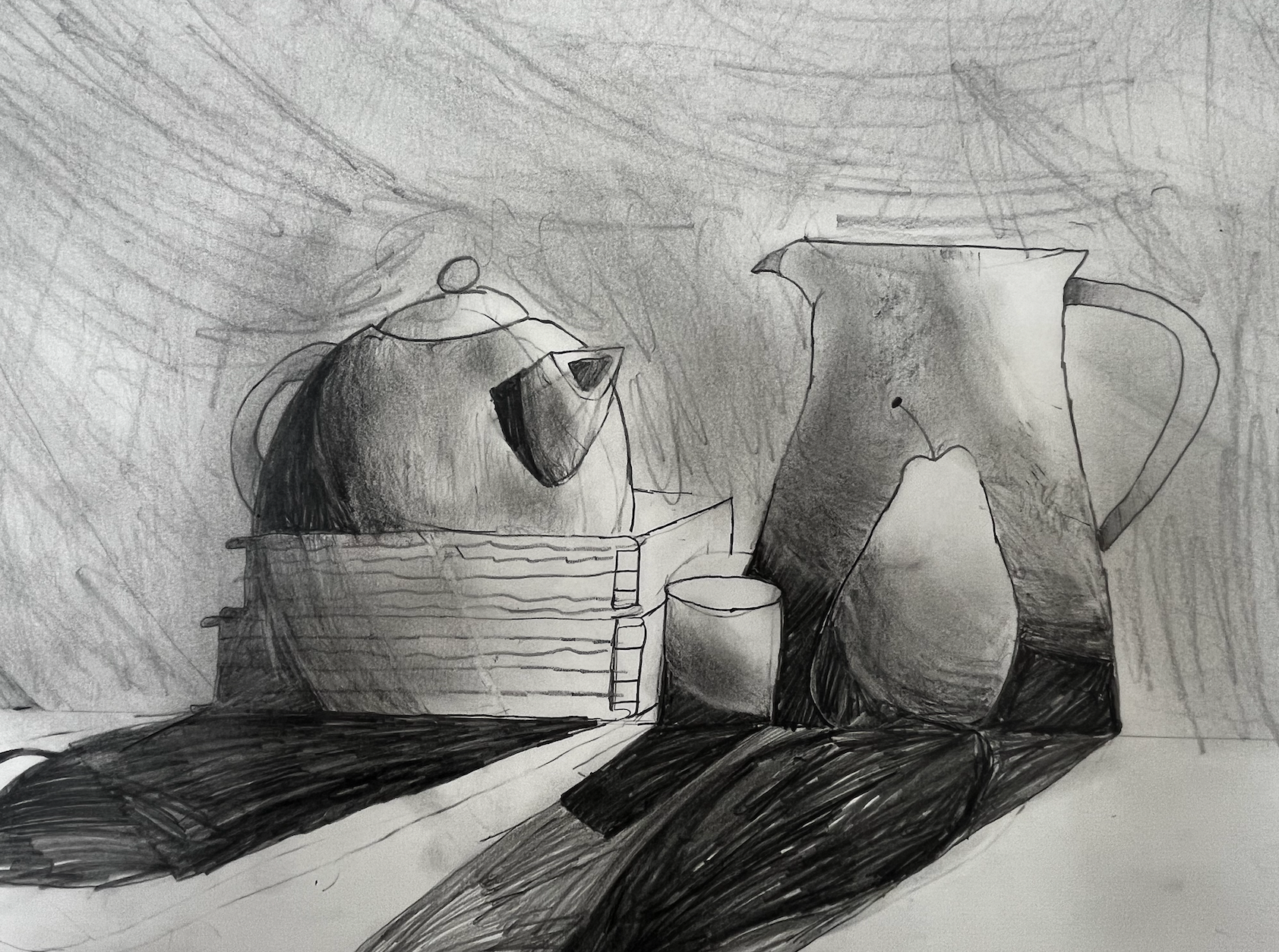
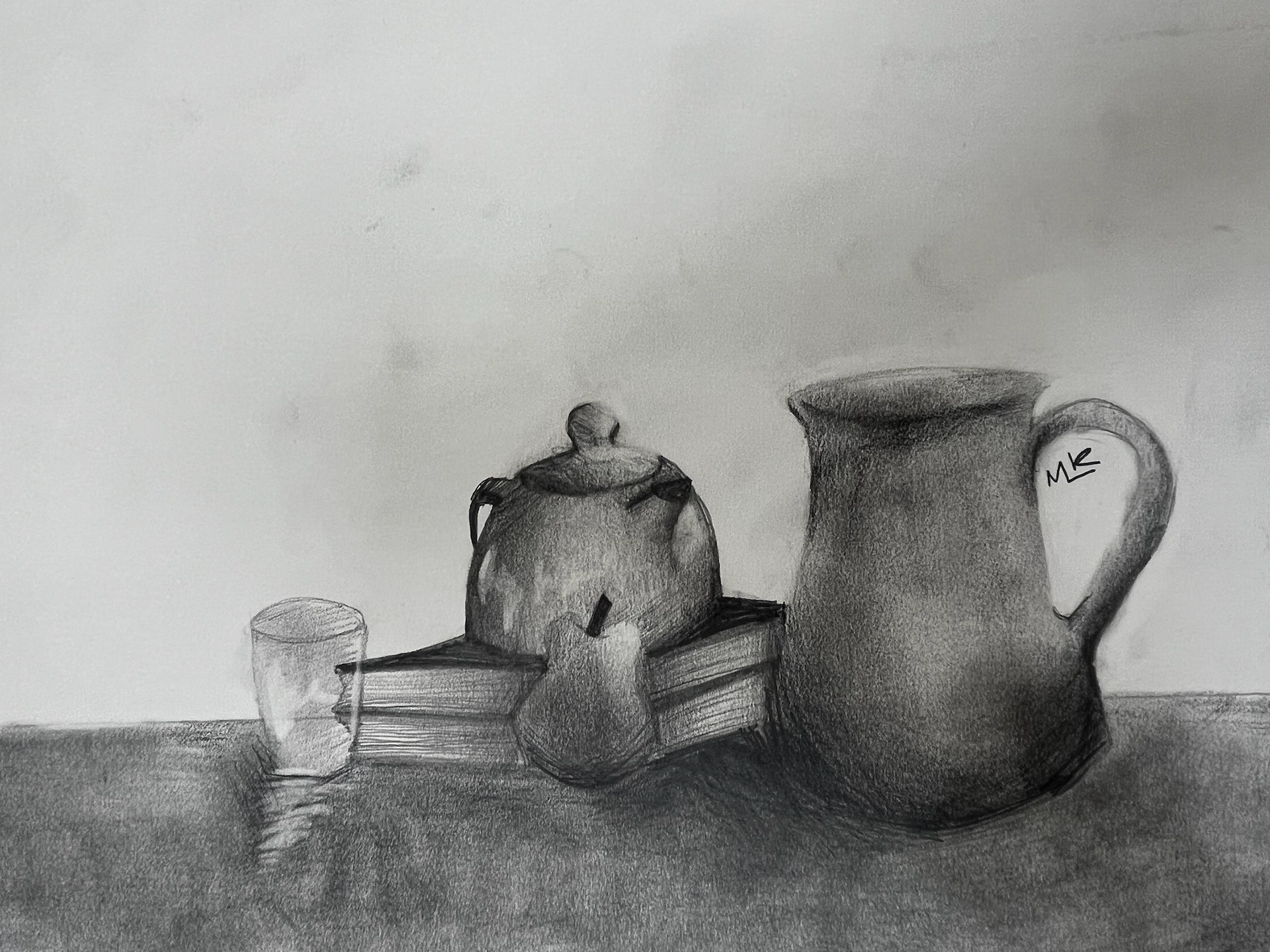
Still life drawing from observation - 8th Grade color theory
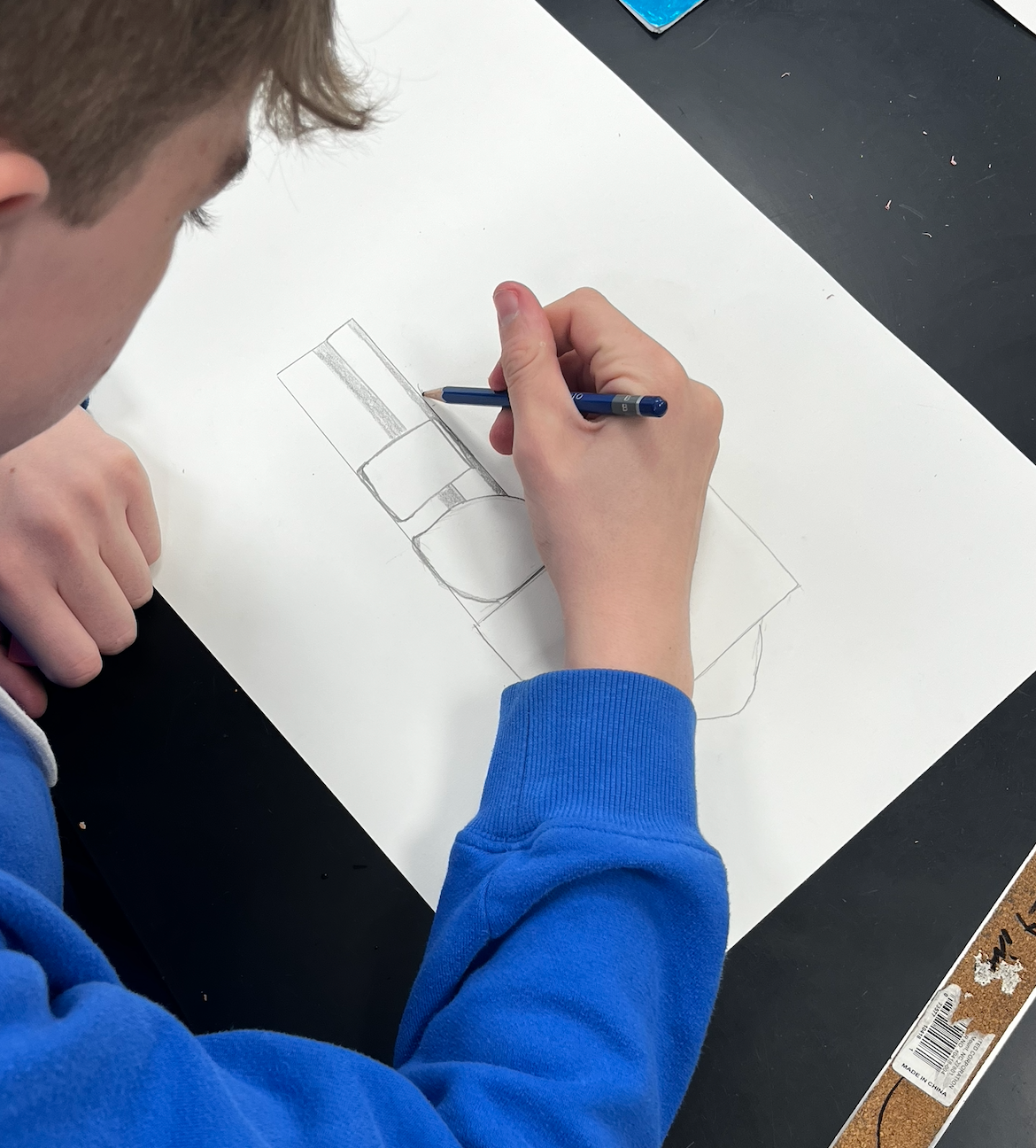
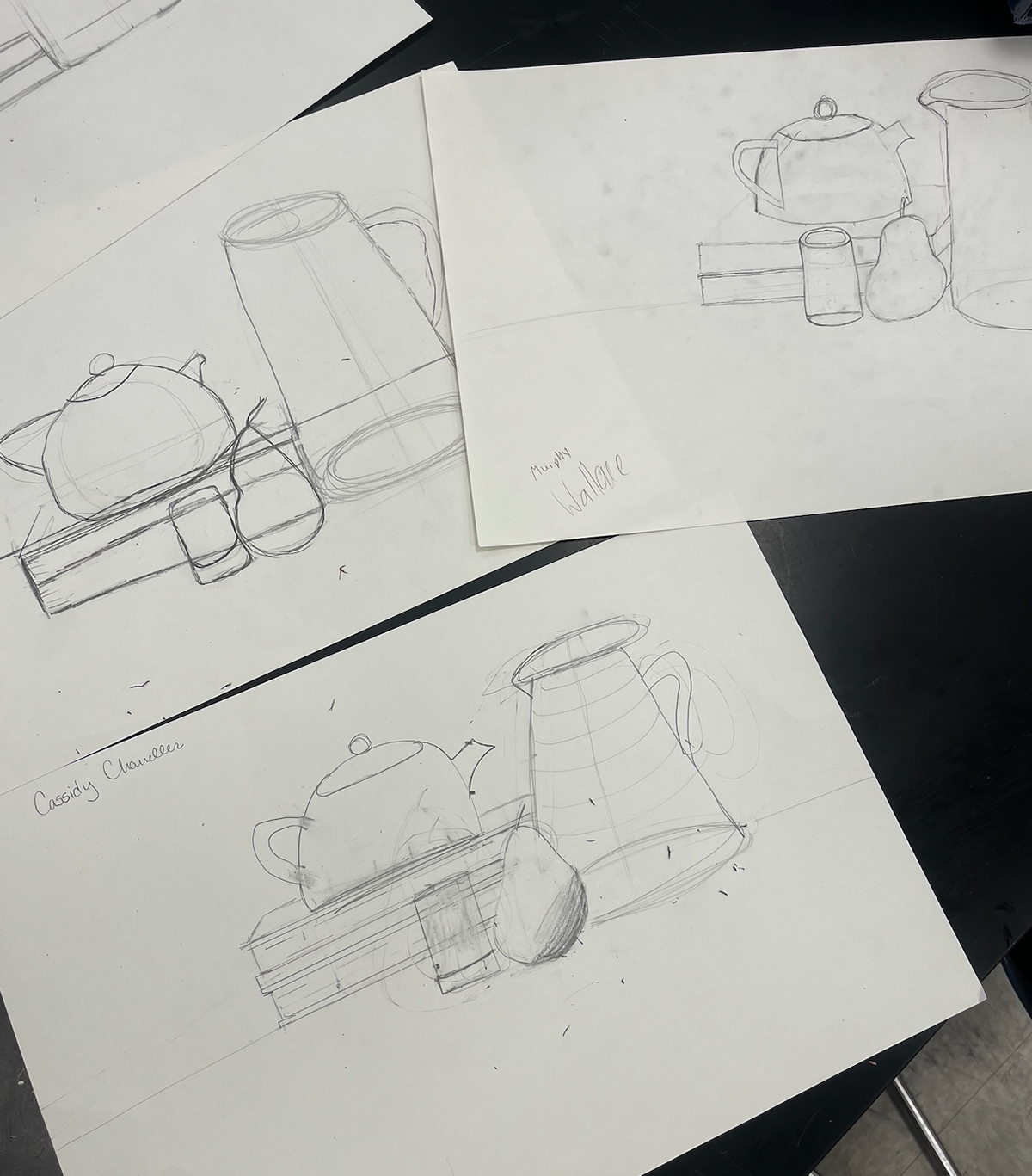
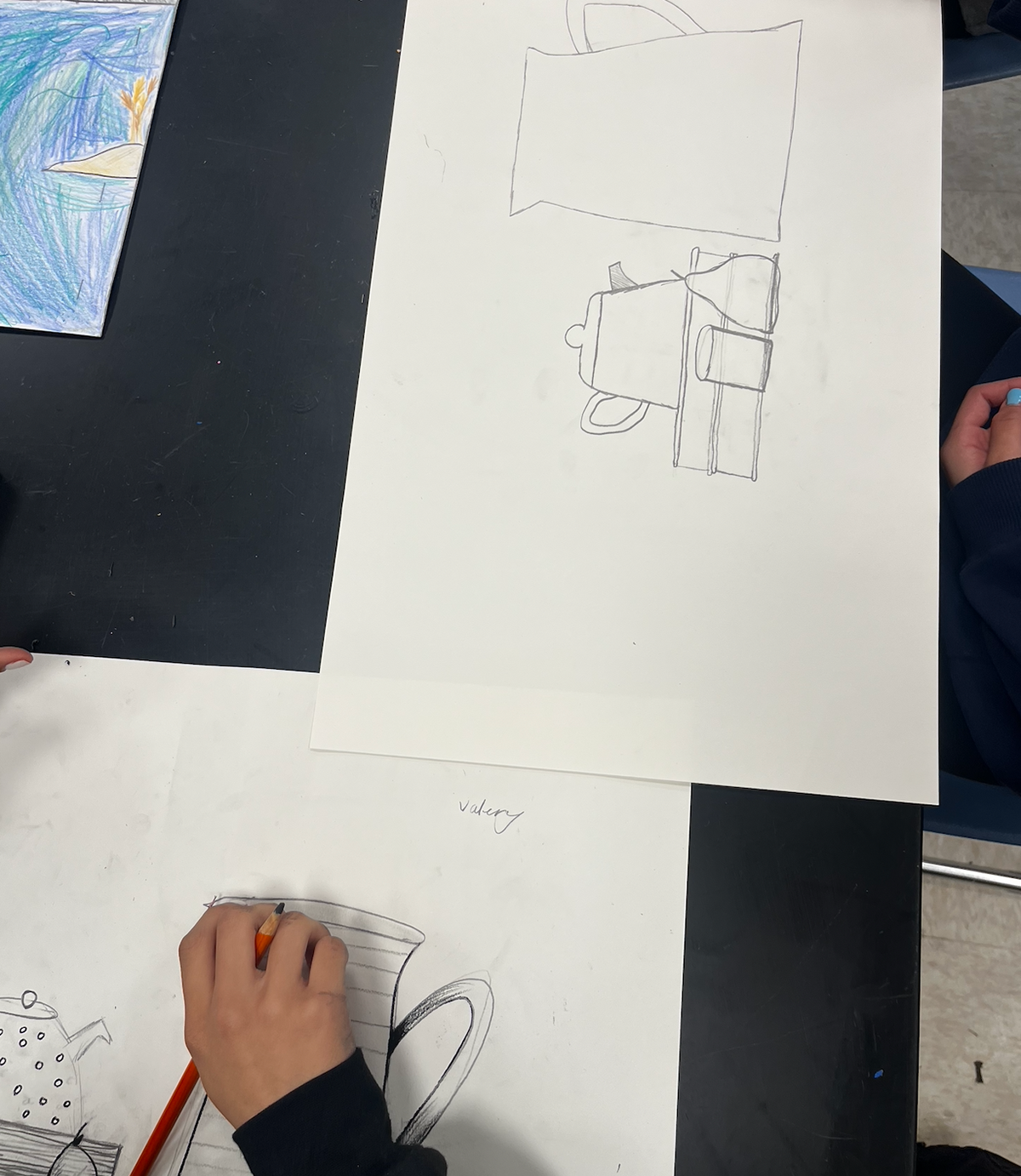
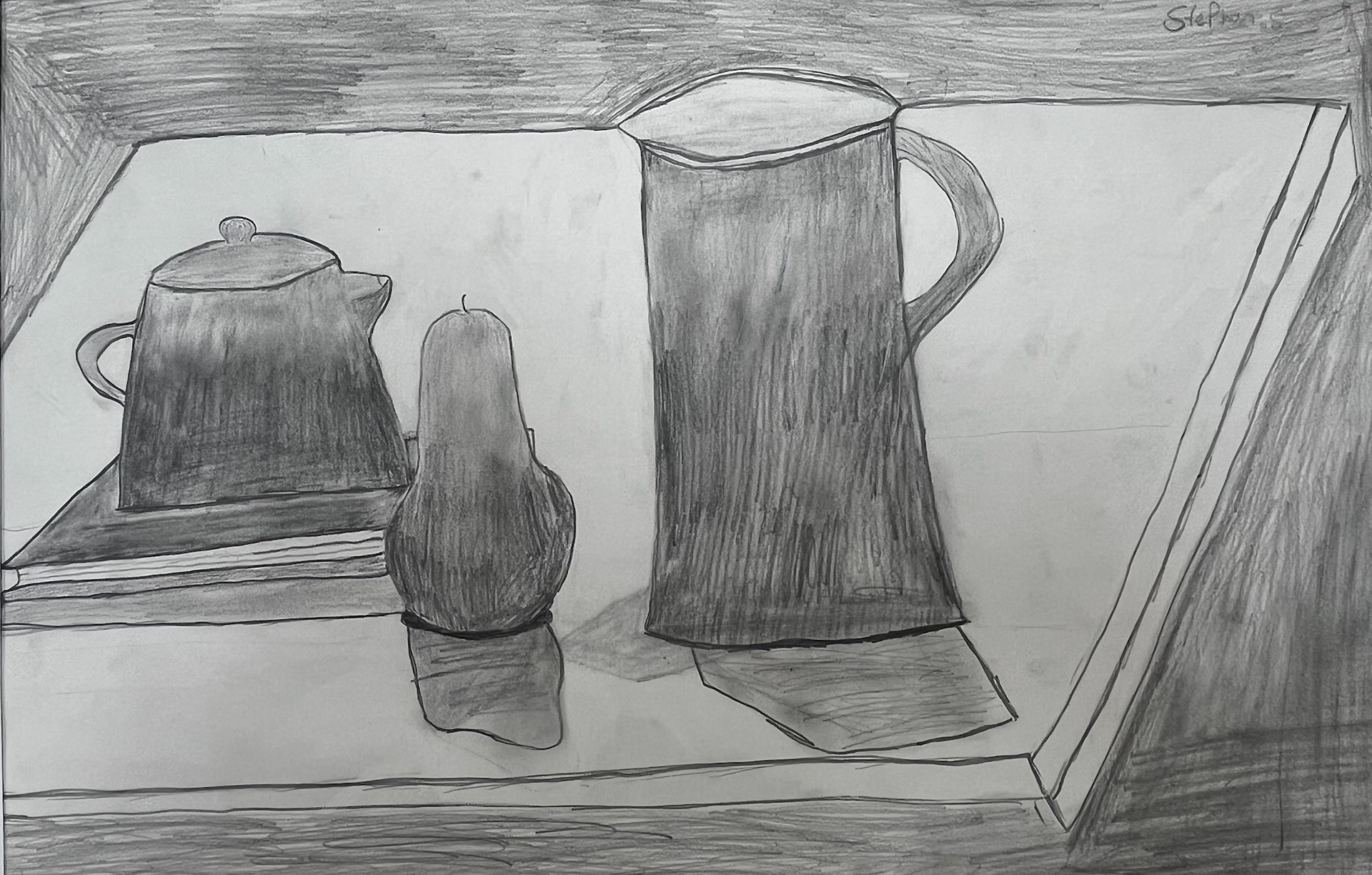
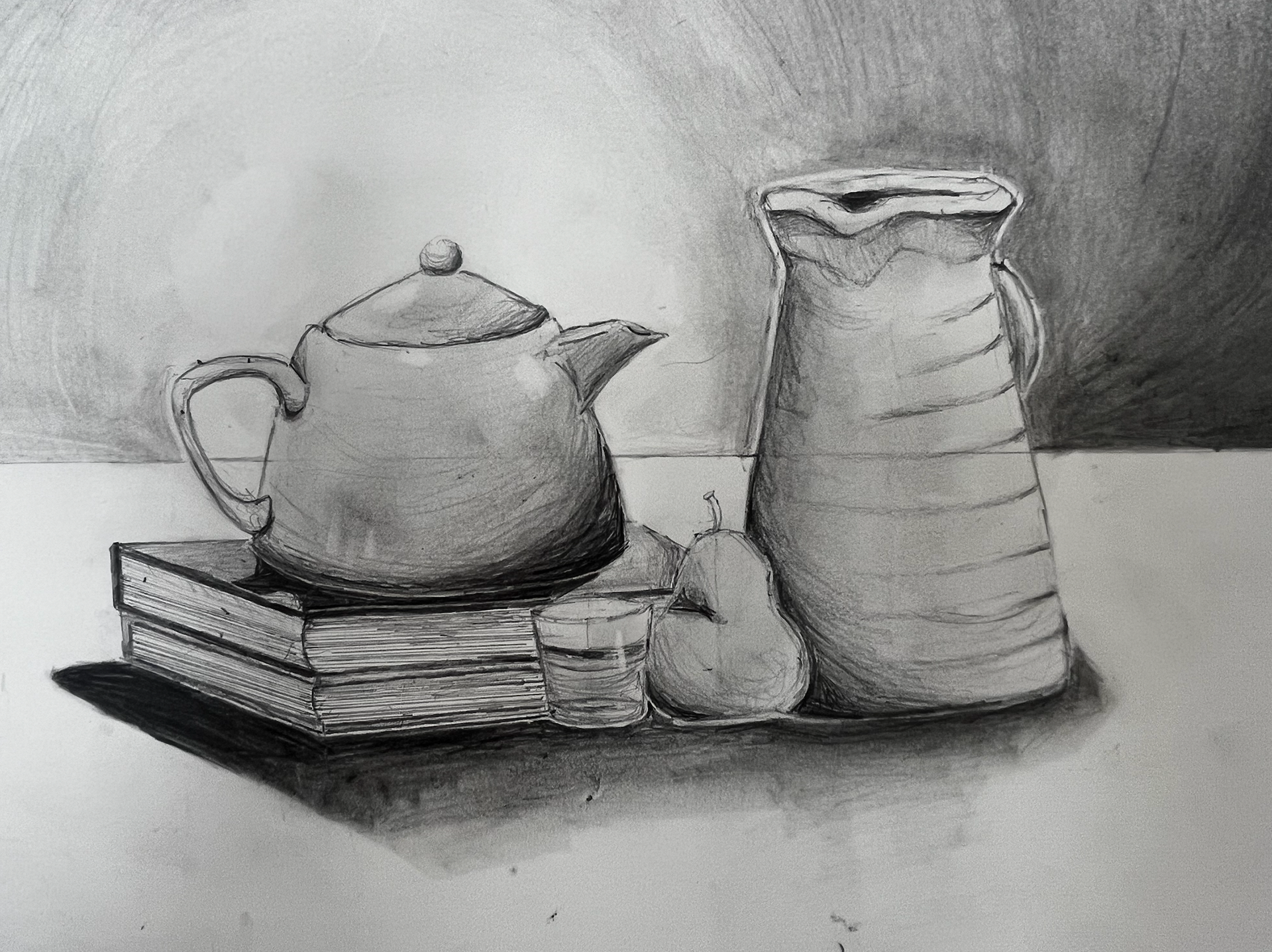
In this lesson, students create an observational still life drawing while building foundational drawing skills in shape, space, and value. They begin by planning their composition based on their seating perspective, considering how the arrangement appears from their unique point of view. Students are guided to block in their drawings using simple primary shapes before refining forms, helping them accurately capture proportions and placement. They also explore positive and negative space to better understand relationships between objects and background. To develop shading skills, students complete a value scale worksheet and practice rendering a sphere, which they then apply to their still life to create depth and form. Through observation and careful mark-making, students produce a drawing that demonstrates thoughtful composition, accurate structure, and an emerging understanding of light and shadow.
Junior High Art Lessons
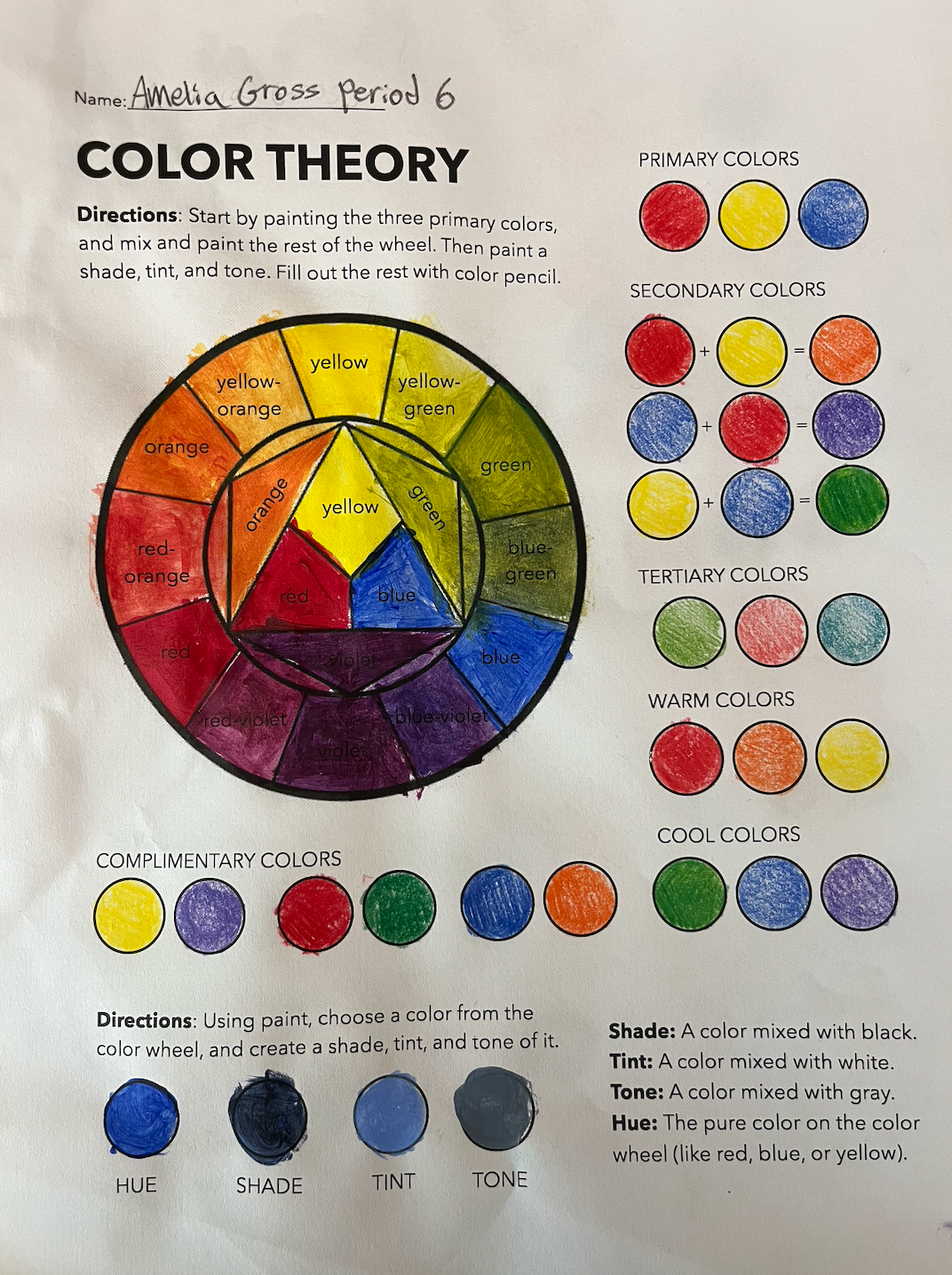
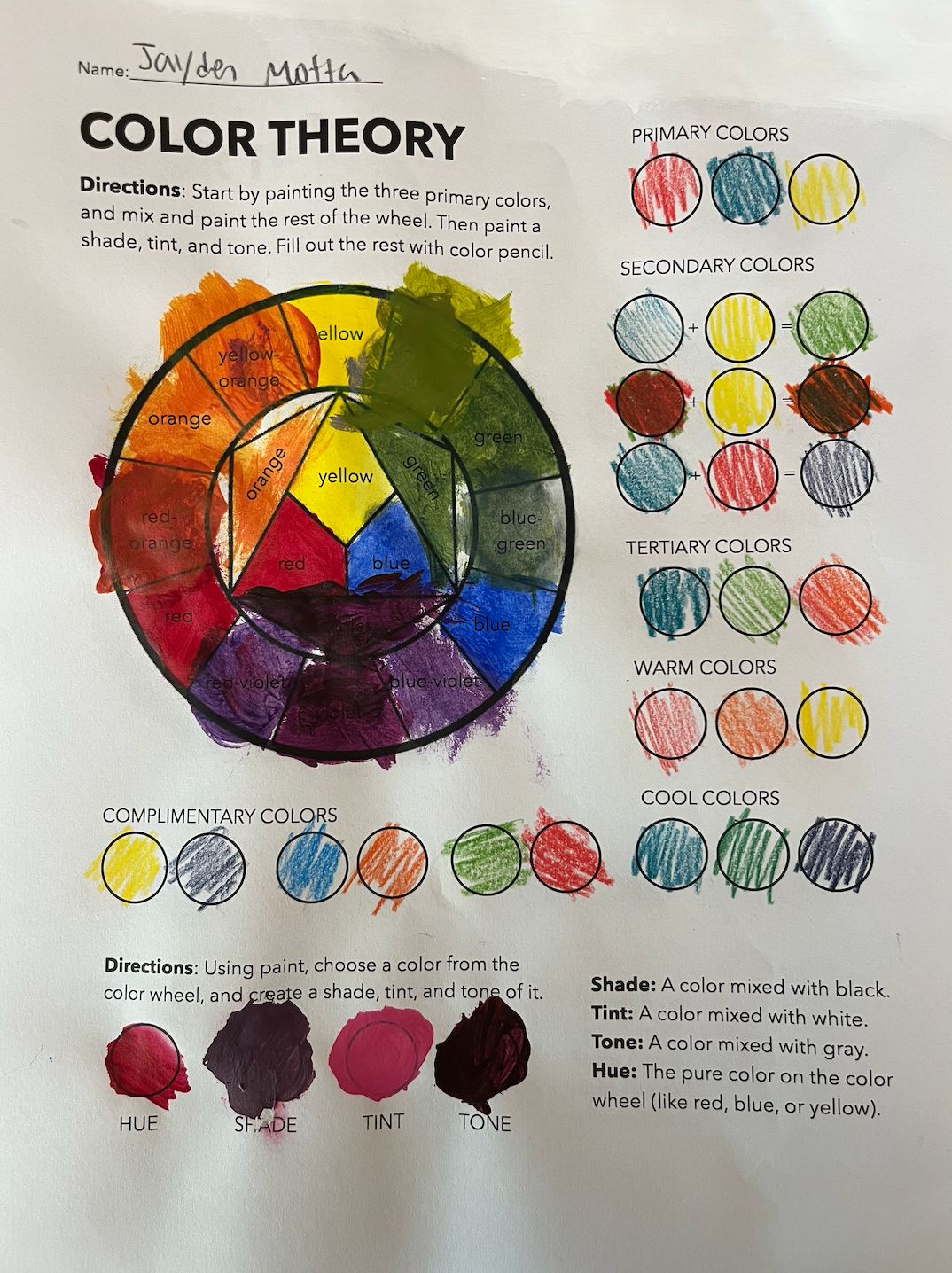
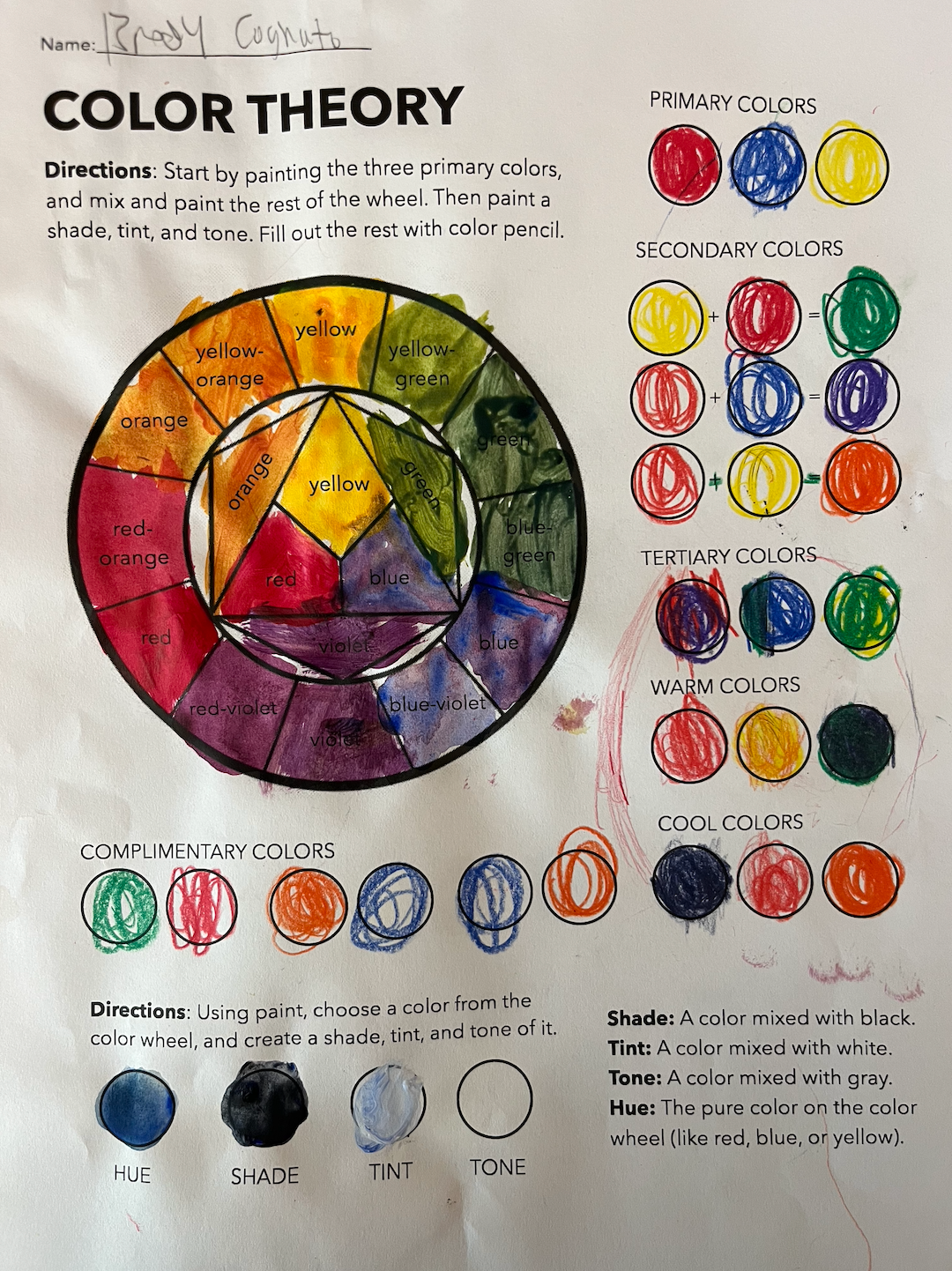
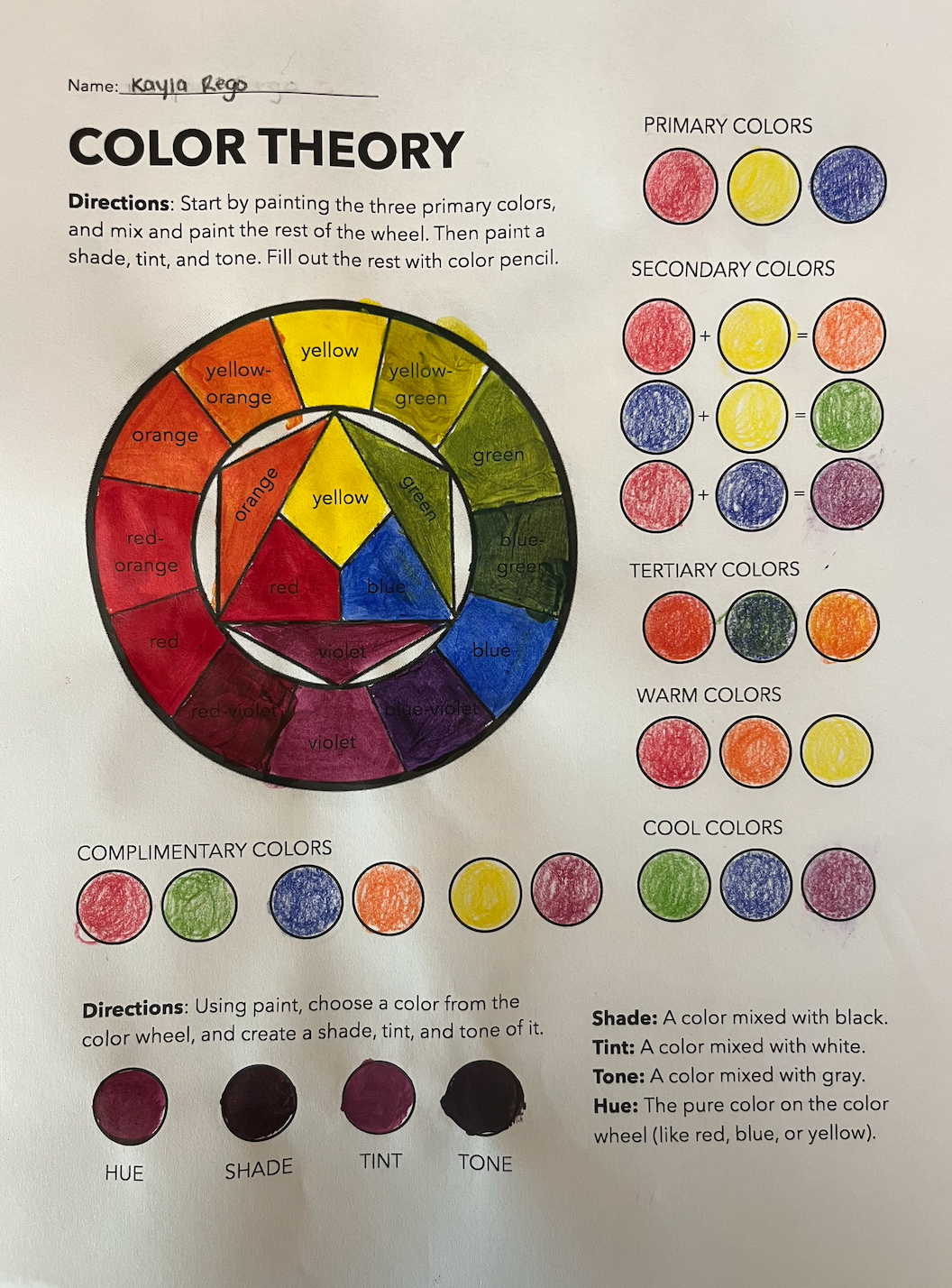
introduction to the color wheel / color theory - 8th Grade color theory
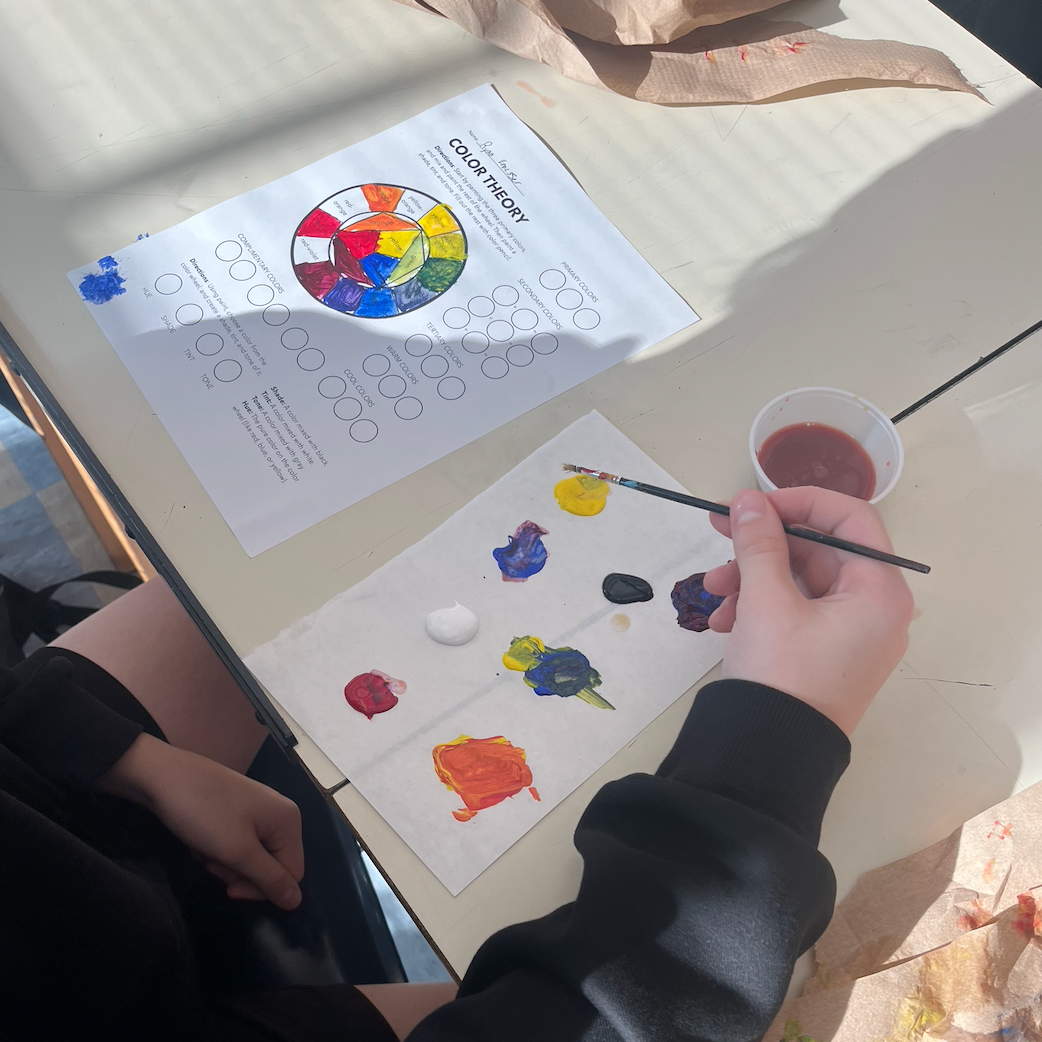
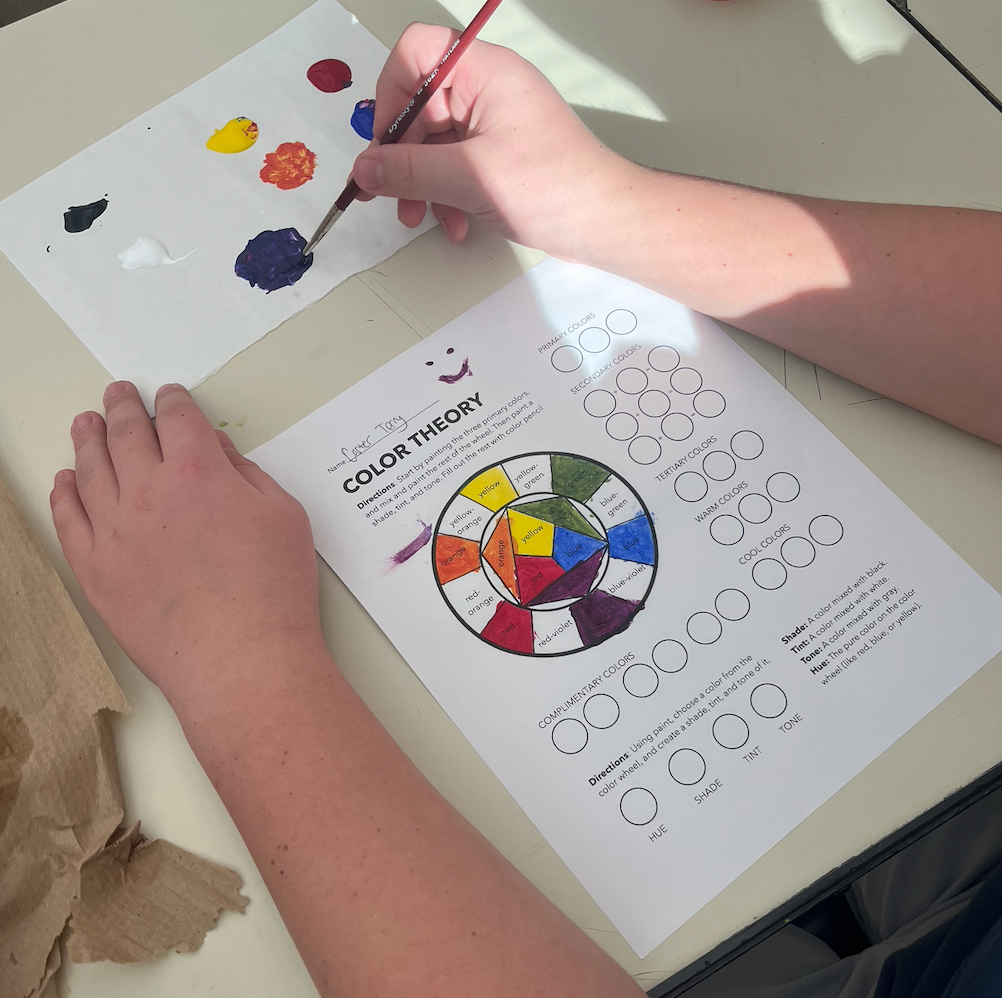
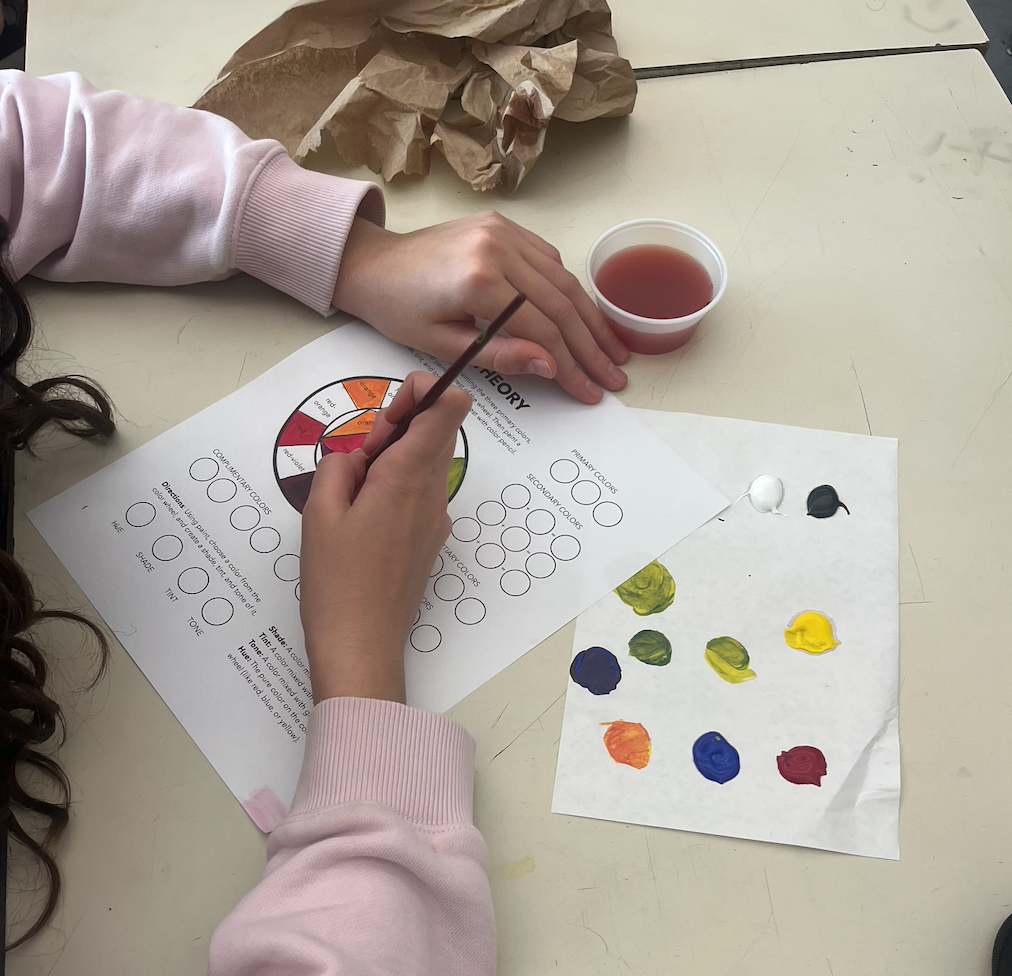
This lesson introduced 8th-grade students to the fundamentals of color theory through the creation of a 12-section color wheel. Students learned how primary, secondary, and tertiary colors are mixed and organized, explored warm and cool color relationships, and practiced creating tints, shades, and tones. Through a teacher-led demonstration and hands-on painting activity, students applied their knowledge to produce a fully labeled color wheel. Understanding was reinforced with guided questioning and a brief exit ticket, allowing students to clearly demonstrate both their technical skills and conceptual understanding of color.
High School Art Lessons
creative pinch pot - 9th grade intro to clay
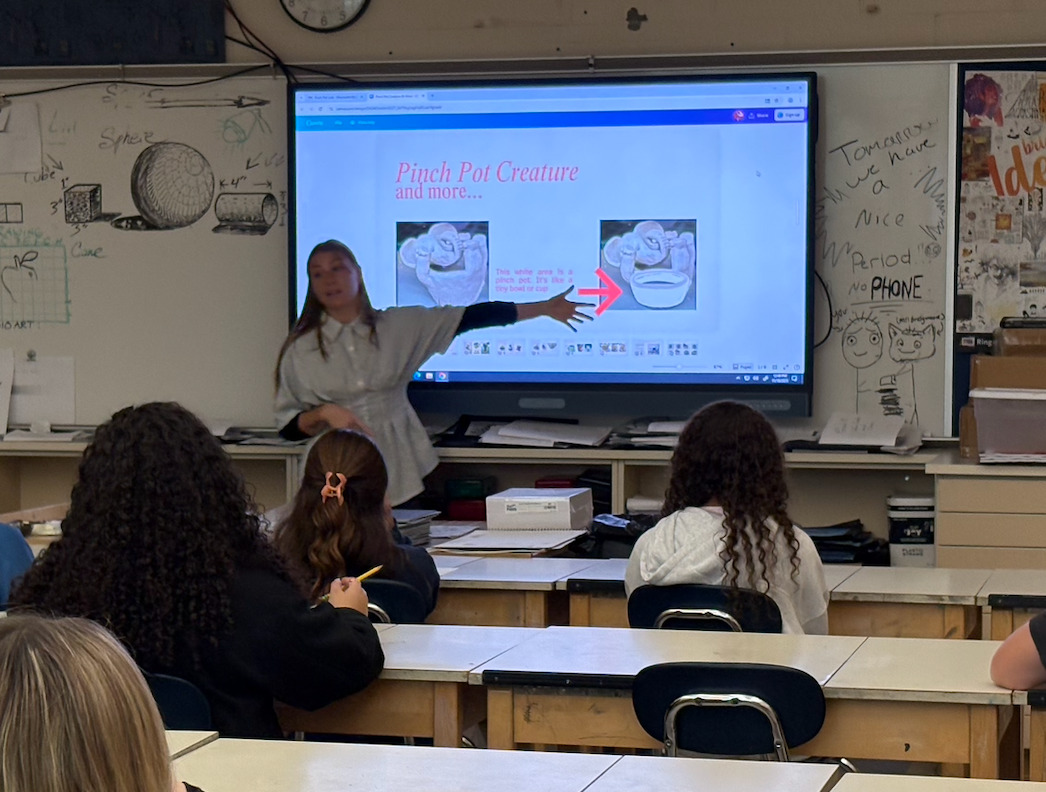
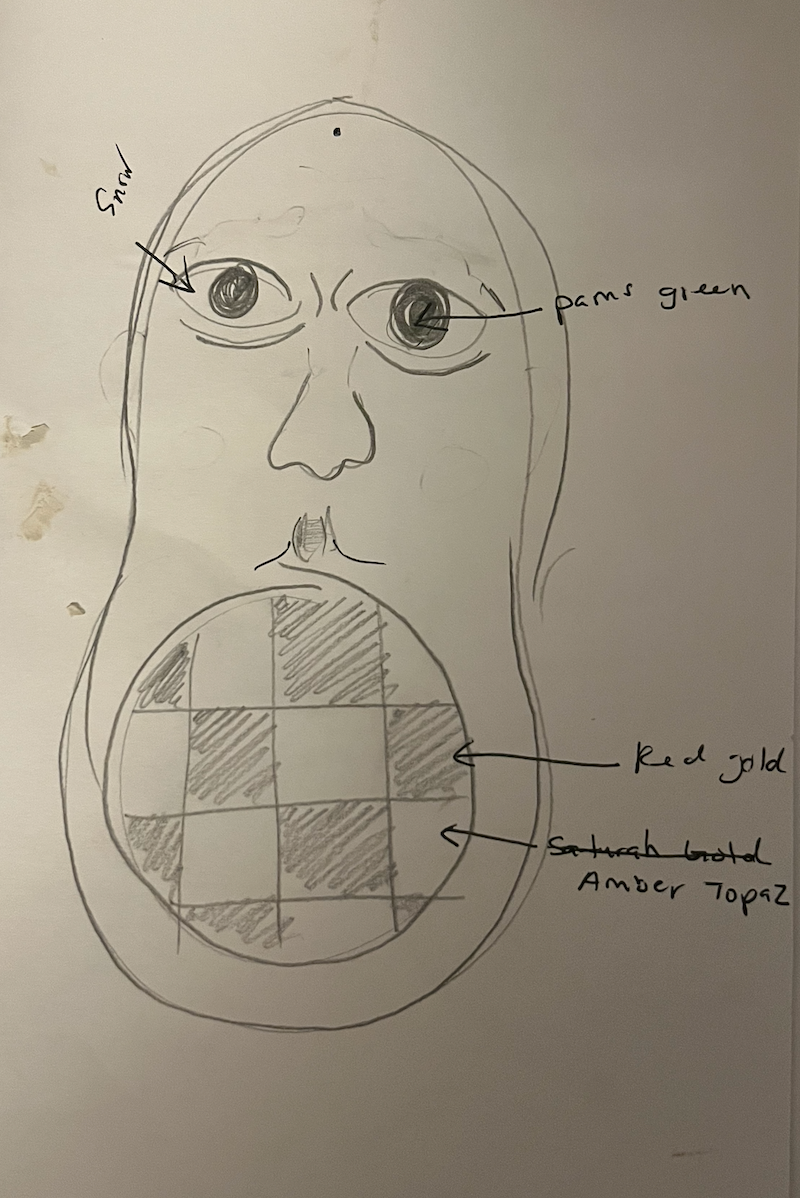
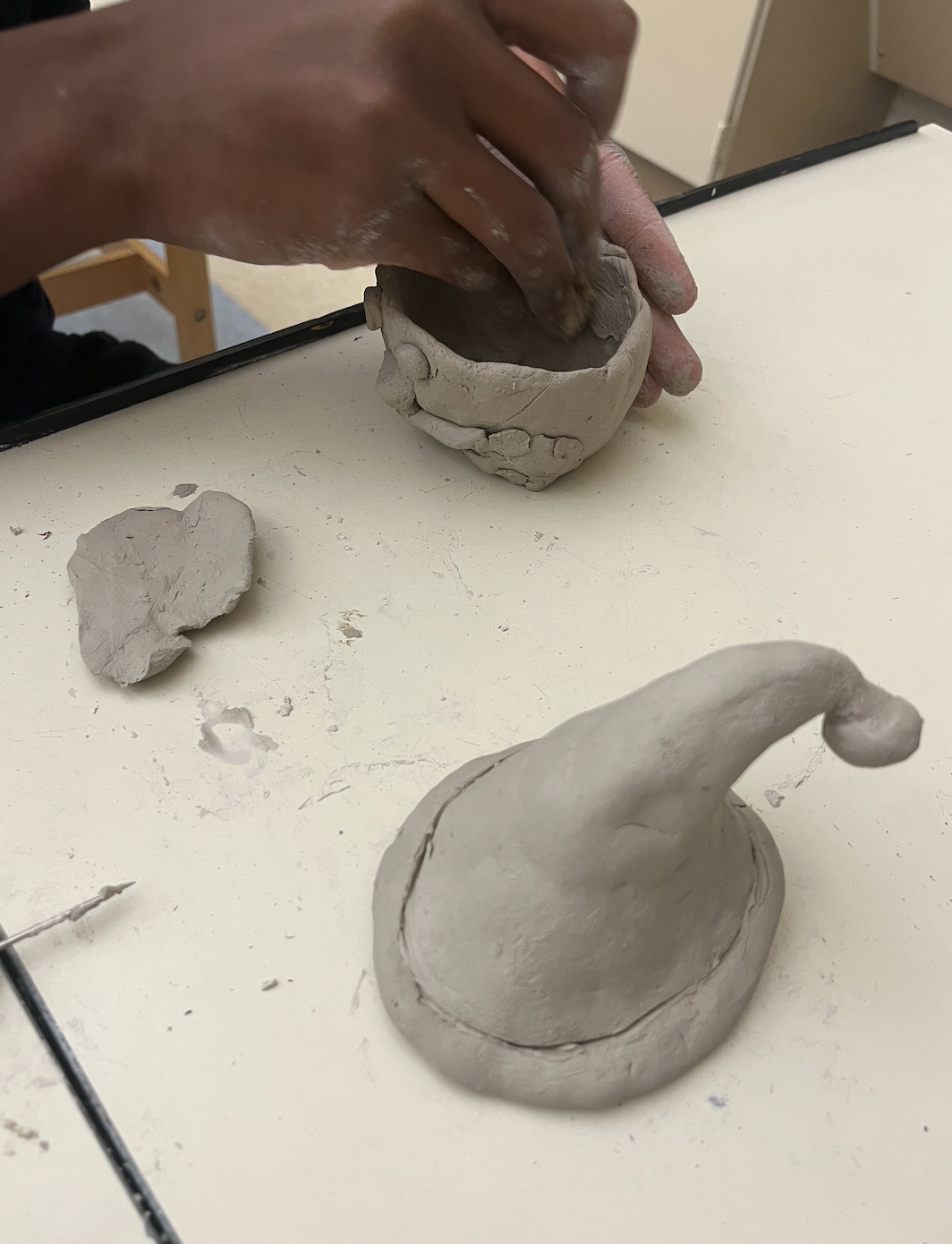
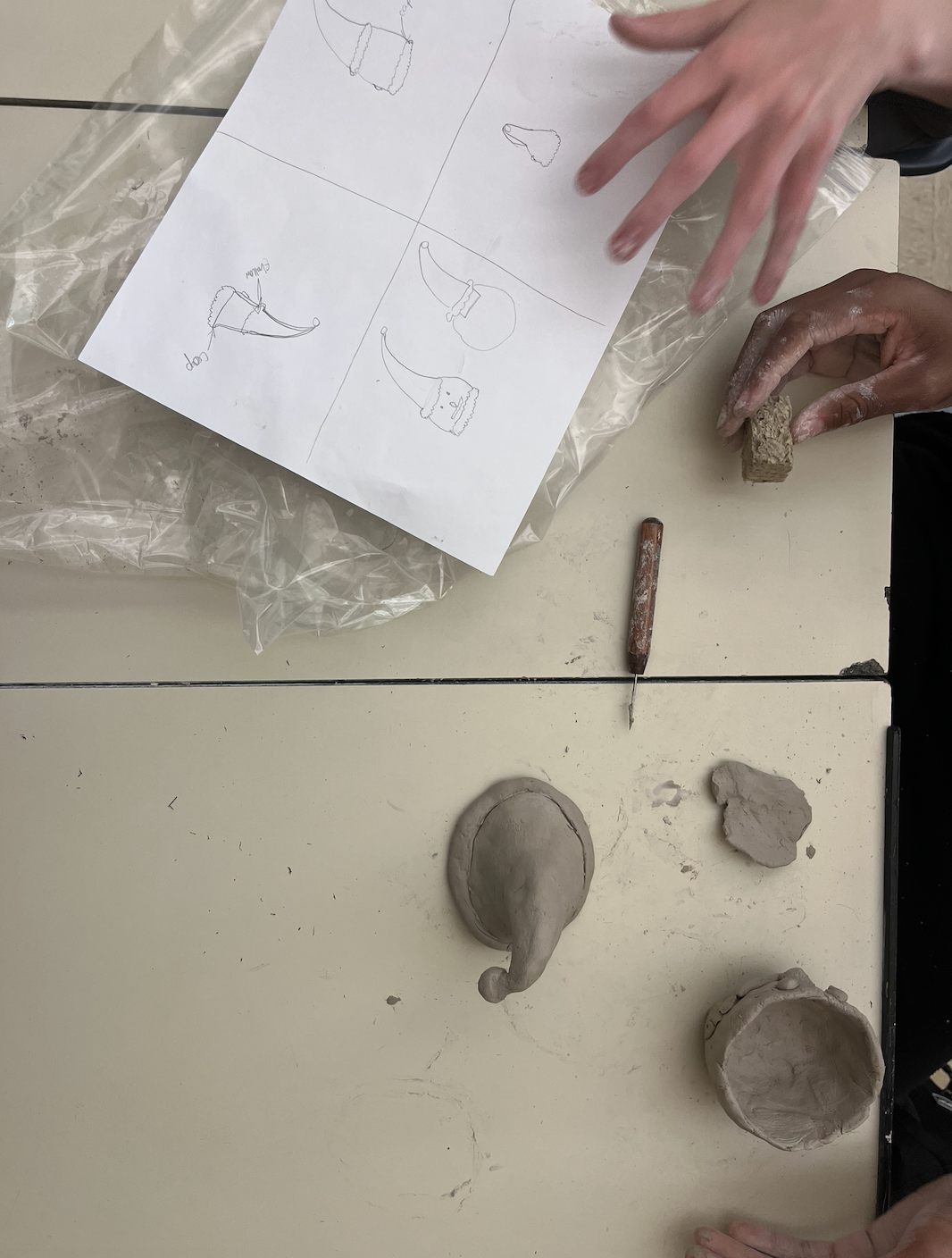
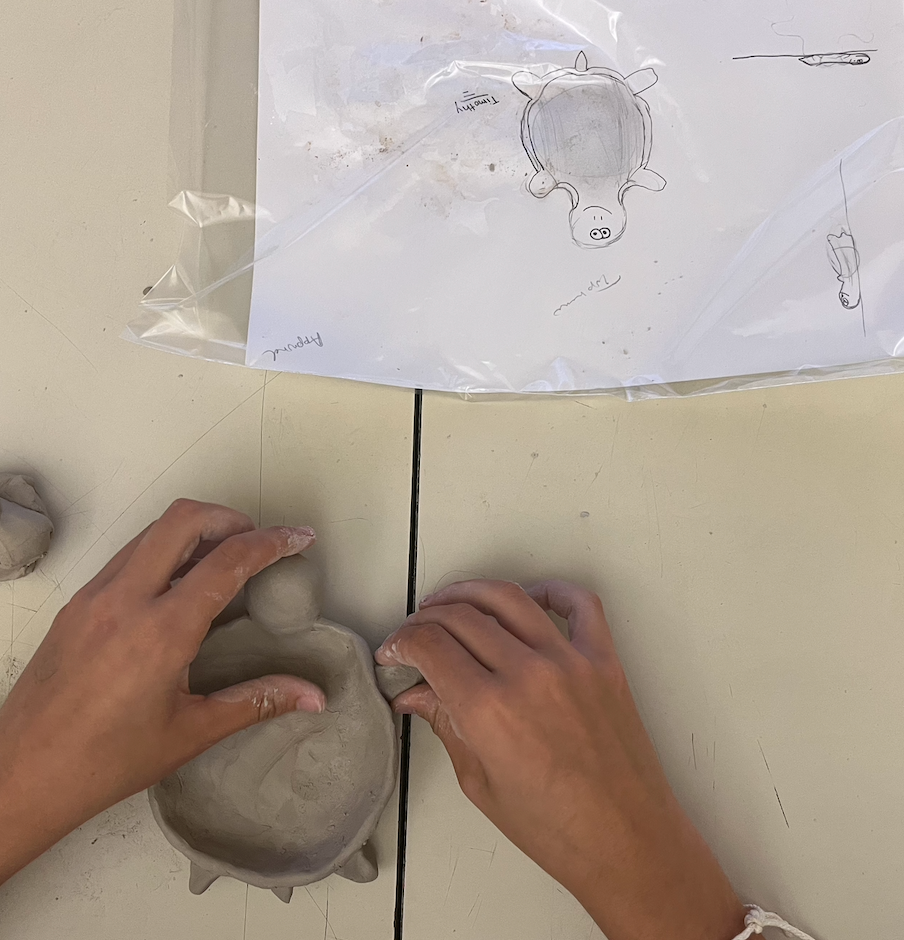
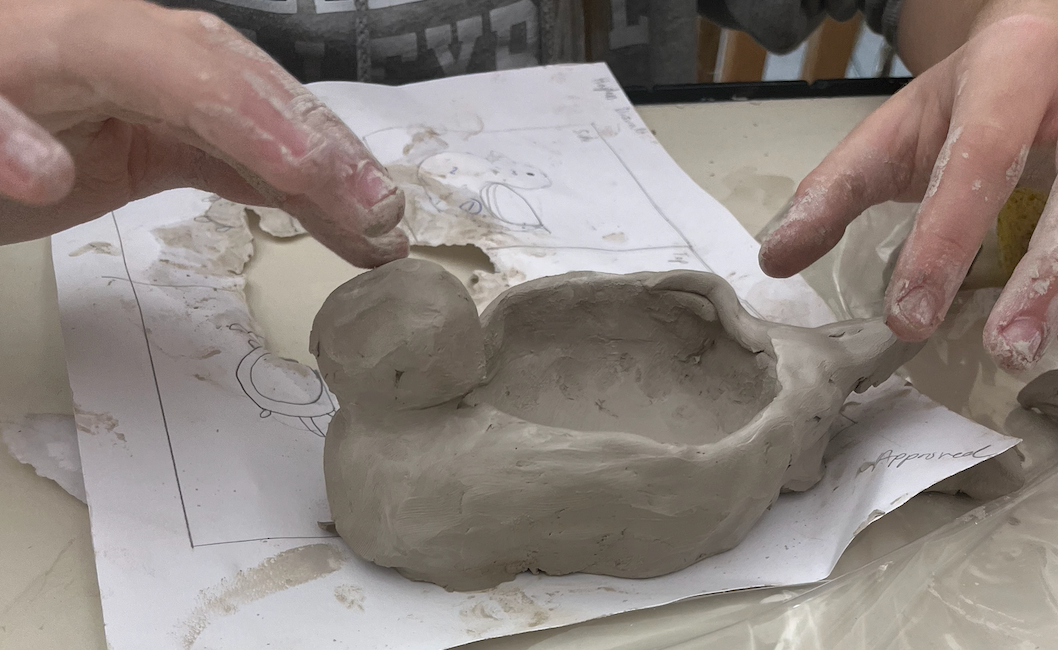
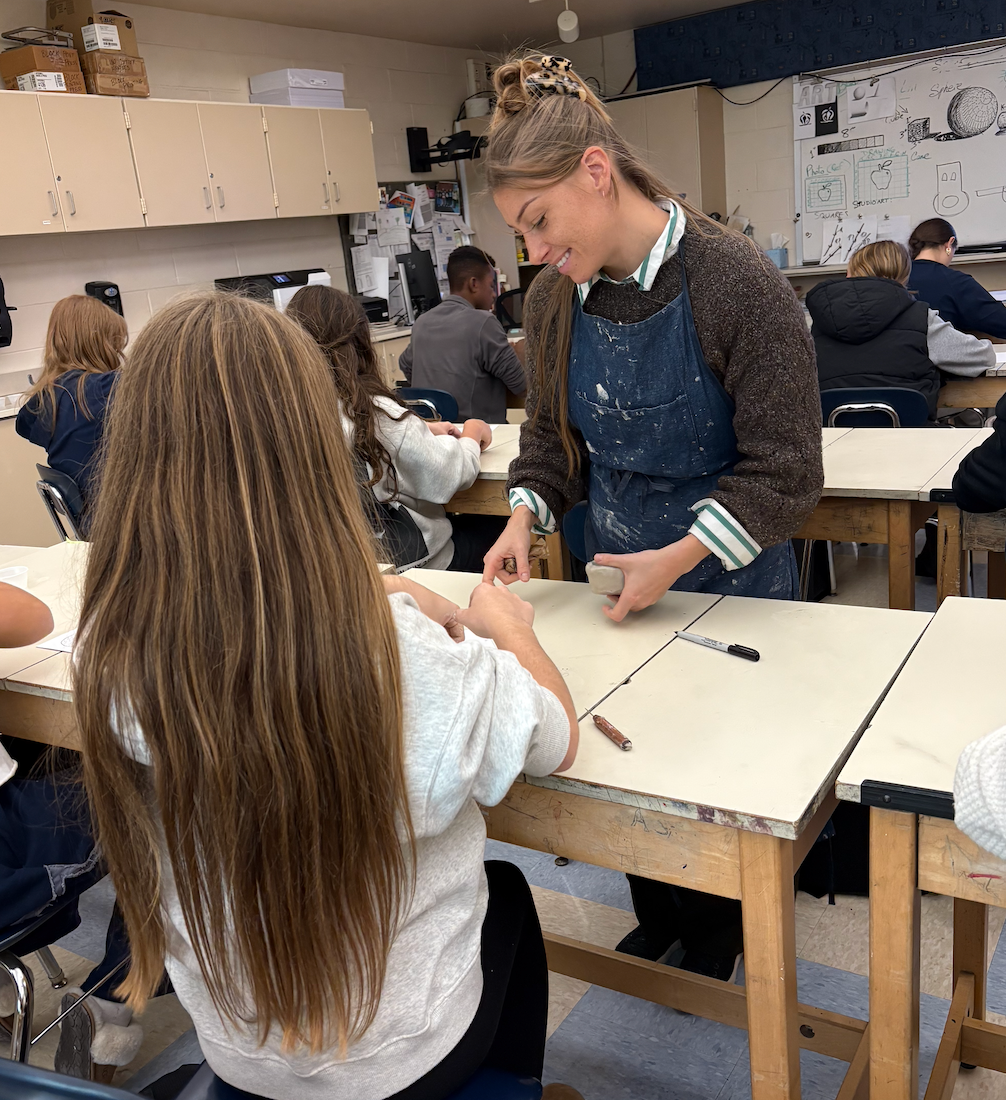
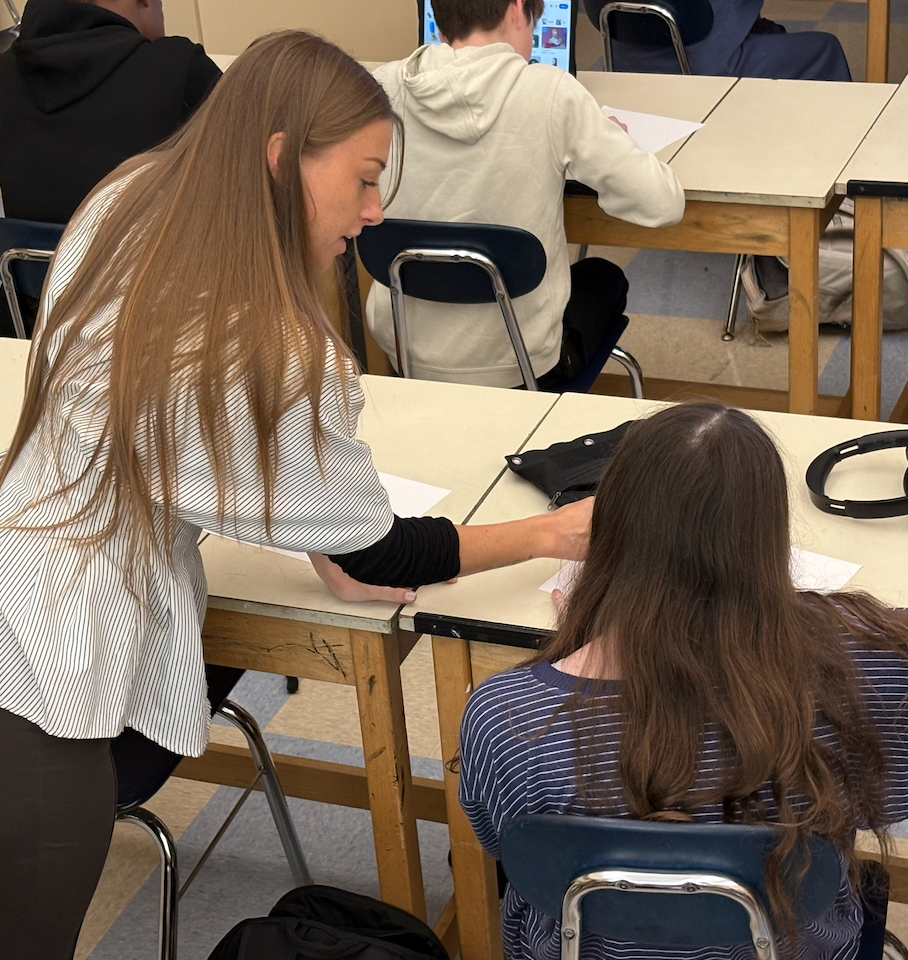
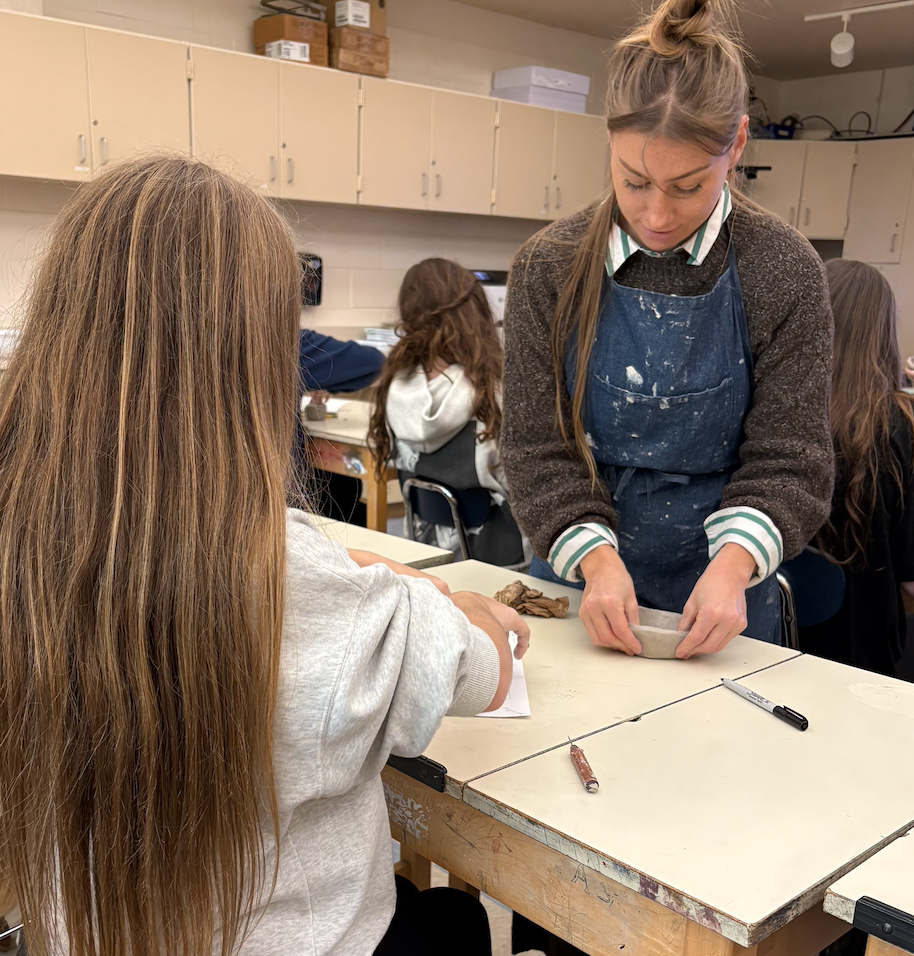
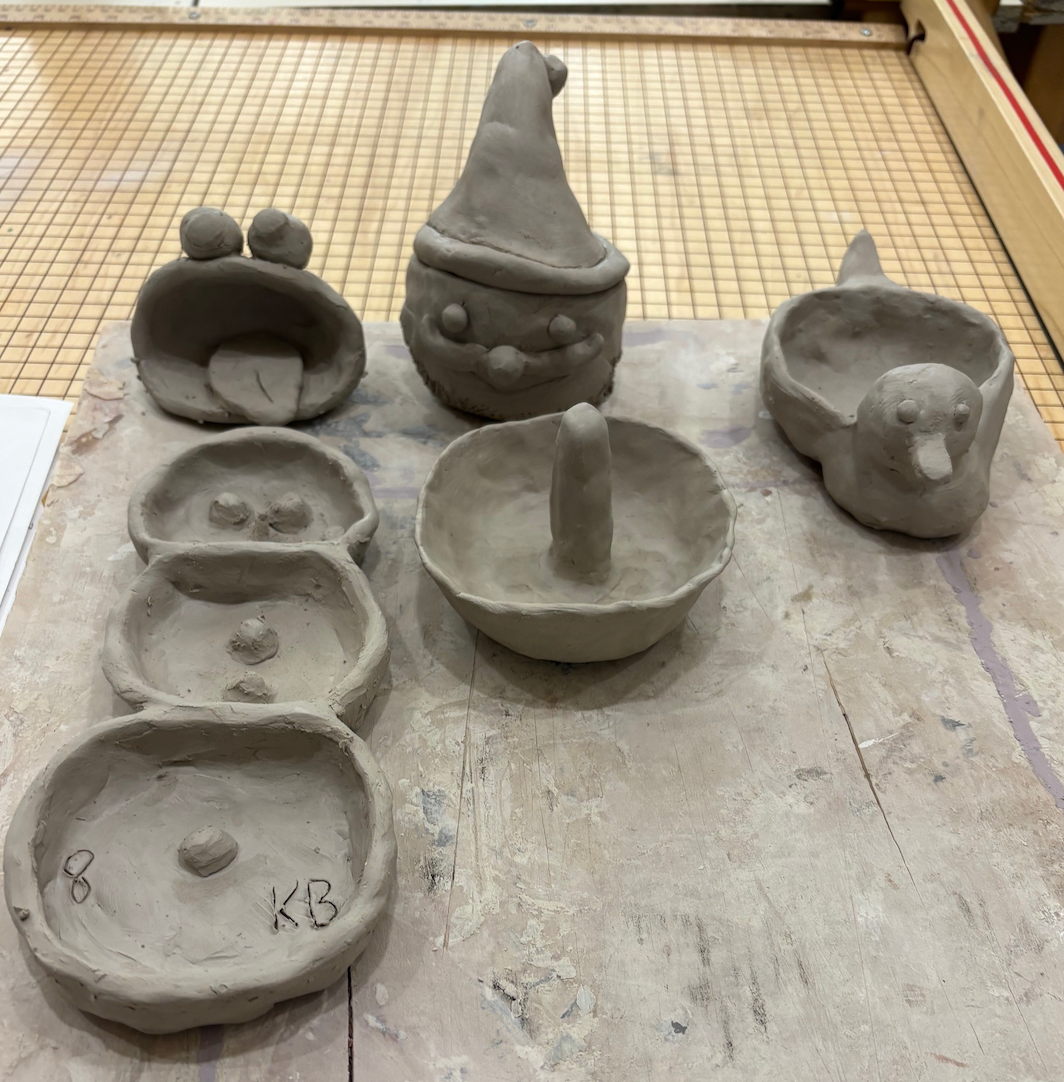
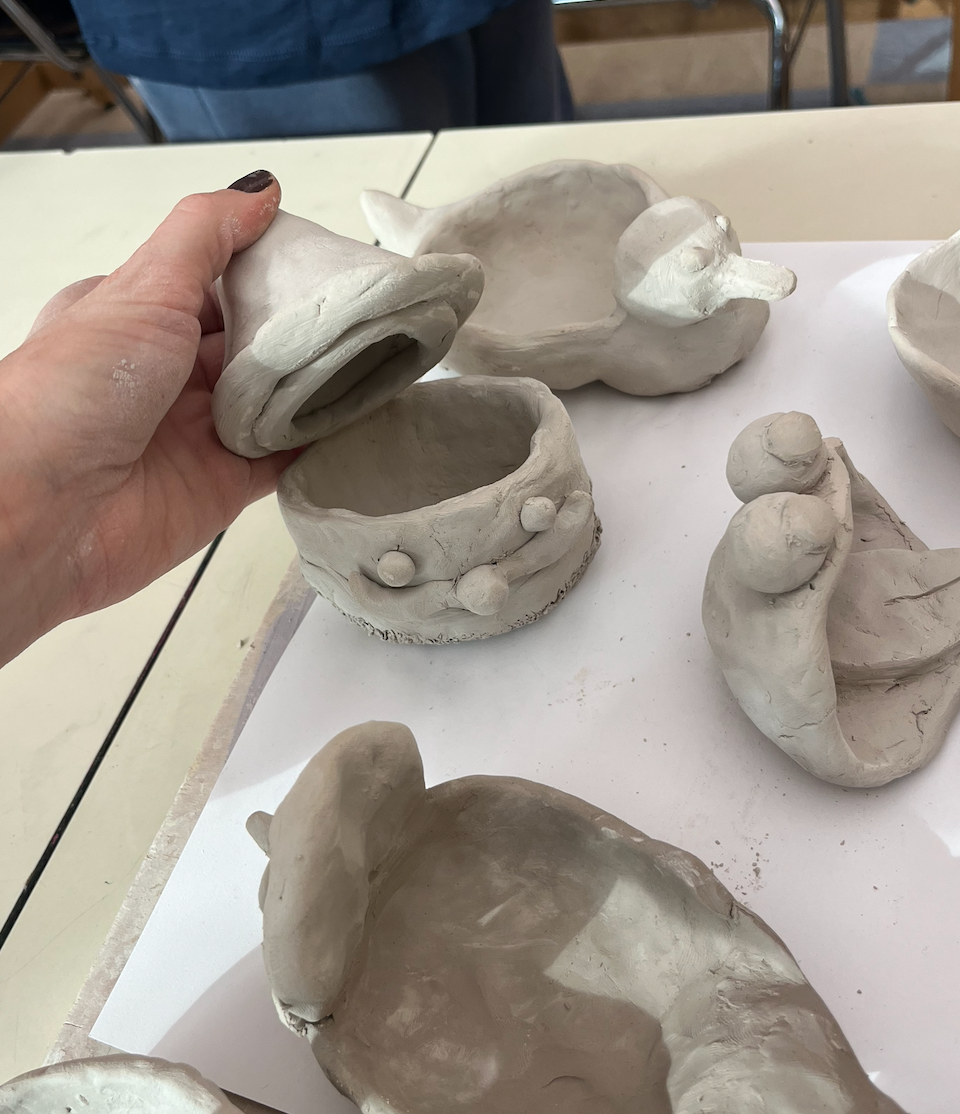
In this multi-session ceramics lesson, students learn foundational hand-building skills by creating a creative pinch-pot–based clay sculpture. Through demonstration and guided practice, students develop techniques such as pinching, scoring, slipping, joining, and refining surfaces while exploring how a simple pot can evolve into an expressive or functional form. Students sketch ideas, build and extend their pinch pot, refine craftsmanship, and later add color to their fired piece. The project encourages experimentation, problem-solving, and creativity, resulting in a finished clay artwork that demonstrates proper technique, originality, and thoughtful construction.
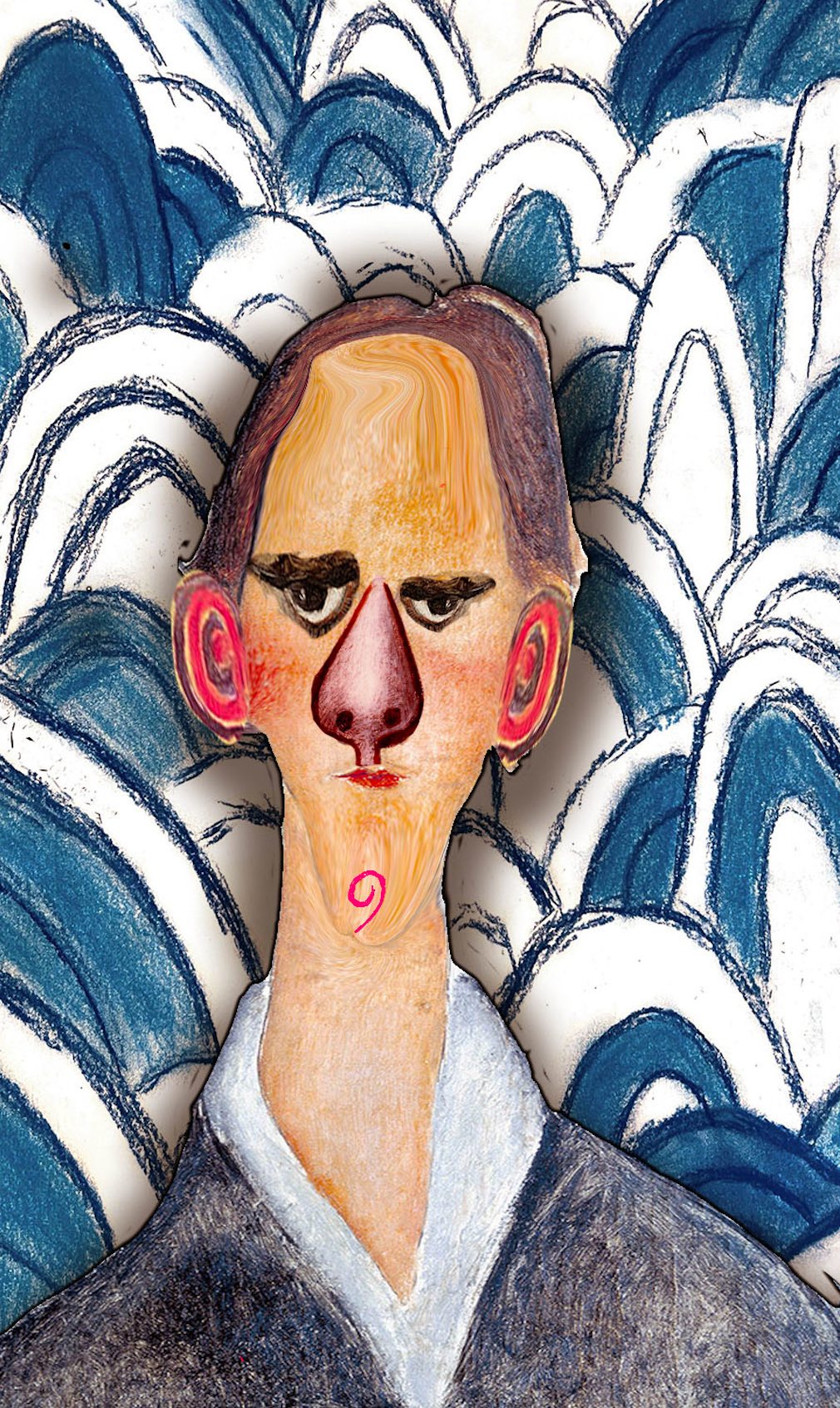
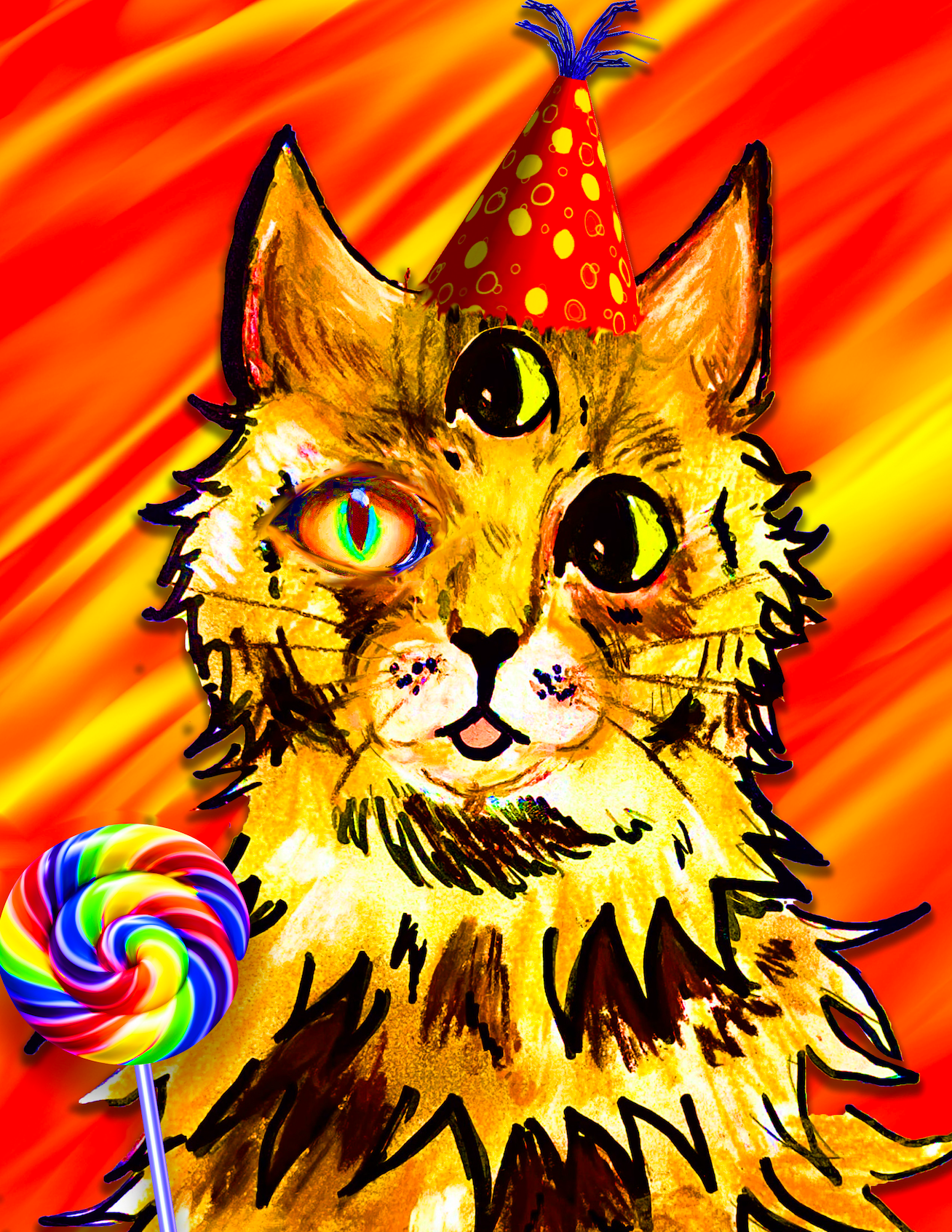
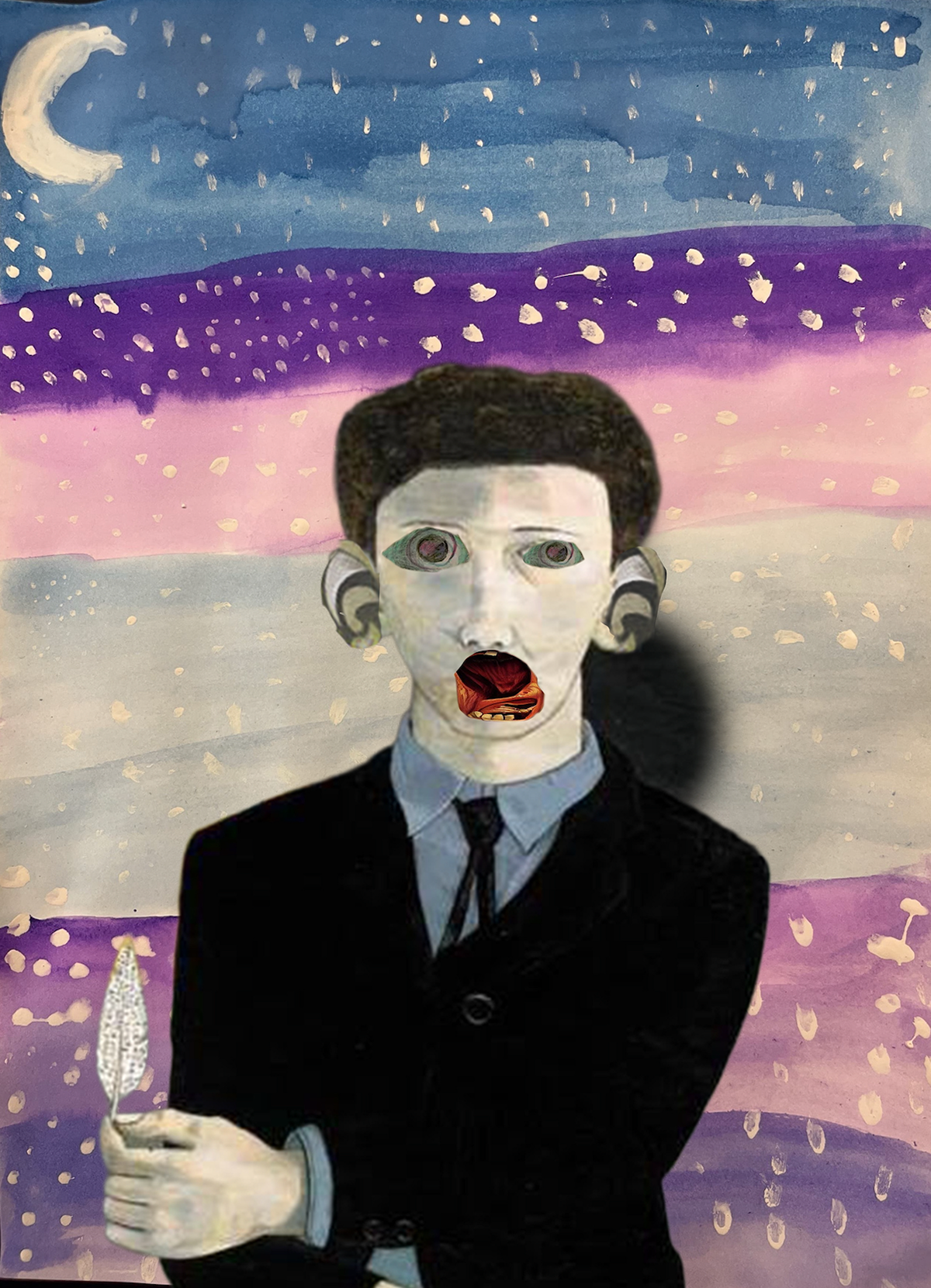
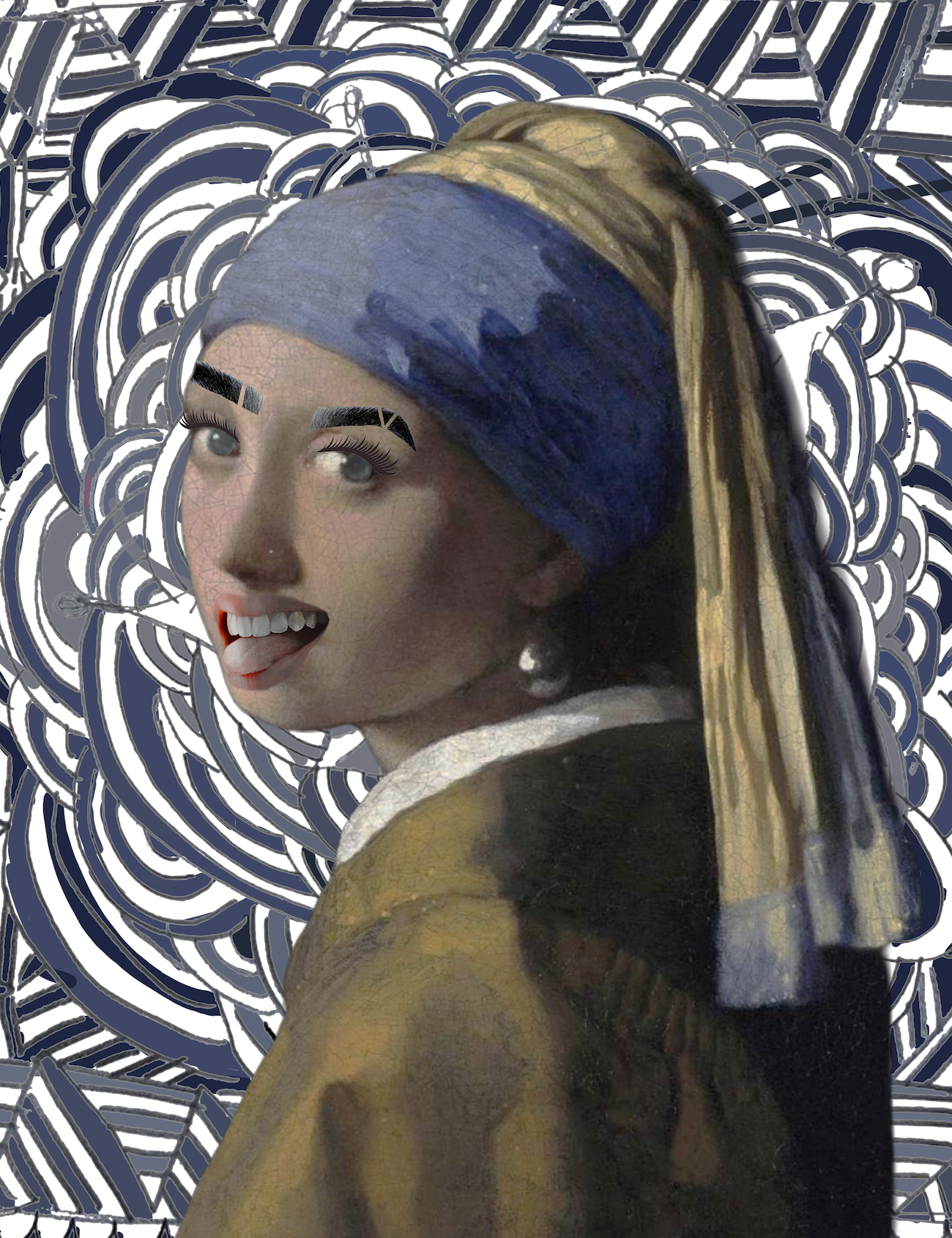
George Condo Inspired Portrait Collage - digital art 2 lesson
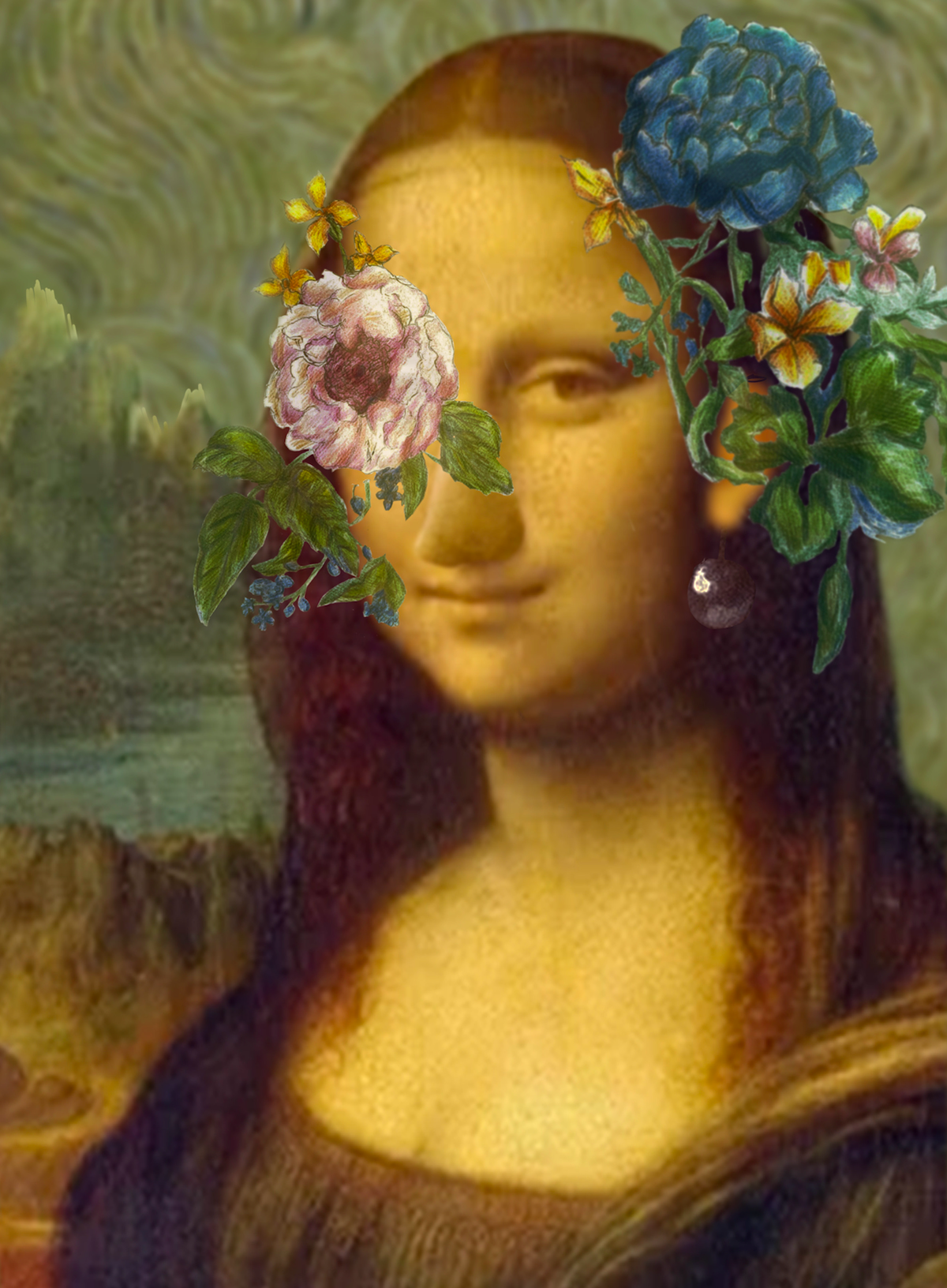
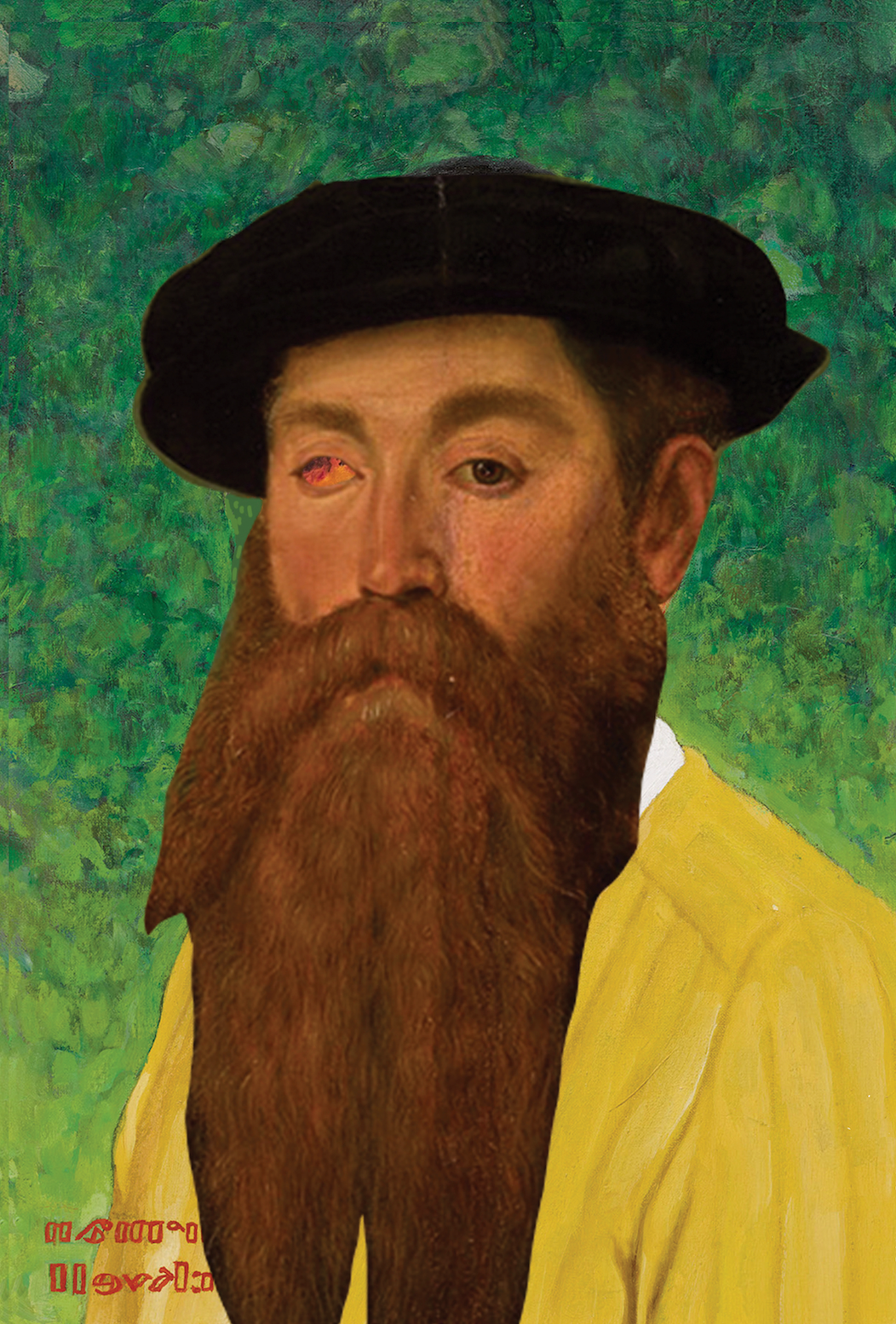
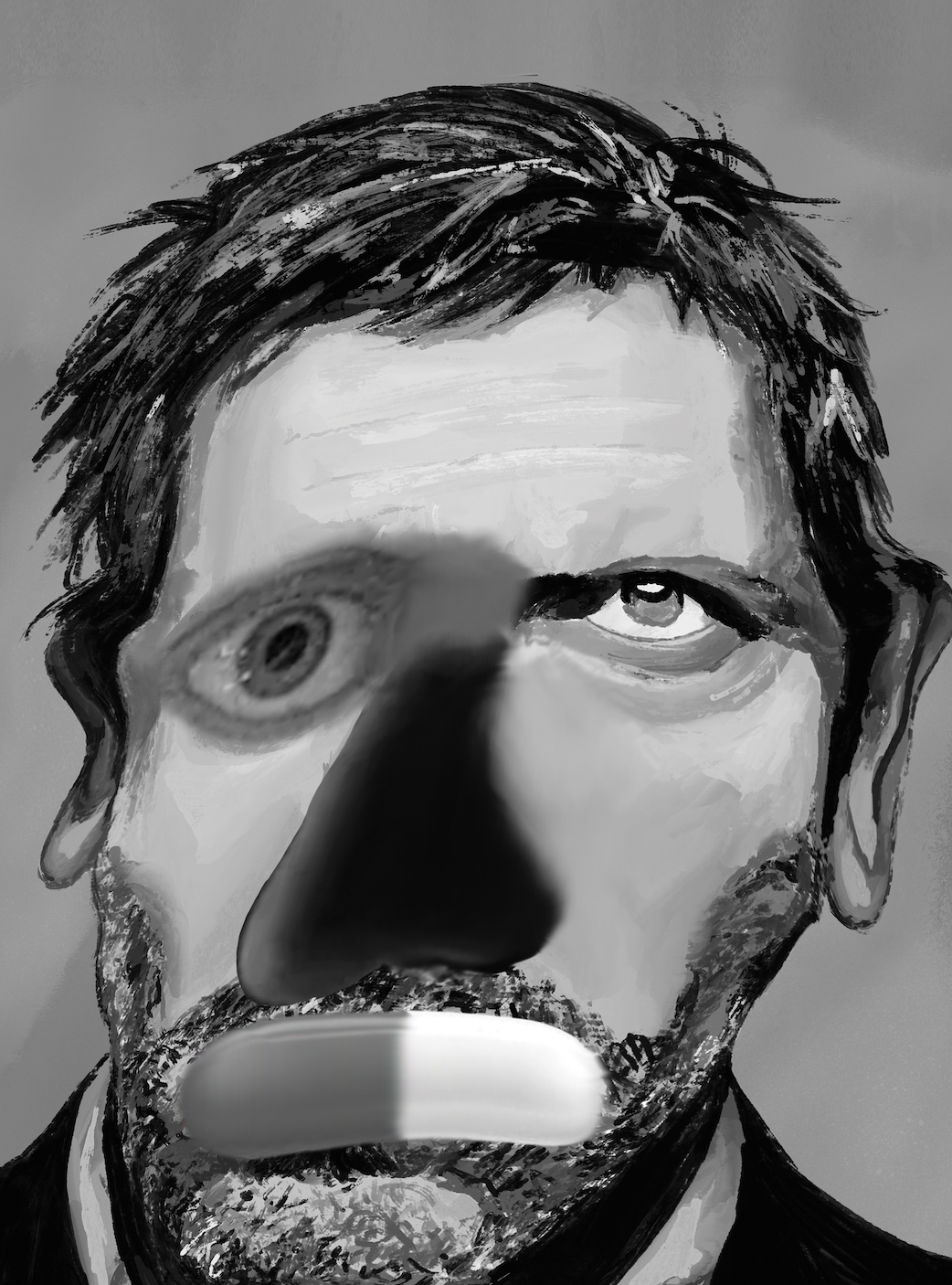
In this lesson, students create a digital collage portrait inspired by the expressive, distorted style of George Condo, combining elements of traditional portraiture with surreal and abstract visuals. They begin by gathering references and sketching ideas, thinking about how exaggeration, fragmentation, and unexpected combinations can communicate mood and identity. Using Photoshop, students layer multiple images together and learn how to blend them seamlessly through adjustment layers, masking, and opacity control. They also incorporate a personal touch by creating a traditional artwork (drawing, painting, or mixed media), which is then scanned and integrated into their final digital piece. As they work, students experiment with color, texture, and composition to unify their collage. By the end, they produce a dynamic portrait that reflects both technical growth in digital tools and their ability to merge traditional and digital processes into one cohesive artwork.
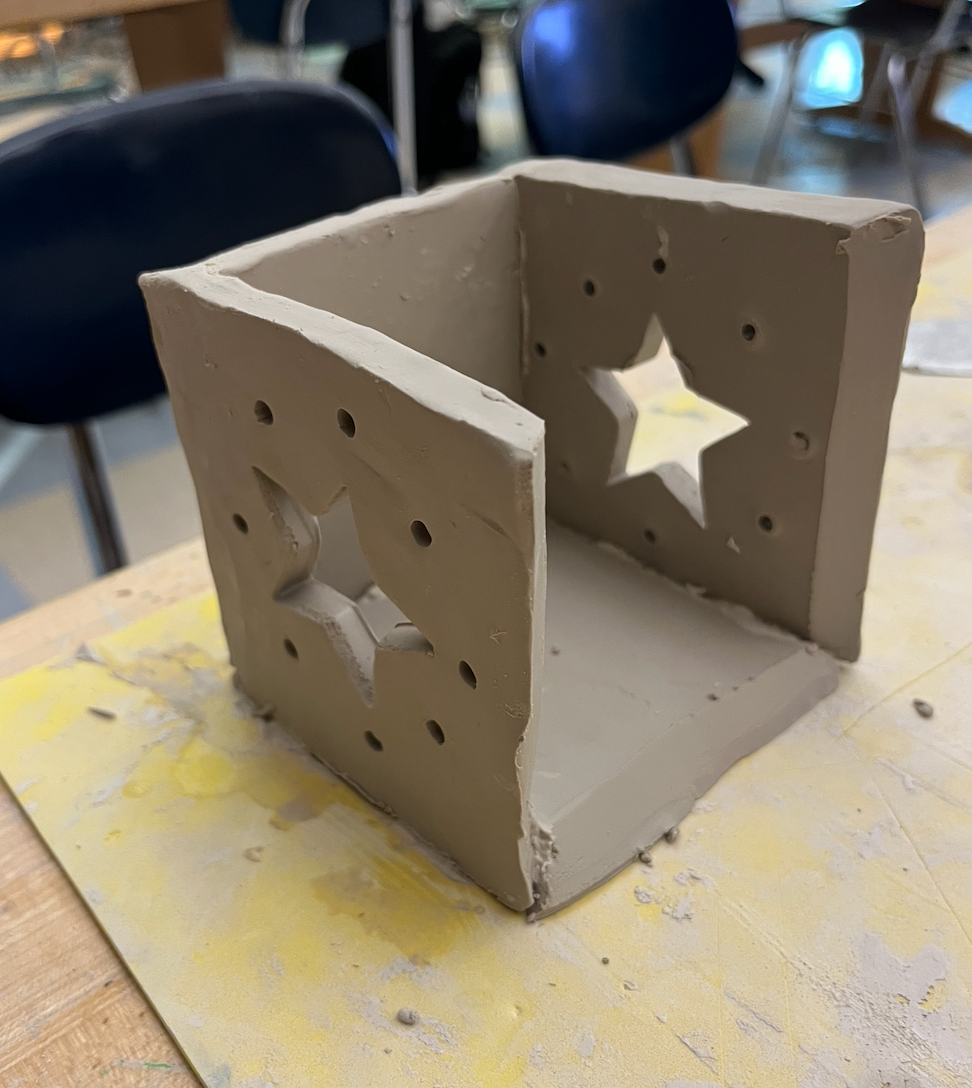
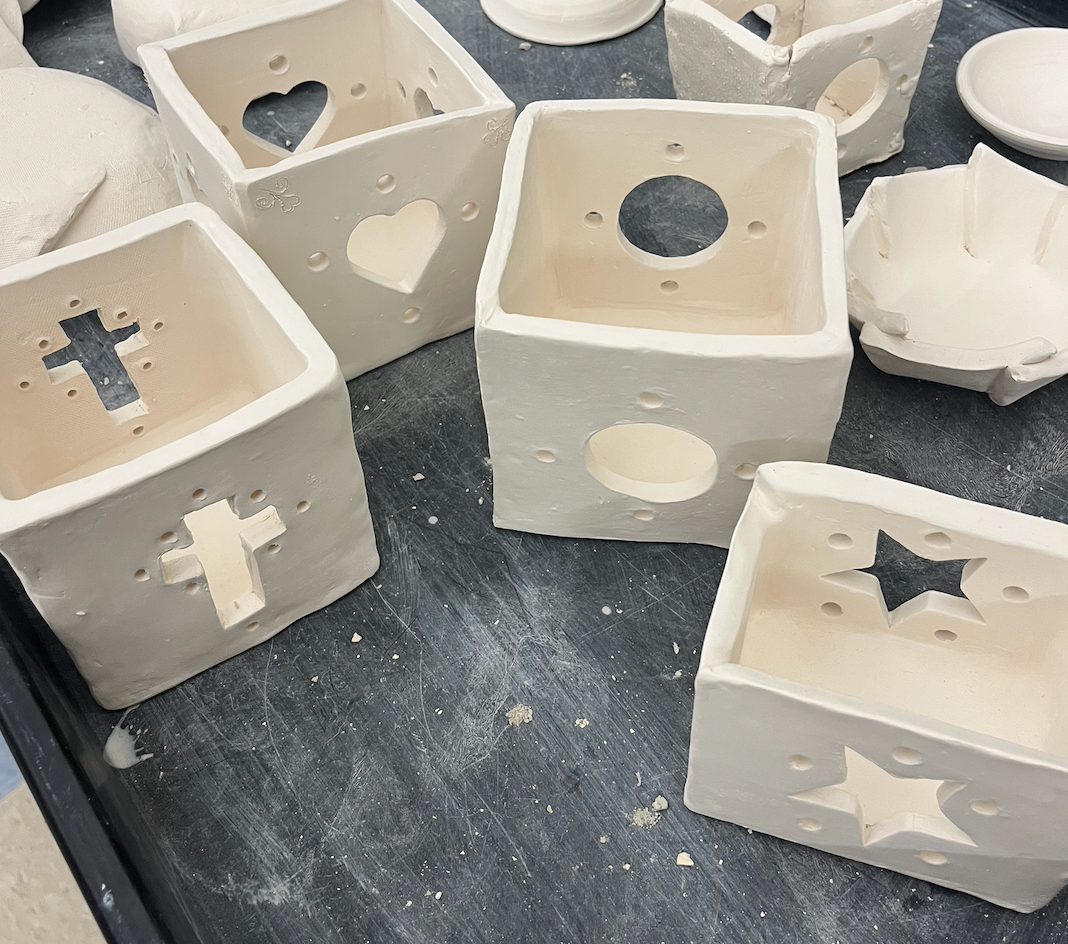
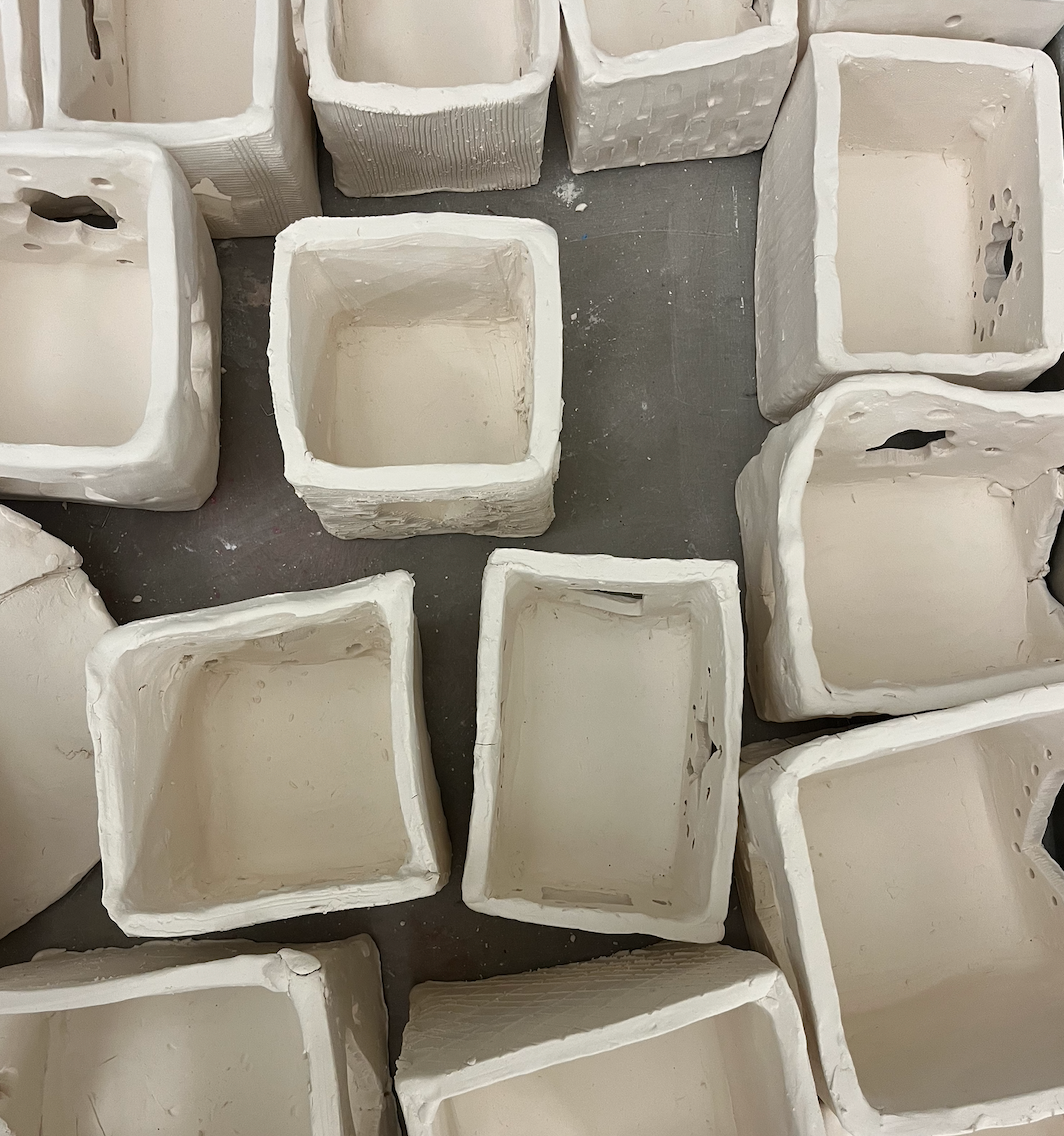
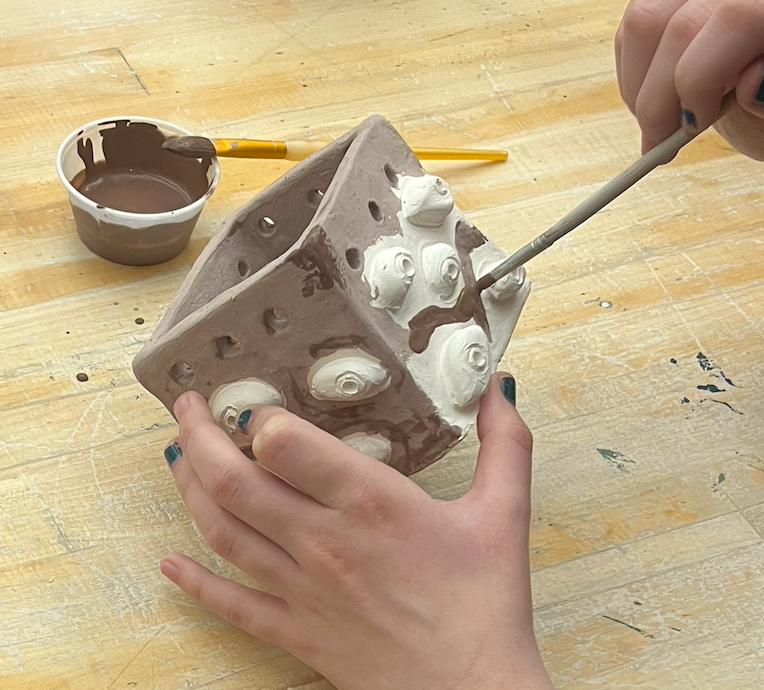
mixed media slab box - ceramics 1 lesson
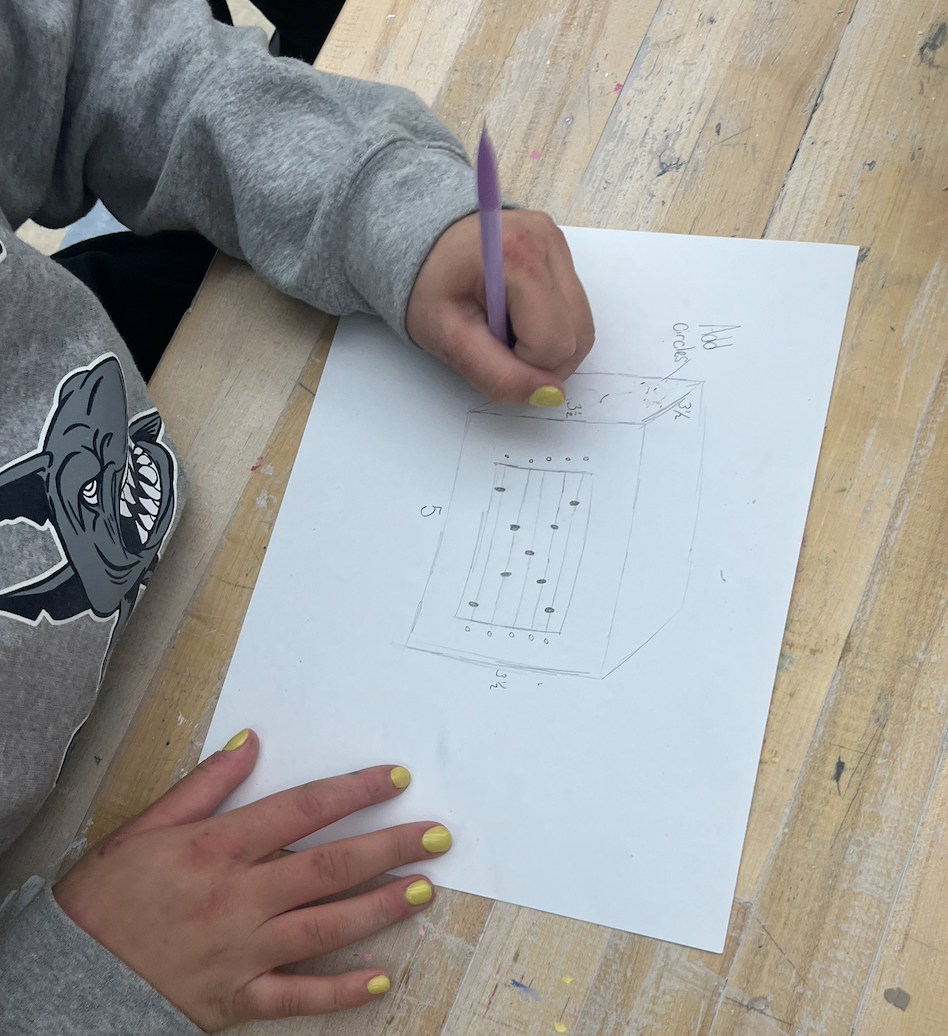
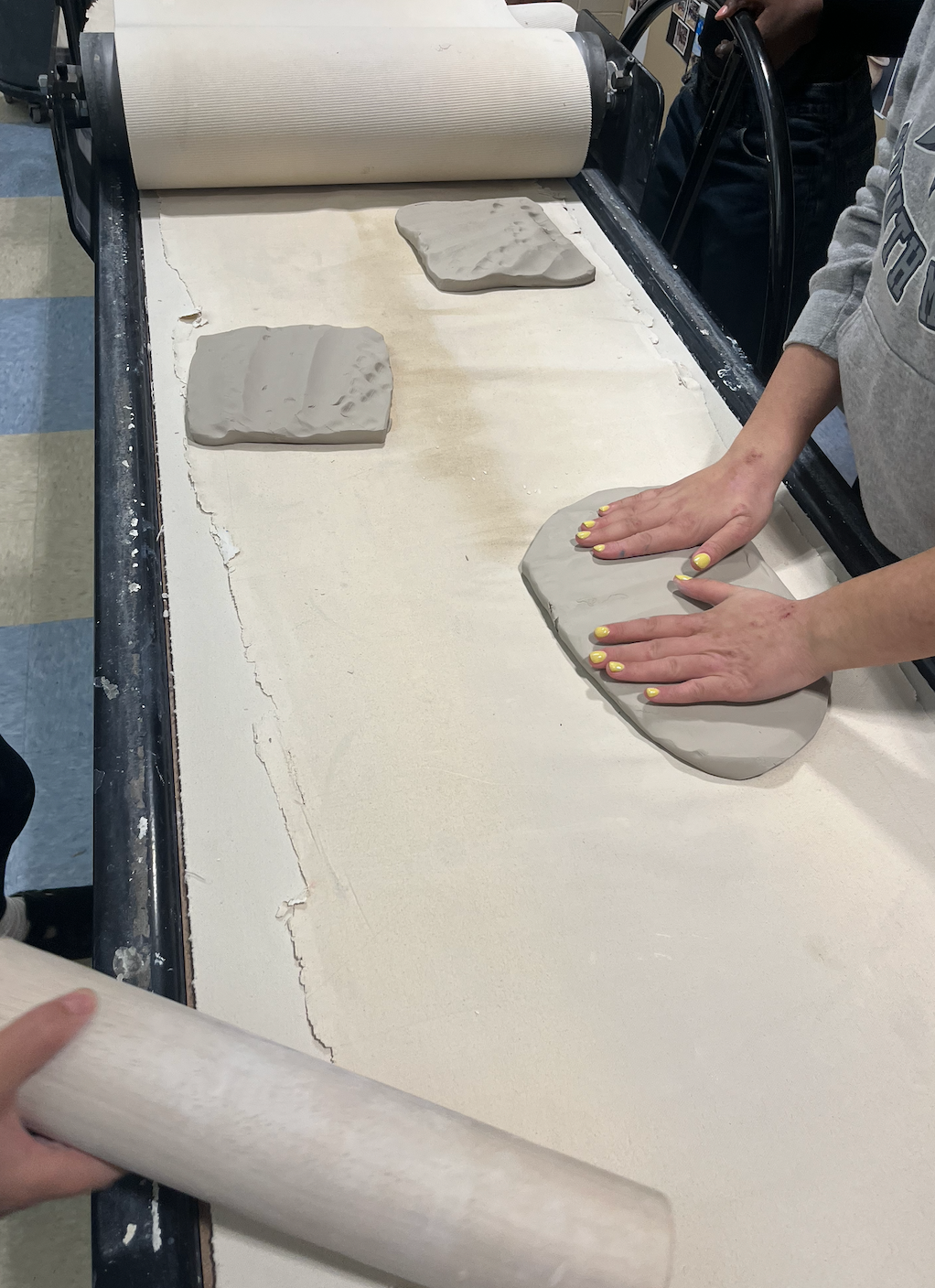
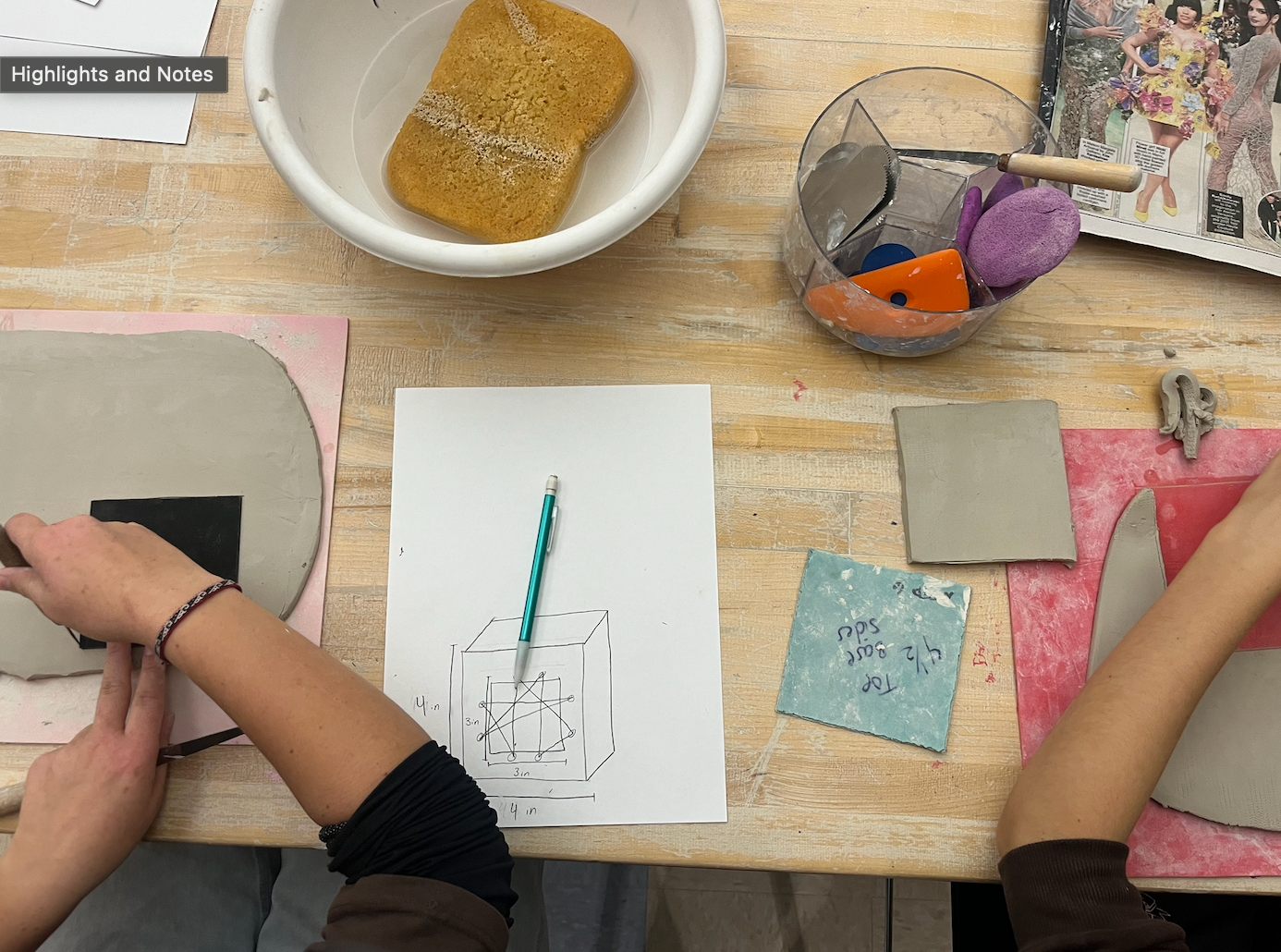
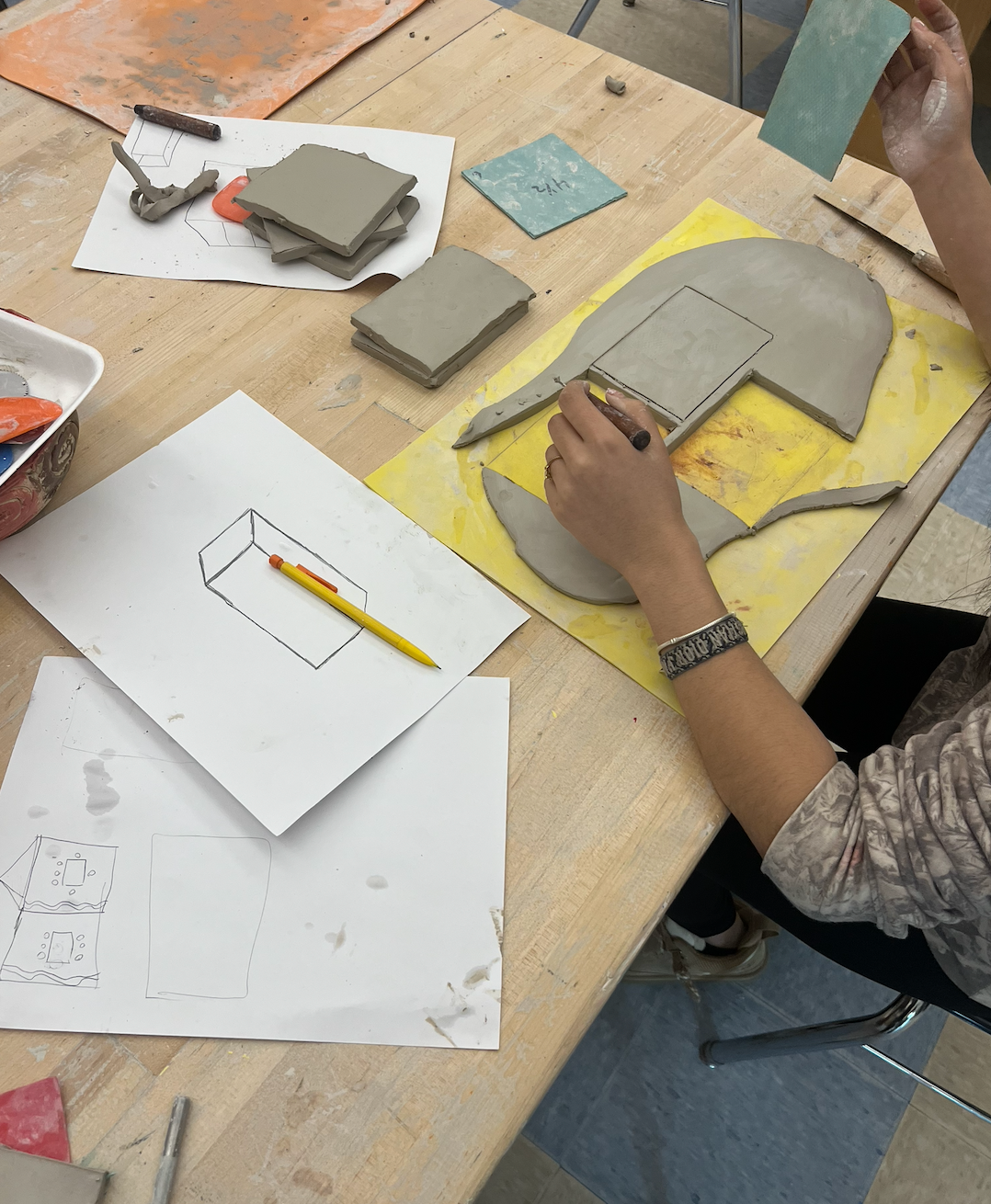
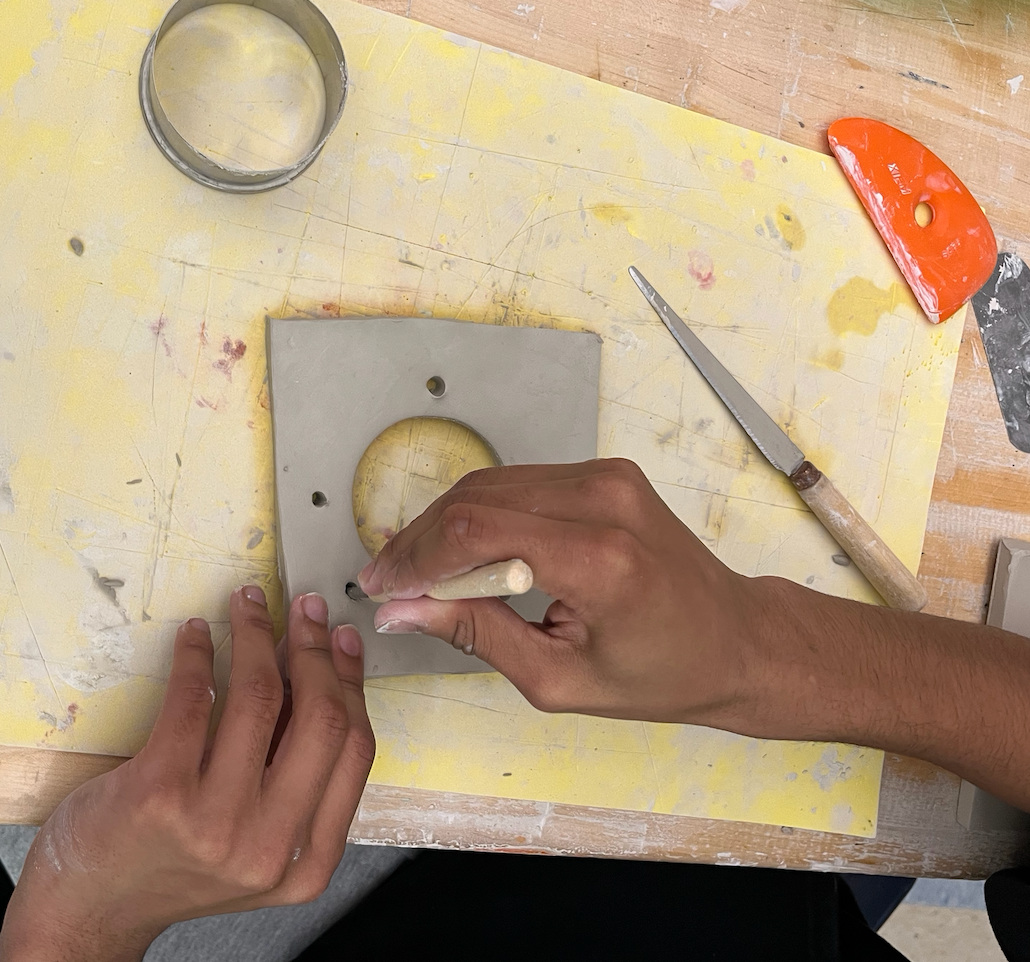
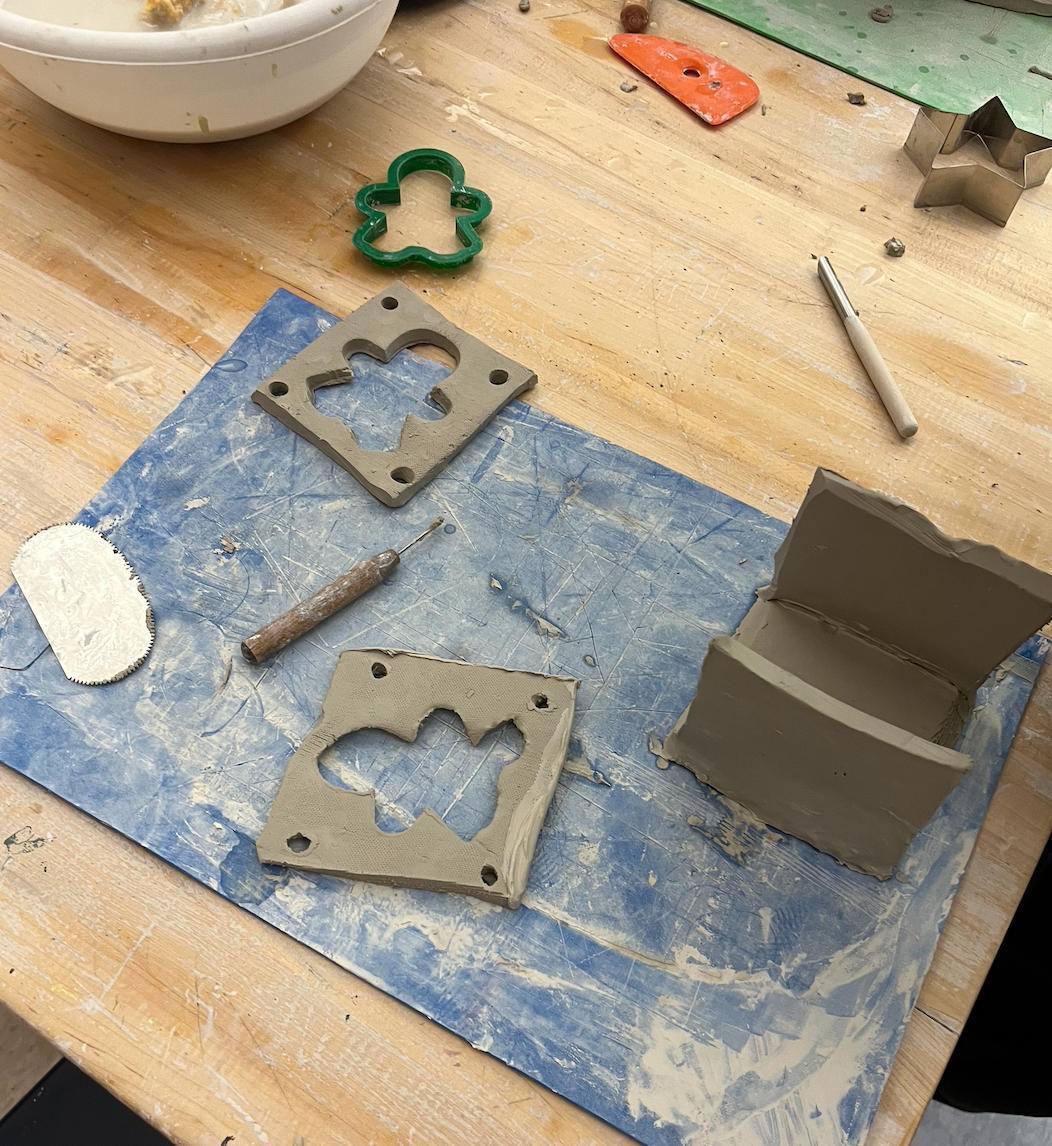
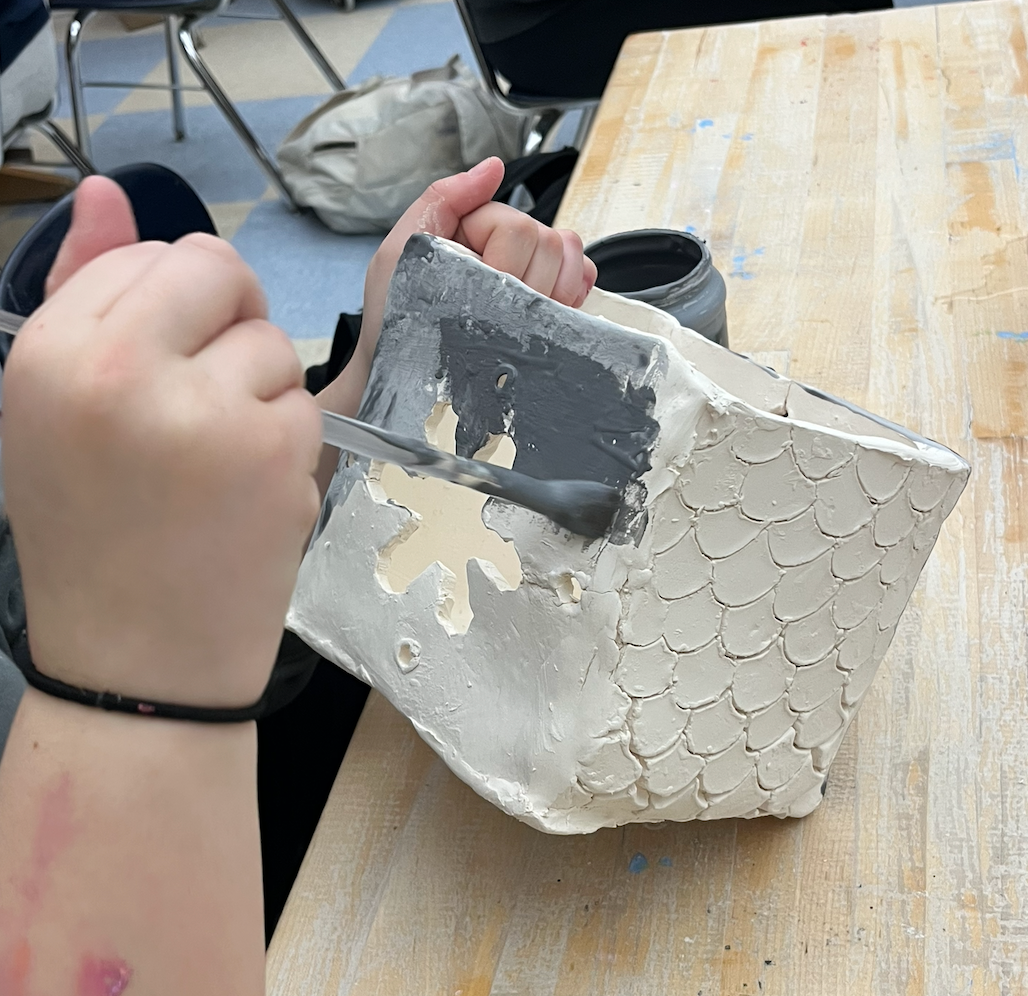
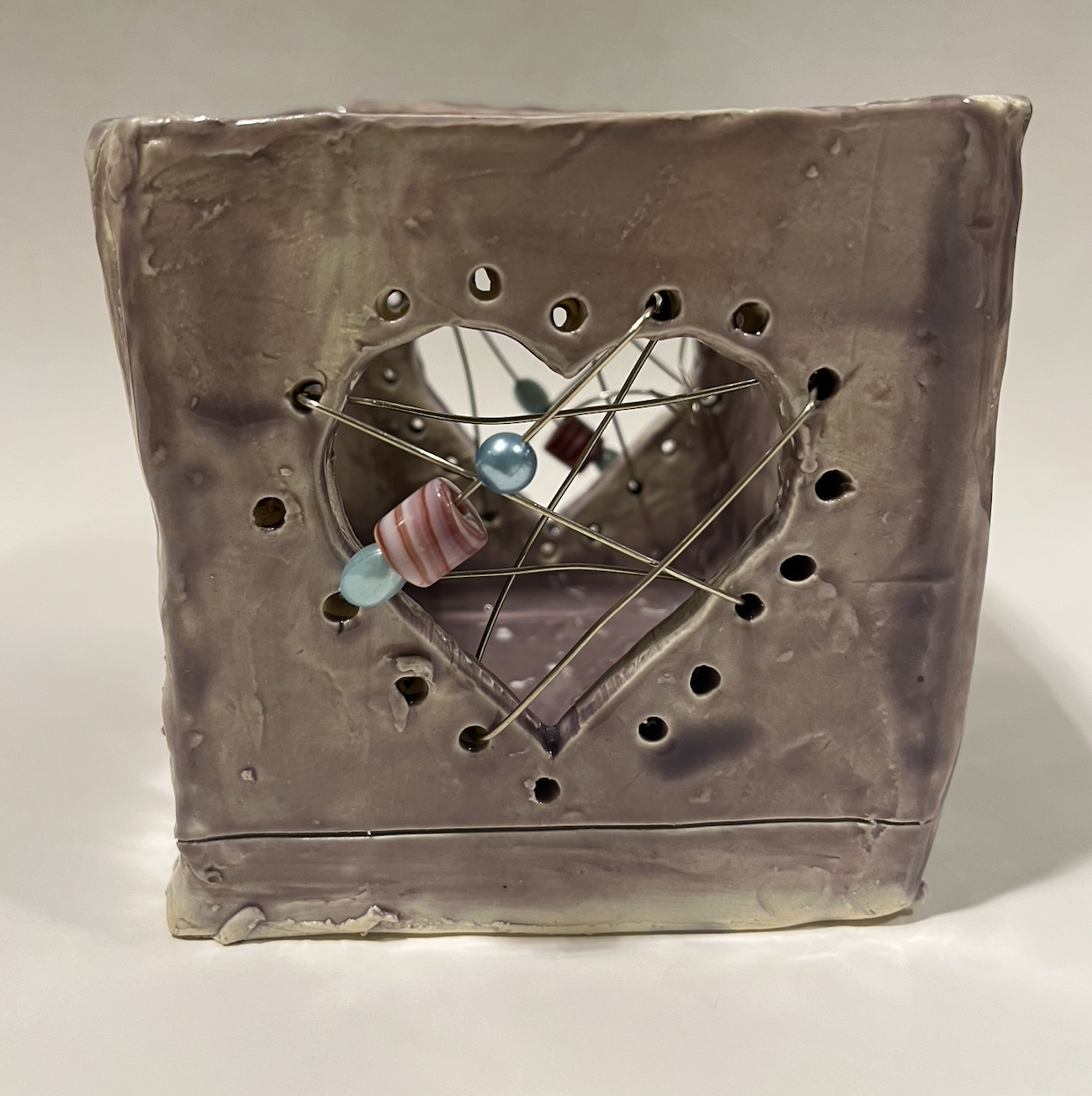
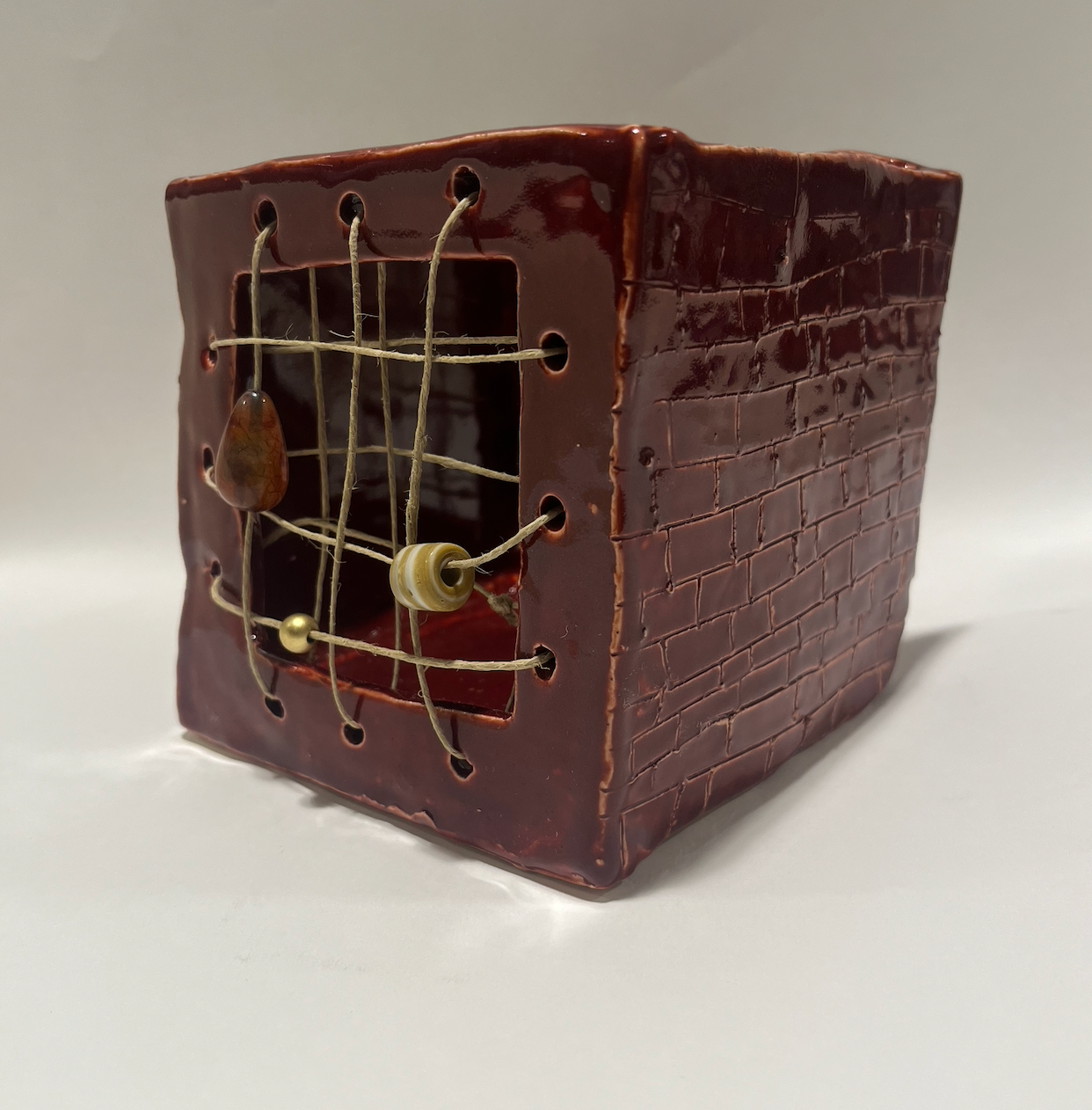
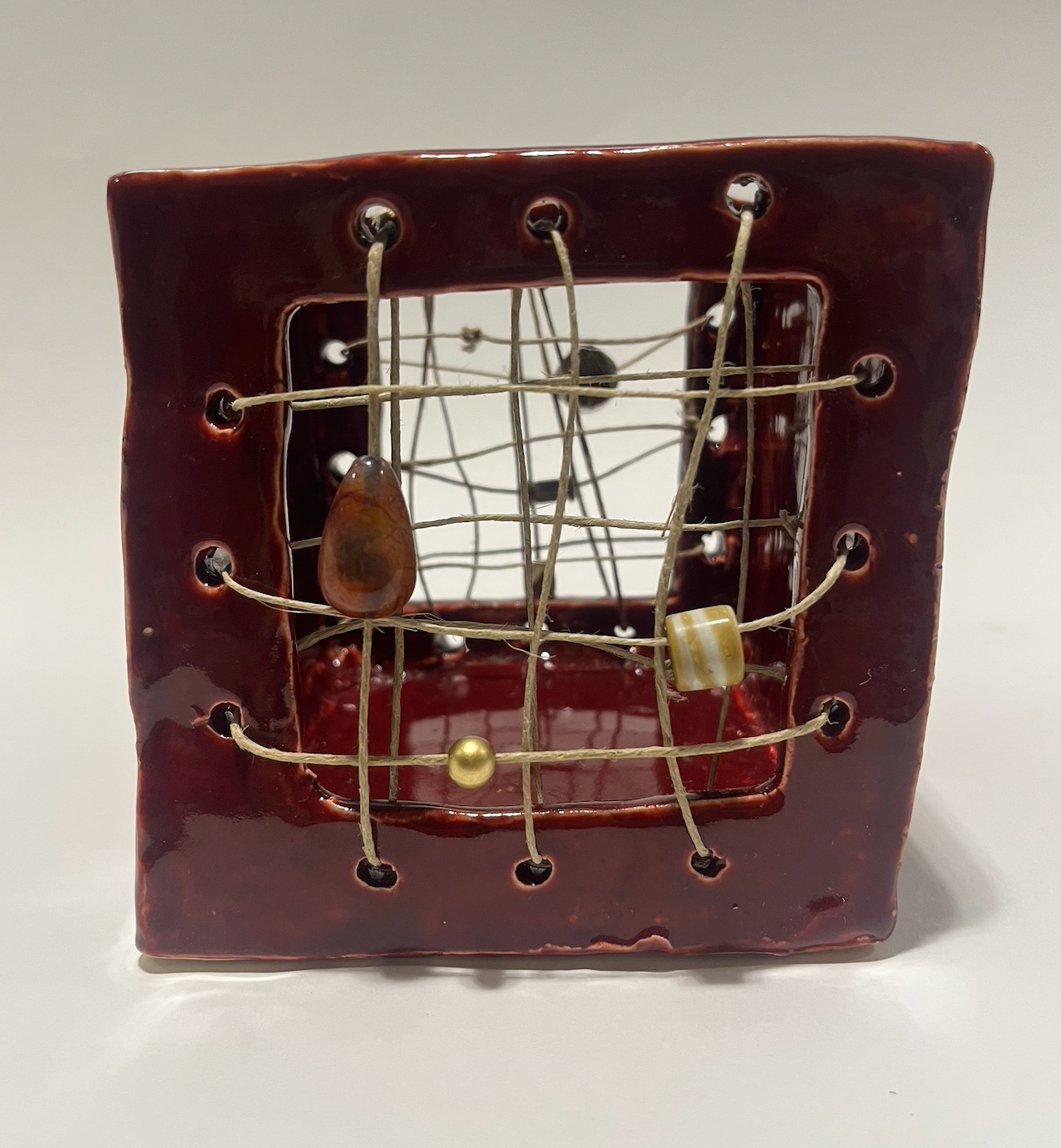
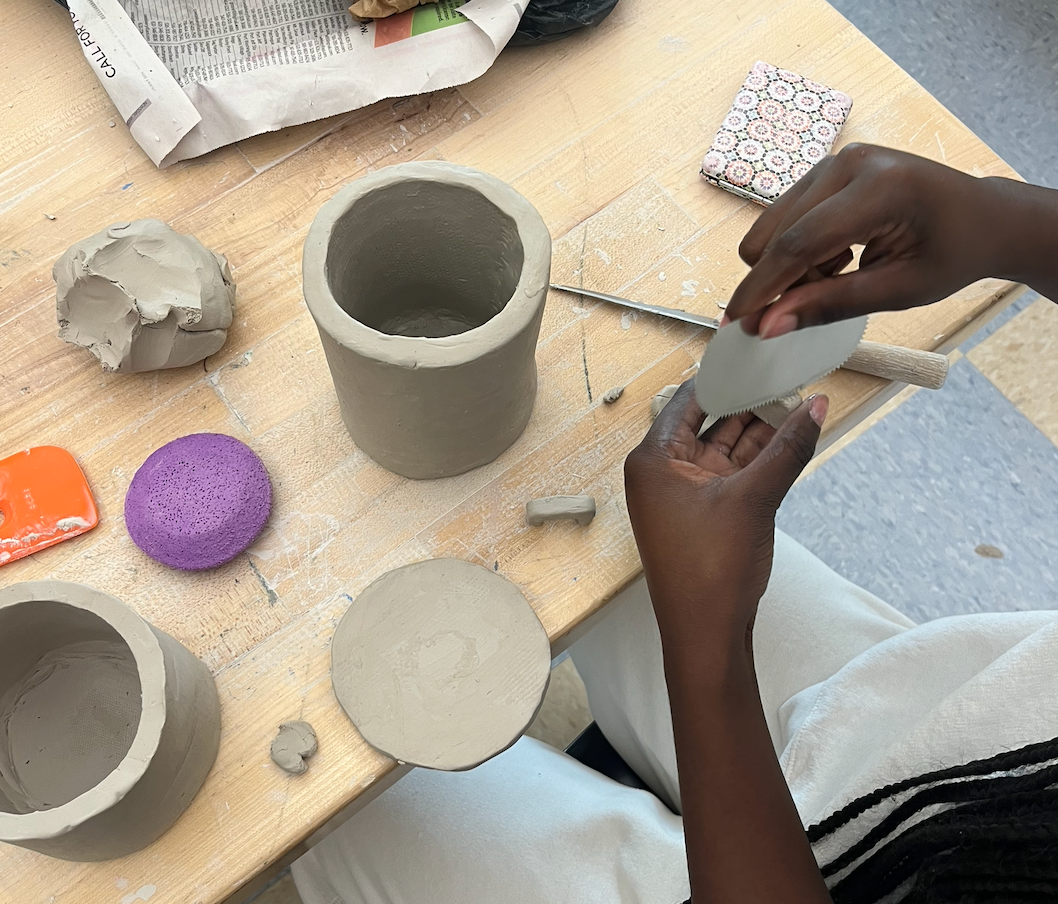
For this mixed-media project, students learn how to construct a functional slab box using 45° beveled edges, scoring, slipping, and coil reinforcement to ensure strong, clean joins. After designing a sketched plan that includes windows, textures, and fiber-integration, students build their box, refine its surfaces, and later glaze and embellish it with materials such as yarn, twine, or beads. Through this process, they explore how form, function, and mixed media work together to create a purposeful object with both structural integrity and visual interest. The project emphasizes craftsmanship, creative problem-solving, and an understanding of how clay and fiber can transform a simple vessel into an expressive artwork.
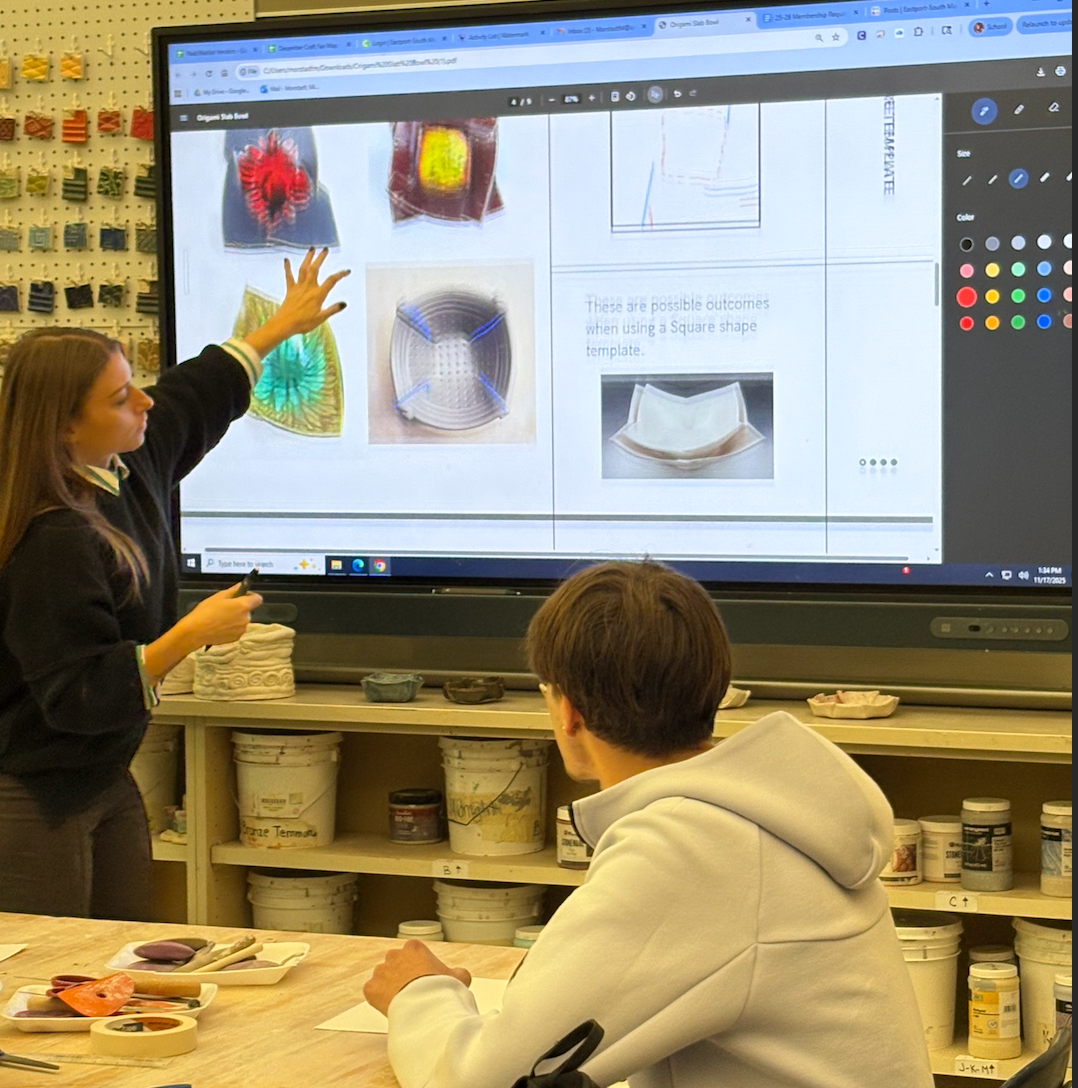
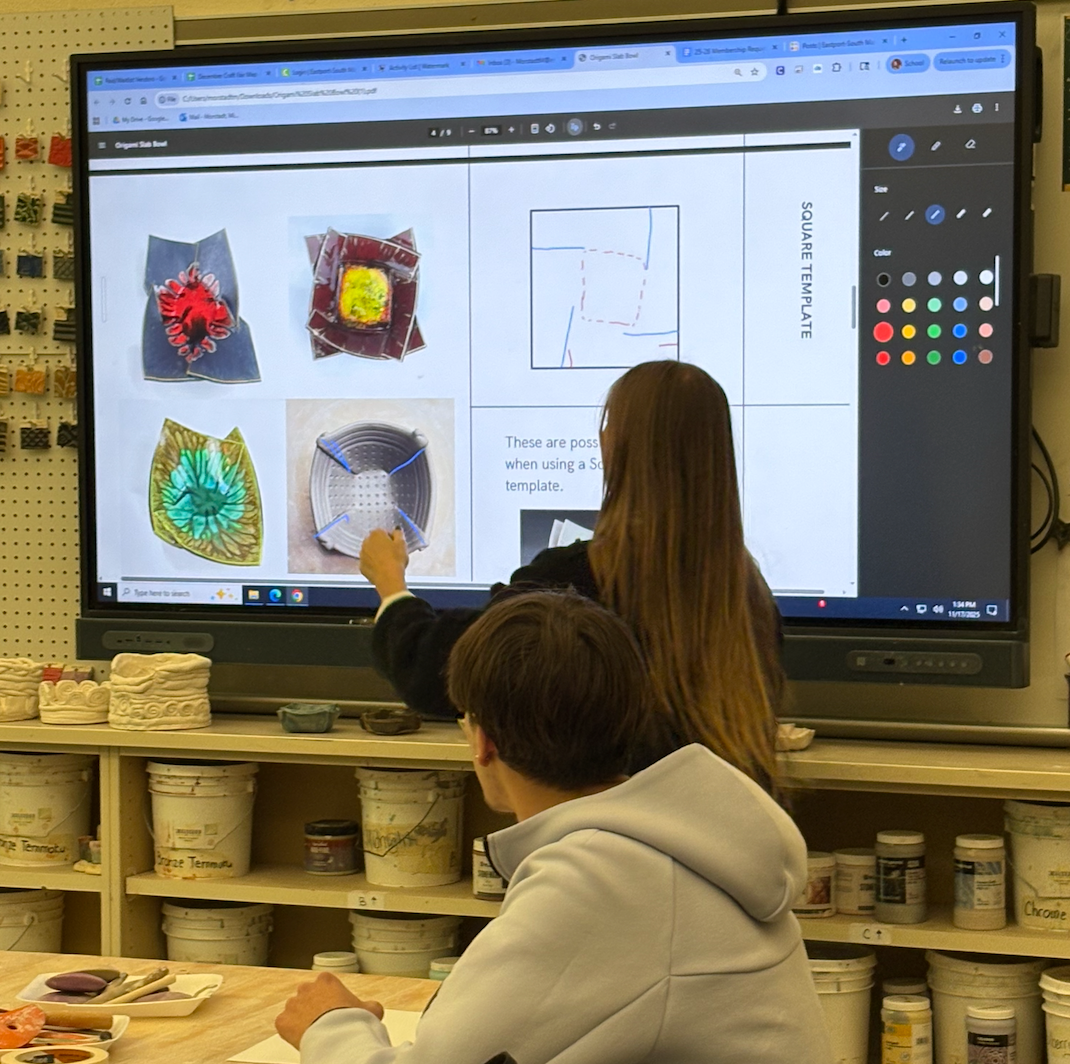
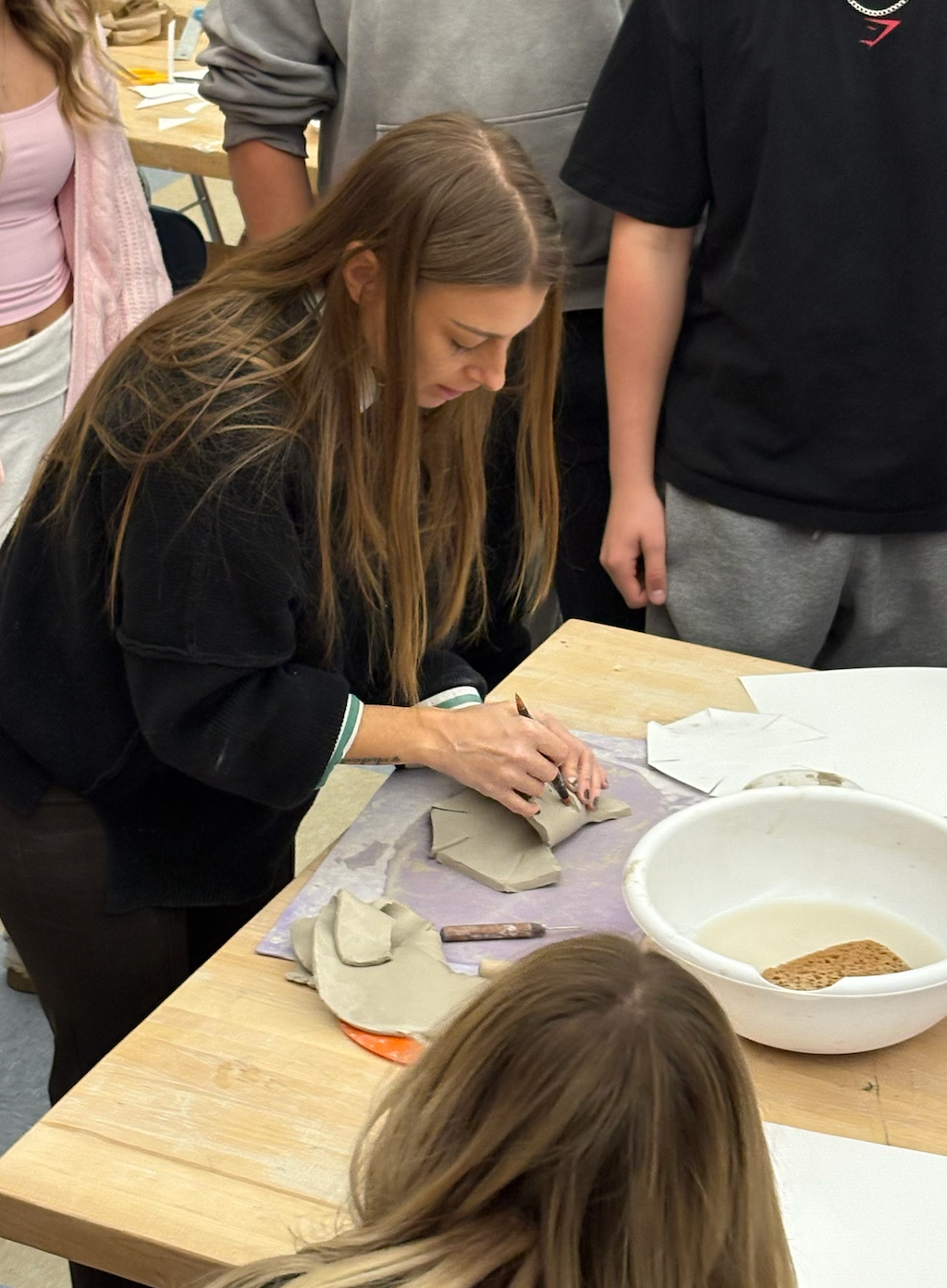
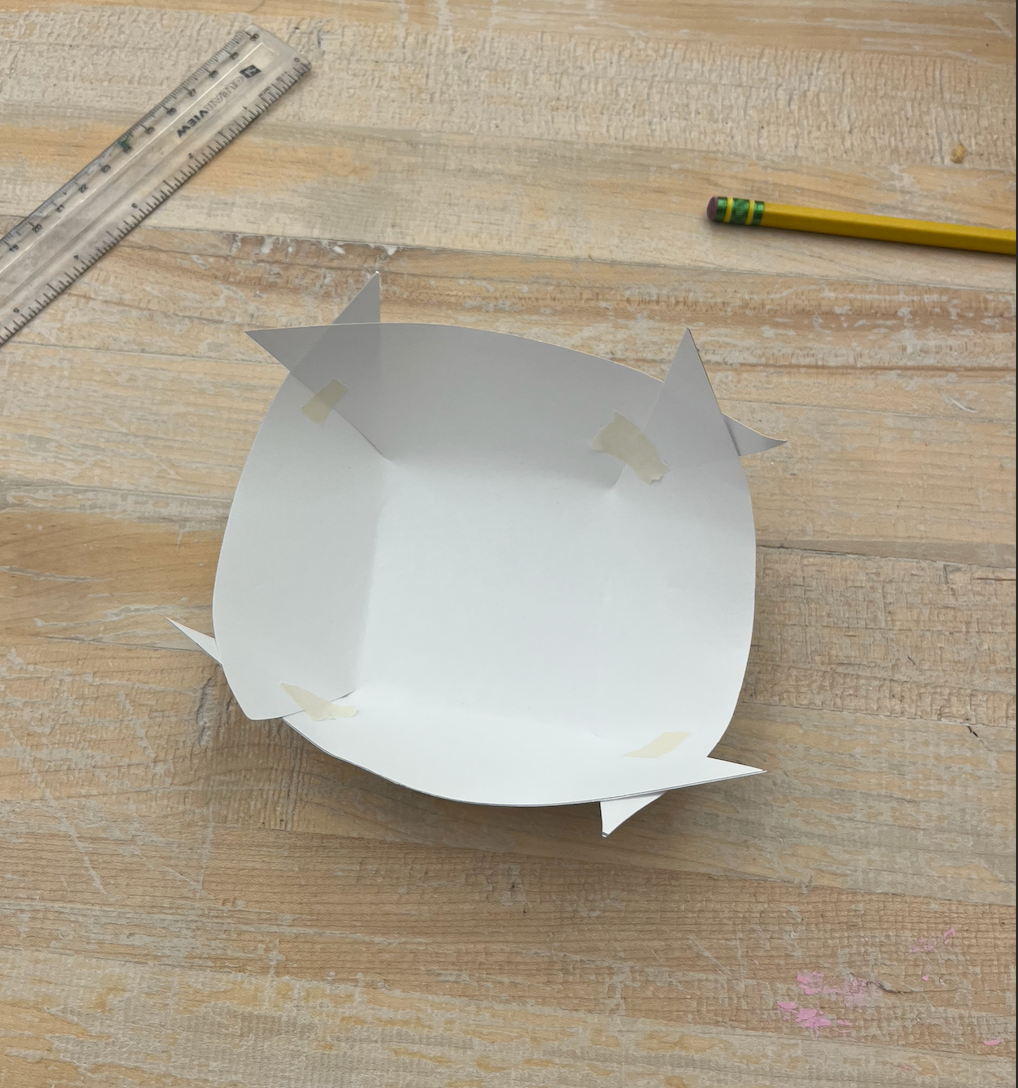
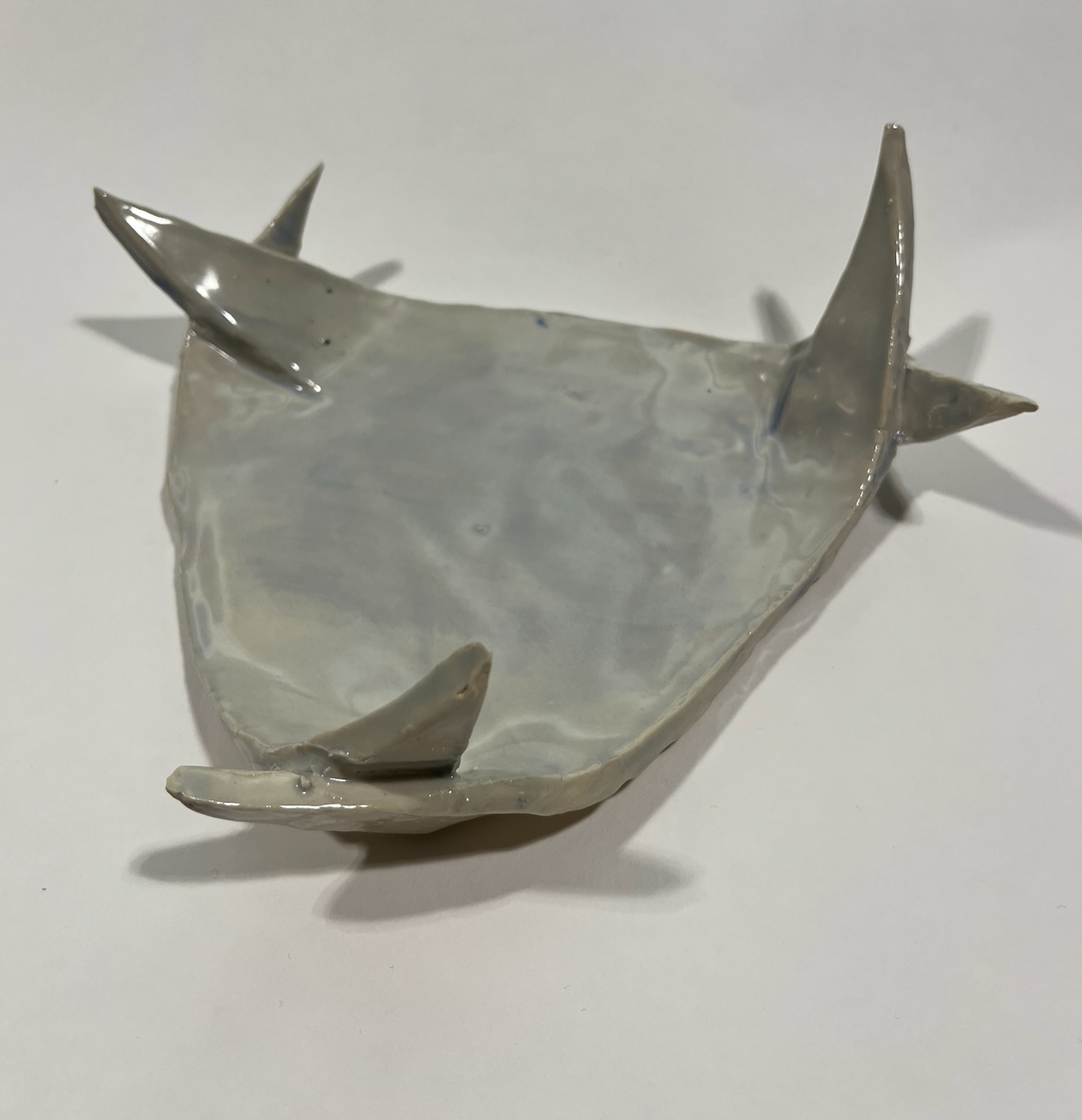
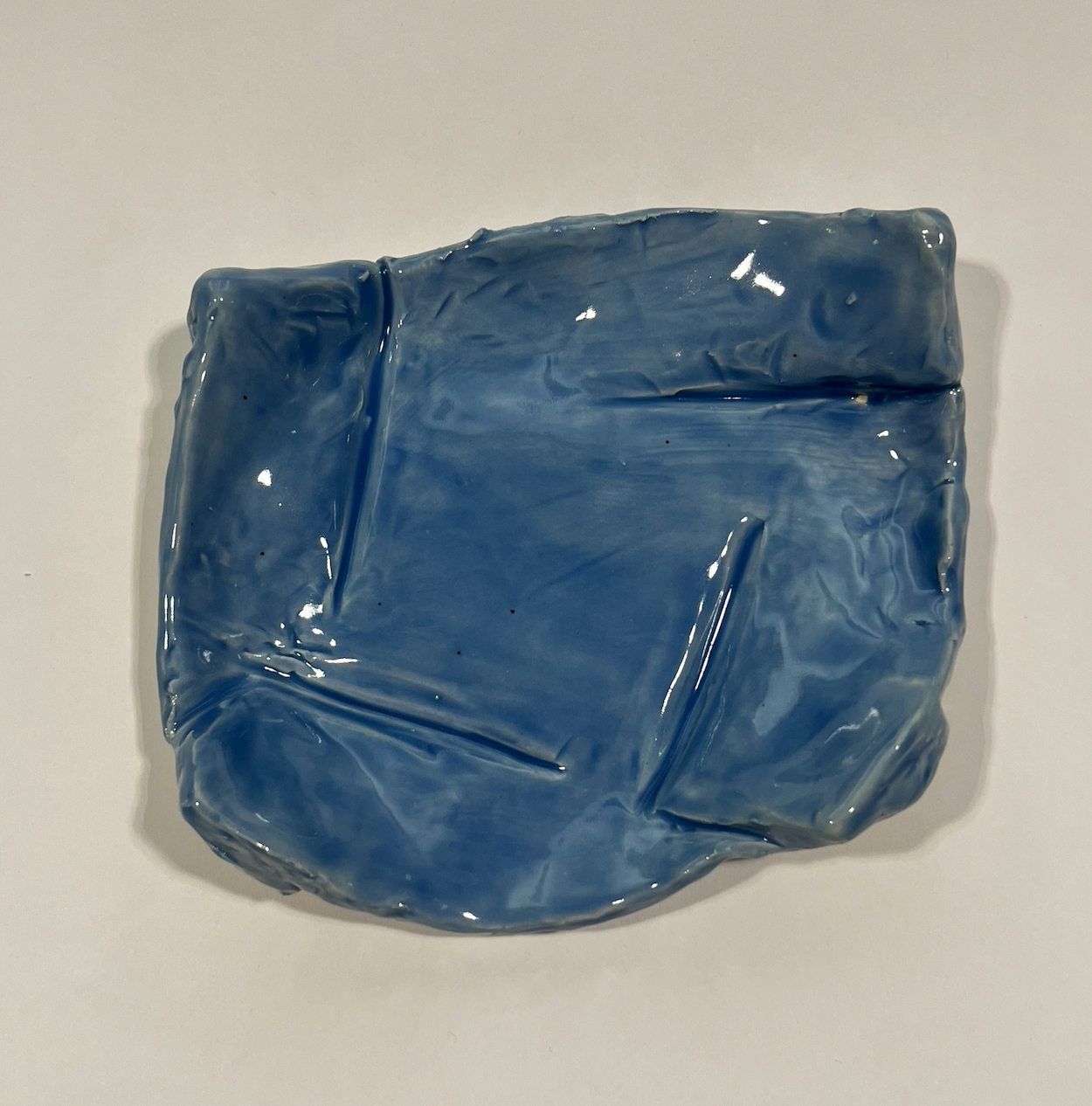
Origami bowl/plate - ceramics 1 lesson
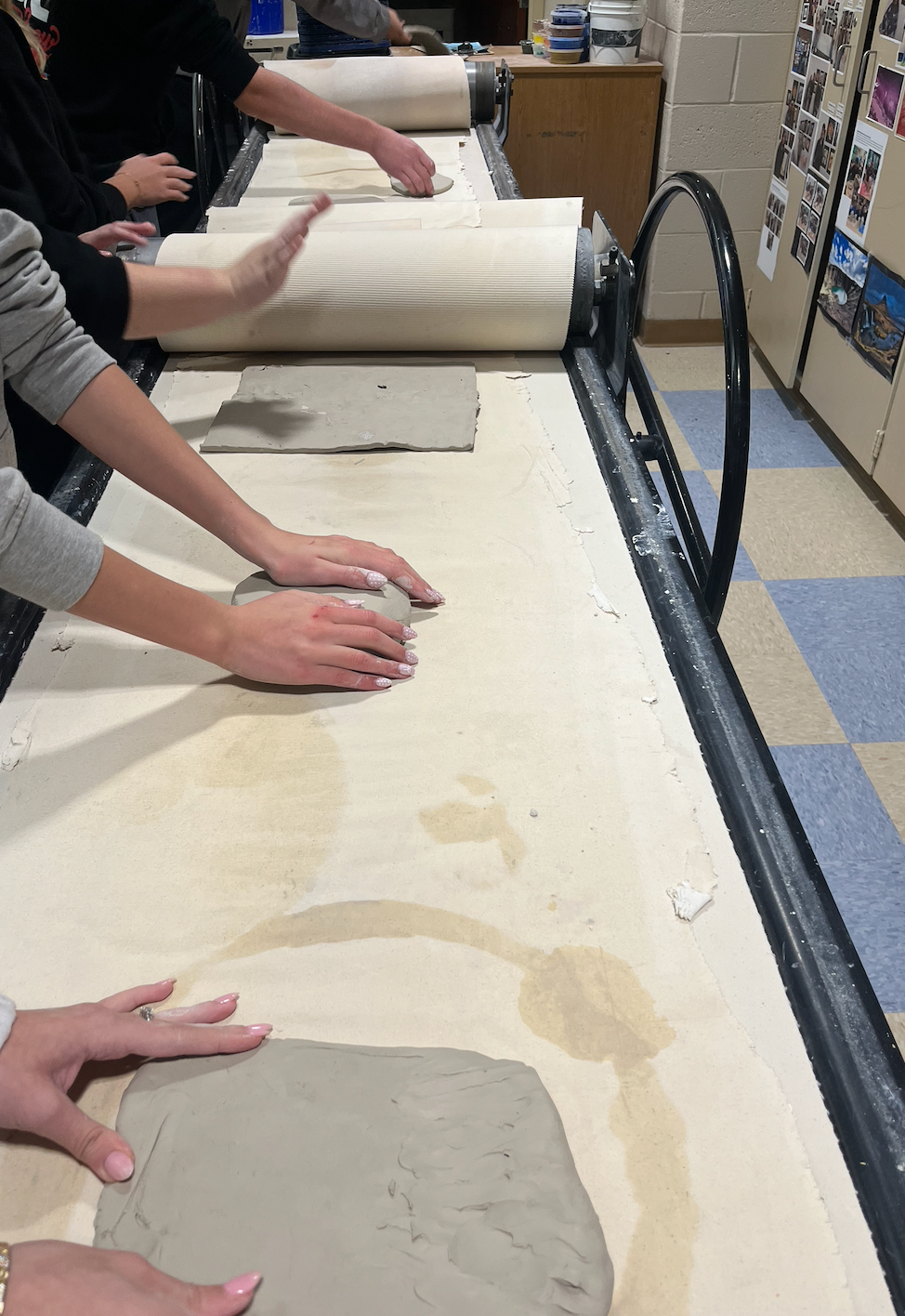
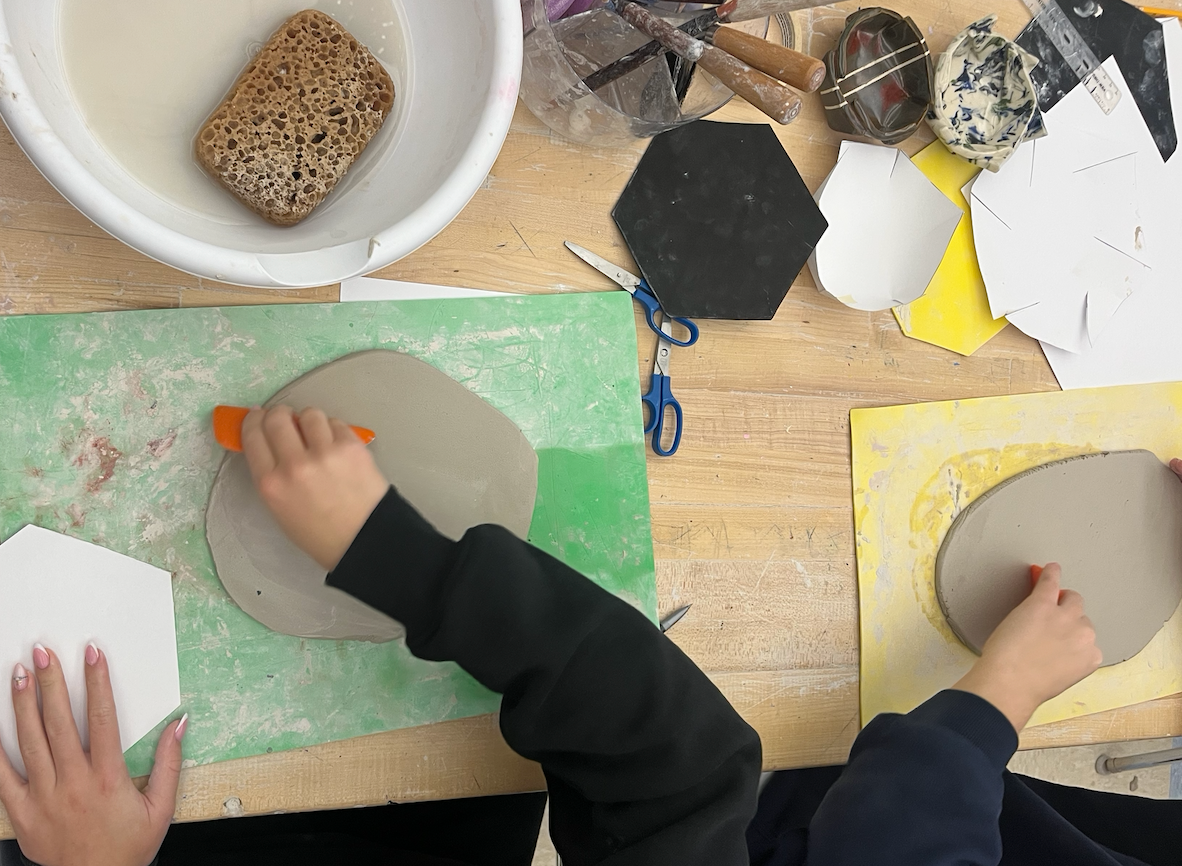
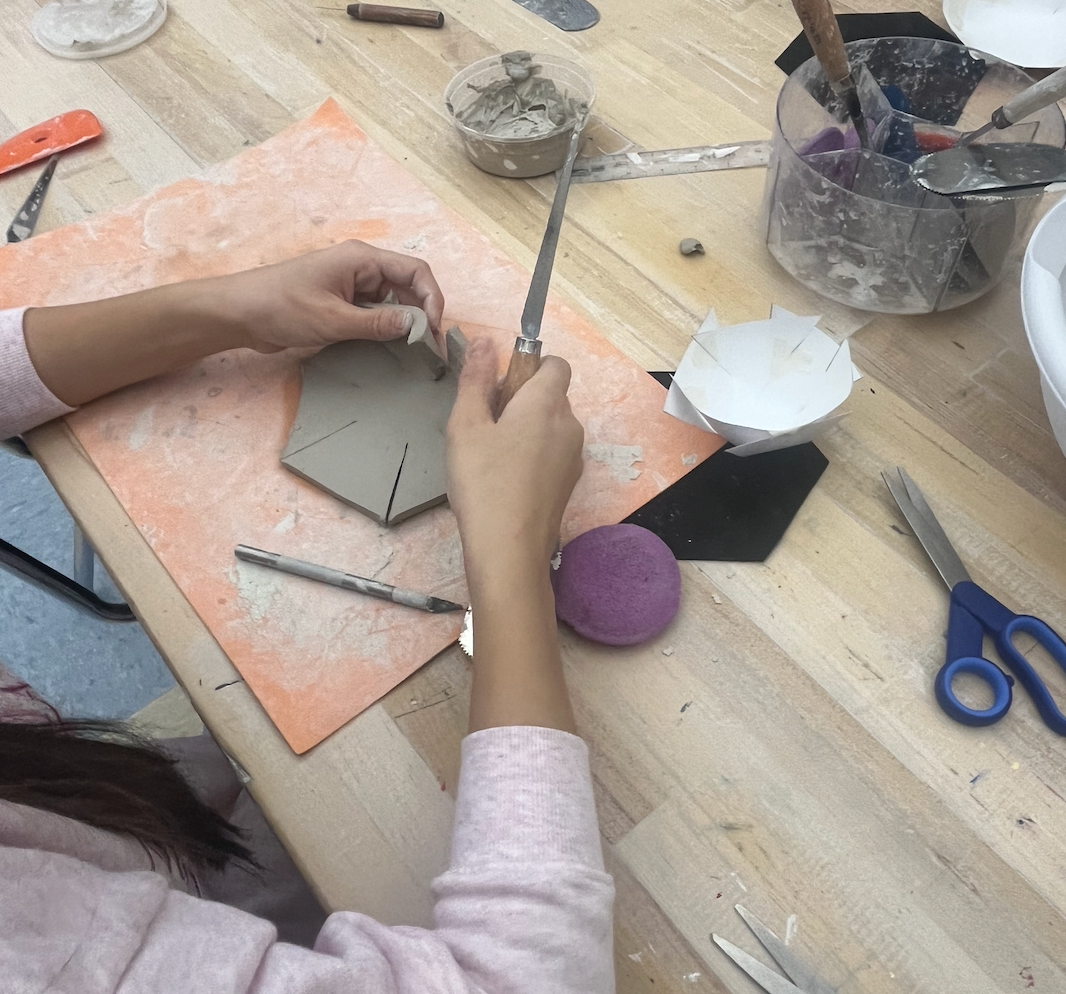
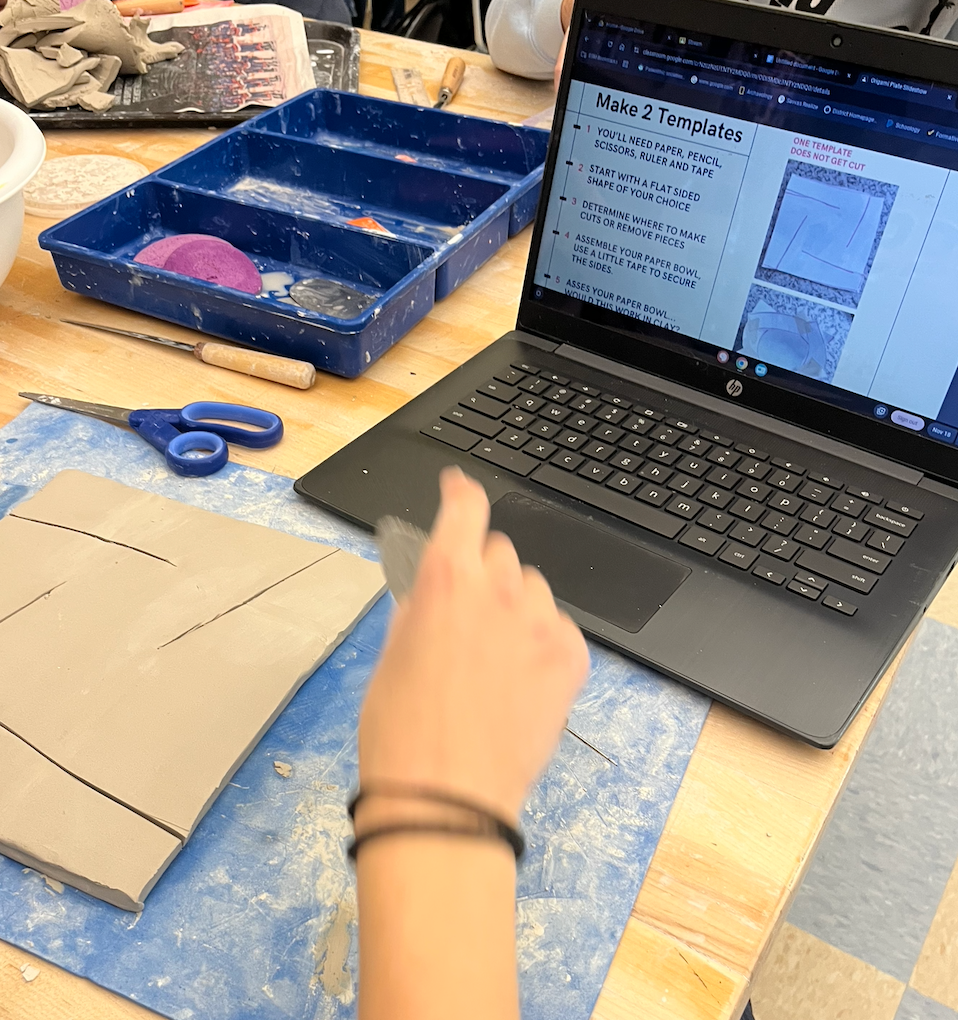
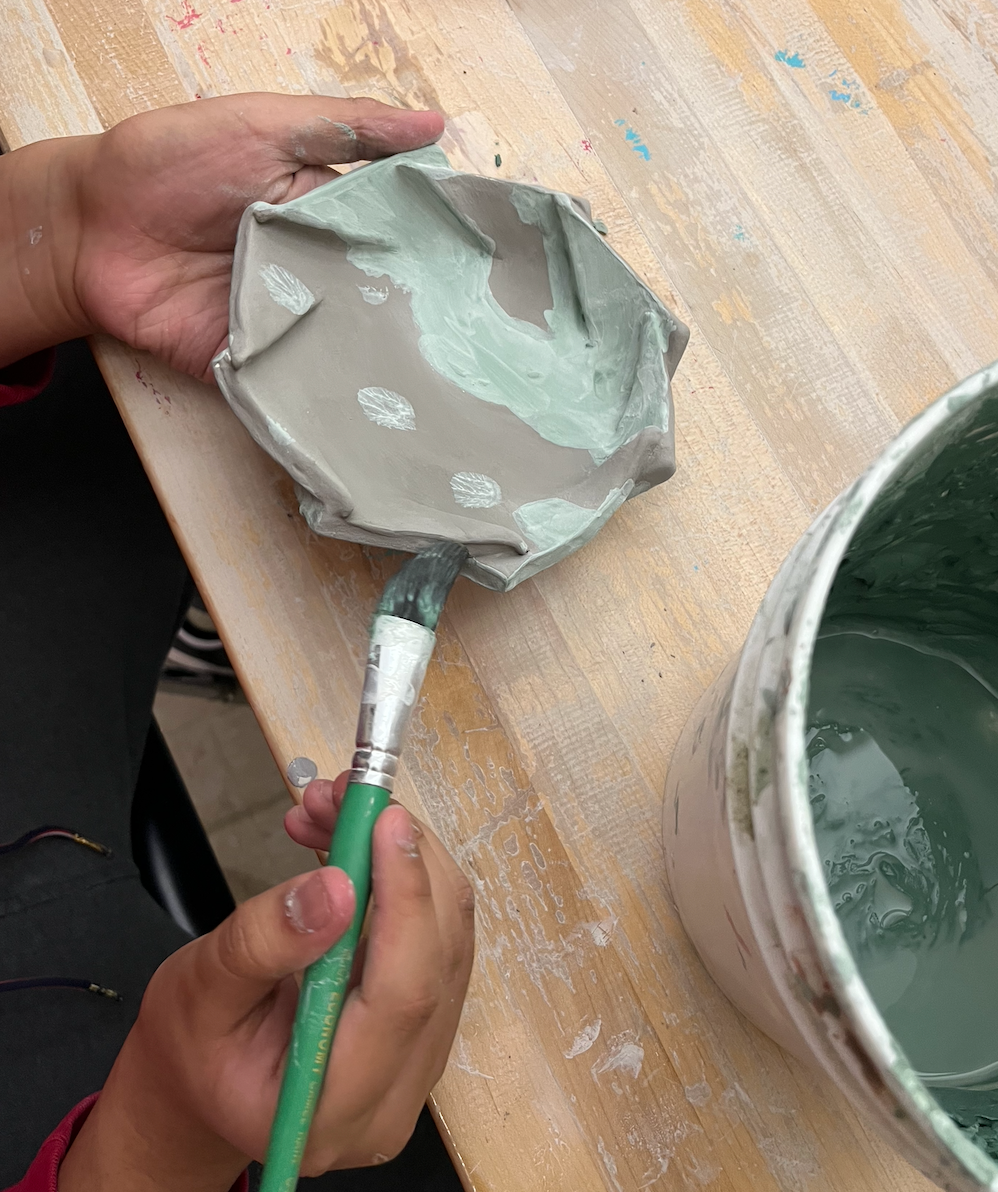
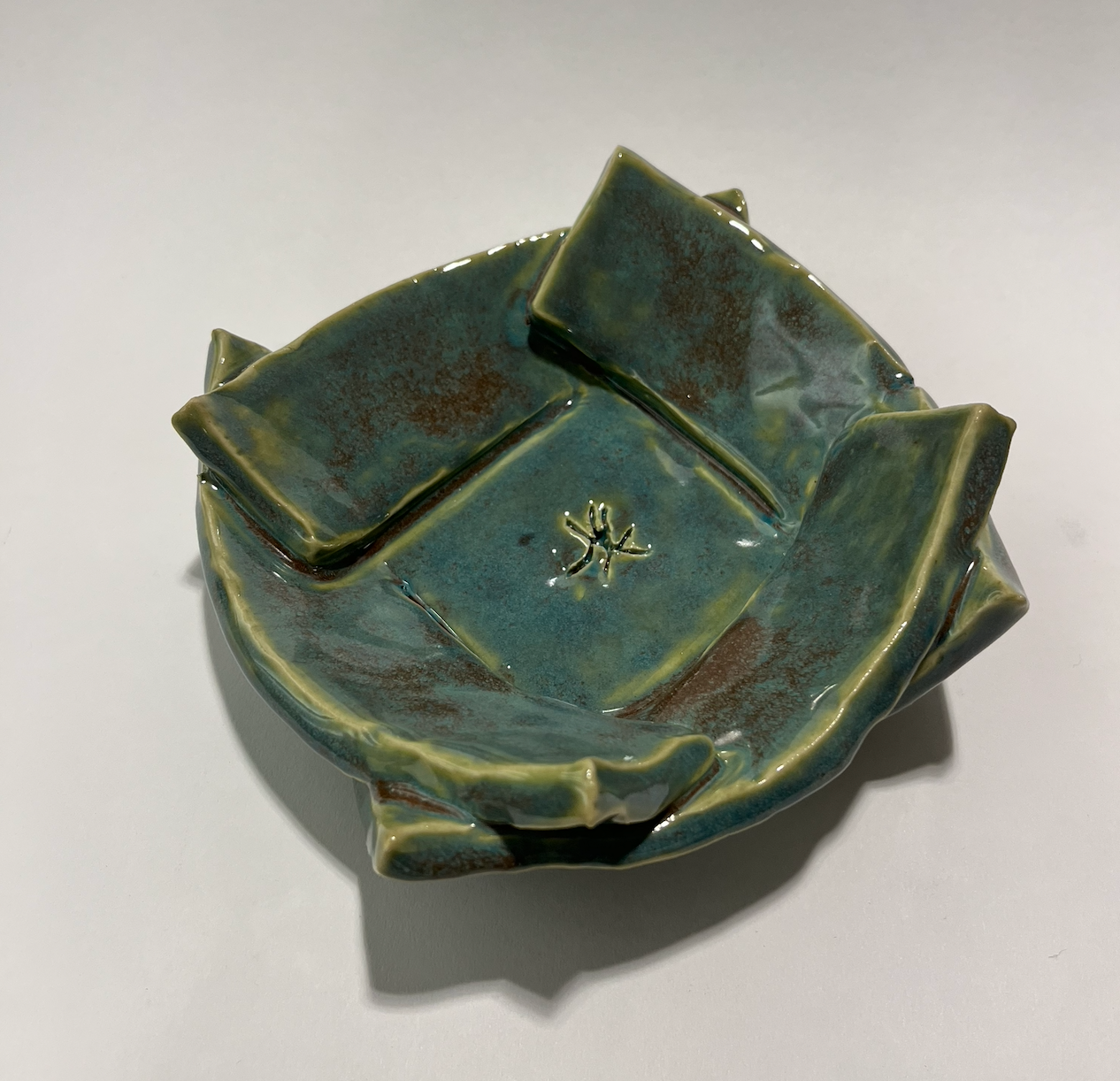
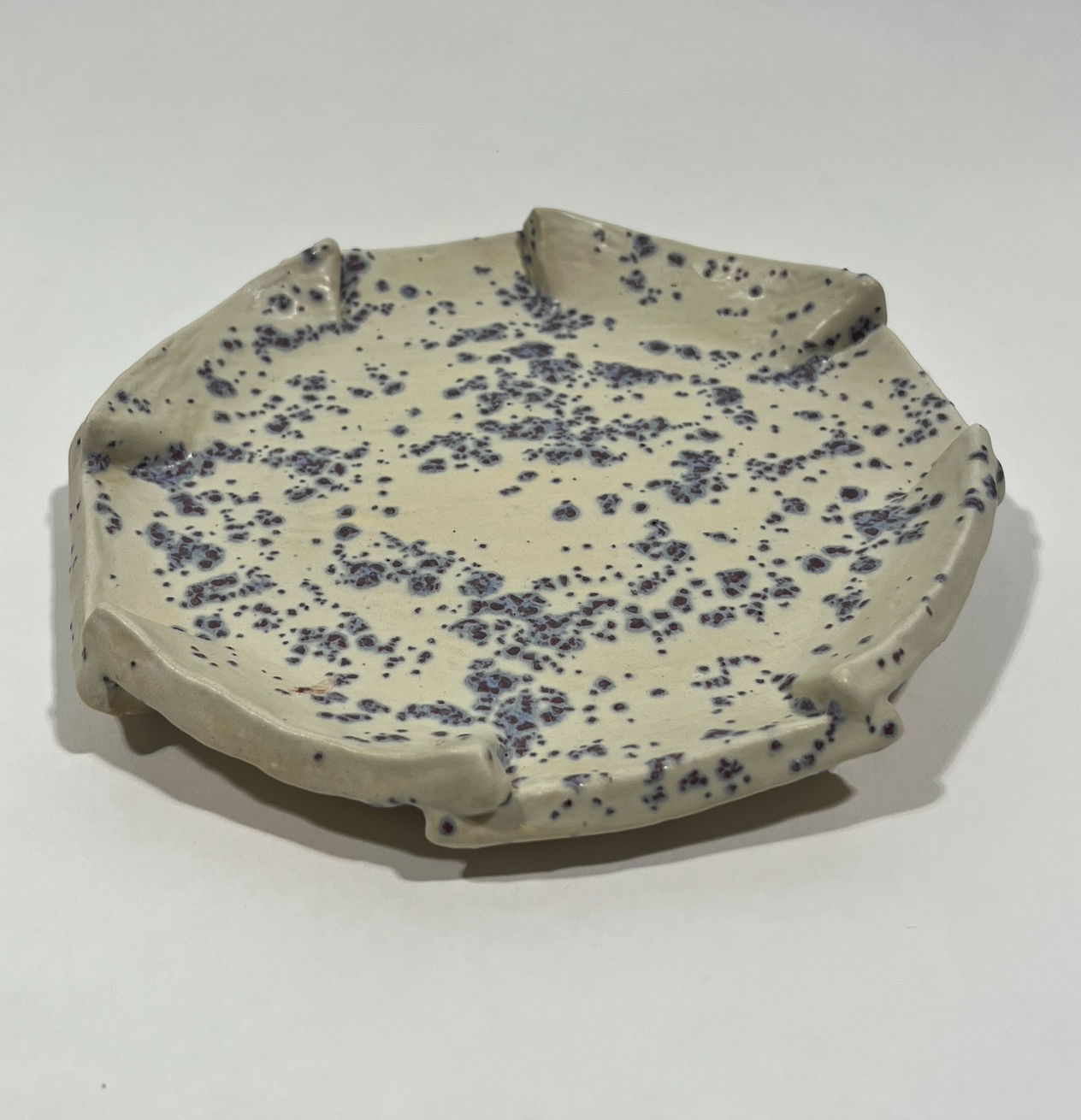
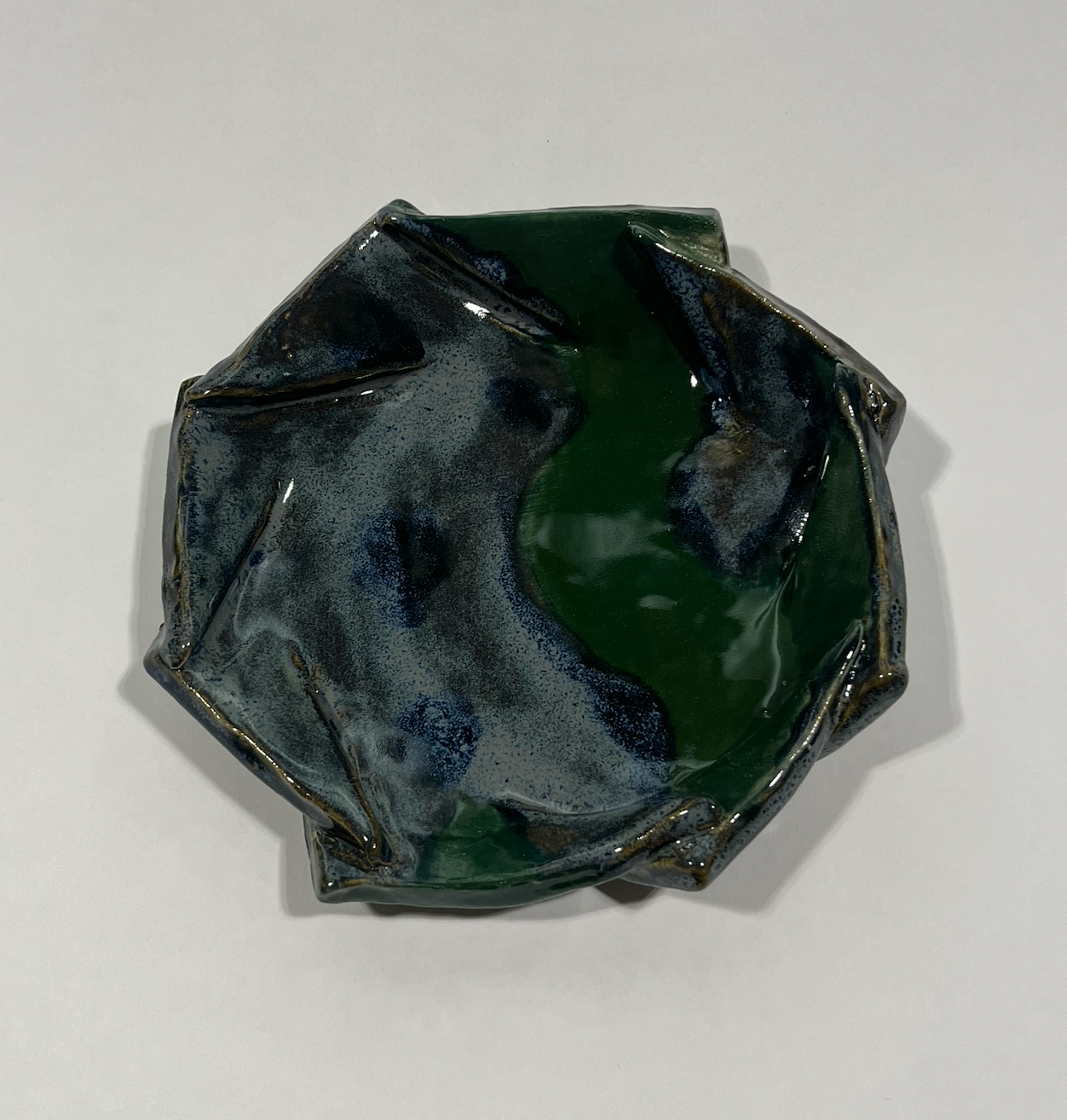
In this lesson, students begin by designing and cutting paper templates, experimenting with different geometric shapes to understand how folds, overlaps, and angles will translate into a three-dimensional clay form. Through sketching and manipulating their paper models, they plan where to cut, crease, and join sections before moving on to clay. Students then recreate their chosen template in a clay slab, practicing precise scoring, slipping, folding, and smoothing to build an origami-inspired bowl. After shaping and refining their bowls, students glaze their work and reflect on how their template choices, construction techniques, and cultural inspirations shaped their final design.
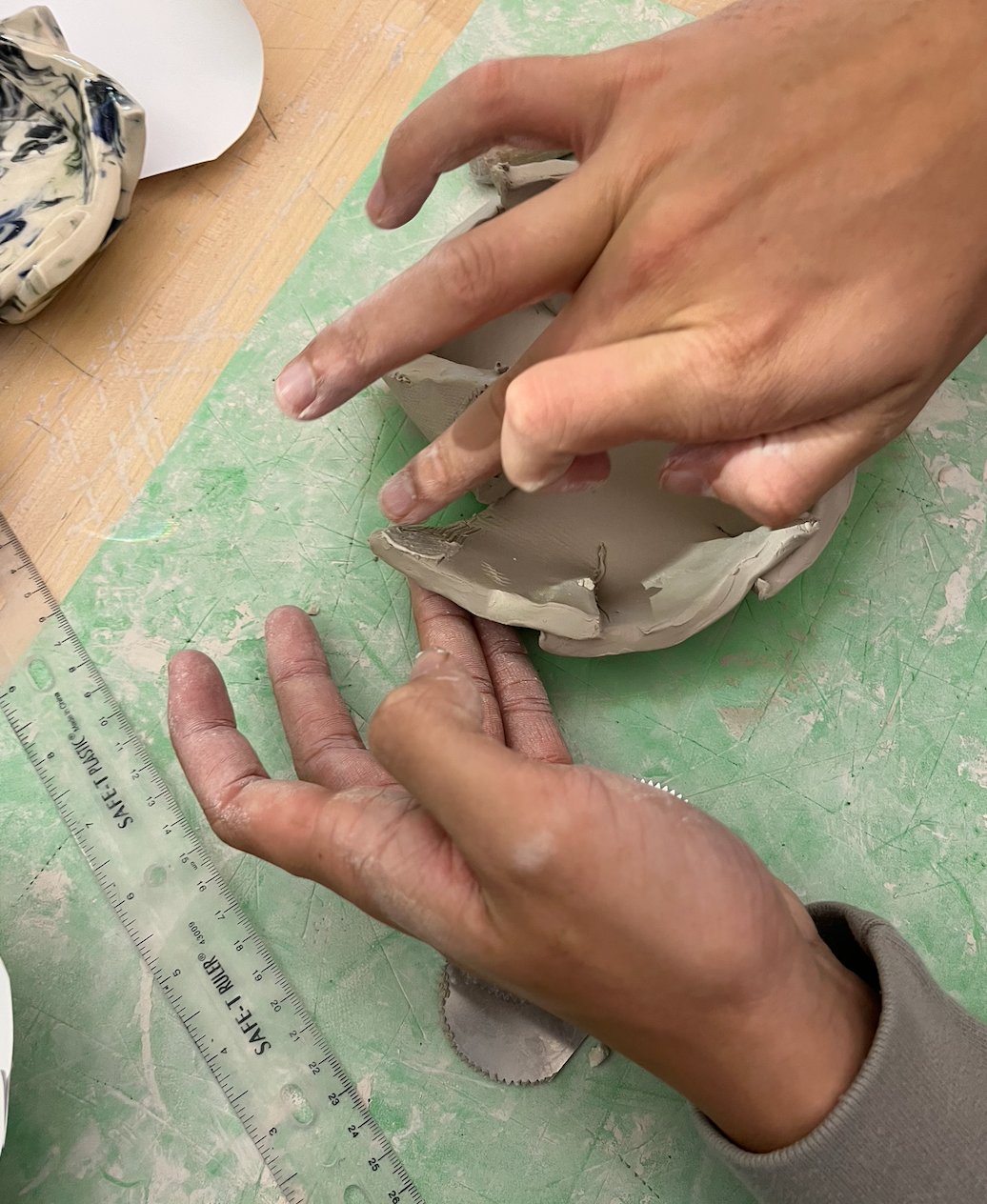
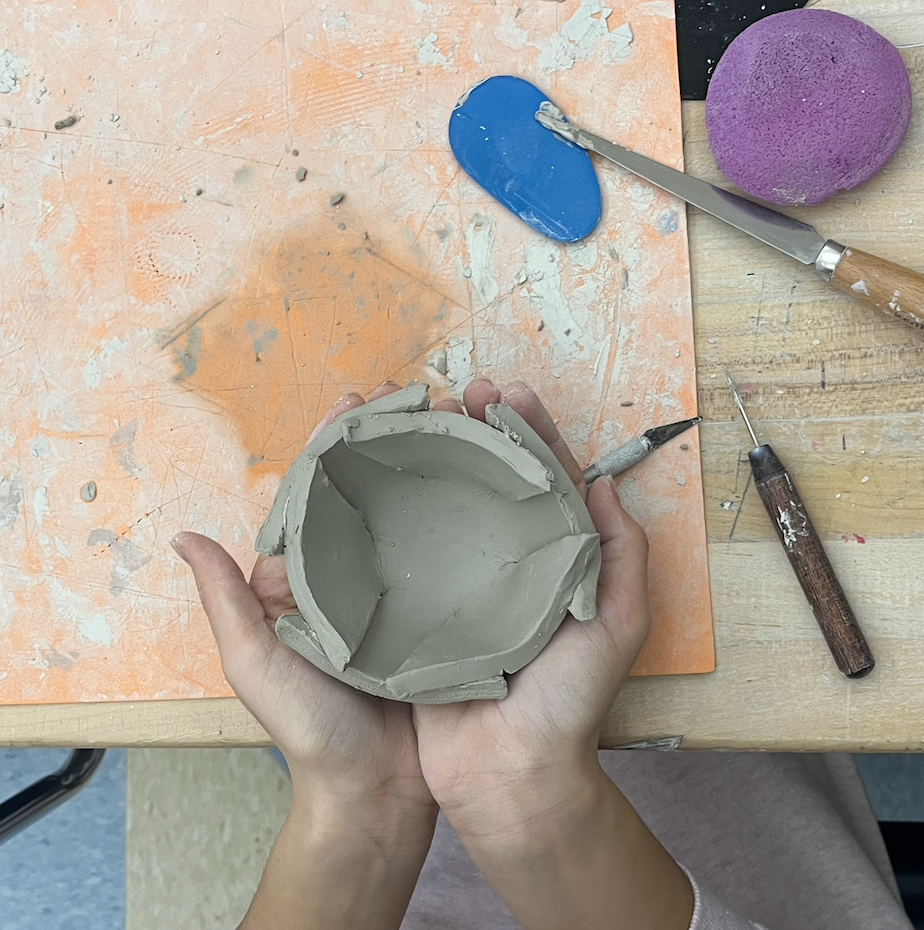
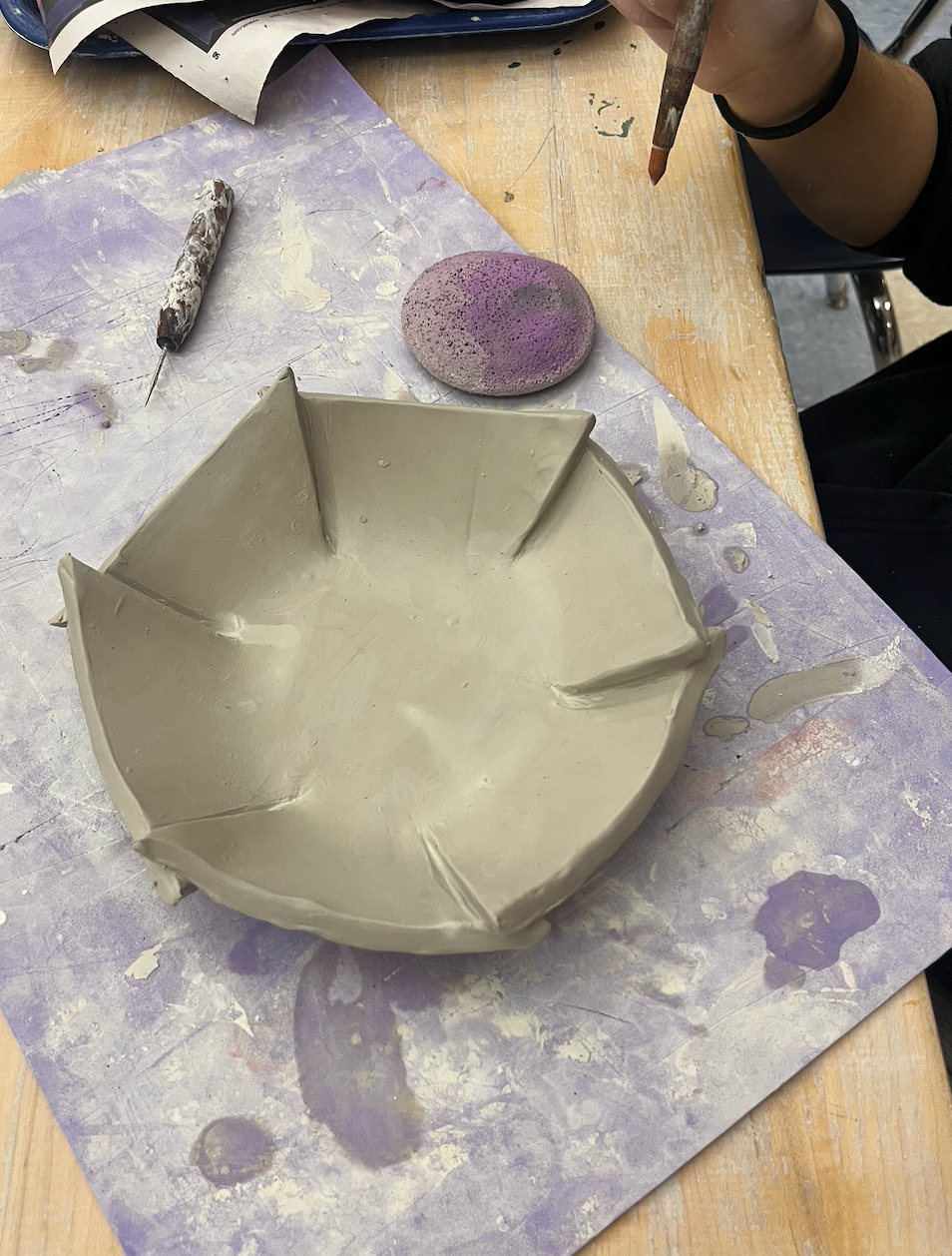
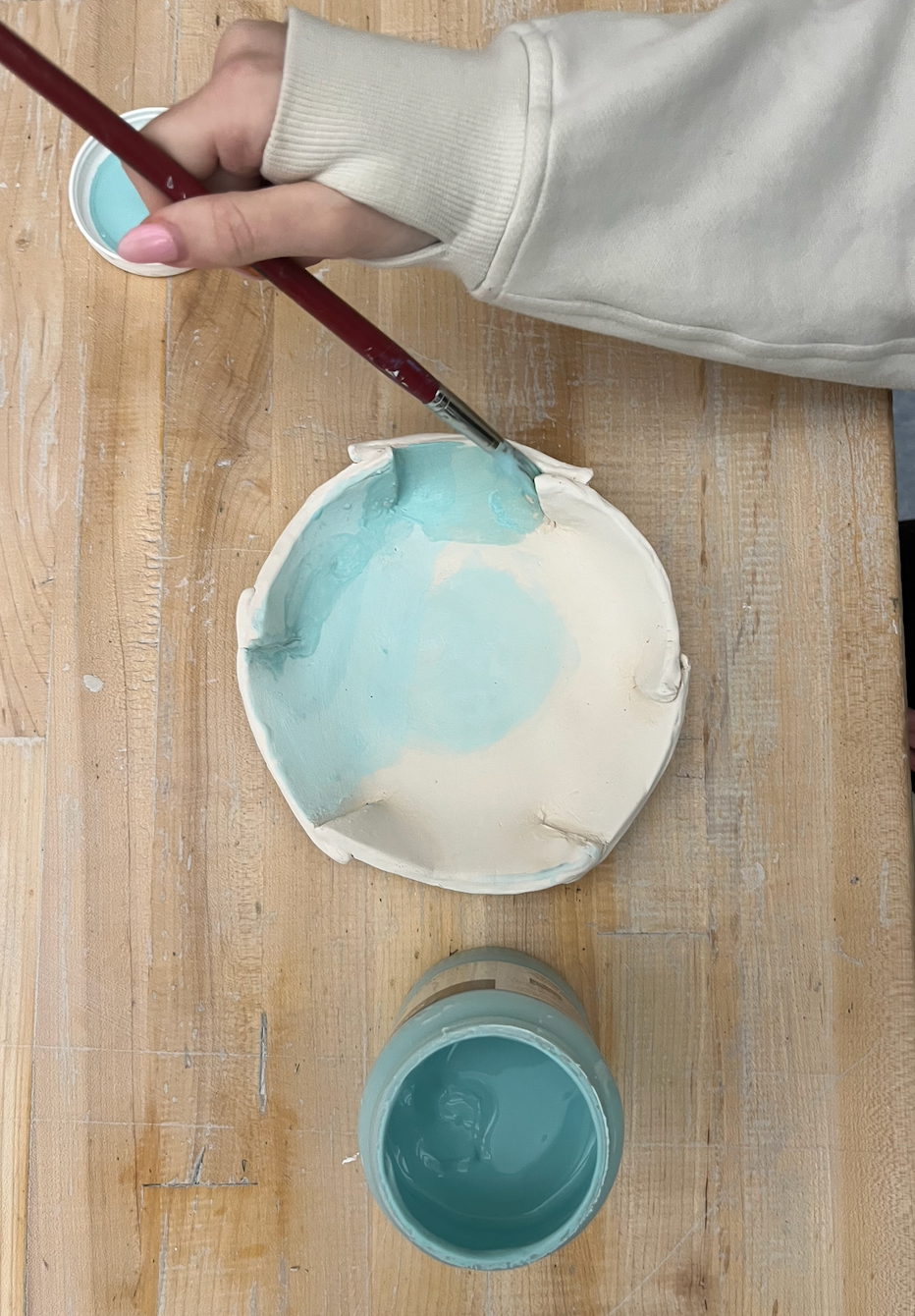
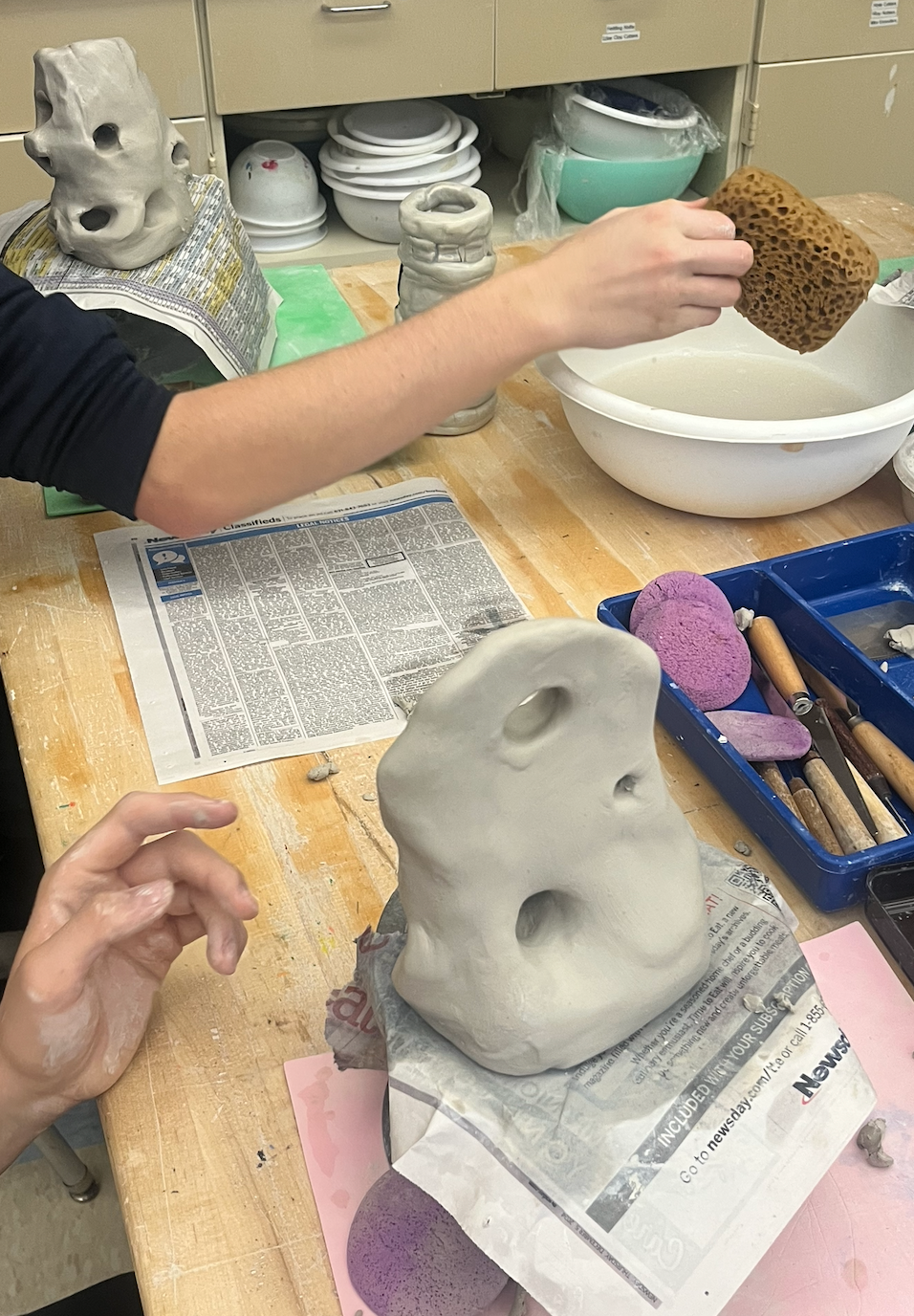
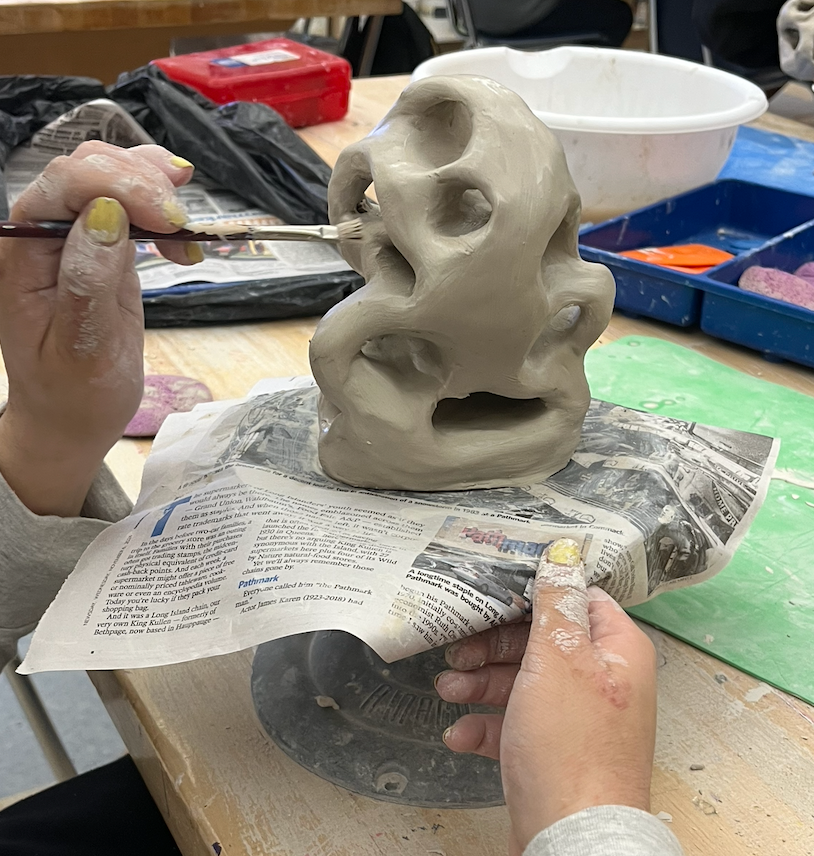
intuitive Sculpture - ceramics 1 lesson
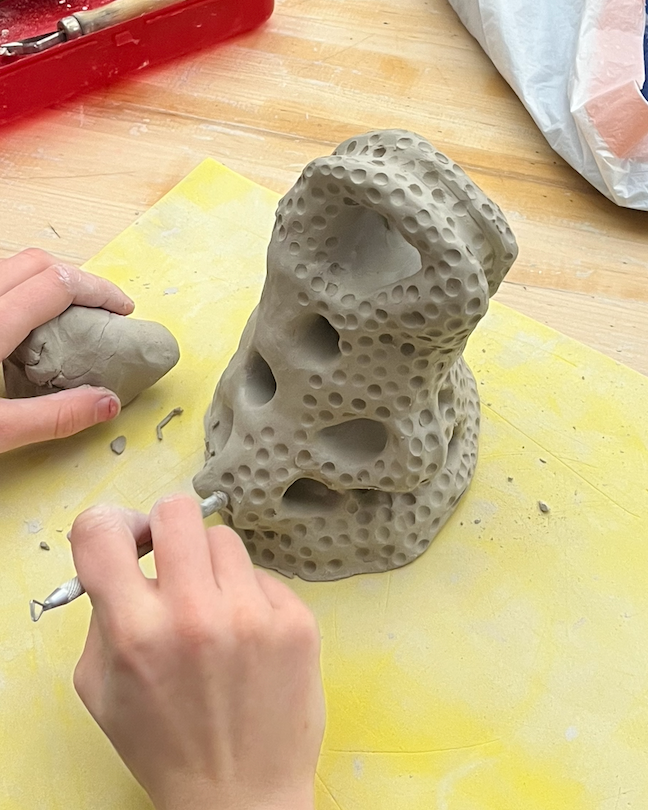
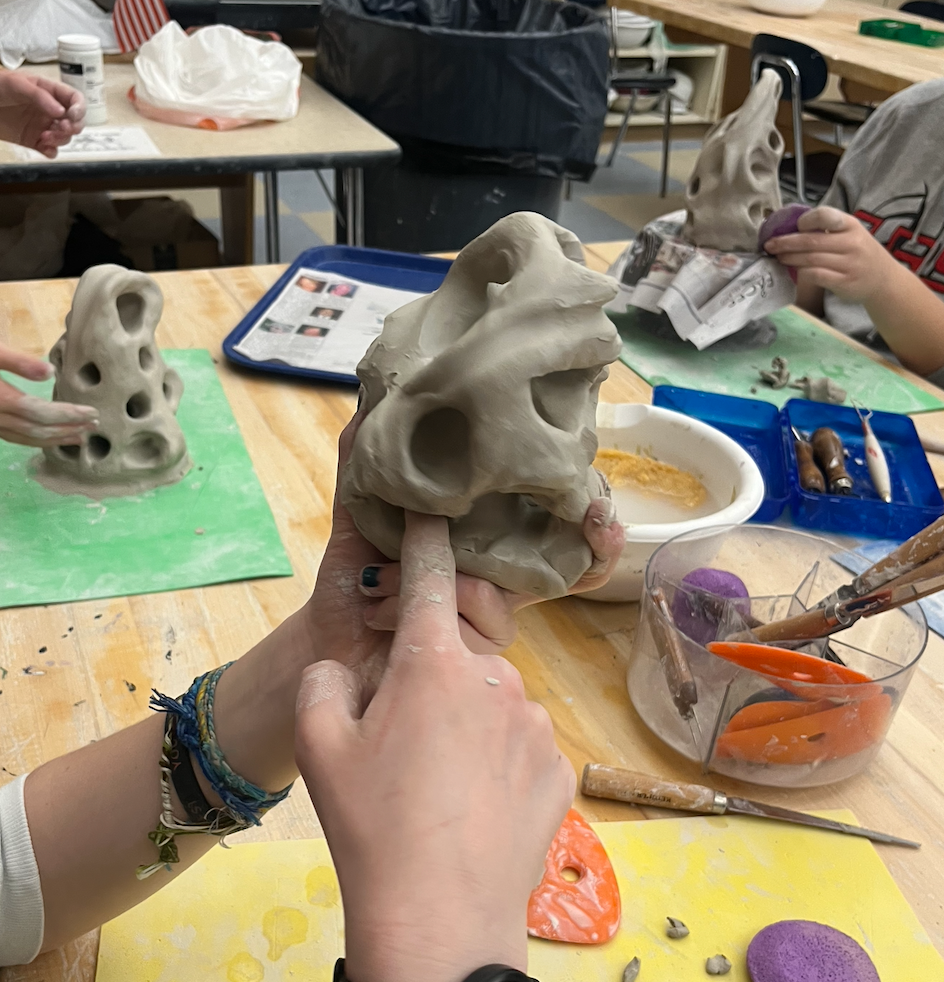
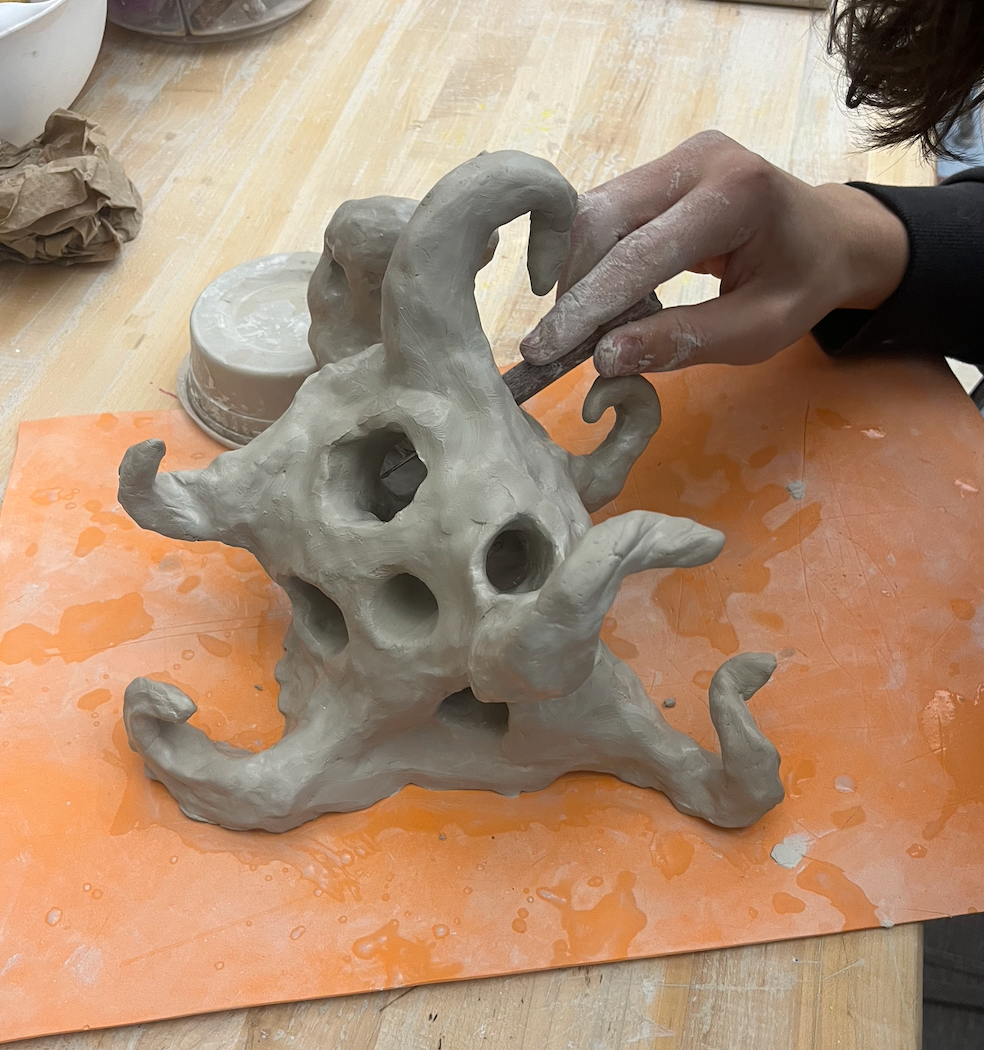
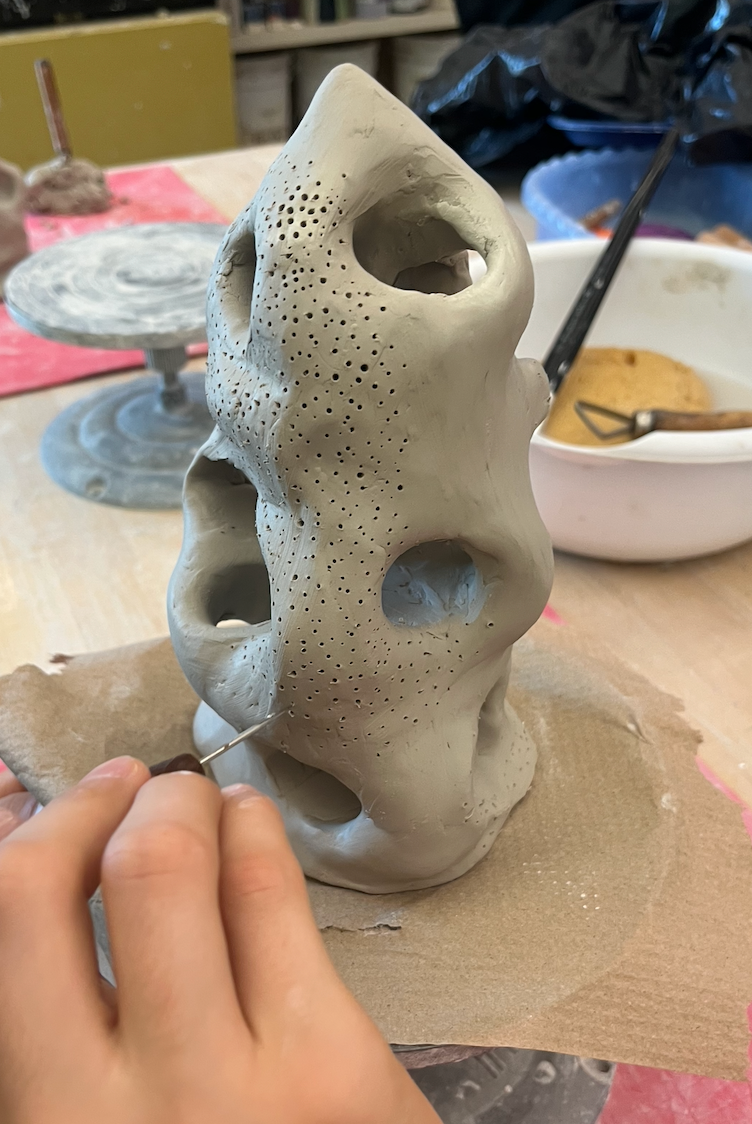
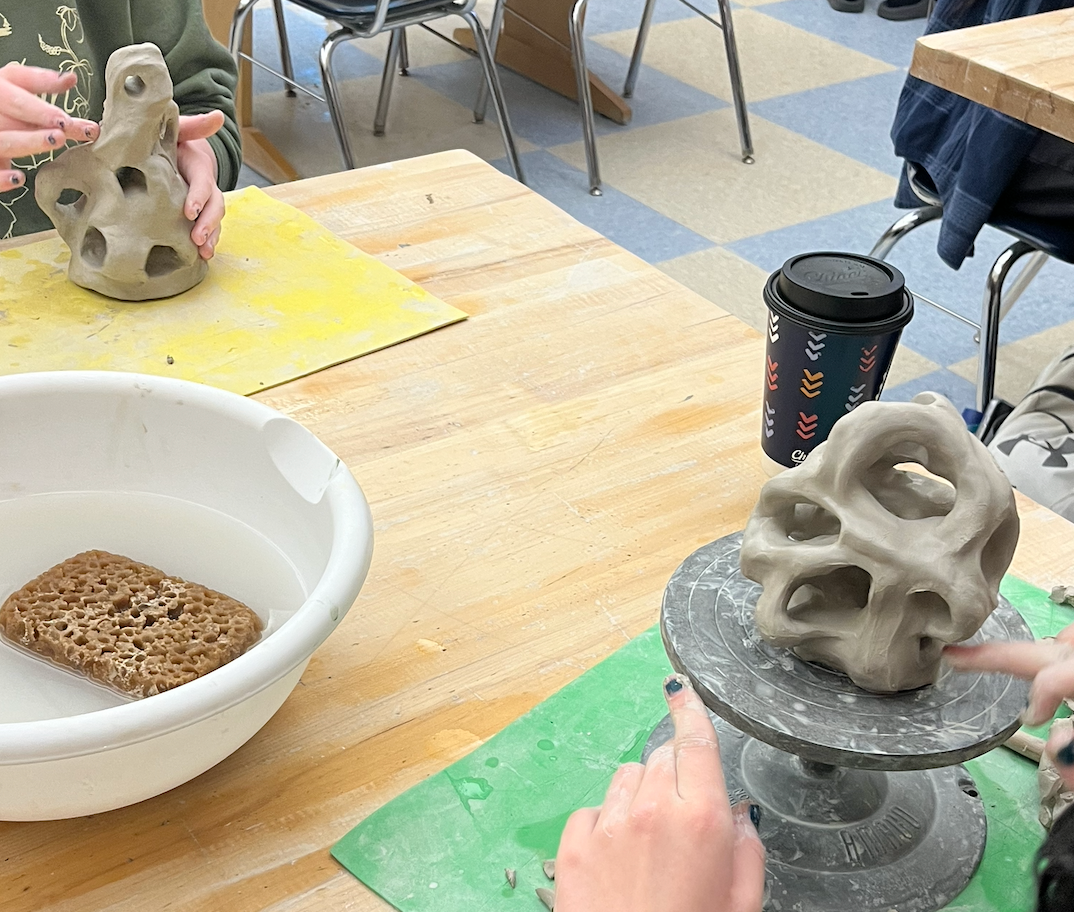
In this lesson, students create an abstract organic clay sculpture inspired by natural forms and the works of artists like Henry Moore and Kenneth Price. Beginning with a solid block of clay, they use subtractive techniques -carving, removing clay, and shaping negative space - to intuitively develop flowing, non-representational forms that echo curves and structures found in nature. As they experiment with openings, divots, and shifting contours, students make instinctive decisions that guide the sculpture’s evolution while maintaining stability. By the end, each student produces a unique abstract piece that reflects both natural inspiration and their personal intuitive process.
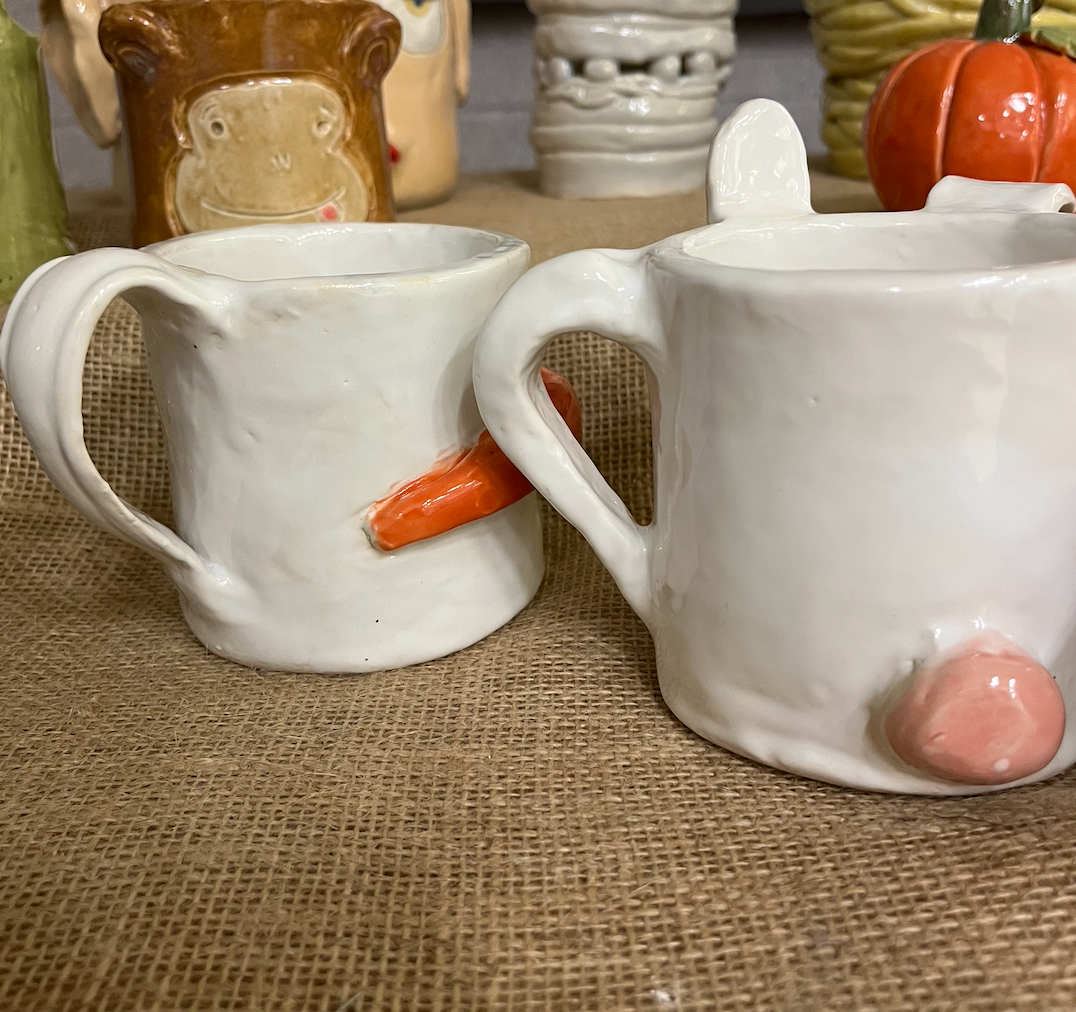
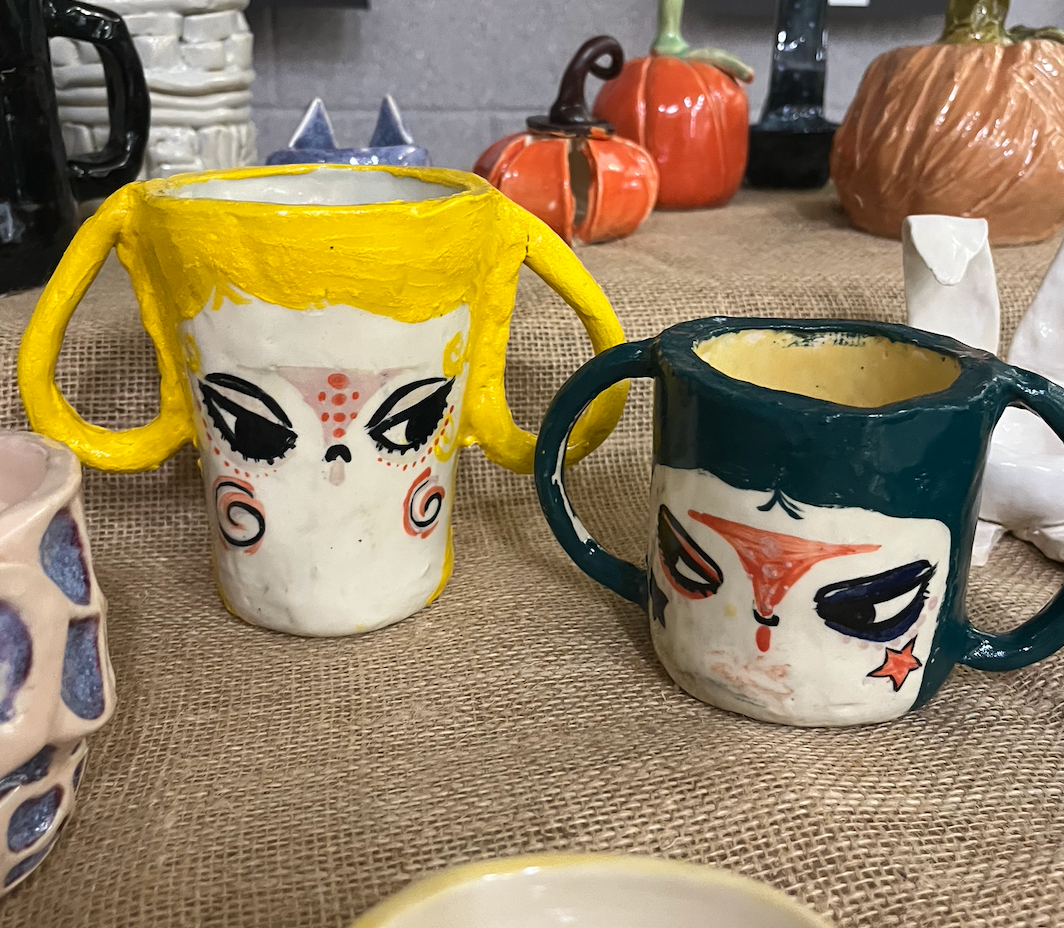
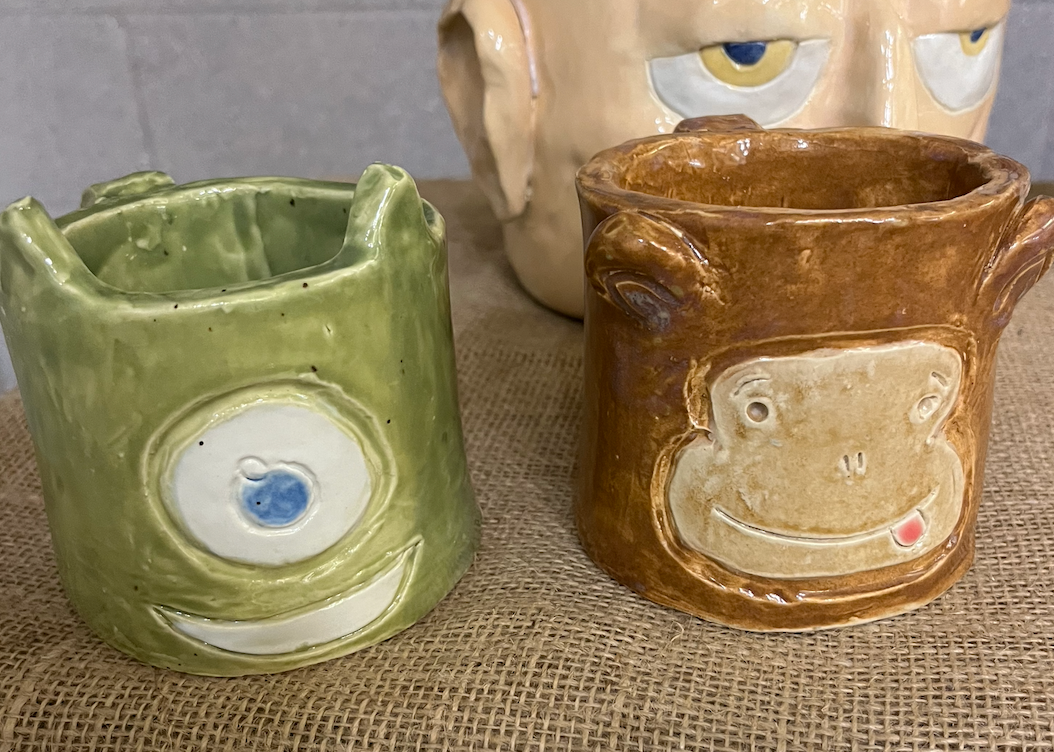
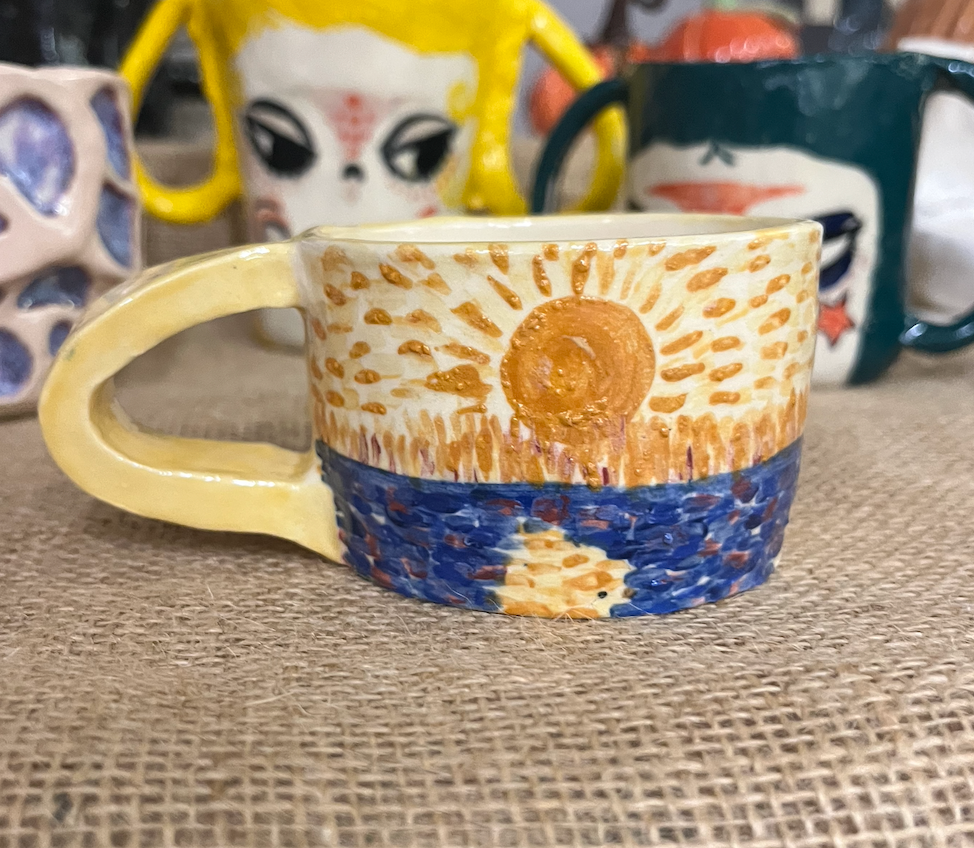
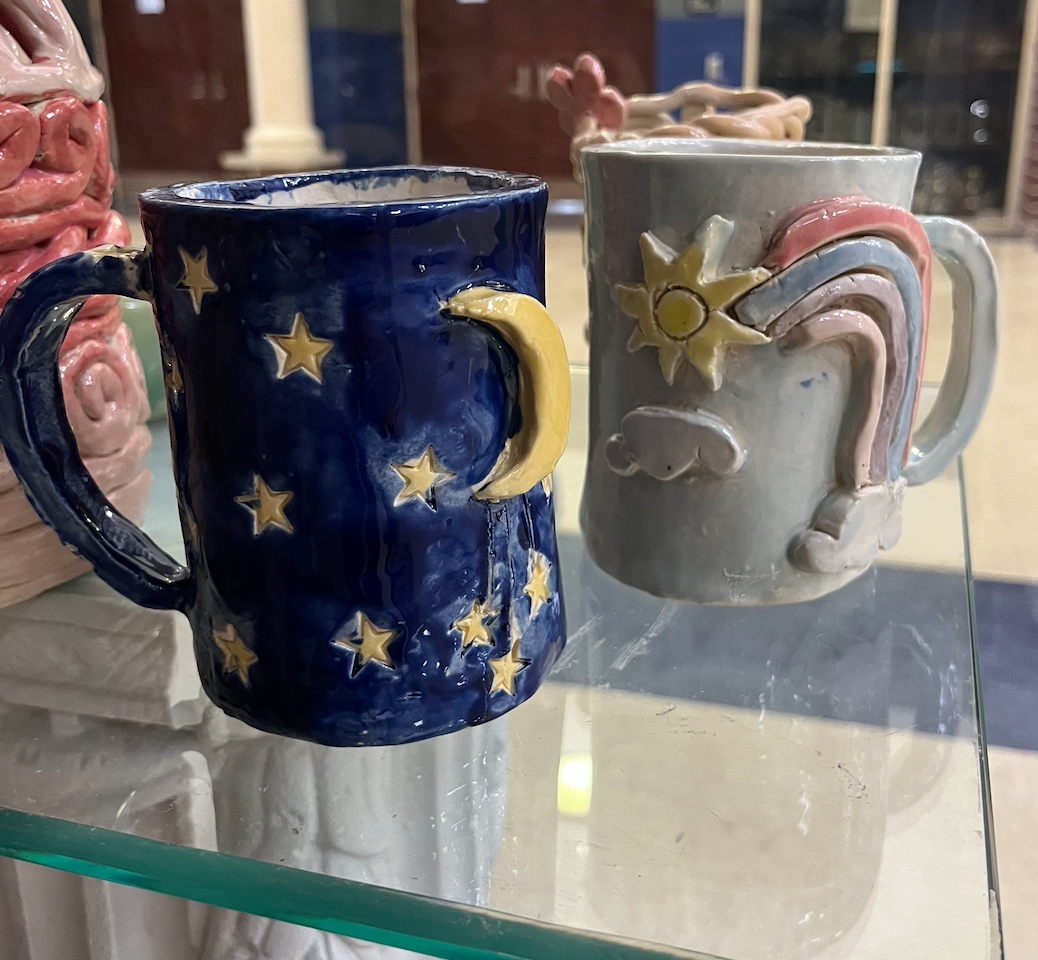
Themed mugs - ceramics 1 lesson
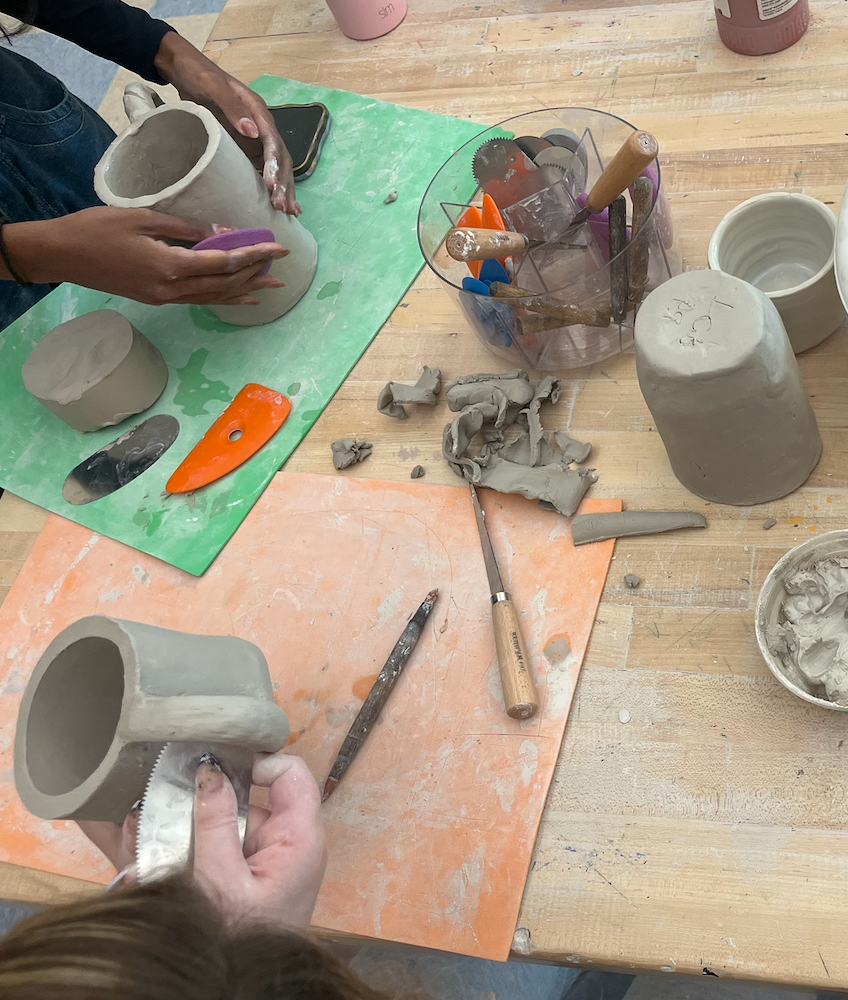
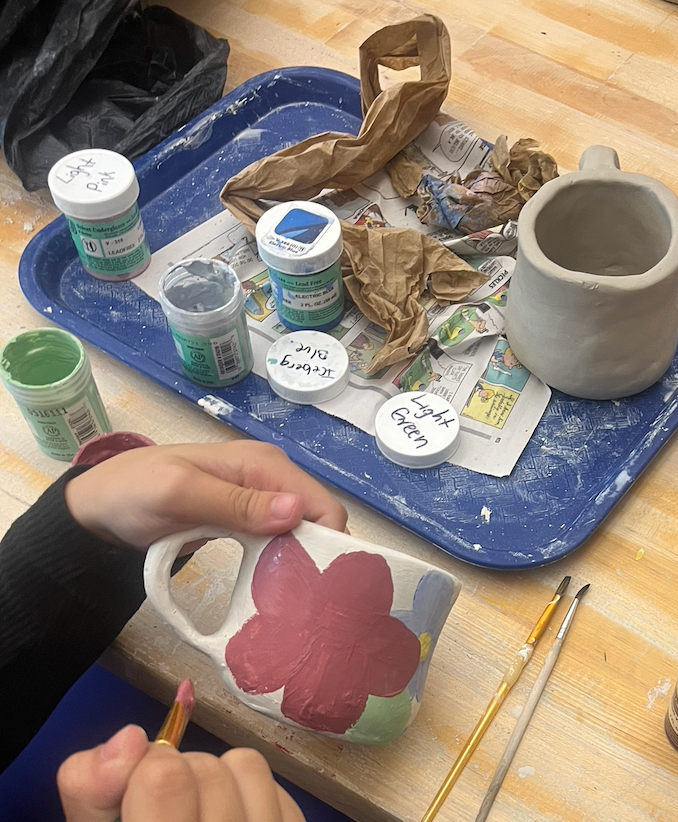
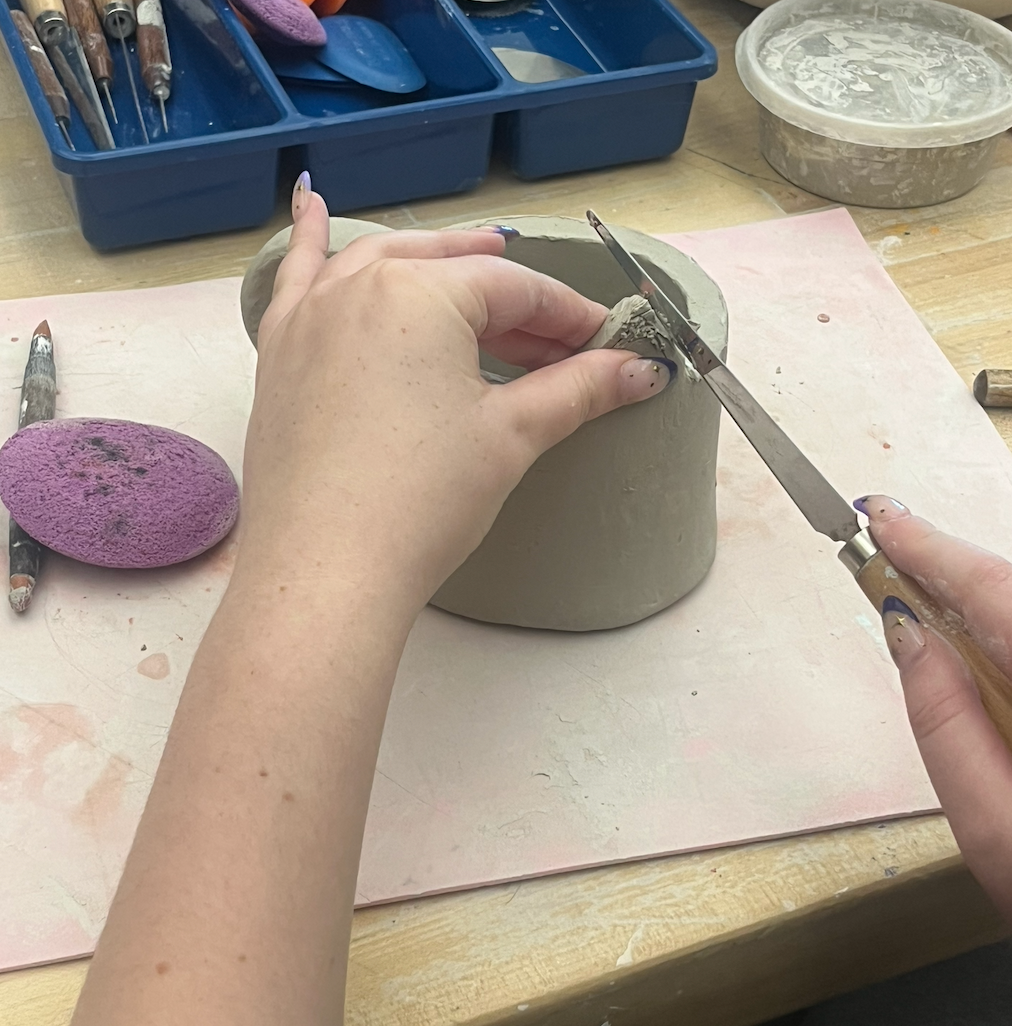
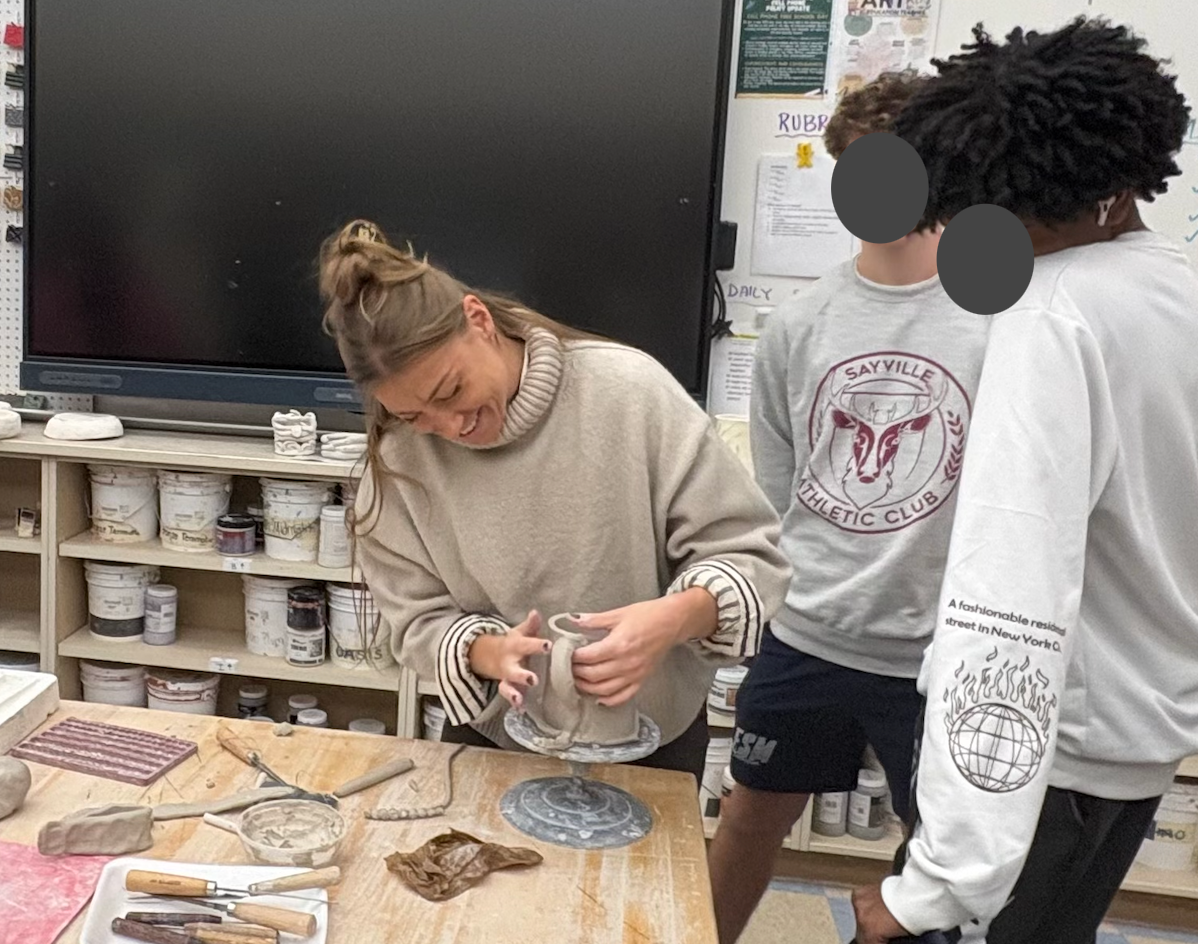
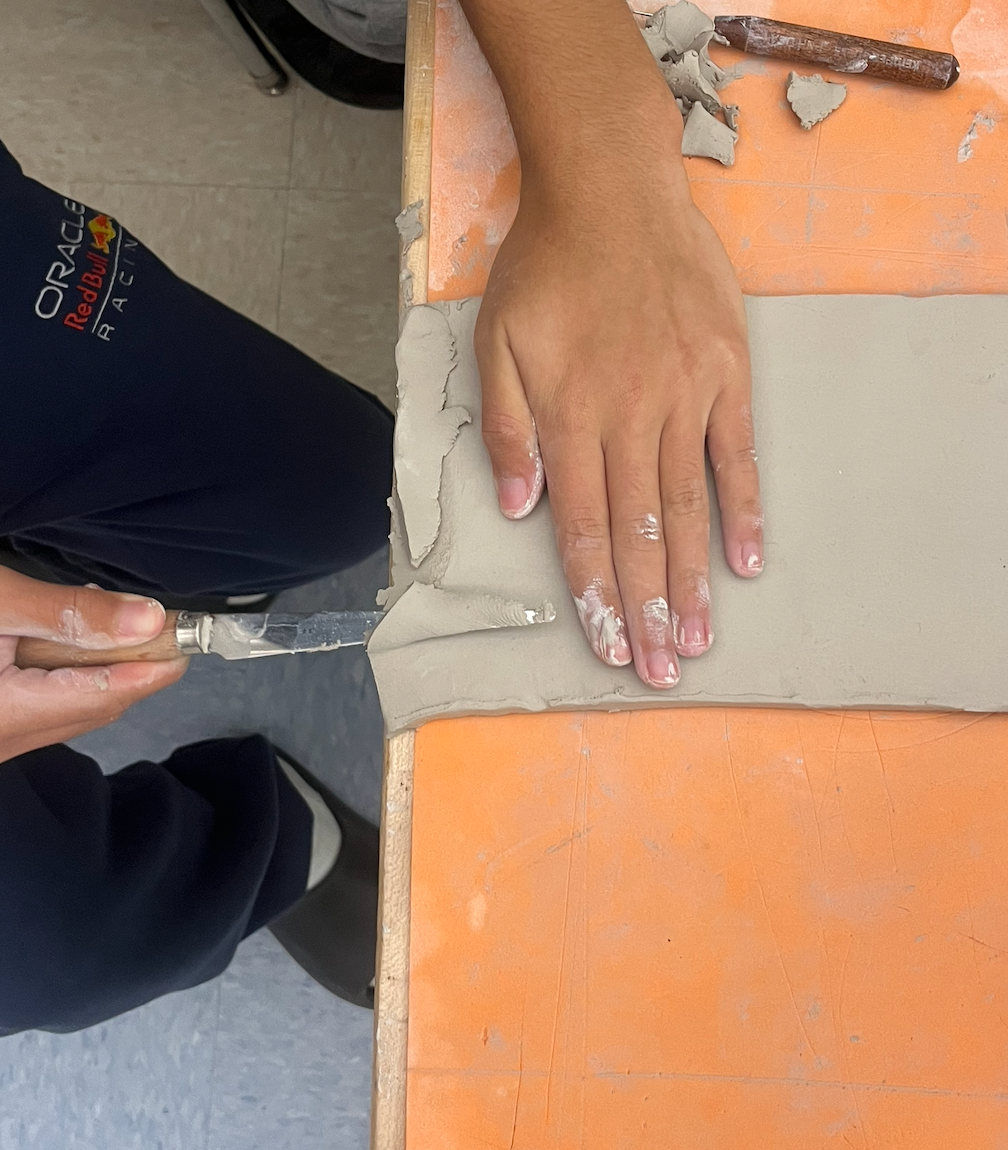
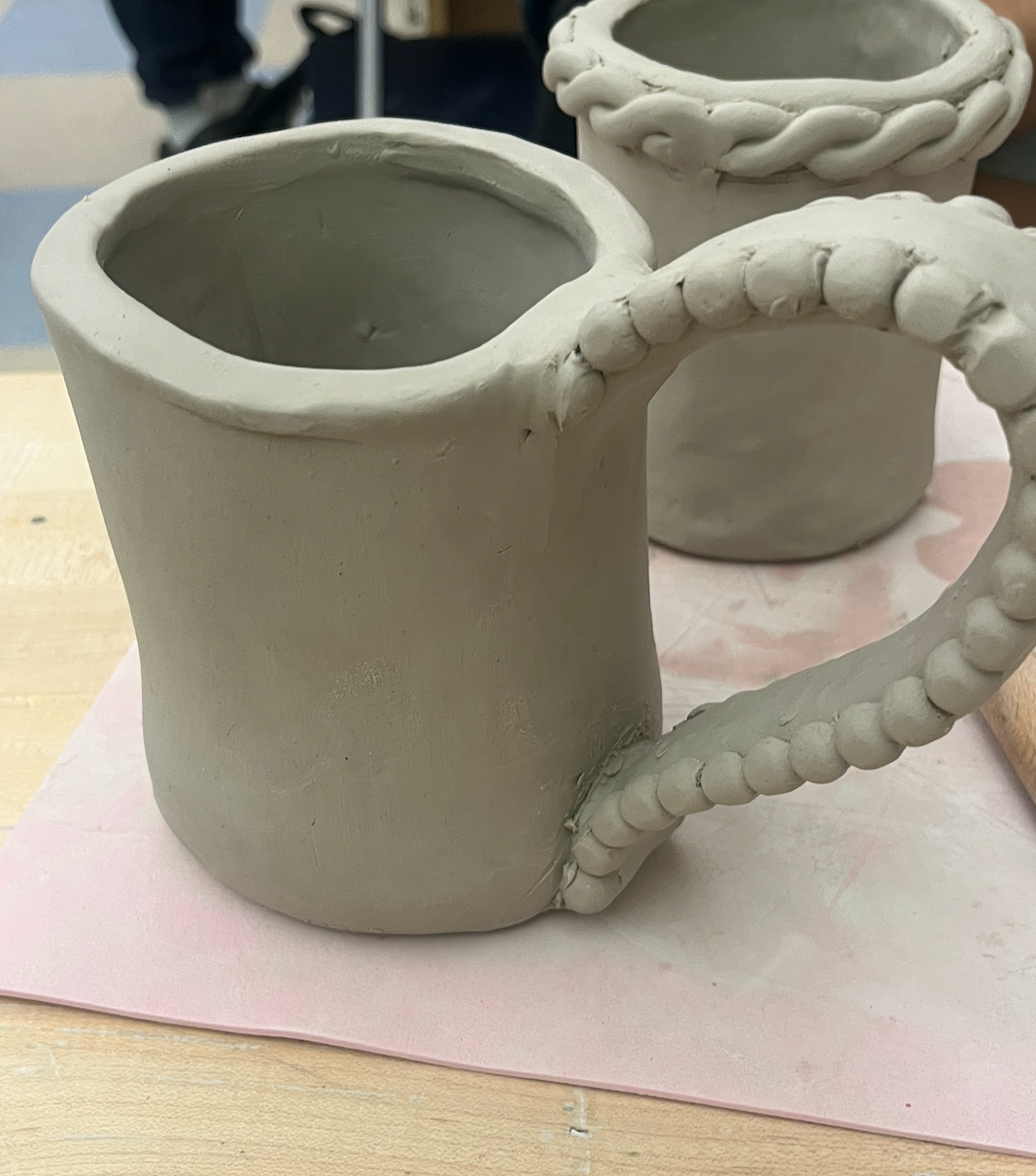
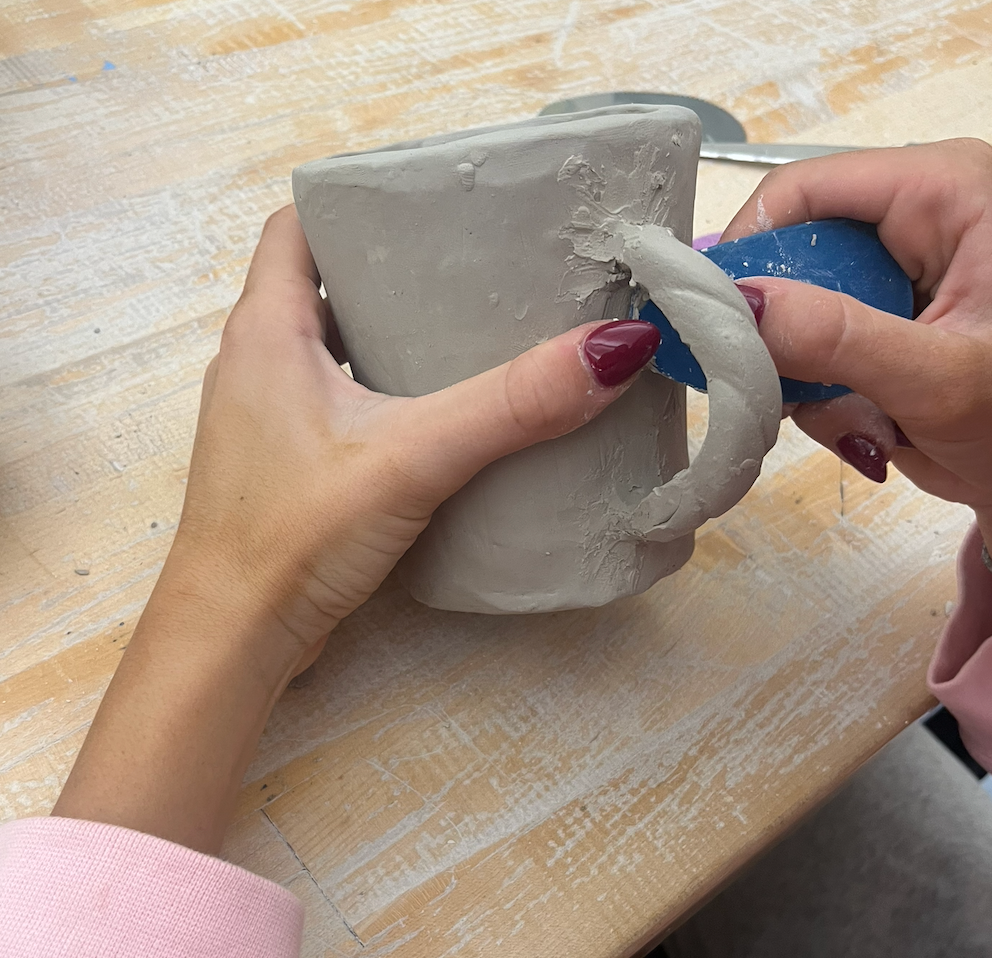
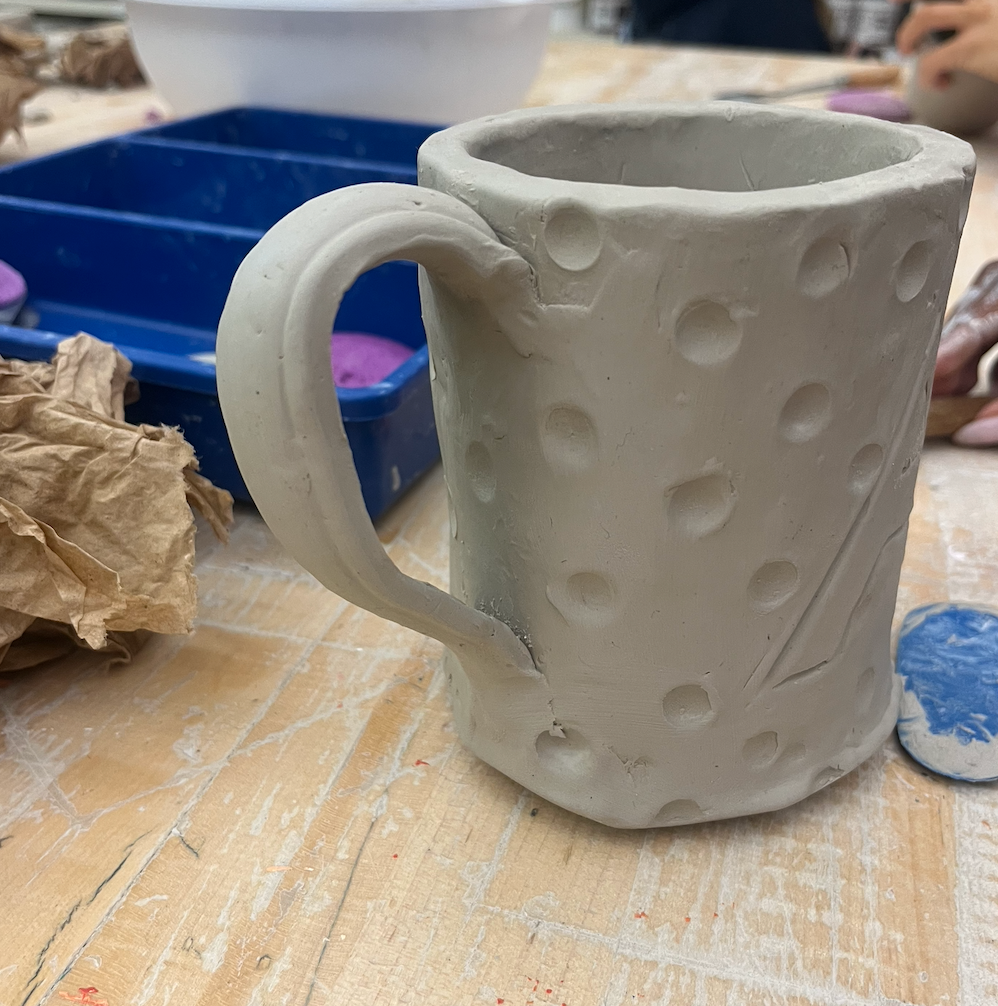
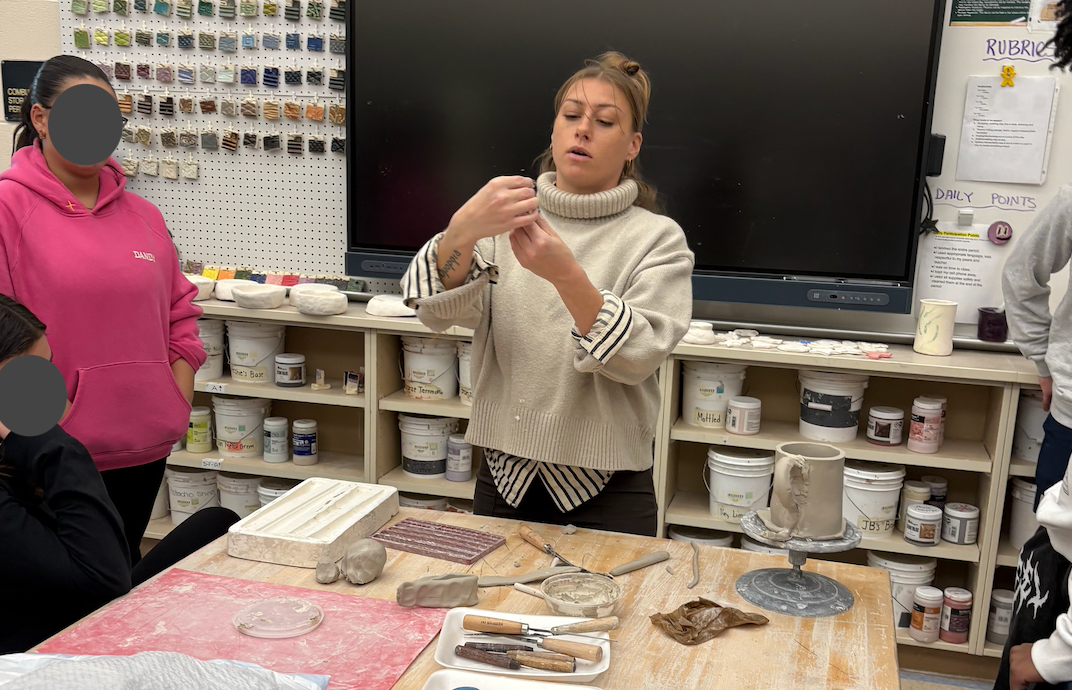
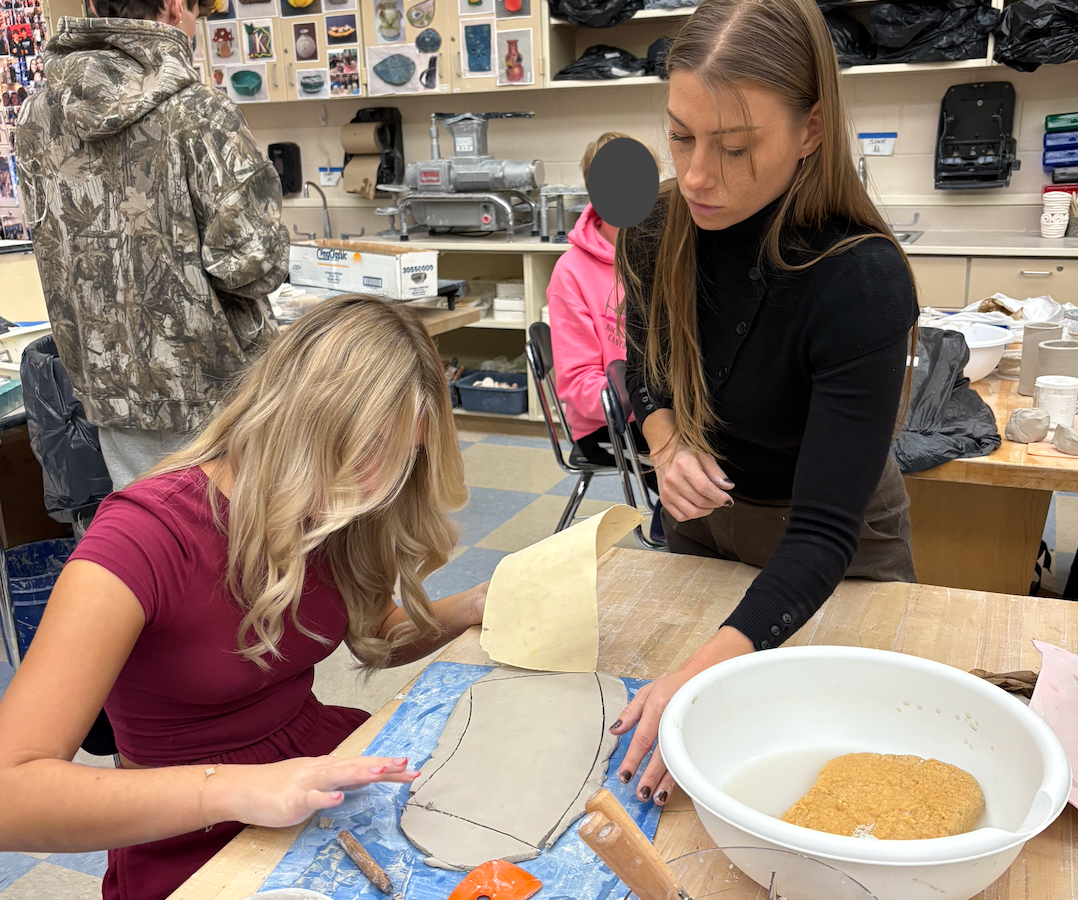
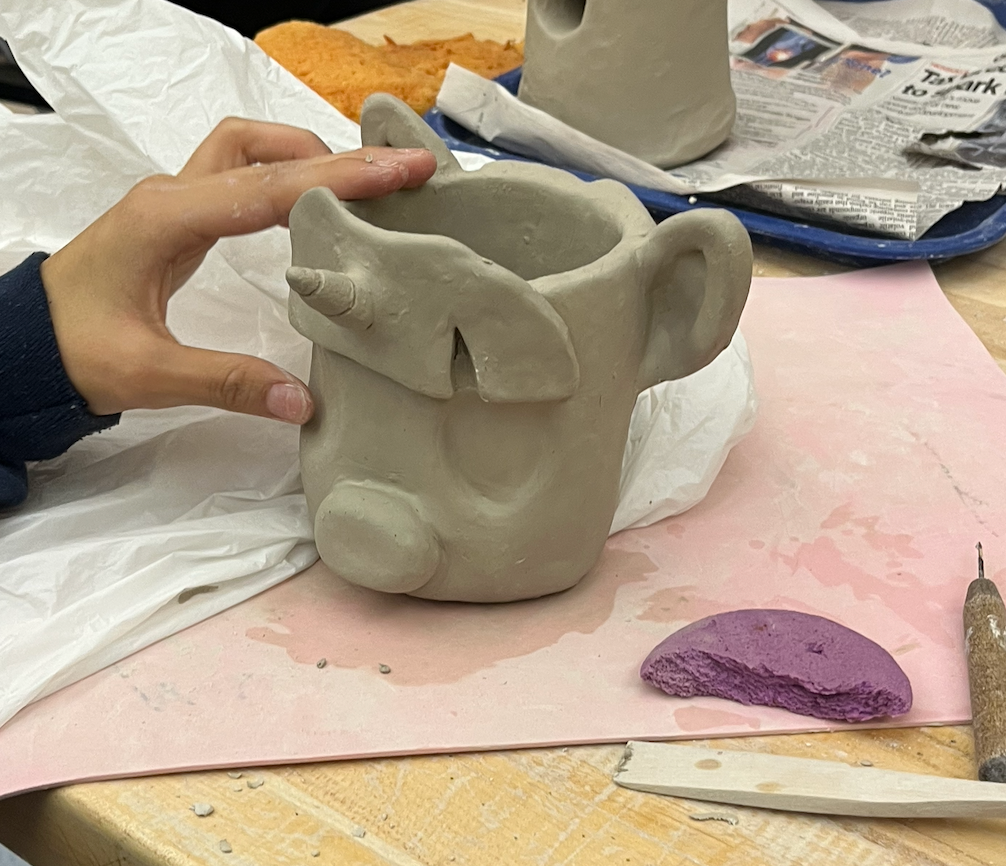
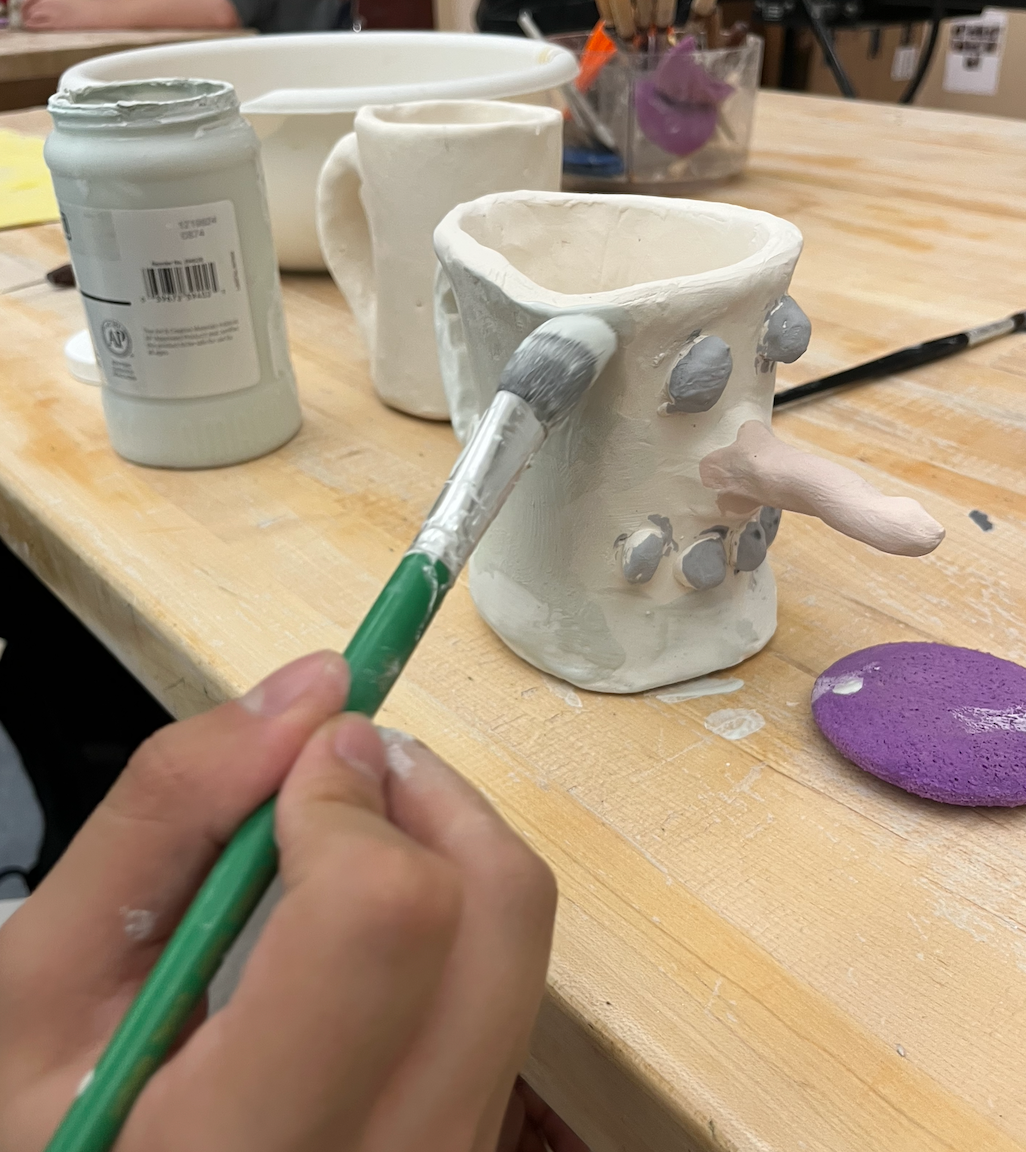
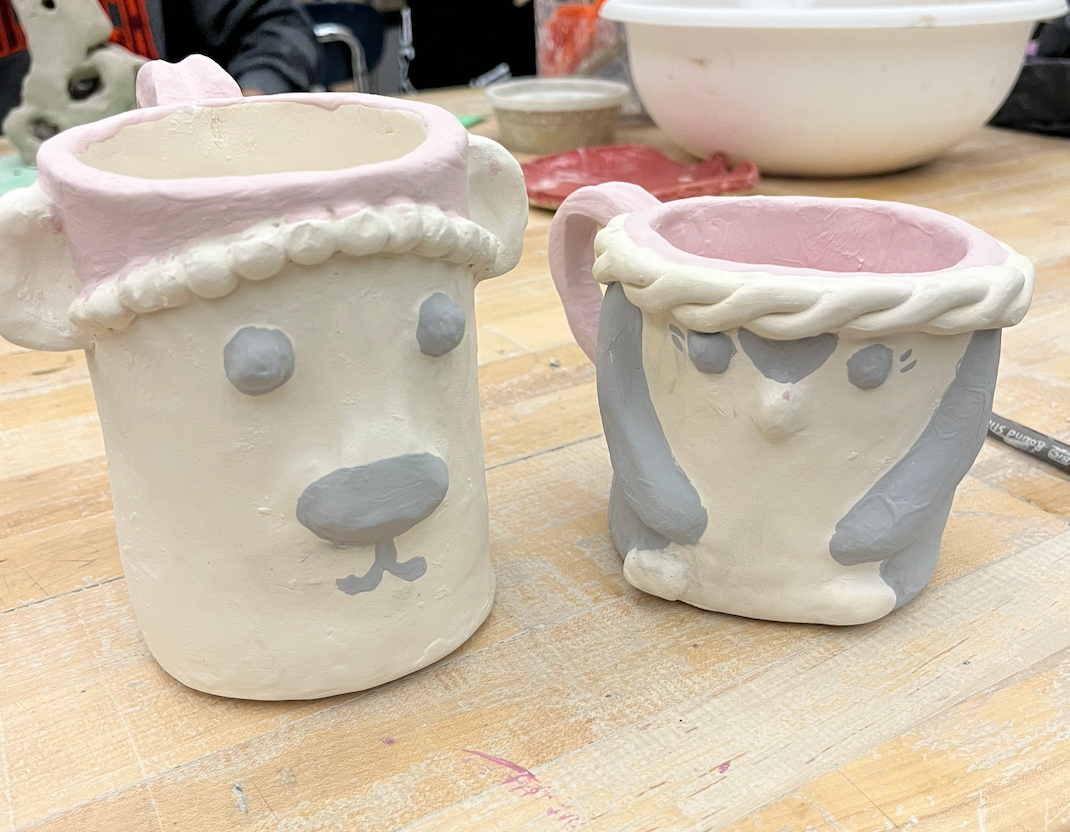
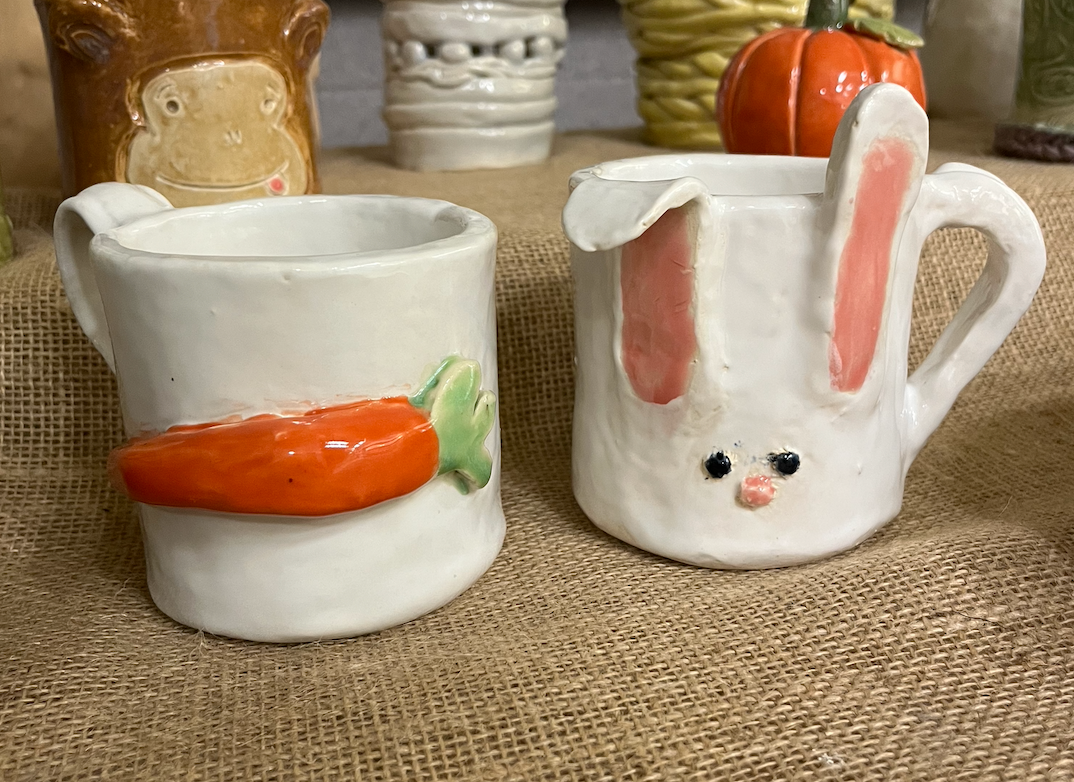
In this lesson, students design and construct two themed slab-built mugs that merge functional craftsmanship with personal artistic expression. Beginning with brainstorming and multi-angle sketches, students explore how form, texture, and handle design can communicate a cohesive theme across both mugs. They then roll even slabs, cut precise templates, and use score-and-slip techniques, 45° joins, and coil reinforcement to build strong, functional walls and bases. Through careful refinement, surface detailing, and thoughtful handle construction, students learn how craftsmanship and design decisions support both usability and narrative. By the end, they produce a pair of mugs that demonstrate technical skill, creative cohesion, and a clear progression from initial sketches to finished ceramic forms.
Wheel thrown bowls - independent art workshop lesson
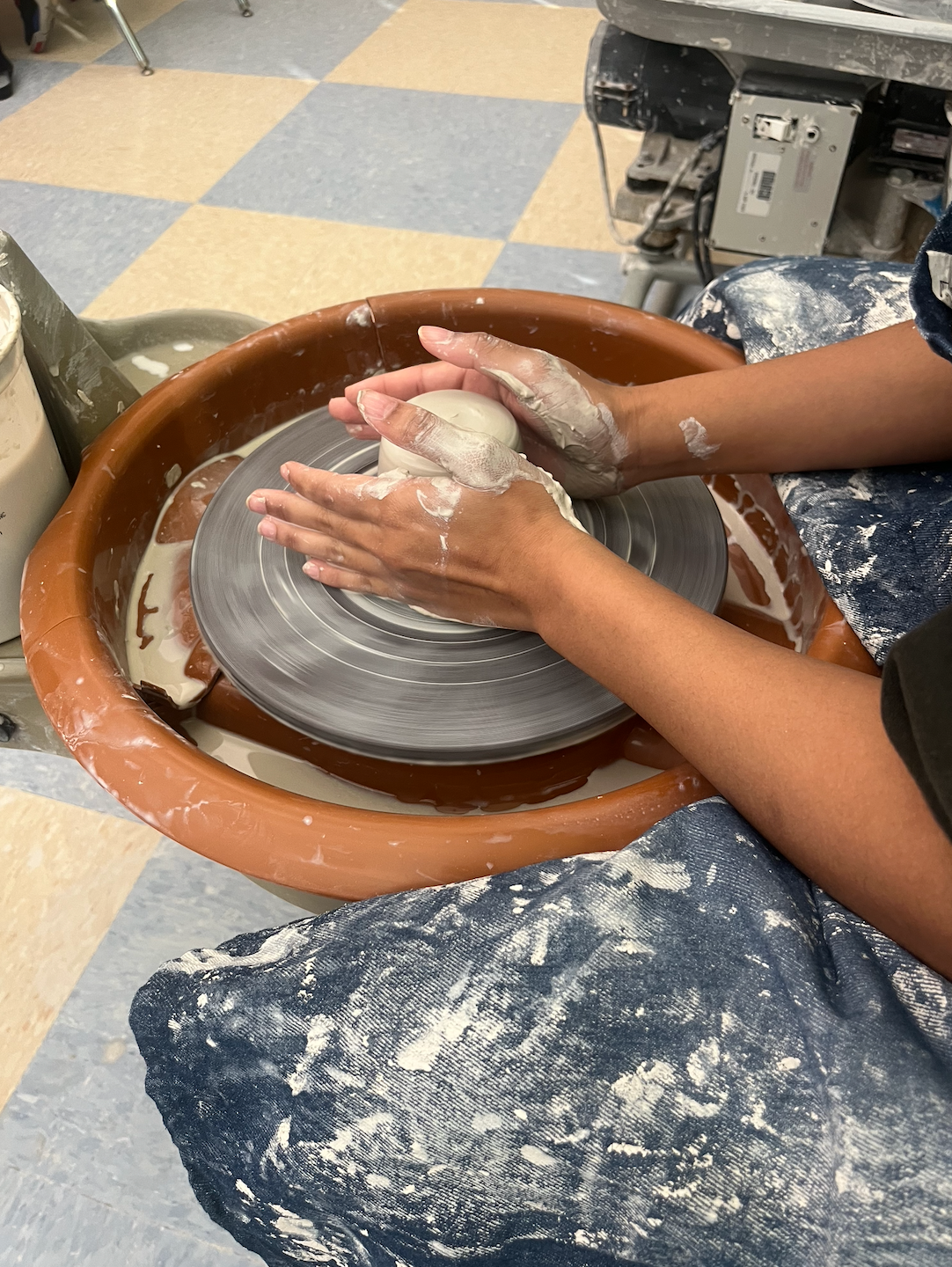
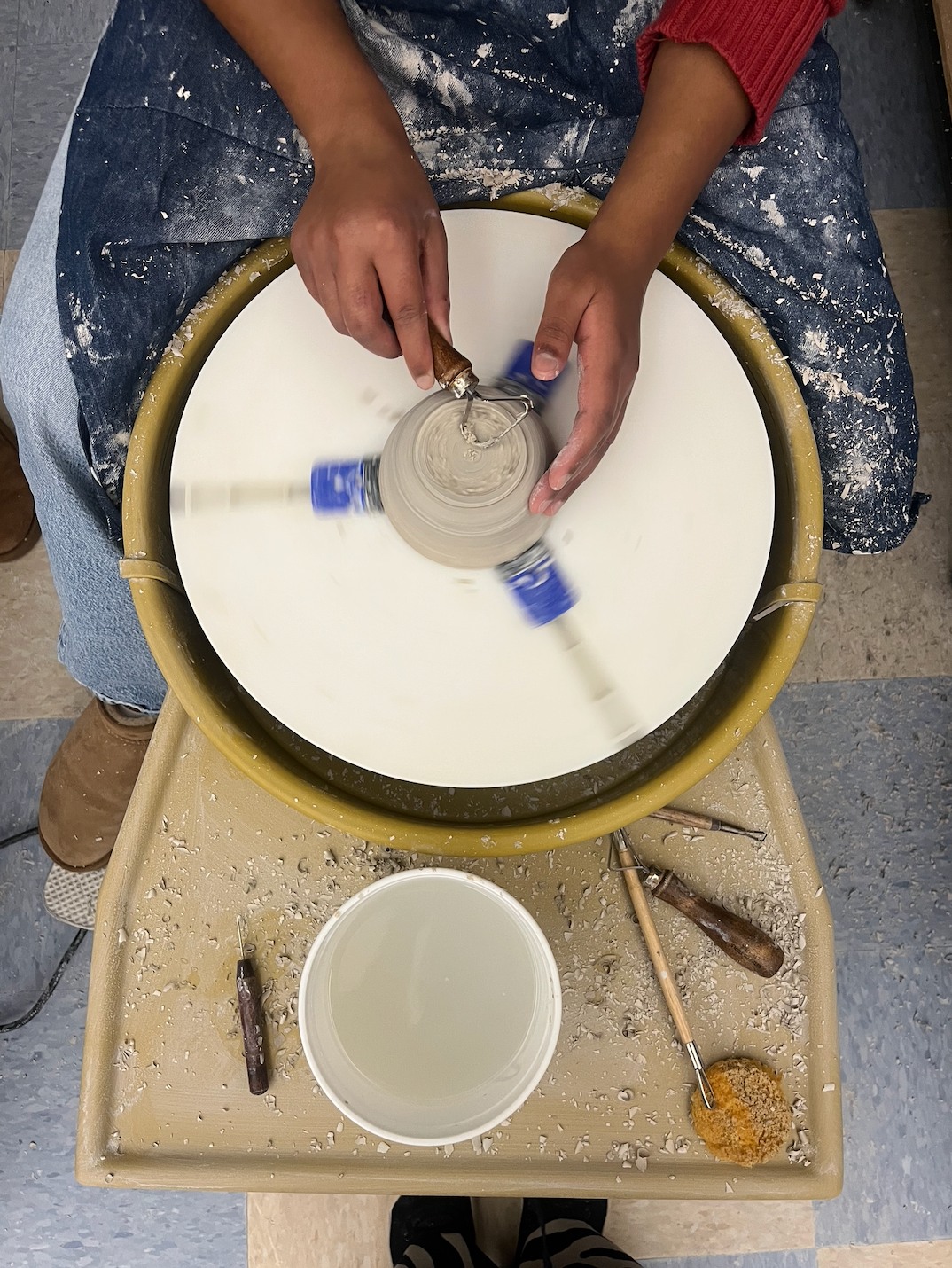
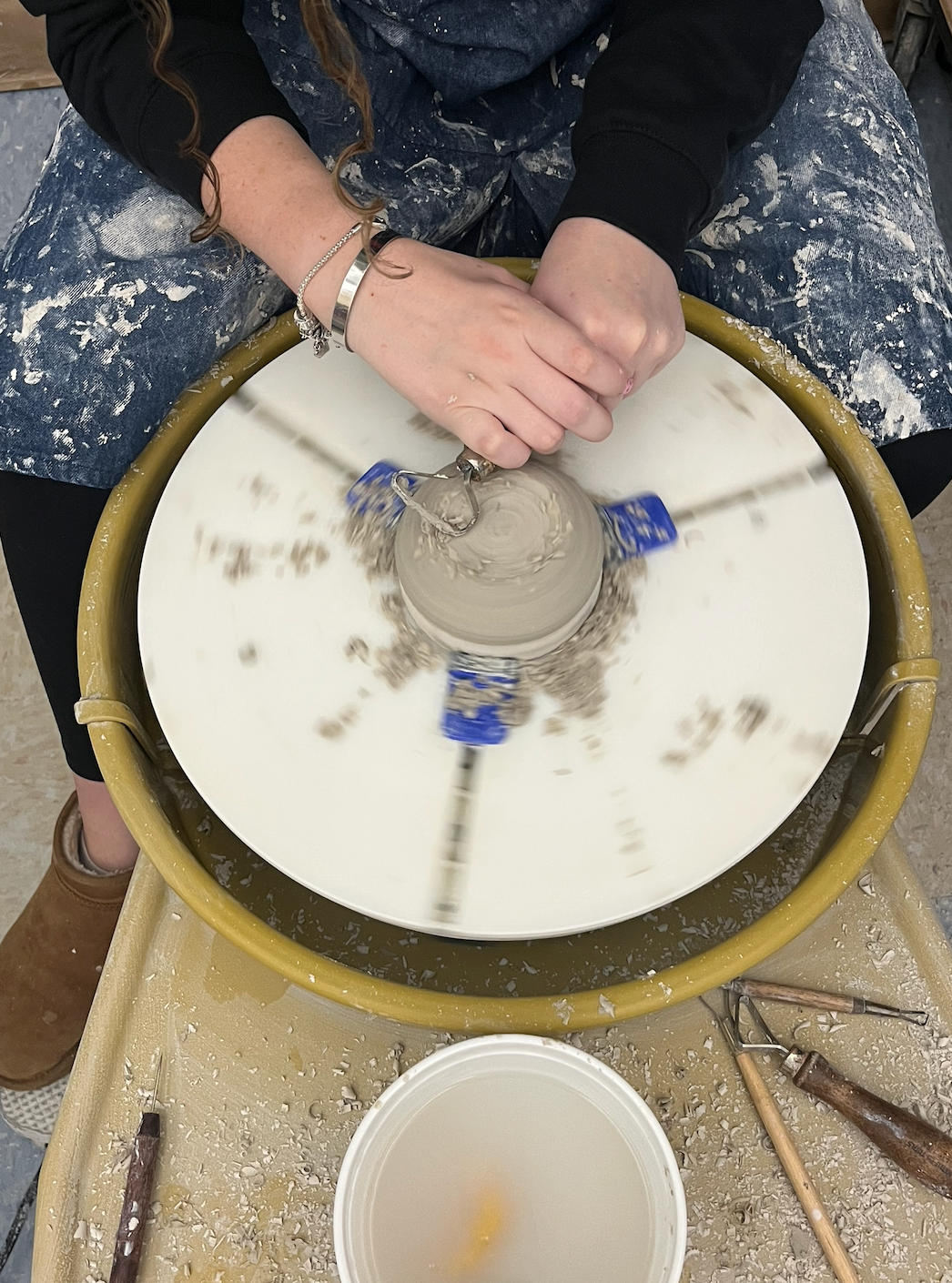
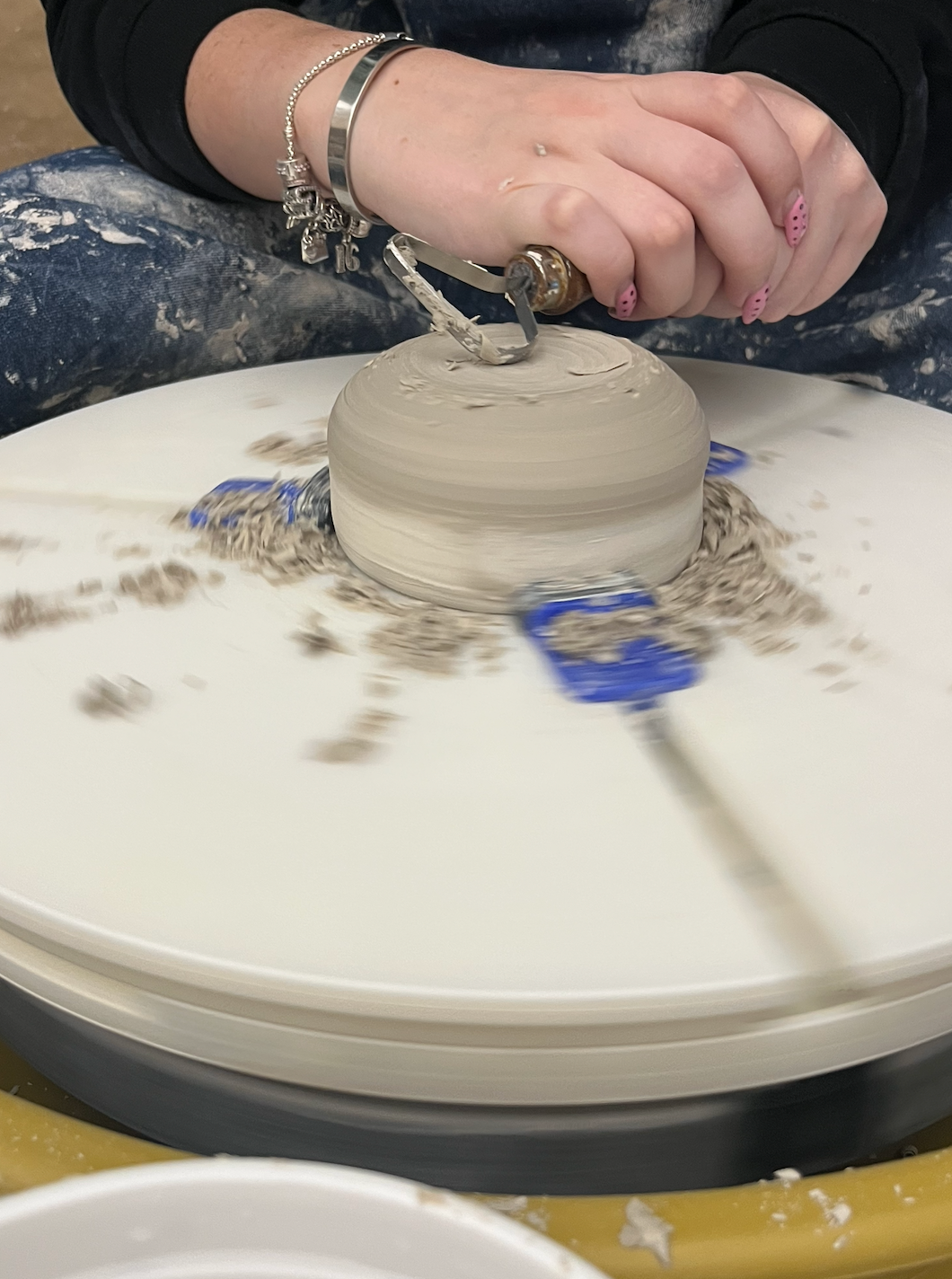
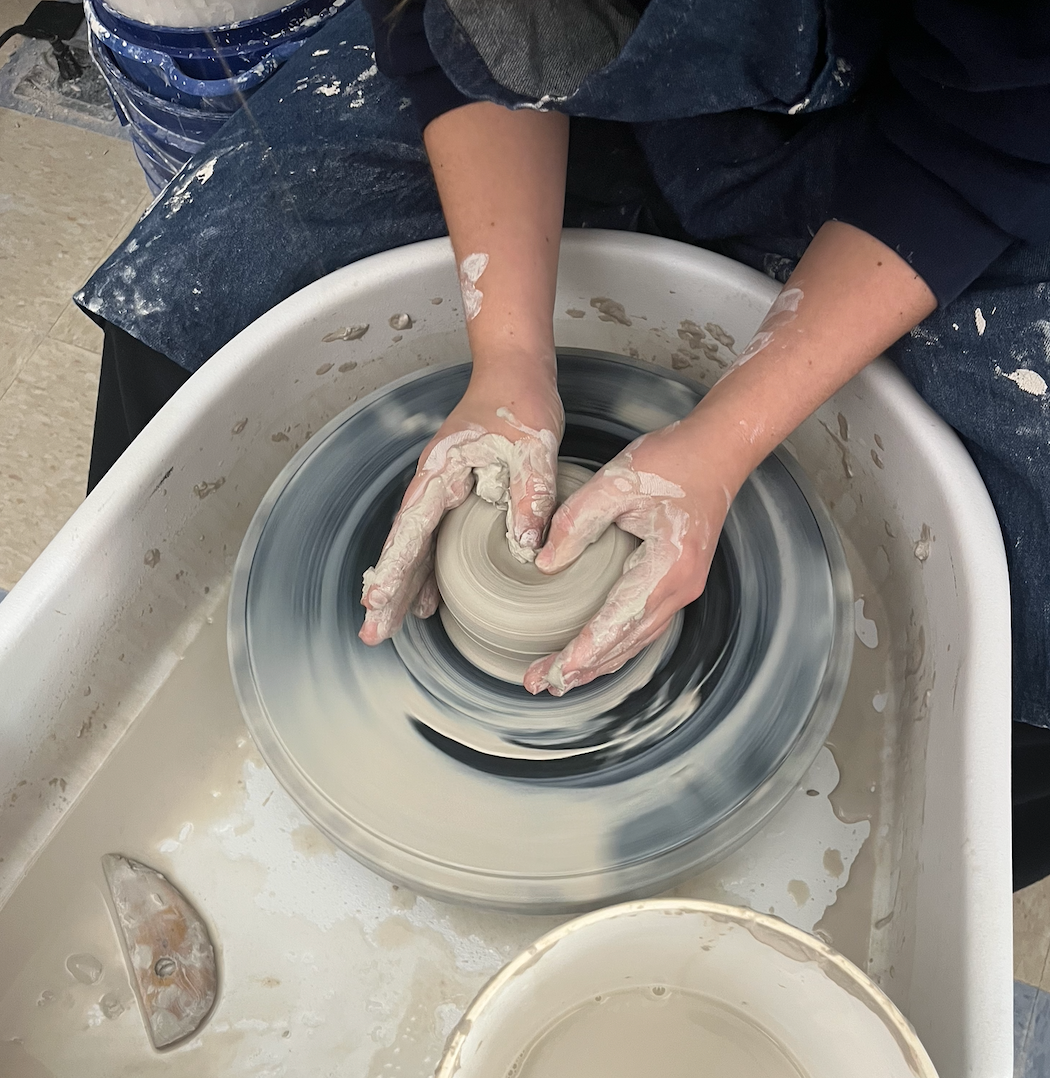
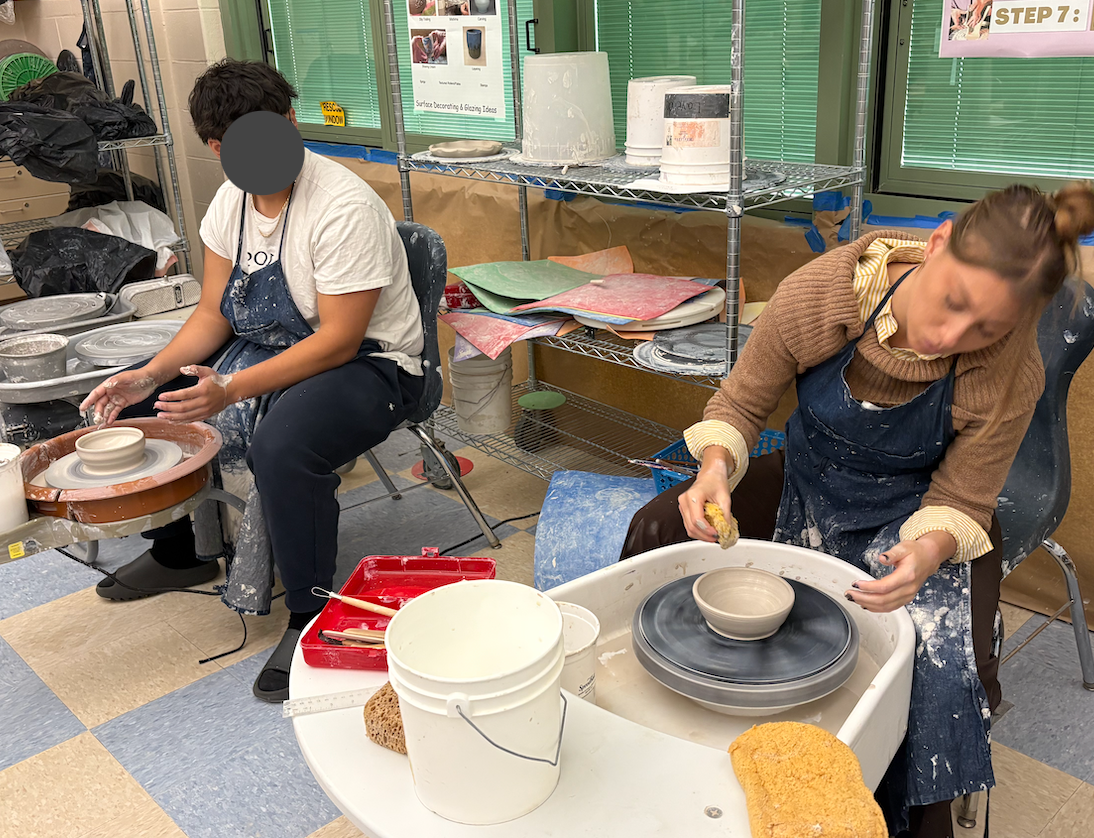
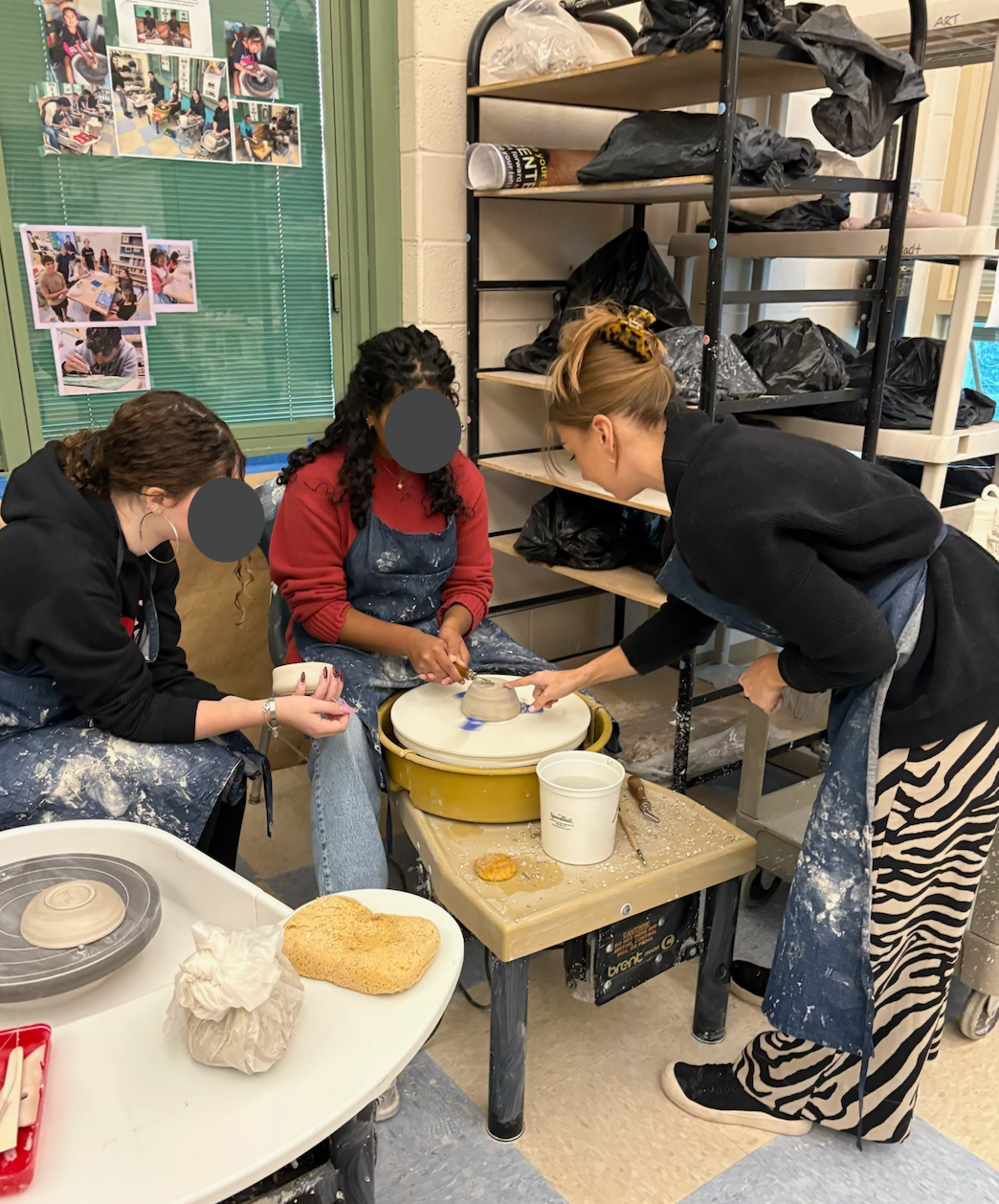
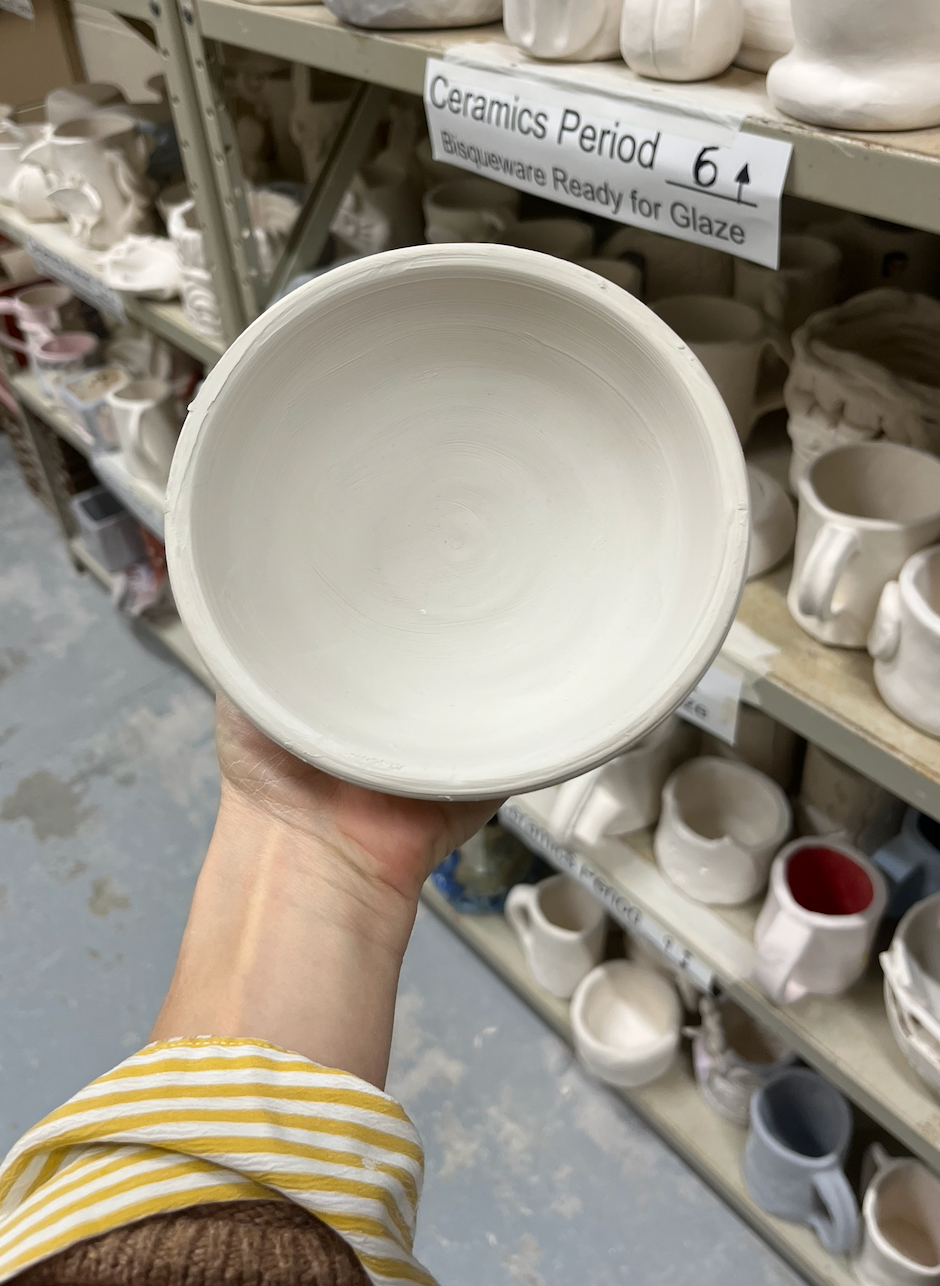
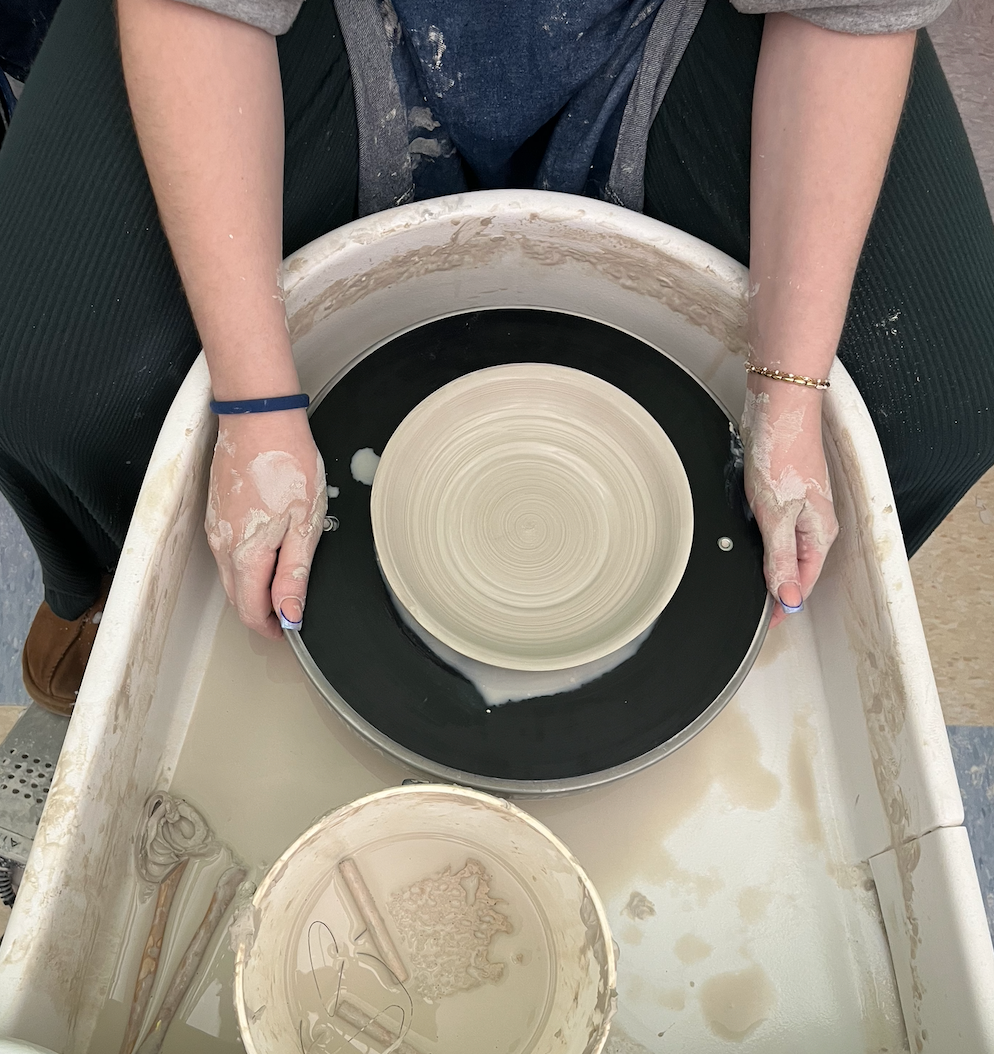
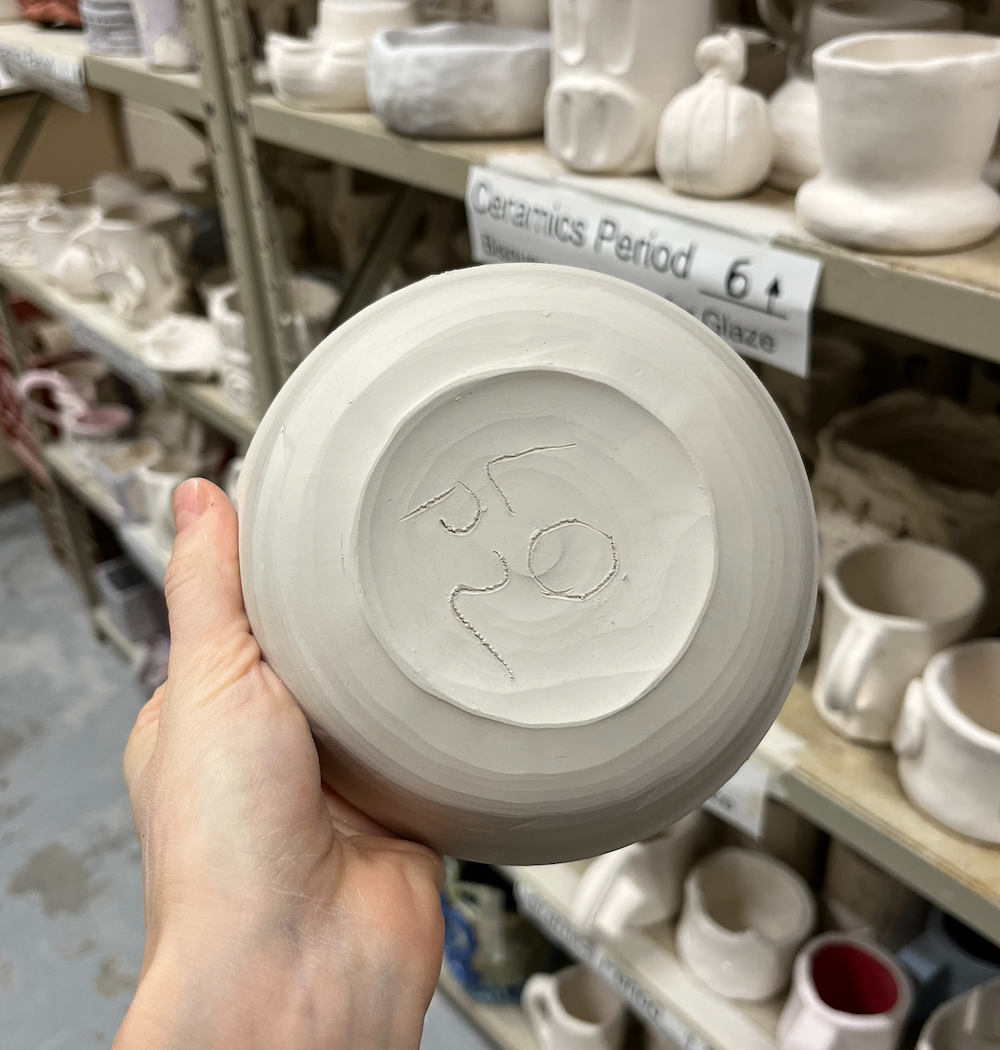
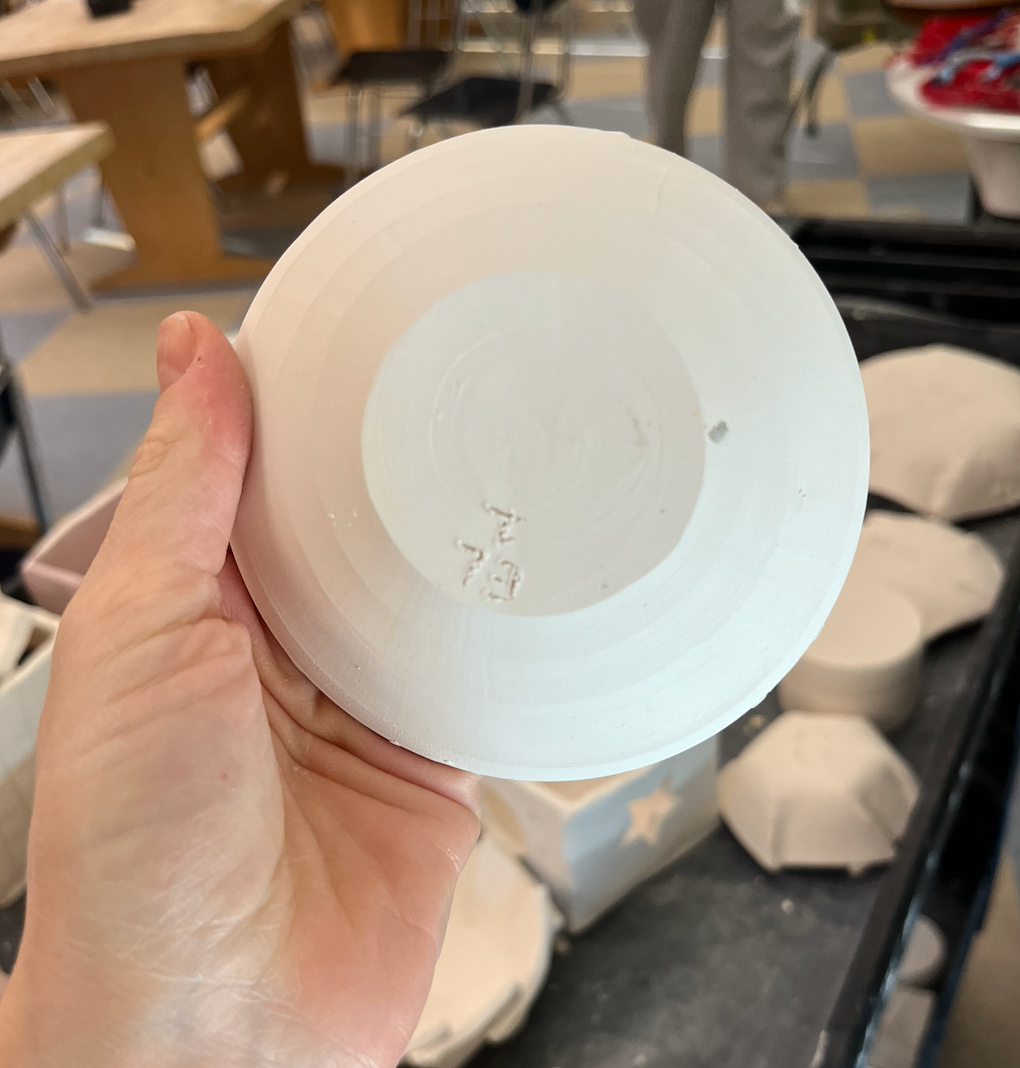
In this lesson, students explore the fundamentals of wheel throwing to create functional and aesthetically refined ceramic bowls. They focus on centering clay, opening the form, pulling walls, and shaping while maintaining symmetry, proportion, and structural stability. Students refine their bowls by trimming the base, forming a finished foot, and smoothing surfaces, applying technical vocabulary and receiving hands-on guidance throughout. Reflection and peer feedback encourage problem-solving, attention to detail, and personal expression. By the end of the two sessions, students produce stable, well-shaped bowls that demonstrate mastery of wheel-throwing techniques and thoughtful craftsmanship.